Our extensive CCTV cameras in the City captured this superb shot in the early hours of this morning.
Safer City Streets means lightning response times, day and night in the Square Mile.
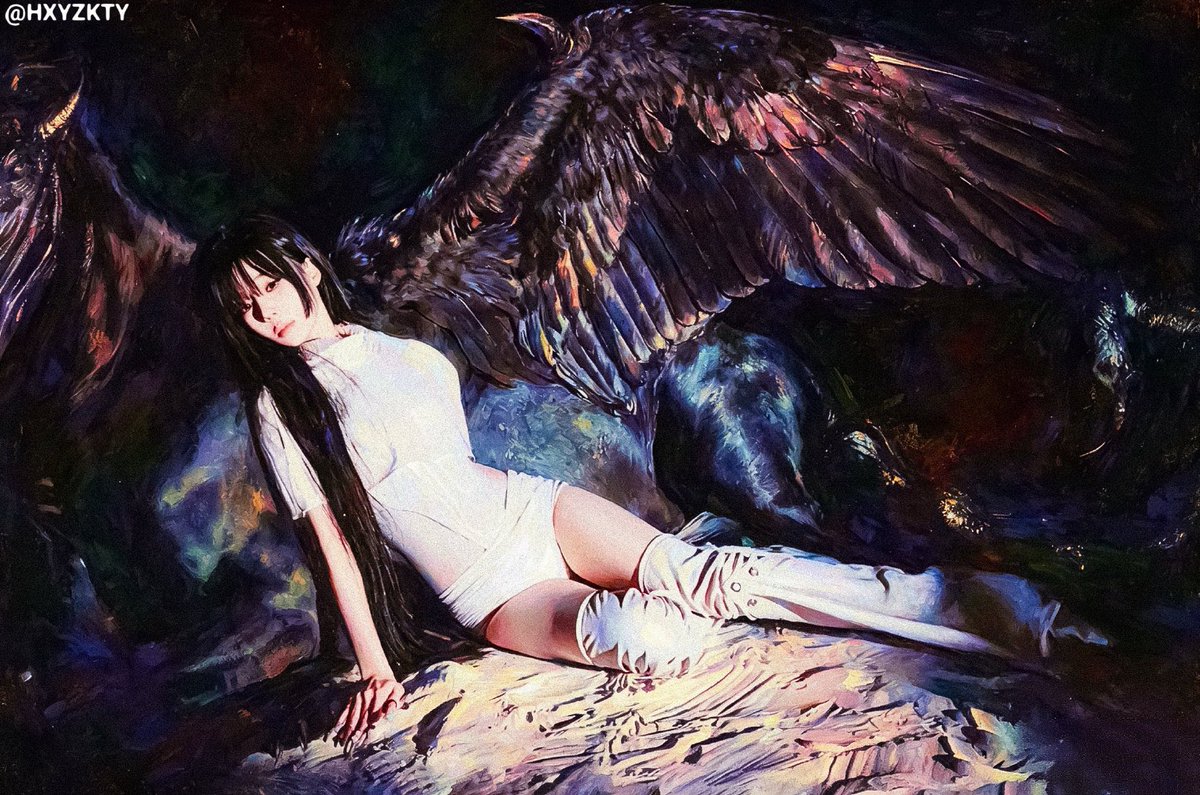
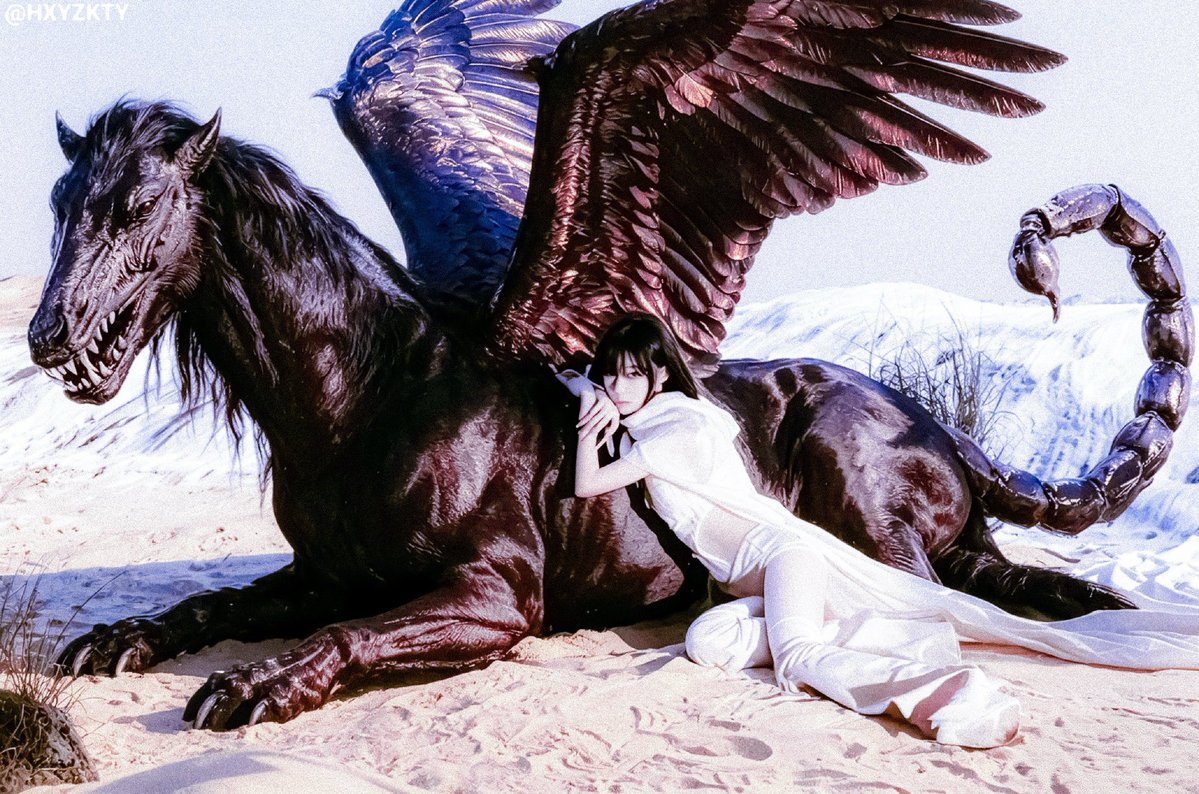
Ningning as the painting Black Iris (1926) by Georgia O'Keefe representing "vessel holding the secret of life and the mystery of death" and feminine embodiment
Fifteen seconds. The average person waits an hour in line at the Louvre and looks at the Mona Lisa for fifteen seconds. Then walks away. Every big museum is the same story. People spend 17 seconds in front of masterpieces and move on.
A 2001 study at the Met timed 150 people in front of six masterpieces. Cezanne, Rembrandt, the heavy hitters. The average look came in at 27 seconds. Half the visitors spent less than 17. The single most common result was 10 seconds flat. Then done. The Art Institute of Chicago ran the same study in 2017 and got almost identical numbers.
This pattern has a name. A scientist named Benjamin Ives Gilman wrote about it in 1916 and called it "museum fatigue." The more paintings around you, the faster your brain taps out. Arthur Melton's 1935 follow-up found that when a gallery hung more paintings, people stopped at fewer of them. The time spent at each one stayed stuck at 10 seconds. The paintings were competing for attention. They were losing.
There's a circuit in your brain that only runs when you're alone with your thoughts. Daydreaming. Remembering things. Scientists call it the default mode network. When you focus on anything in the outside world, this circuit shuts off. You need it quiet to pay attention. Except when the outside thing is art that moves you.
In 2012, neuroscientists at NYU put people in a brain scanner and showed them paintings. When someone saw a painting they rated as deeply moving, the self-thinking circuit switched on. An outside thing was triggering the inner circuit. A year later, the researchers followed up with a paper called "Art reaches within."
Look at the Bossard. The title is "Meditation." The setting is the Orangerie in Paris, the oval room Monet helped design after World War I. He wanted it to be what he called a "refuge of peaceful meditation" for a country wrecked by the war. He offered the paintings to France in 1918, right after the fighting stopped.
One man stands facing the Water Lilies. Another sits on a bench behind him, reading the newspaper. You assume the standing man is meditating. Maybe. But the inside circuit only watches one thing: whether you've turned inward. Where your eyes are pointed has nothing to do with it. The guy with the newspaper might be lost in a memory from 1997. The guy in front of Monet might be thinking about what to buy for dinner.
The average viewer clears a masterpiece in 17 seconds. The inner switch takes longer than that to flip. Which is the quiet joke Bossard built into his painting, and also why the title lands the way it does. You can't see meditation from outside the body.