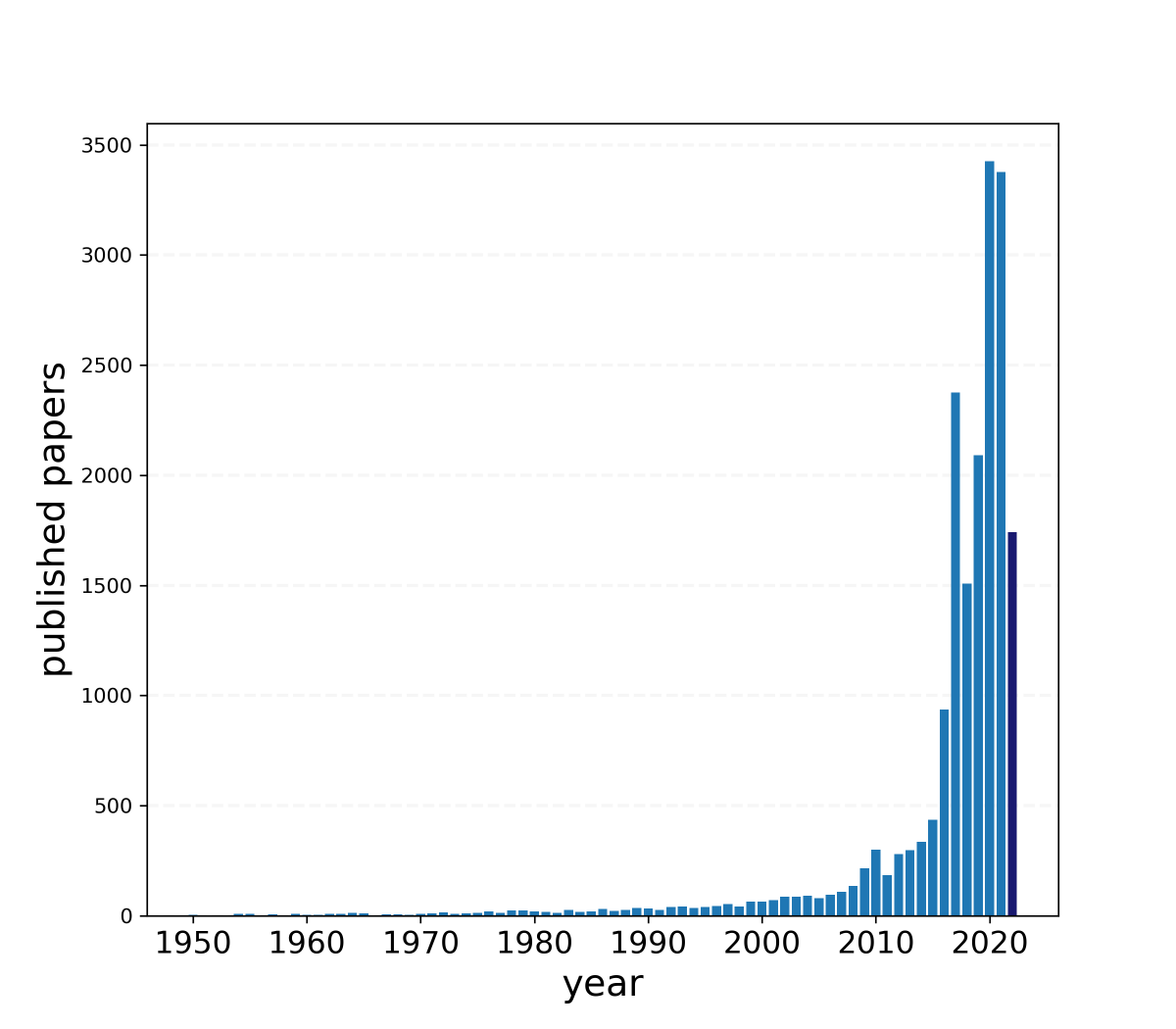
You don’t judge a paper by the size of its references section, but we listed almost 300 among the most influential papers in this *huge* field 😯
Check it out here 👇
https://t.co/Fj87EOXm07
and thanks to my amazing collaborators @giaruffo @anastasiaGiach and Paolo Rosso
🚨Latest out on @comp_science Review!
https://t.co/yhXc0hqbz4
Social media have become sadly familiar with fake news. Scientists too are working hard to understand, detect and develop solutions to the spread of misinformation, especially in the last 7 years
👇👇👇
Key points we covered: individual and social biases, the emergency of polarization and echo chambers, fact checking, disinformation spreading models, fake news detection (content-based, user-based, multimodal…), and then bots, trolls… a lot to chew!
6/
A new paper was published by Giancarlo Ruffo et al. from Italy.
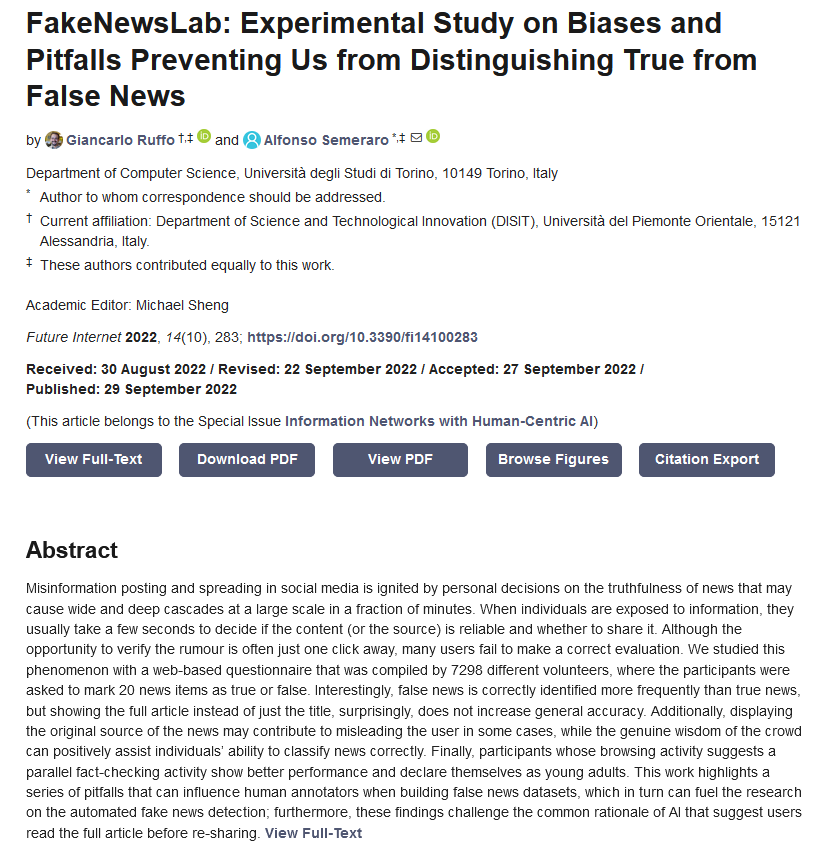
FakeNewsLab: Experimental Study on Biases and Pitfalls Preventing Us from Distinguishing True from False News
#fakenews
misinformation
#disinformation#socialmedia#socialinfluence
https://t.co/bAjx04NAs6
While scrolling through your social network's feed, you find a news article: it's false news, and you spot it immediately. How did you do?
@giaruffo and I explored what contextual clues may shape users' judgment of the credibility of online news. 👇🧵
https://t.co/zL9aQqZcj2
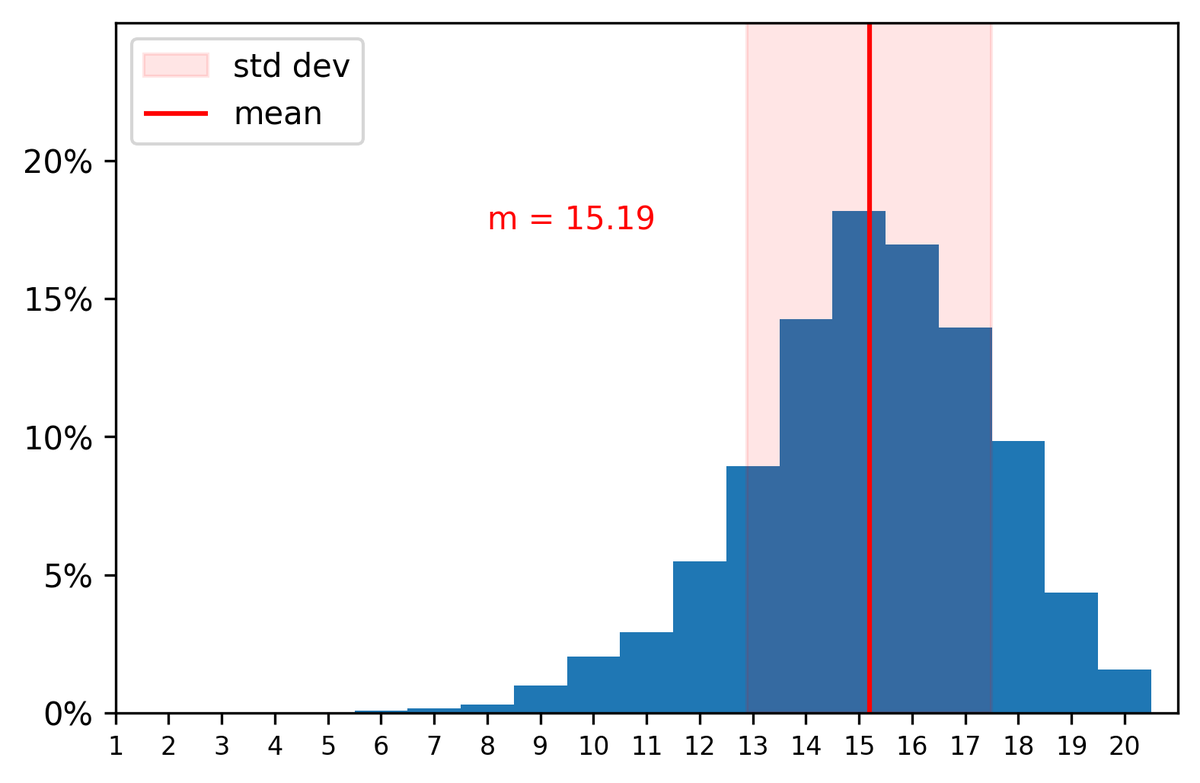
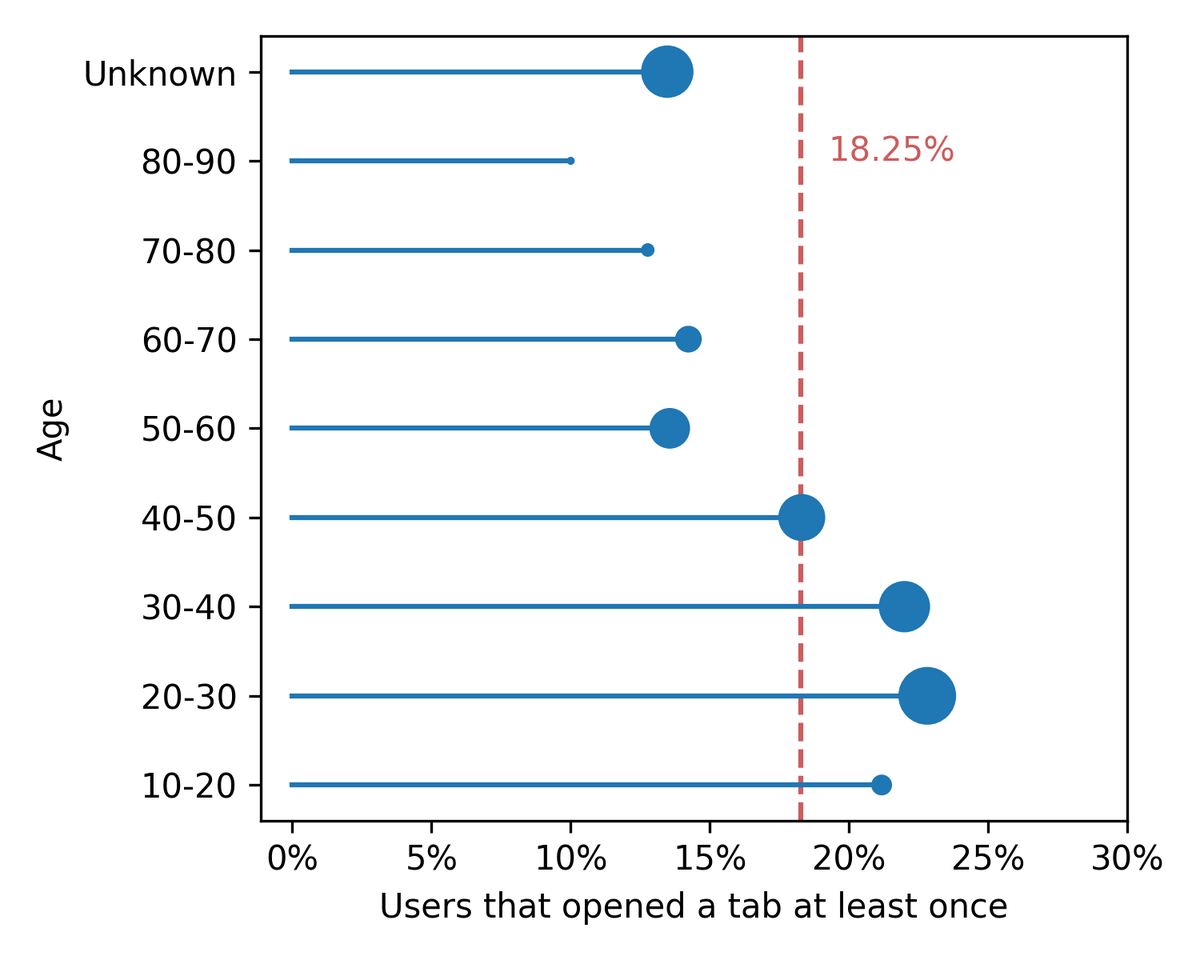
💎 At last a gem: we noticed that some people left the test, came back at it a while later, and finished it.
Did they "fact-checked" spontaneously? Judging by their performances it seems they did.
Guess who? Millennials and young adults definitely know how to use a computer...
Today at @netsci2022, in Poster Session II, we will present our poster on how #COVID-19 #vaccines were framed by alternative and mainstream news outlets in Italy.
Fantastic collaboration with @AlfonsoSemeraro@sal_vilella @giaruffo and myself, using #cognitive networks and #AI 👇