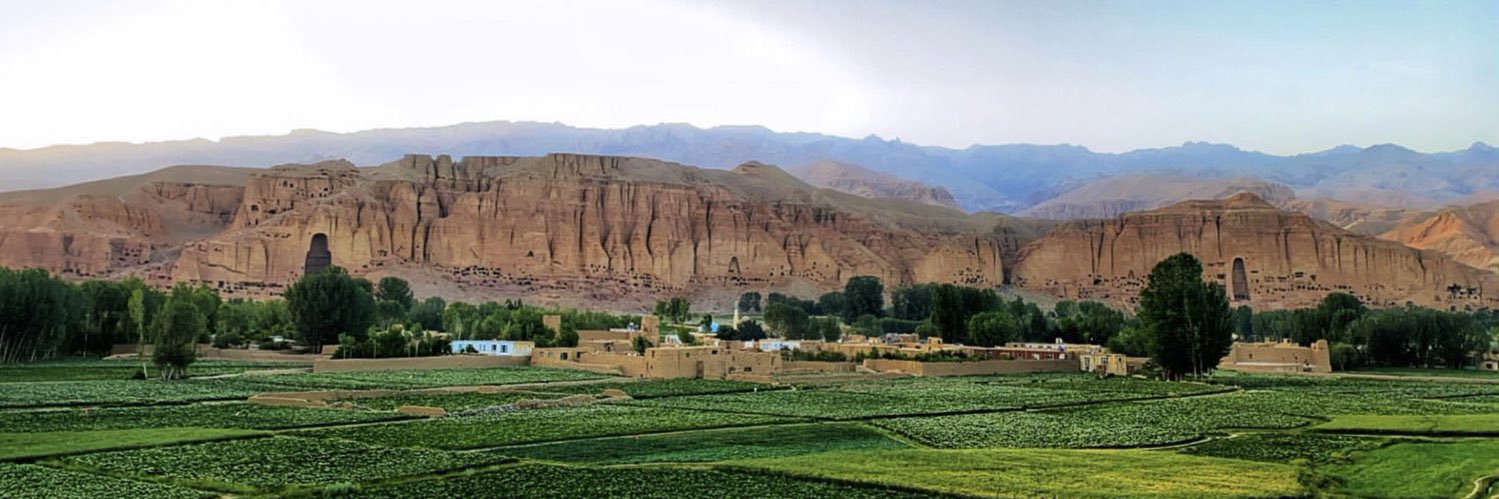
Dr Ibrahimi: #Orientalist tropes were used both before and after August 2021 to explain the rise of the Taliban, the failure of democratisation/modernisation, and the collapse of the former Republic in #Afghanistan. Especially, the term “graveyard of empires” suggested that..
“Afghanistan might seem safe now, there are not a lot of explosions, but it is a graveyard kind of security. The most peaceful place is the grave: there nobody protests,” says Dr Sima Samar. https://t.co/FLBAOhztJ8
It seems only the people of Afghanistan are aware of the country’s complete internet dis-connection .
The rest of the world yet to put out a statement to condemn and demand the Taliban to lift the ban.
There is now no way to report on Taliban’s crime
& continue their resistance but nor more.
where is the outrage and commendation.
The past four years intel community's disregard and silence has continued to embolden the Taliban.
#LifeUnderTaliban
Over the past four years, despite the silence of the intel community on the continued grave human rights violation in Afghanistan , with internet connection, women & girls & vulnerable communities and groups were able to shed light on abuses, human rights violation...
Over the past four years, despite the silence of the intel community on the continued grave human rights violation in Afghanistan , with internet connection, women & girls & vulnerable communities and groups were able to shed light on abuses, human rights violation...
The new generation of Afghanistanis must prepare for a serious, justice-oriented transformation—one grounded in both domestic capacities and cooperation with the international community and resistance groups. Historical experience has shown that certain jihadist and political leaders, while instrumental in critical historical moments, have over the past two decades contributed to the collapse of political management structures and the erosion of public trust. Furthermore, elements of fascism and overreach have turned political governance into a haven for tribalism and personal gain.
The movement ahead must transcend ideological divides and prioritize social justice, emphasizing modern leadership based on equality, pluralism, fair distribution of power, and provision of public services. A federal political system is central to this vision, ensuring accountable and decentralized governance while respecting the diversity of Afghanistan’s communities. Achieving these goals requires the collaboration of all capacities—civil society actors, resistance groups, and engaged citizens alike.
The previous generation, which bore the historical responsibility of resisting Soviet occupation, can provide guidance and share their experience. However, they should not constrain or monopolize the political space necessary for the new generation. It is now the responsibility of the youth to lead the historic transition toward a desired future, taking Afghanistan’s governance and political management beyond the confines of tribalism, familial power networks, and local mafias, toward a system that truly embodies justice, equality, and effective administration.
The situation for the Hazara’s is grim, the suffering multi layered in Afghanistan since the Taliban return.
The world must not look away, rather monitor and hold the perpetrators to account.
The situation of the Hazara people is far more dire than what is reported in the media. We have already endured extreme hunger and absolute poverty under the Taliban’s first regime — and their current policies are leading us down the same path again. #Hazara#Afghanistan
D slow but steady forced displacement and land confiscation continues by Taliban without being challenged.
Hazara community continues to face targeted killings, discrimination & persecution at the hands of Taliban.
International community & human rights organisations must stand
Hazara villagers forcibly evicted from ancestral lands in central Afghanistan. This is the story of Rashk Poshta-e-Gharghari, a village in Punjab district of Bamyan province, where residents were forced out of their homes.
Taliban have forcibly evicted an entire Hazara village in Bamiyan, siding with Pashtun nomads in a decades-old land dispute. 25 families displaced. Homes locked. Belongings dumped in the street. This is ethnic dispossession—systematic and militant-backed. https://t.co/lGUw0WF61l
جنبش روشنایی، «ز هضم هاضمههای حقیر بالا بود». فارغ از دم و دستگاه اشرف غنی، عبدالله عبدالله و کلیت ساختار طرد و تبعیض، حتا رهبران جنبش روشنایی و حلقه رهبریاش هم، آن حجم از ظرفیت و طراوت مدنی و قدرت نرمِ عظیمِ نهفته در متن آن را درک نکردند. هرچقدر از جنبش روشنایی و آن تابستان باشکوهِ دردناک فاصله میگیرم، بیشتر از پیش به این نتیجه میرسم که شورای عالی مردمی، به شمول خودم و پیشتر از همه خودم، برای رهبری آن جنبش عمیق و بزرگ، کممقدار و بیصلاحیت بودیم. محنت و زخمی که از جنبش روشنایی در من، و میلیونها مثل من، به یادگار ماند، شاید هرگز التیام نیابد. آنچه که احتمالا میتواند بخشی از این زخم را ترمیم کند، تمرکز و تلاش برای بازخوانی این جنبش و عبرتگرفتن و آموختن از رخدادهای آن است. من با نوشتن خاطراتم، روایت آنچه در جنبش روشنایی و جنبش تبسم گذشت و تصور این که توانستهام در بازبینی و ثبت مکتوب آن سهم بگیرم، سعی کردم التیام یابم. آدمی، بخصوص گروههایی چون جنبش روشنایی و جامعه پایه آن که در معرض حذف و انکارند، محکوم به عبور و التیام هستند - حتا از عمیقترین زخمها و فروپاشیها. و التیام و برخاستن دوباره از خاکستر، با بازبینی، آسیبشناسی و عبرتگرفتن امکانپذیر است. امیدوارم کوچهبازاریها و هر روایت دیگر در هر شکل و قالبی، خوانده شده و مورد تأمل قرار بگیرد. جنبش روشنایی، برای افغانستان غرق در جنگ، تبعیض، فساد، ناکارآمدی و فرهنگ دیرسال مطالبهگری و قلدری با میله تفنگ و توپ، یک چراغ راه بود. این چراغ فروزان، در ظهر خونین ۲ اسد، در قلب کابل به دار آویخته شد. روشنی و روشنایی قتلعام شد تا حکمرانی ظلمت و تاریکی قوام کند. یاد شریفترین و شجاعترین بچههای افغانستان، و پیشقراولان جنگ روشنی در برابر تاریکی گرامی باد.
Alarmed by spate of arrests of women&girls in Kabul #Afghanistan for dress code violations reminiscent of early 2024; reportedly more violent. Reflects persistent enforcement of Taliban's systematic gender persecution, causing great fear among Afghans. Urge support after release.
دهها خانواده در منطقه دره کشرو ولسوالی دولتیار ولایت غور، روز پنجشنبه، ۲۶ سرطان به دستور ملا احمدشاه دیندوست، والی پیشین طالبان در غور و فرمانده فعلی قول اردوی ۲۰۵ البدر، ناچار به ترک خانههای خود شدند.
یکی از ساکنان دولتیار گفت که نزدیک به ۶۰۰ خانواده در منطقه دره کشرو دستور دریافت کردهاند تا بهزودی خانههای خود را تخلیه کنند.
یکی دیگر از مردان ساکن این منطقه که خود را ۸۰ ساله معرفی کرد، گفت: «اجداد و پدران ما نسلاندرنسل در این روستا زندگی کردهاند و این ملکیت، ارثی و اجدادی ماست، اما حالا مجبور شدهایم طبق دستور ملا احمدشاه دیندوست خانههای خود را ترک کنیم.» او علاوه کرد که «ما فقط دامان خدا را داریم.»
ملا احمدشاه دیندوست که از ساکنان ولایت غور است، از سال ۲۰۲۱ تا سپتامبر ۲۰۲۴ به عنوان والی طالبان در این ولایت فعالیت داشت. او بارها متهم شده است که خانهها و زمینهای مردم را غصب کرده و از بازرگانان و سازمانهای بینالمللی امدادرسان اخاذی کرده است.
#ایندیپندنت_فارسی #افغانستان
The family of Uzbek activist Imdadulhaq Toral has called for his immediate release after he was detained by Taliban intelligence forces in Badakhshan province on Tuesday, May 13.
Speaking to Uzbek TV, Toral’s relatives said he has been held without charge for several days, and despite repeated attempts, they have received no explanation from Taliban officials regarding the reason for his arrest or his current condition.
Sources indicate that Toral was initially detained in the Argo district and later transferred to a Taliban intelligence facility in the provincial capital, Fayzabad.
His family stated they have not been permitted to visit him. Two days after his arrest, the Taliban allowed his father to see him briefly but reportedly forbade any conversation during the visit.
🚨 New article alert! Read @IbrahimiNiamat, @HadeelAbdlhamed, and @abbasfarasoo’s latest work to explore how the mechanisms of securitisation construct civil society as a security threat or an ally in Iraq and Afghanistan.
🔓 Available open access: https://t.co/4dmWqdPXev
Last week in #Afghanistan de facto authorities publicly flogged at least 63 males & 4 females. These gross punishments that violate int'l law have increased massively in 2025 & must stop. A stark reminder that Taliban must not be normalized and no Afghans abroad forcibly returned
فارسی، زبان مردم افغانستان است؛ نه زبان یک قوم خاص. نگریستن به جایگاه این زبان از دریچه تنگ ناسیونالیسم قومی، نه تنها نادرست، بلکه مایه تأسف است. کسانی که در خیال خام و پوچ قومیسازی زبان اسیر مانده و با تنگنظری به تلاش برای انحصار آن بر میخیزند، در حقیقت هیچ نسبتی معناداری با ریشههای زبان فارسی ندارند. چگونه میتوان میان این افراد و بزرگان فرهنگ و اندیشه زبان فارسی چون مولانا، سنایی، عطار، رابعه بلخی، ناصر خسرو و دیگران پیوندی یافت؟ هیچ.
فارسی، زبان کسانی است که در آن میاندیشند، سخن میگویند، مینویسند، قصه میگویند، رؤیا میبافند، تخیل میکنند و زندگی میکنند. فارسی هرگز به قوم خاصی تعلق نداشته است و ادعای انحصار آن، چیزی جز سستی و مضحکه نیست.
اگر مولانا، سنایی، عطار و دیگر دانشمندان زبان فارسی، زنده شوند و این جدلهای تنگنظرانه و موهوم درباره زبان فارسی را ببینند، از اندوه سکته خواهند کرد.
فارسی در افغانستان همیشه زبانی فراگیر و فراملیتی بوده است. شاهان پشتون، همین زبان را برای اداره دیوان و حکمرانی برگزیدند. فرمانروایان ترکتبار با زبان فارسی فرمان راندند و دیوانهای ادبی فارسی را شکوفا کردند. شاعران و اندیشمندان ازبیک، ترکمن، ایماق، بلوچ، نورستانی و دیگر اقوام با فارسی شعر گفتند، اندیشیدند و زندگی کردند. این زبان، پلی است میان گروهها و اقوام گوناگون در افغانستان، نه دیواری برای جدایی.
یادداشت: ویدیو، تکهای از مصاحبه توماس بارفیلد، مردم شناس امریکایی است.