It was great to present on @T4CIP_ today with @Alice__Burgess during the #SAVIR2024 conference. Love mentoring the next generation of injury prevention advocates!
Pediatricians & their communities should advocate for state-level policies and regulations that protect kids from these increasingly prevalent toxic ingestions —such as the Poison Prevention Packaging Act. #SafeEdiblesStorage@T4CIP_
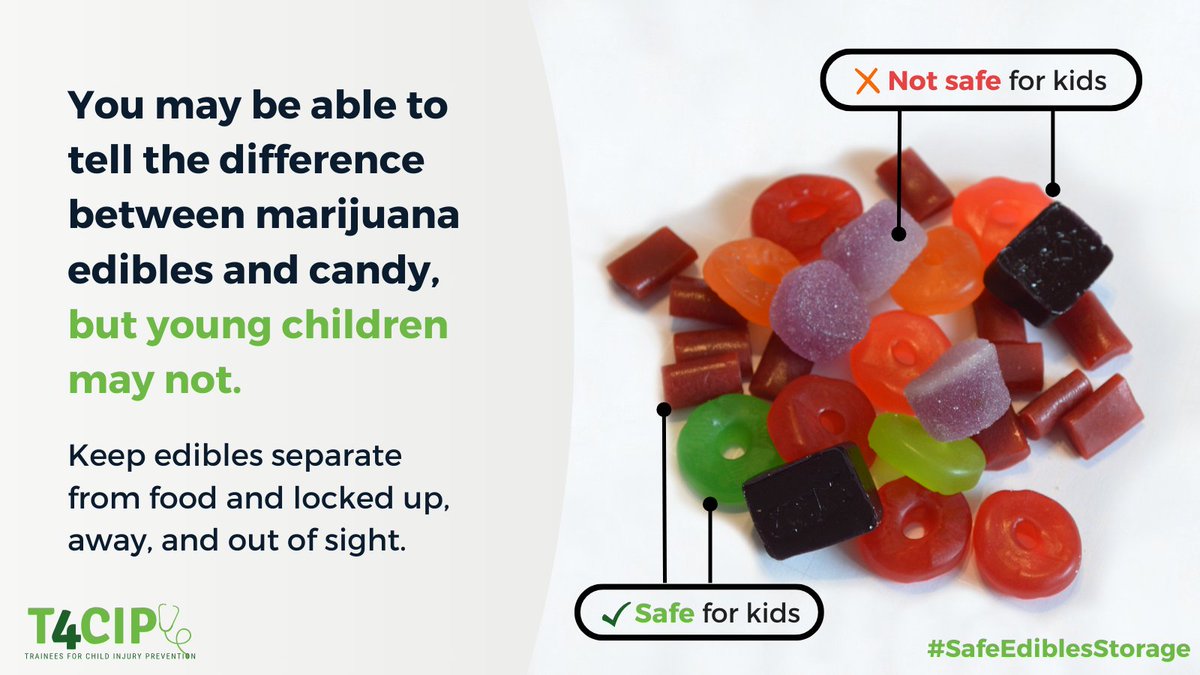
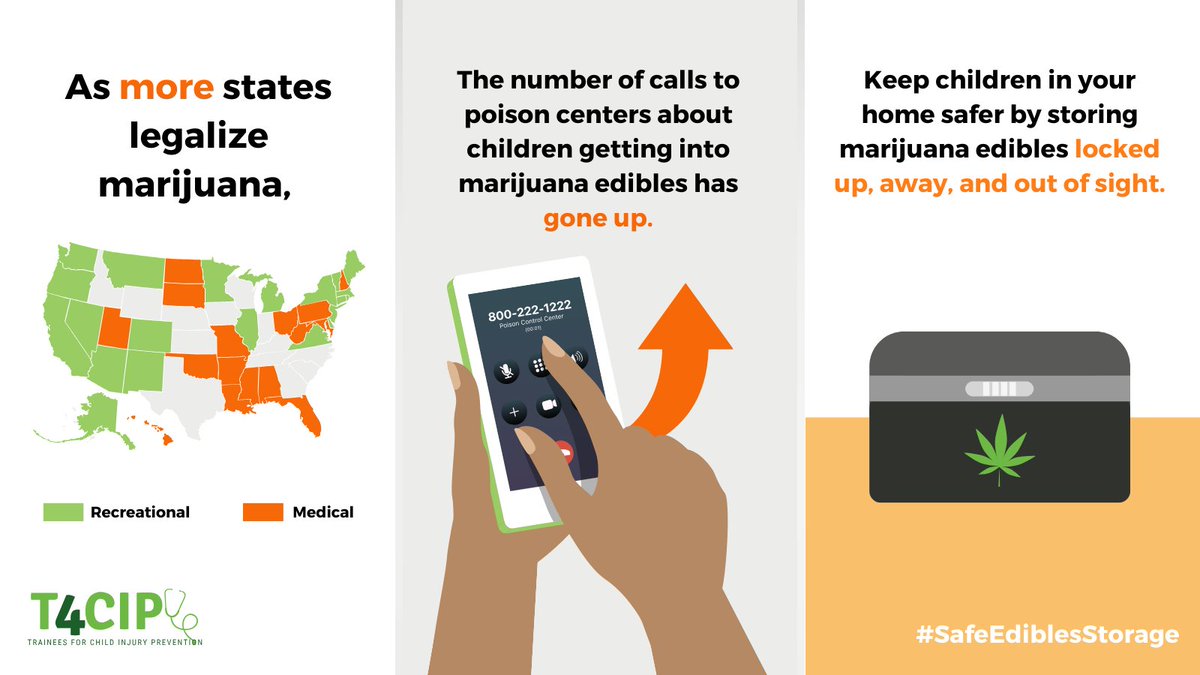
Families can take simple steps to keep their kids safe from accidental toxic ingestions. Keep edibles separate and secure. Treat marijuana edibles like medications: locked, out of reach, and out of sight. #SafeEdiblesStorage@T4CIP_
Young children react differently to marijuana adults than adults. Signs and symptoms of marijuana consumption in children can include sleepiness, confusion, seizures, difficulty breathing, and vomiting. #SafeEdiblesStorage@T4CIP_
As cannabis becomes more available to the public, poison control centers have reported worrisome increases in unintentional marijuana ingestions. From 2014-2019, there was a 5x increase in annual reported cases of THC intoxication involving kids <6. #SafeEdiblesStorage@T4CIP_
Agreed! And with maximum dose per package, intuitive serving sizes, minimum purchase age, and unit dose packaging among other measures! #SafeEdiblesStorage#T4CIP_
@T4CIP_ Pediatricians & researchers are joining together to raise awareness about this public health issue. Protect kids by supporting state policies that require that THC products are displayed away from candy/snacks, in child-resistant & clearly-labeled packaging. #SafeEdiblesStorage
@T4CIP_ This study identified the ingested dose of THC in cannabis edibles that can lead to severe & prolonged symptoms in children <6. Of note, this was due to Colorado state regulations, mandating that accurate doses are printed on recreational THC product labels. #SafeEdiblesStorage
@T4CIP_ Clinicians should have THC ingestion on their differential for children presenting with seizures, cardiorespiratory compromise, or sedation. It’s also crucial for pediatricians to counsel caregivers on these symptoms — and why they must “store their stash.” #SafeEdiblesStorage
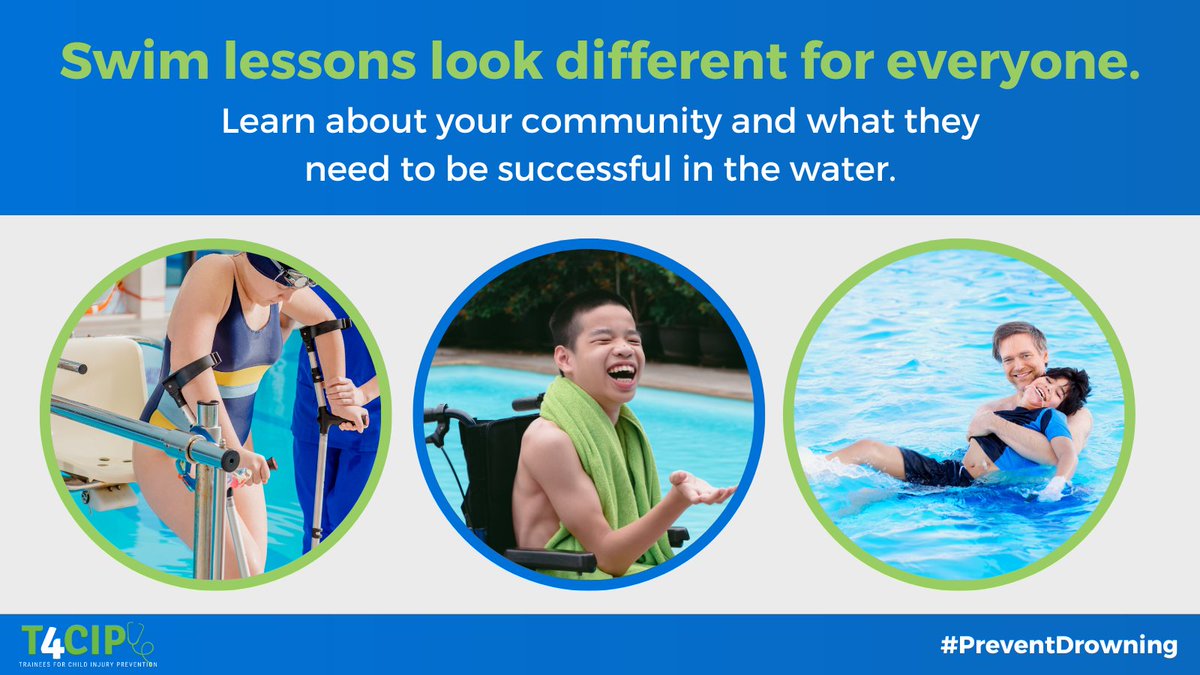
Kids with disabilities like Autism and Down Syndrome are at a significantly higher risk for both fatal and non-fatal drowning. Families & pediatricians across the US are advocating for accessible, affordable swimming lessons — including adaptive lessons.🌊 #PreventDrowning
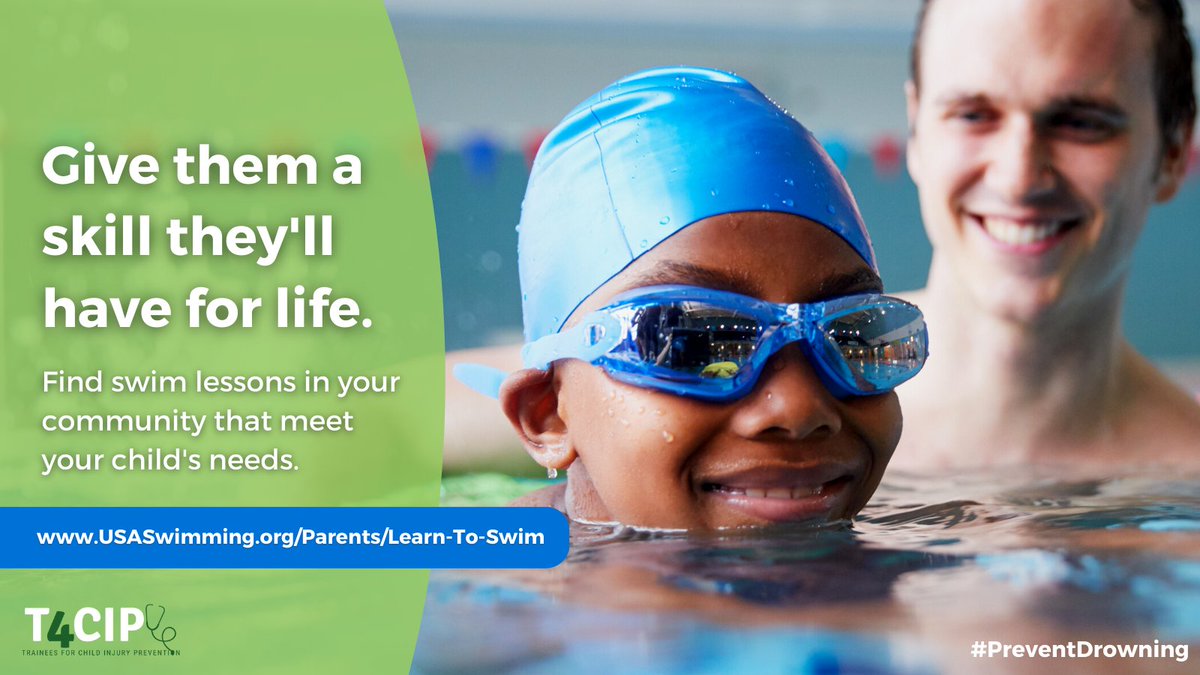
When counseling families how to #PreventDrowning, keep in mind kids' ages/developmental milestones, the time of year, and available community resources! 🏊🏽♀️Swimming lessons are now recommended by the @AmerAcadPeds for all kids over 1 year old. @T4CIP_
Some kids have a higher risk of drowning than others. ~75% of childhood drowning victims are boys. Kids ages 1-4 have the highest rate of drowning, followed by adolescents. And drowning rates are highest among Black, American Indian, and Alaska Native children. #PreventDrowning
Drowning is the #1 cause of injury-related death in children ages 1-4. Around 11 fatal and 22 non-fatal drownings occur every single day in the USA. @T4CIP_#PreventDrowning
This morning, @ashleyh0llo and I spread the word to our awesome co-residents during morning report. We're about to begin our lifejacket giveaway in the lobby of @ChildrensColo! Stop by to learn more about the Day of Action & how we can all play a role to help #PreventDrowning 🌊
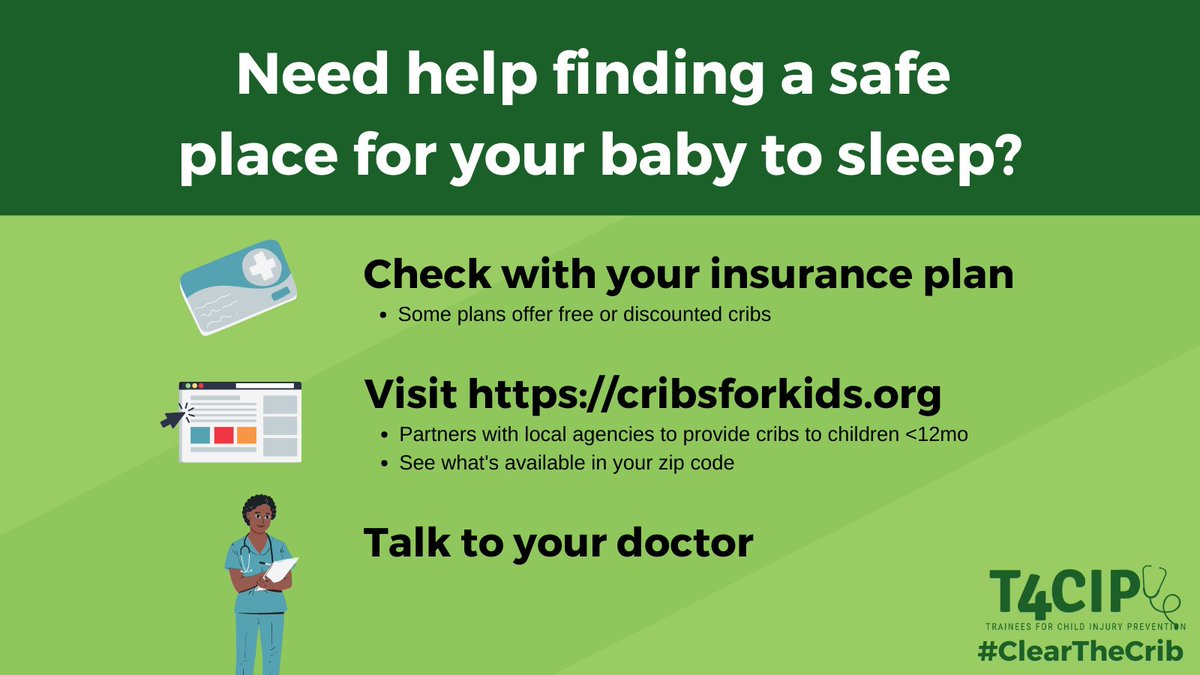
For more information on safe sleep, please check out the excellent resources available from @CribsForKids! Ask your pediatrician about other local resources & crib donations available in your area. @CIRPatNCH#ClearTheCrib
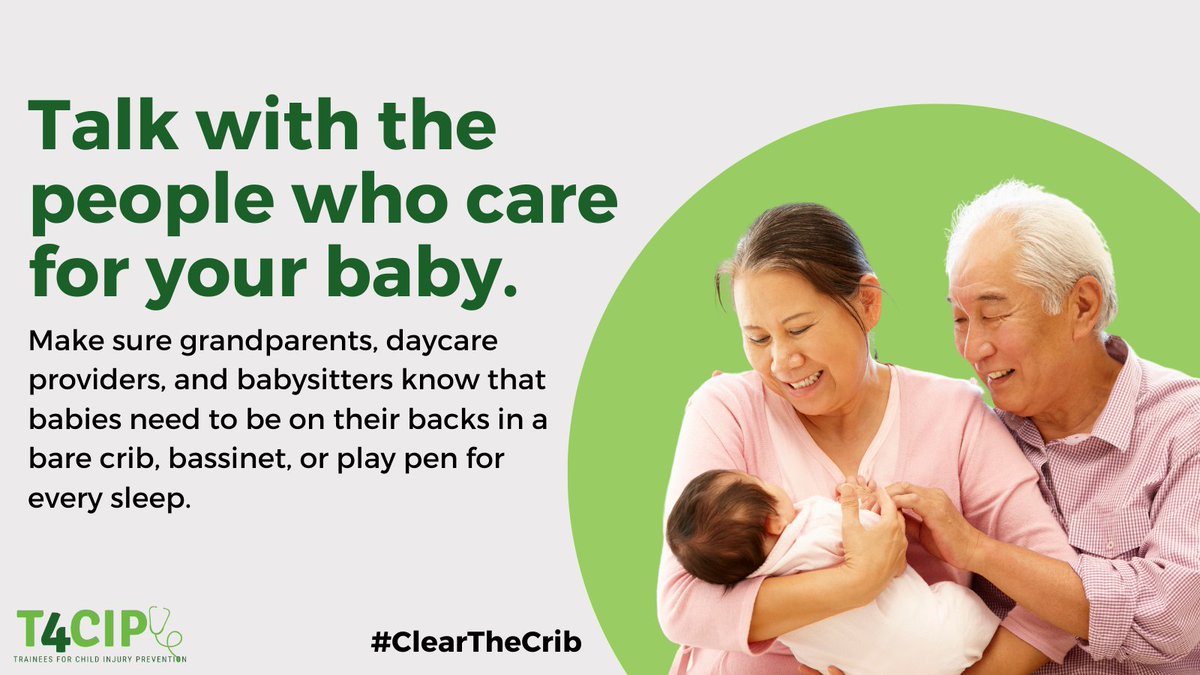
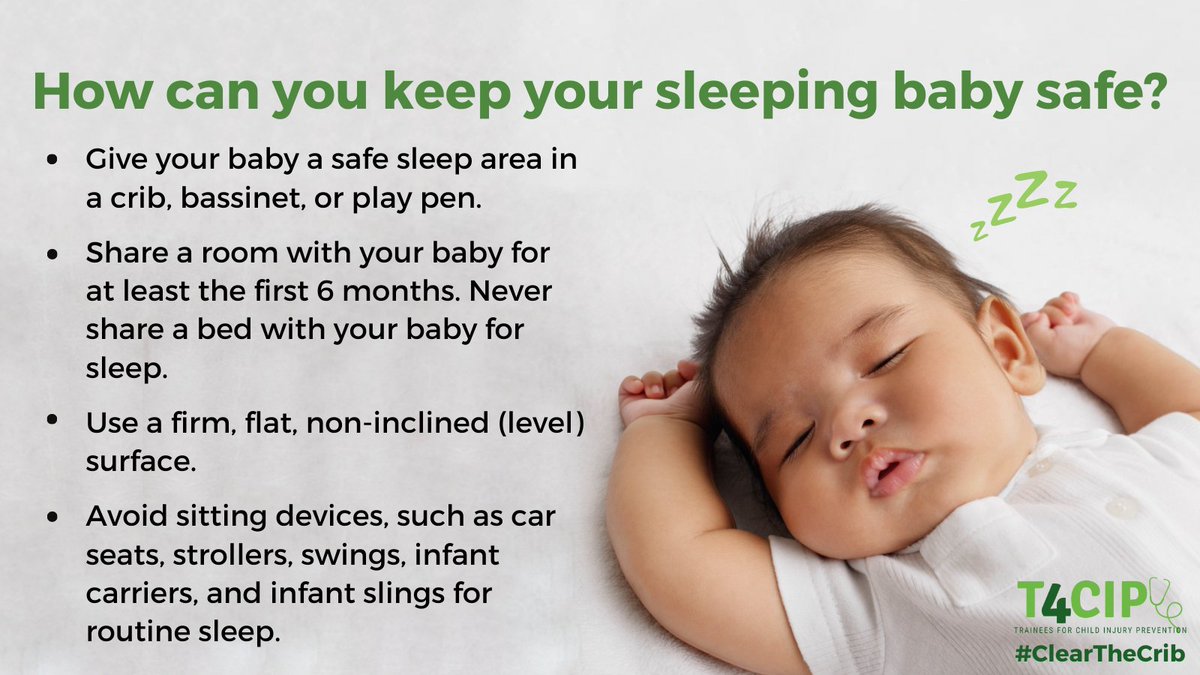
It’s important to educate parents about the “ABC’s” of safe sleep (babies should be Alone, on their Back, in a Crib); and in turn, encourage them to spread the word to their infants’ additional caregivers! @CIRPatNCH#ClearTheCrib
The good news is that infant sleep-related deaths are preventable. Making simple changes to babies’ sleep environments can reduce risk of SIDS dramatically. @CIRPatNCH#ClearTheCrib
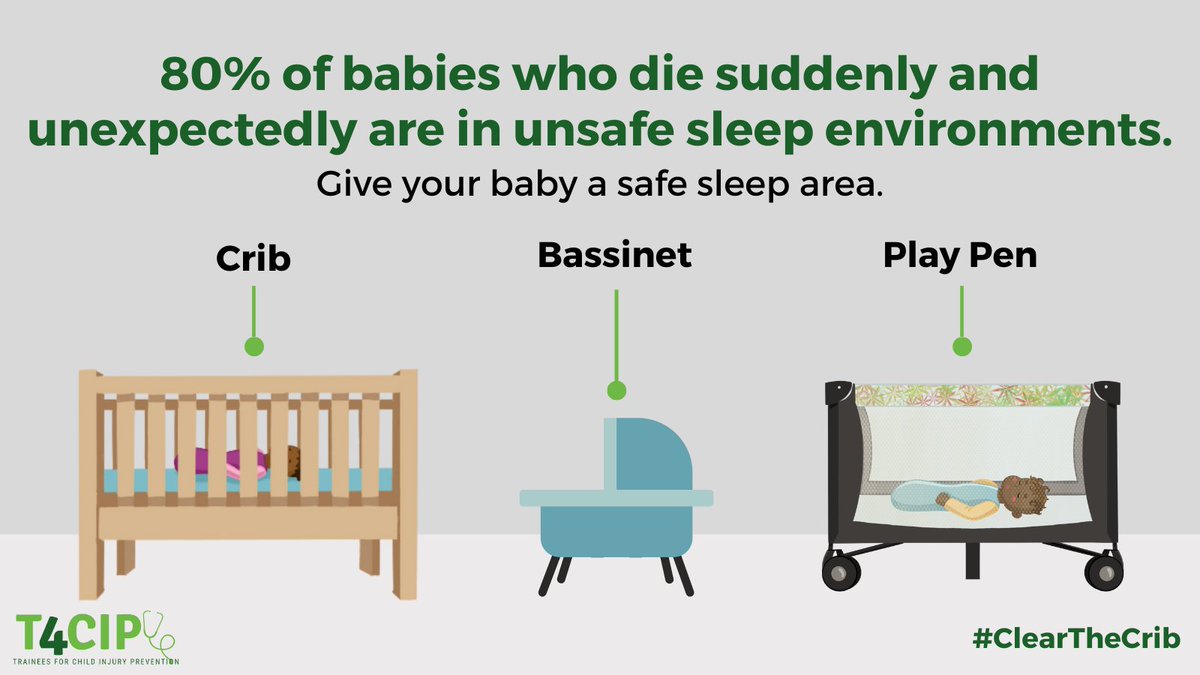
SIDS is the leading cause of death for infants between 1 month and 1 year of age in the U.S. Since the mid-1990's, nearly 4,000 babies have died every year in their sleep. Most of these deaths have been related to unsafe sleep environments. @CIRPatNCH#ClearTheCrib