The best partnerships often begin with a simple question, “What can we build together?”
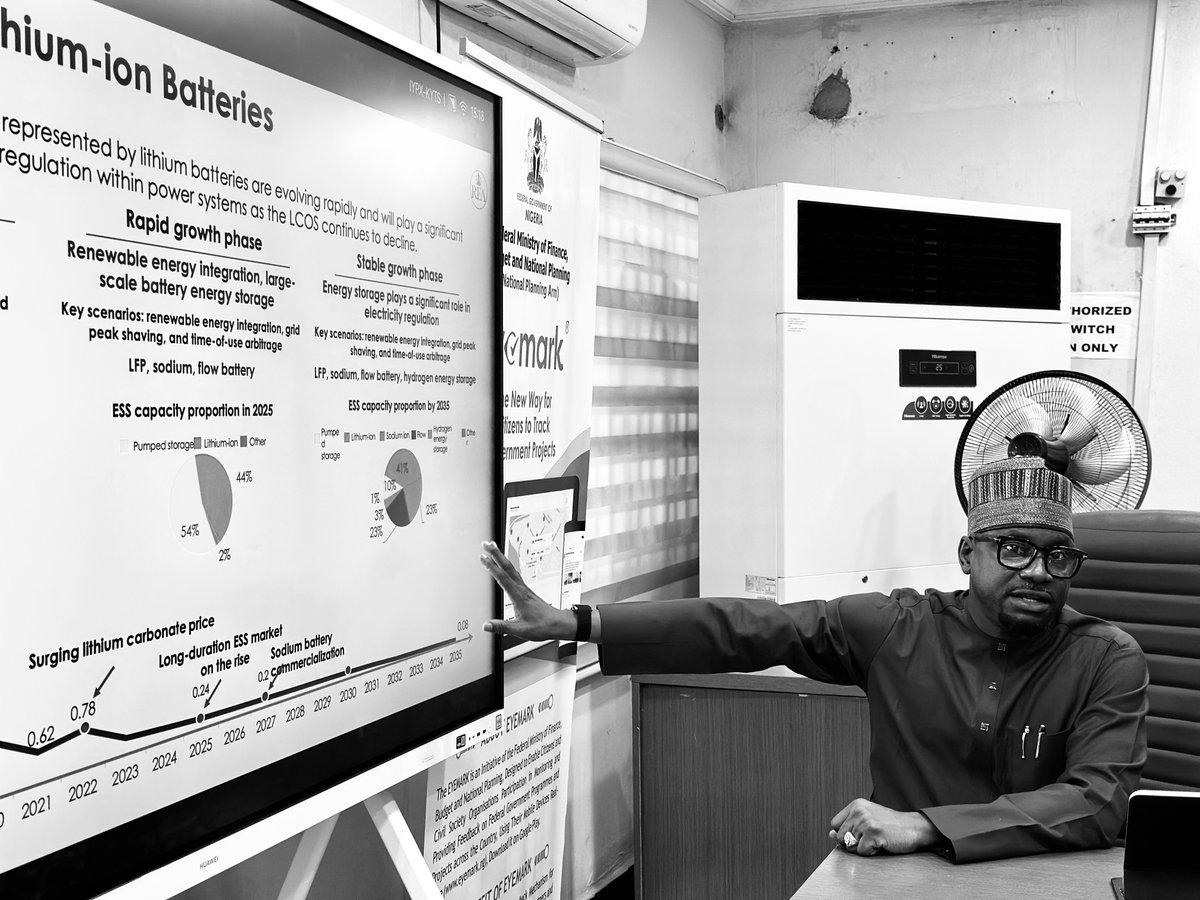
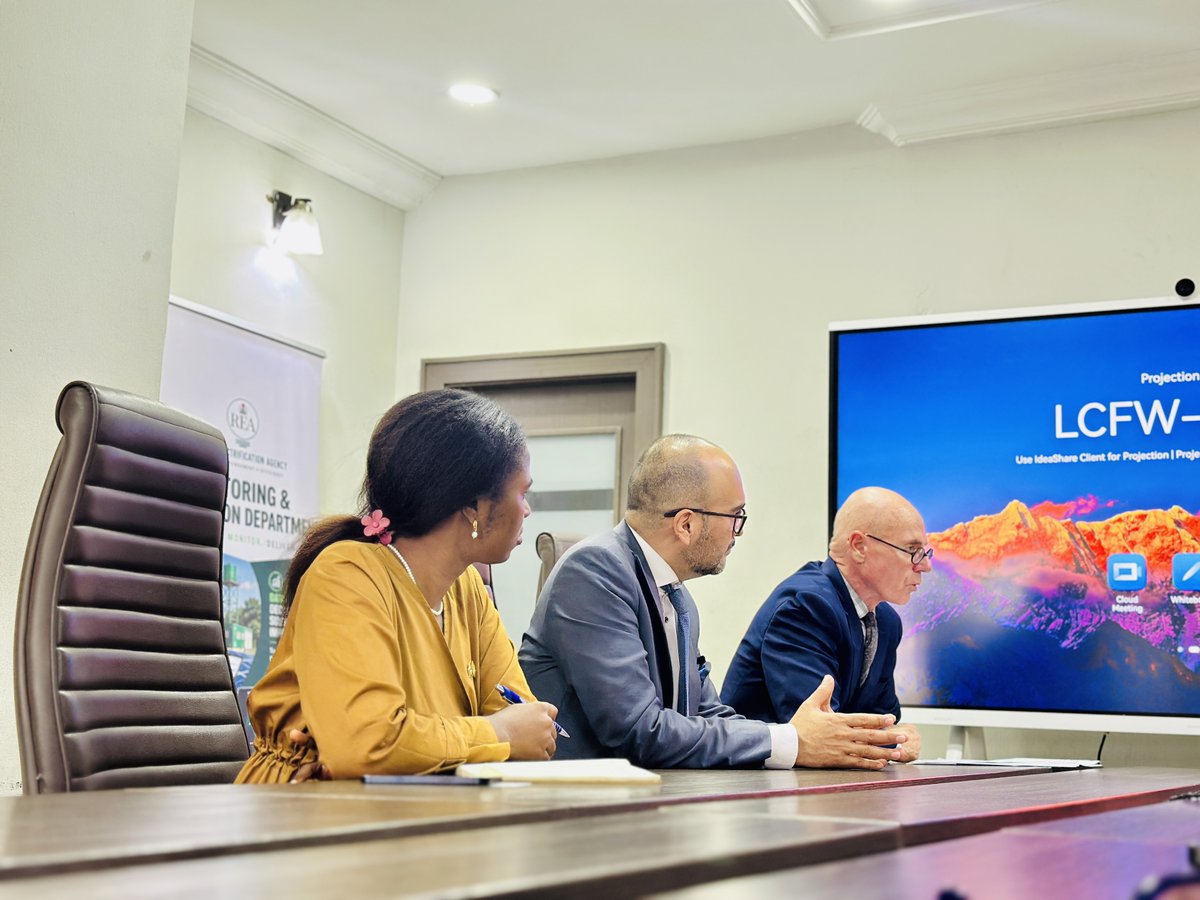
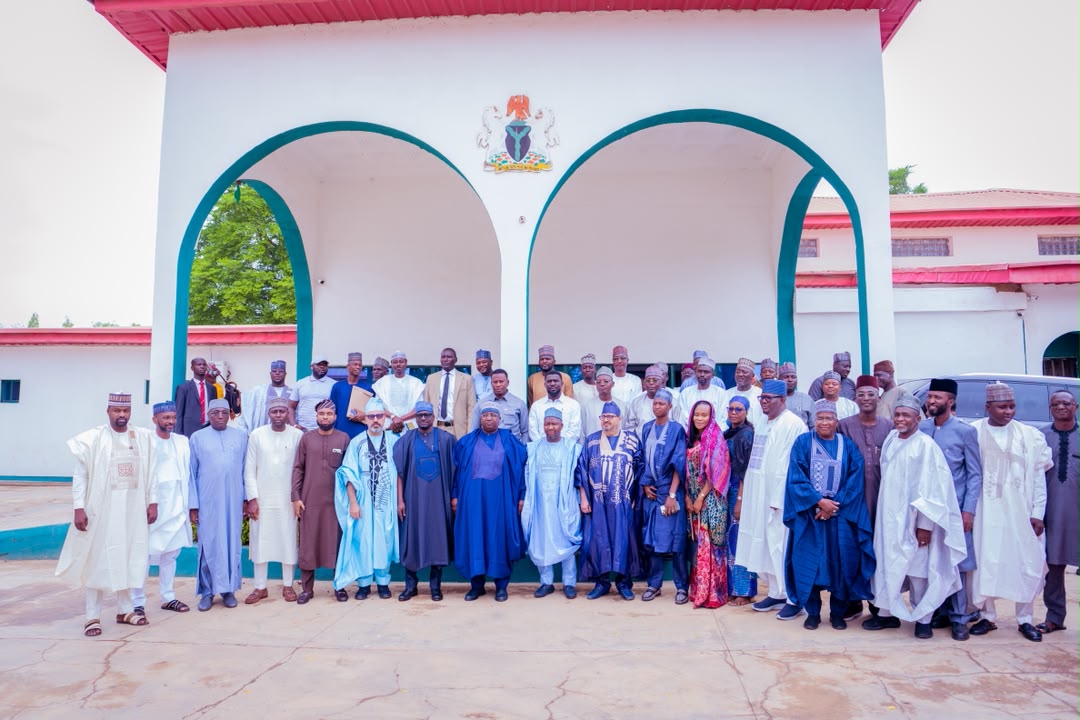
That was the spirit of my meeting with Mr. David Sproule, Acting High Commissioner of Canada to Nigeria, as we explored how Canada and the Rural Electrification Agency can deepen collaboration in expanding sustainable energy access across Nigeria.
Our conversation went far beyond electrification projects. We spoke about the entire ecosystem required to accelerate universal energy access, from strengthening data driven planning and unlocking financing through Canadian financial institutions, to welcoming more Canadian renewable energy developers into Nigeria's growing RESCO ecosystem.
We also discussed opportunities to strengthen local manufacturing and expand technical capacity by partnering with Canadian renewable energy training institutions. As our sector continues to grow, investing in people, technology, and local industry will be just as important as investing in infrastructure.
For me, the conversation about energy has never ended with access. The more important conversation is what reliable electricity allows communities to achieve once they have it.
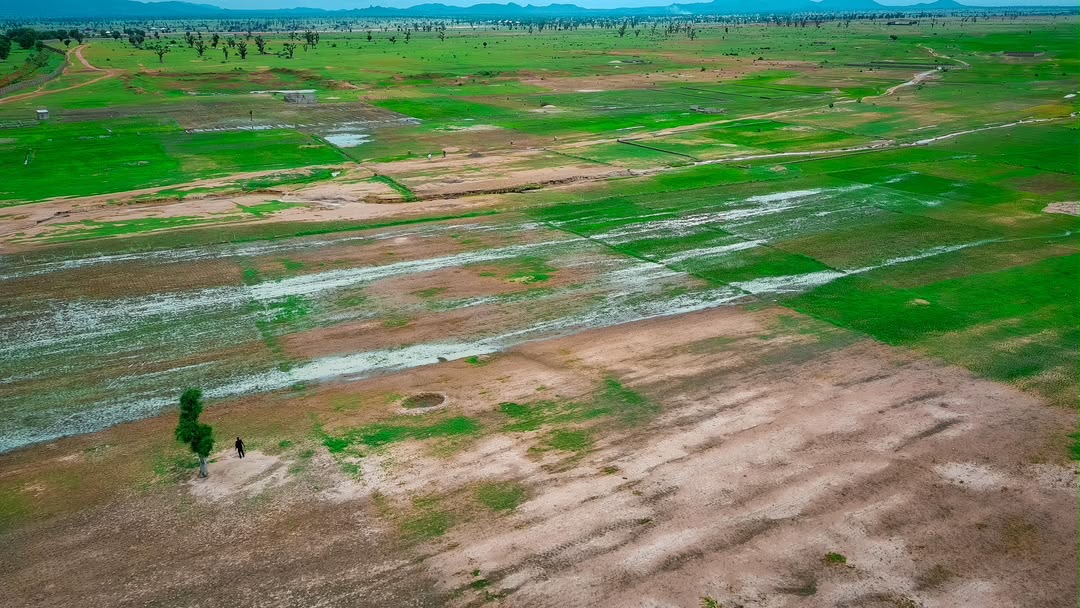
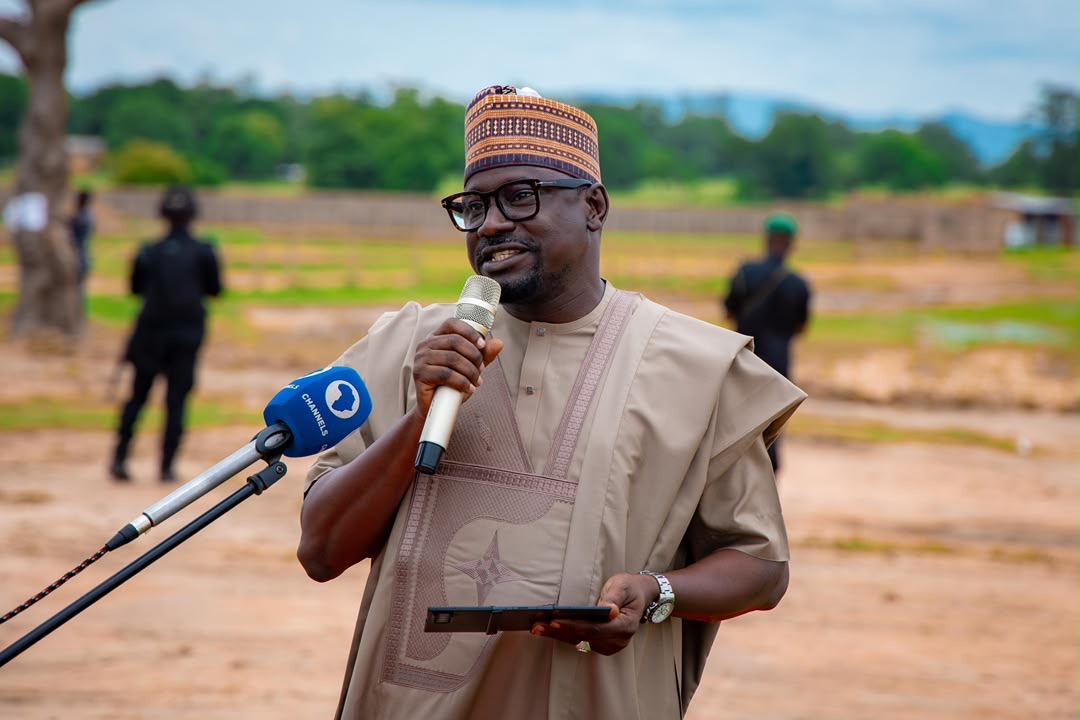
The solar powered wheat flour mill in Gezawa, Kano State is a good example of that. It demonstrates how reliable, clean energy can strengthen agricultural processing, helping businesses operate more efficiently while supporting the people and communities that depend on them.
Wheat flour is an essential part of everyday life in Nigeria. As demand continues to grow, improving how we process agricultural produce is just as important as increasing how much we cultivate.
Reliable and affordable electricity allows small and medium scale processors to reduce operating costs, minimise post harvest losses, improve product quality, and expand production with greater confidence.
That is why Productive Use Equipment (PUE) remains such an important part of our work at the Rural Electrification Agency. Through our partnership with the African Development Bank (AfDB) and Saliore Sandsz, we are demonstrating that renewable energy can do much more than provide access to electricity, it can strengthen agricultural value chains, support rural industrialization, and create sustainable economic opportunities.
What encourages me most is the ripple effect. Beyond the factory floor, these investments create jobs for women and young people, stimulate local businesses, and keep more value within the communities where agricultural products are grown.
For us, this is what rural electrification has always been about. Not simply delivering power, but powering productivity, enterprise, and shared prosperity.
The work continues.
@TheREANigeria@AfDB_Group@AfDB_Nigeria
#ProductiveUse #Agriculture #EnergyAccess #RenewableEnergy #FoodSecurity #RuralDevelopment #PoweringNigeria #abbaaliyu
One of the things I find most exciting about this work is seeing sectors that once operated independently begin to work together towards a common goal.
For years, we have spoken about electricity access and digital connectivity as separate conversations. The reality is that they are deeply connected. A connected community needs reliable power, and reliable power creates the foundation for digital inclusion, economic growth, education, healthcare, and enterprise.
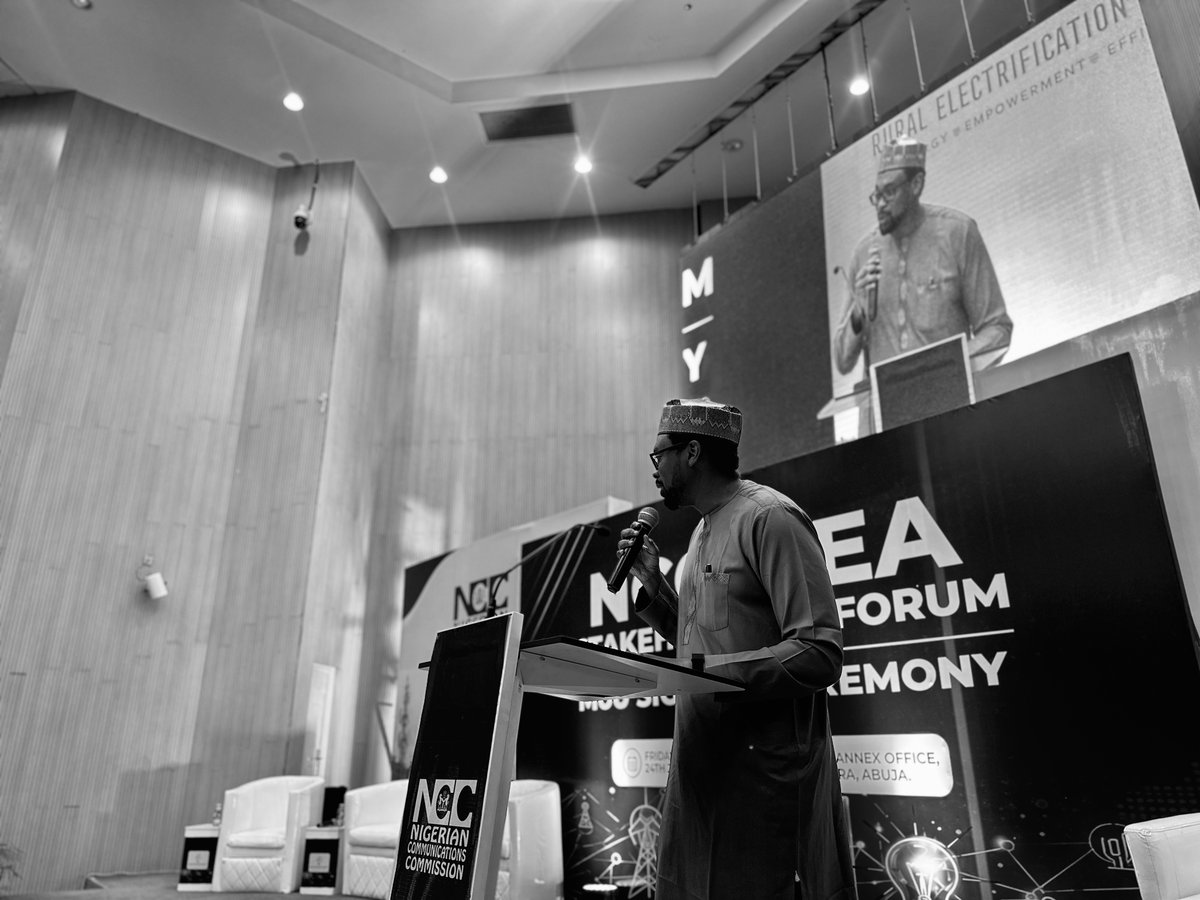
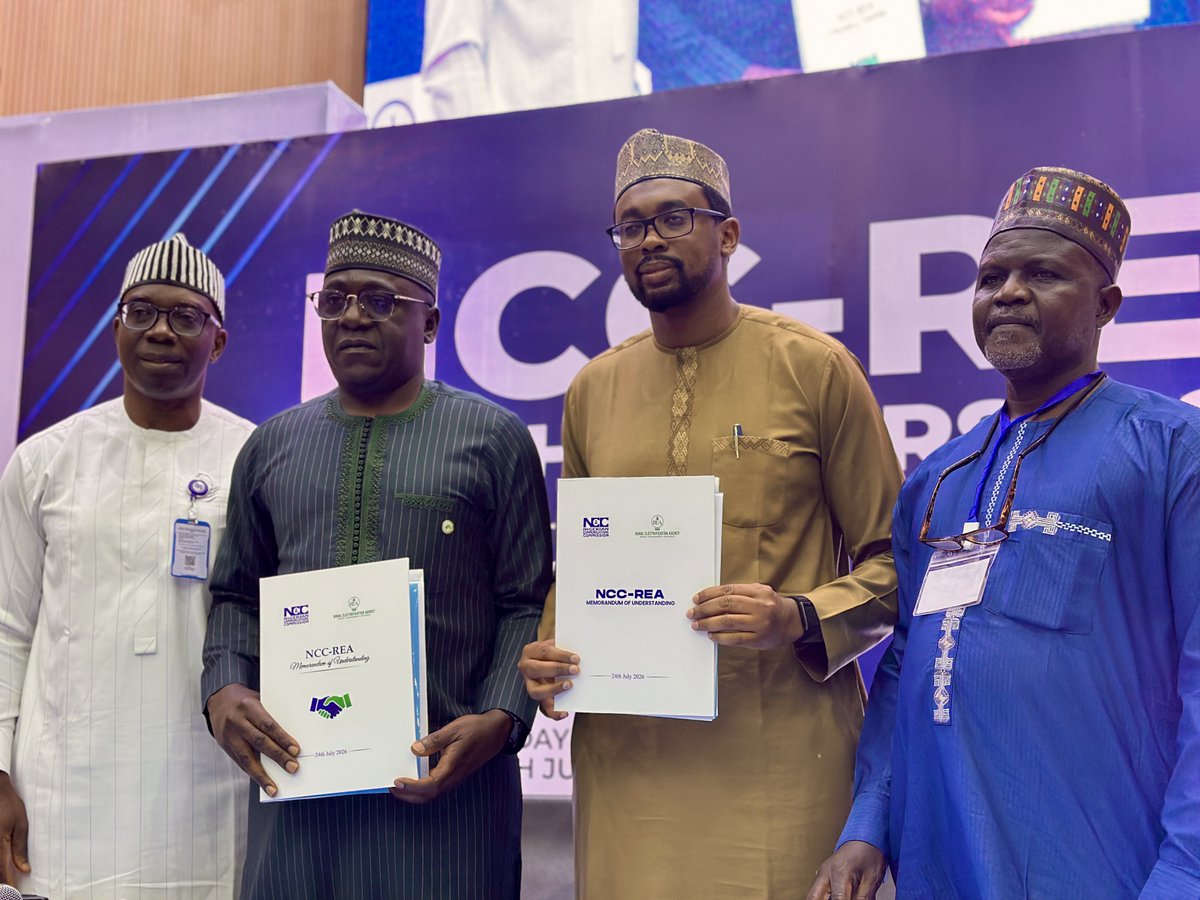
I am delighted that the Rural Electrification Agency, represented by our Executive Director, Technical Services, formalised this important partnership with the Nigerian Communications Commission (NCC) through the signing of a MOU at the NCC–REA Stakeholder Workshop.
This collaboration is about much more than infrastructure. By combining REA's geospatial planning capabilities with the NCC's connectivity programmes, we can make smarter, data-driven decisions, deploy shared infrastructure more efficiently, reduce costs, and extend both electricity and broadband to communities that need them most.
I have often said that the future of development lies in collaboration, not silos. When public institutions align their strengths, the impact extends far beyond what either could achieve alone.
My appreciation goes to the leadership of the Nigerian Communications Commission, our ED, Technical Services, industry stakeholders, development partners, and everyone committed to building a Nigeria where clean energy and digital connectivity advance together under the Renewed Hope Agenda of President Bola Ahmed Tinubu.
The work continues.
#EnergyAccess #DigitalInfrastructure #Broadband #RenewableEnergy #RenewedHopeAgenda #REA #abbaaliyu
📺 Did you miss the recent episode of @NTANewsNow One on One with Abba Aliyu, the MD/CEO of Rural Electrification Agency? Click here https://t.co/hfYxL0TWHO to watch as he gives a holistic assessment of the nexus between energy access and agricultural productivity, the value of data-driven project implementation, the social science of sustainability and the impact of the ongoing Distributed Access through Renewable Energy Scale-up (DARES) programme.
If there's one conversation I'll happily have over and over again, it's about electricity access in Nigeria.
I genuinely enjoy talking about the work we're doing at the Rural Electrification Agency @TheREANigeria because it isn't built on promises, it is backed by data, measurable impact, and real communities whose lives are changing through reliable electricity.
I'm grateful for the opportunity to share that story during my interview on @NTANewsNow and, more importantly, to highlight the progress being made under the Renewed Hope Agenda of President Bola Ahmed Tinubu @officialABAT . There is still much to do, but every conversation is another opportunity to show Nigerians that purposeful public service can deliver meaningful results.
The work continues.
@RenewedHopeUK
#RenewedHopeAgenda #EnergyAccess #REA #abbaaliyu
People often ask how we decide where the next REA project goes. The answer is actually quite simple, we let the data lead us.
Behind every mini-grid, every solar project, and every electrified community is months of planning, mapping, analysis, and asking the right questions. Where is the need greatest? Where can electricity unlock the most economic opportunity? How do we make every Naira of public funding go further?
Those are the conversations that excite me because they remind me that electrification is no longer just about building infrastructure. It is about making smarter decisions.
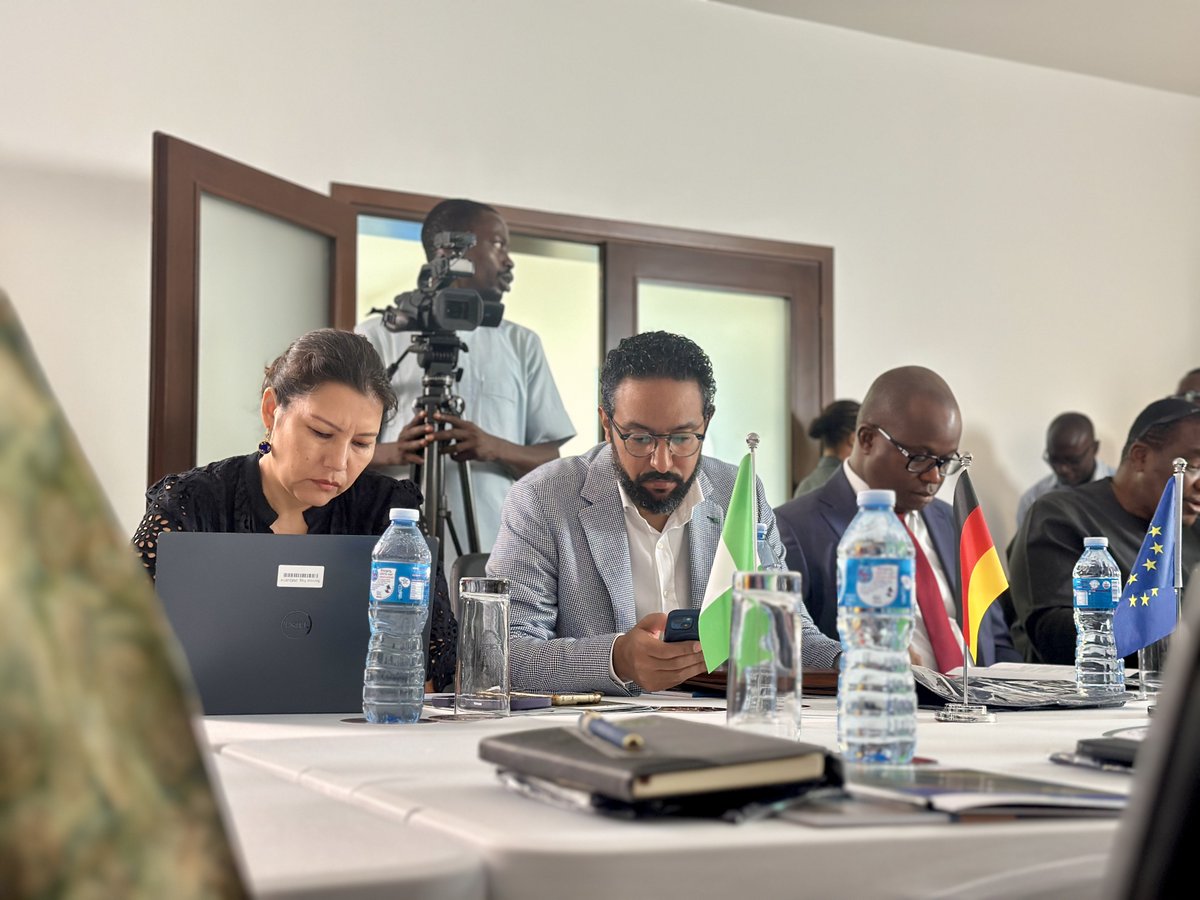
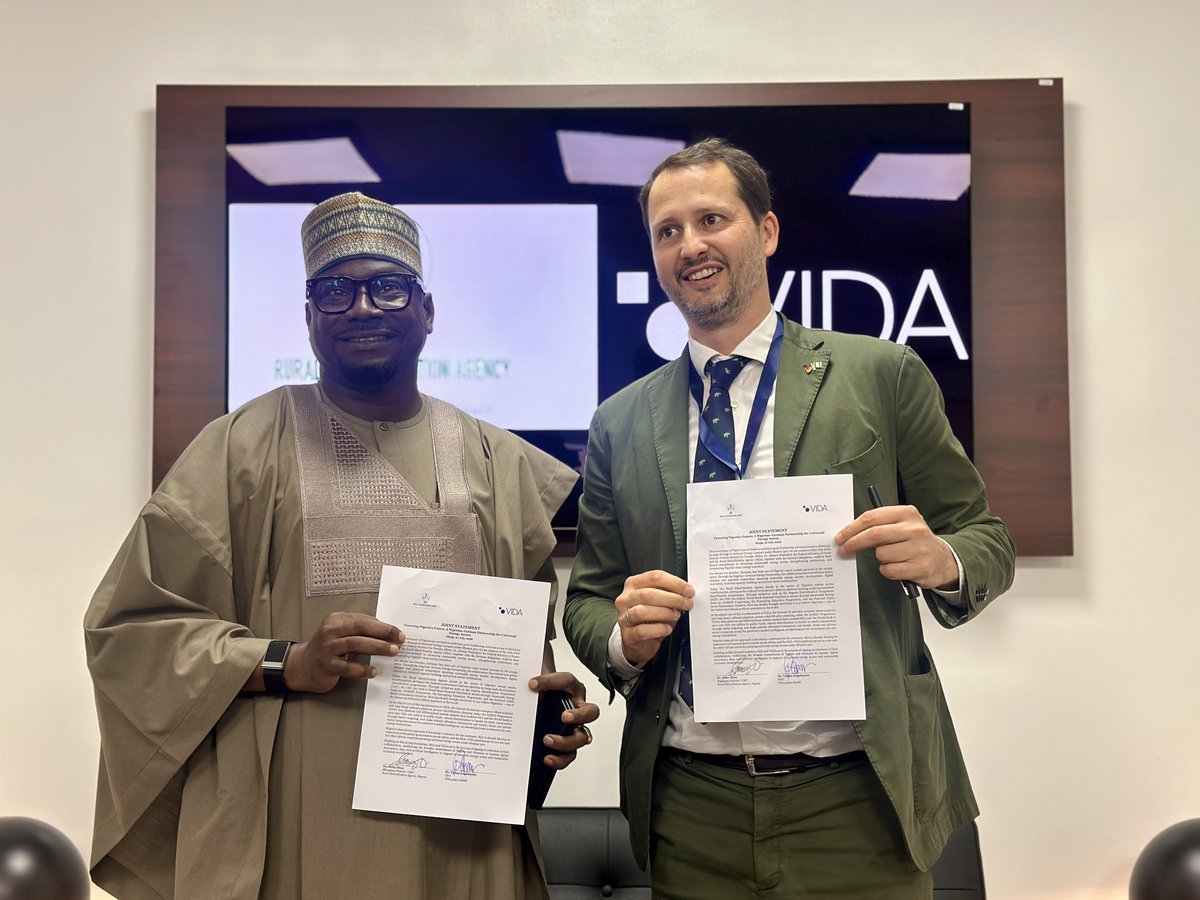
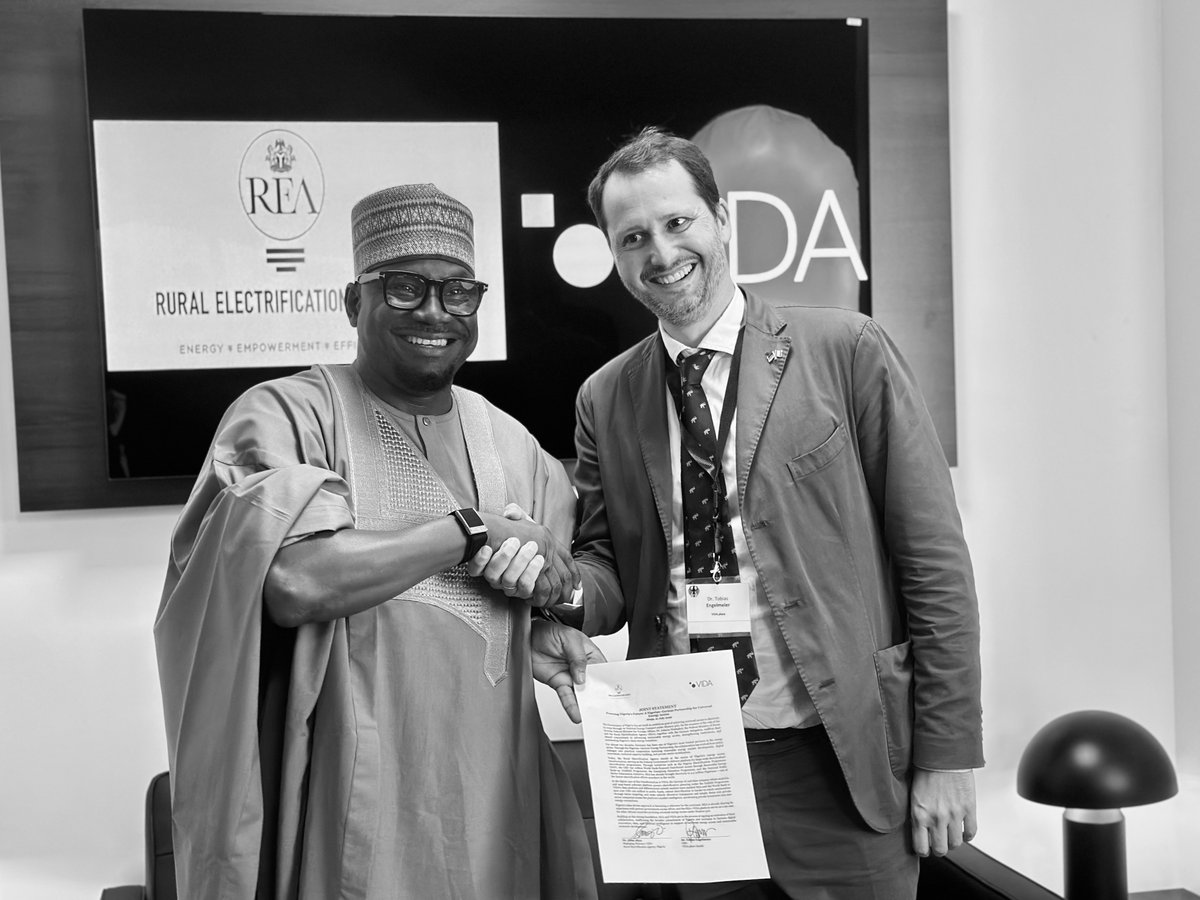
That is why I was delighted to participate in the "Powering Nigeria's Future: A Nigerian-German Partnership for Universal Energy Access" roundtable and witness the renewal of our collaboration with VIDA. Together, we are strengthening the way REA plans and delivers projects across Nigeria using geospatial intelligence, data analytics, and digital tools that help us reach more communities with greater precision.
One of the things I am particularly proud of is that this approach has not only improved transparency and planning, but has also helped save over US$100 million in public funds while giving private sector developers the confidence to invest where it matters most.
For me, this is what innovation in public service should look like, not technology for its own sake, but technology that helps us connect more Nigerians to reliable electricity, faster and more efficiently.
My appreciation to the Federal Ministry of Power, the Government of Germany, VIDA, the World Bank, and all our partners for continuing to believe in what we are building together.
The work continues.
#Mission300 #EnergyAccess #DigitalInnovation #RenewableEnergy #REA #abbaaliyu
Every groundbreaking is a reminder that real progress begins with partnership.
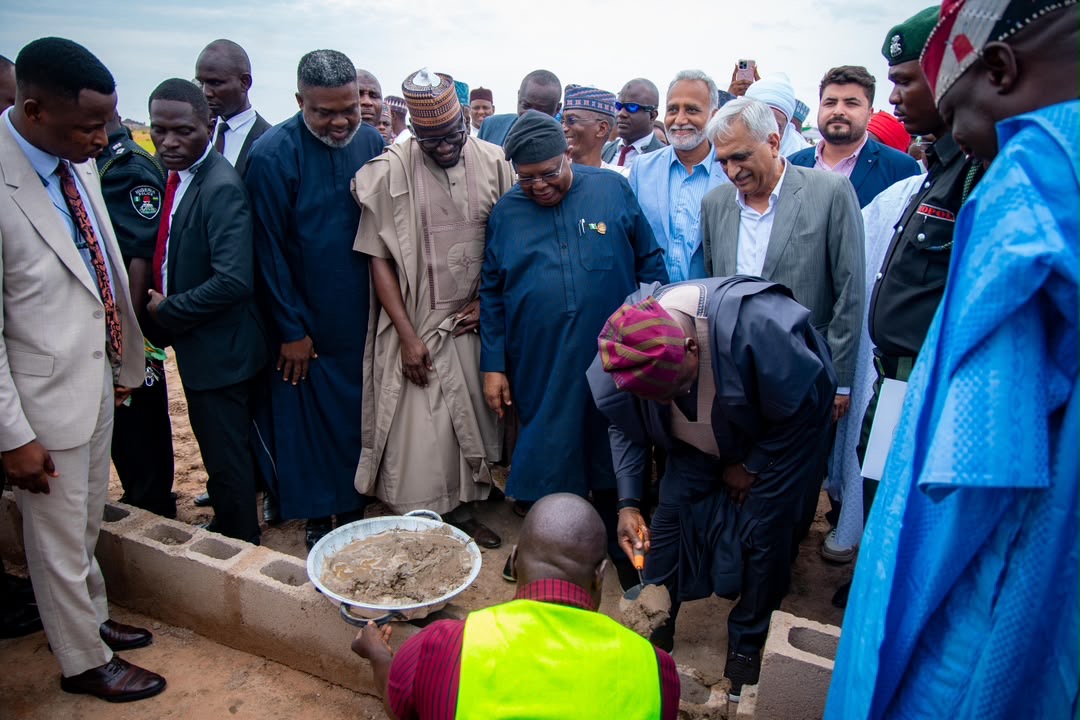
It was a pleasure returning to Plateau State for the official groundbreaking of the 1.5MW Utility-Enabled Interconnected Hybrid Mini-Grid in Pankshin LGA, delivered under the African Development Bank-supported Nigeria Electrification Project (NEP) in line with President Bola Ahmed Tinubu's Renewed Hope Agenda.
This marks our second major milestone in Plateau following the commissioning of the 50kWp Solar Mini-Grid in Namu Community last November. It is also only the beginning. Beyond this project, the Rural Electrification Agency is actively advancing 10 additional renewable energy projects across the state, bringing reliable electricity closer to more communities, businesses, and institutions.
I am particularly encouraged by the commitment of the Executive Governor of Plateau State, whose forward thinking leadership and willingness to partner with the private sector continue to position the state for sustainable economic growth. When state governments create the right environment for investment, development happens faster and the impact reaches more people.
President Tinubu Appoints Former Ekiti Governor Ayo Fayose as Chairman of Rural Electrification Agency
President Bola Ahmed Tinubu has approved 26 new appointments into 10 Federal Government agencies and commissions:
1. Rural Electrification Agency (REA) Chairman: Ayo Fayose (former Governor of Ekiti State)
Members/Non-Executive Directors: Alhaji Ahmadu Abubakar, Engineer Ilyasu Ibrahim Makinta
Director-General (incumbent): Abba Abubakar Aliyu Three previously appointed Executive Directors (board members)
2. National Salary and Wages Commission Chairman: Major General Junaid Bindawa Secretary: Olajumoke Okoya-Thomas (former Member of the House of Representatives, Lagos)
Commissioners: Dr Ogbole Ene Lilian, Oladele Olatubosun (Oyo), Yakubu Umar Barde (Kaduna) Members: Dr Mai Adamu Yau (Borno), Ginika Florence Tor (Enugu), Engineer Lawrence Okoh (Edo), Bello Morenike Iyabode (Kogi)
3. Revenue Mobilisation and Fiscal Commission
Secretary: Tosin Johnson Adeyanju (moved from Executive Secretary, National Lottery Trust Fund)
4. National Population Commission Director-General: Dr Abuh Mohammed
5. Nigerian Bulk Electricity Trading Plc (NBET) Managing Director: Dr Akinola Odeyemi
6. Nigeria Atomic Energy Commission Chairman/CEO: Dr Anthony Inalegwu Godwin
7. National Centre for Agricultural Mechanisation (NCAM), Kwara CEO: Engineer Julius Oloro (former council chairman, replaces the late Dr A.R. Kamal)
8. Fiscal Responsibility Commission Chairman: Dr Abdullahi Maikano Saidu Board Members: Mohammed Asmau, Mohammed Aliyu Makama, Dr Suleiman Gidado, Louis O. Ndukwe, Amaechi Ugwele, Olaniyi Idowu Onikola
9. National Commission for Mass Literacy, Adult and Non-Formal Education Executive Secretary: Shuni Muhammad Dahiru (replaces Prof. Shu’aibu Shehu Aliyu)
10. Federal Housing Authority
Executive Director (Finance): Gisaor Vincent Iorja (economist, legal scholar and current Secretary of Benue State Independent Electoral Commission)
All appointments take immediate effect.
Every single day, somewhere in Nigeria, another community moves from waiting for electricity to living with it. That is what keeps us going.
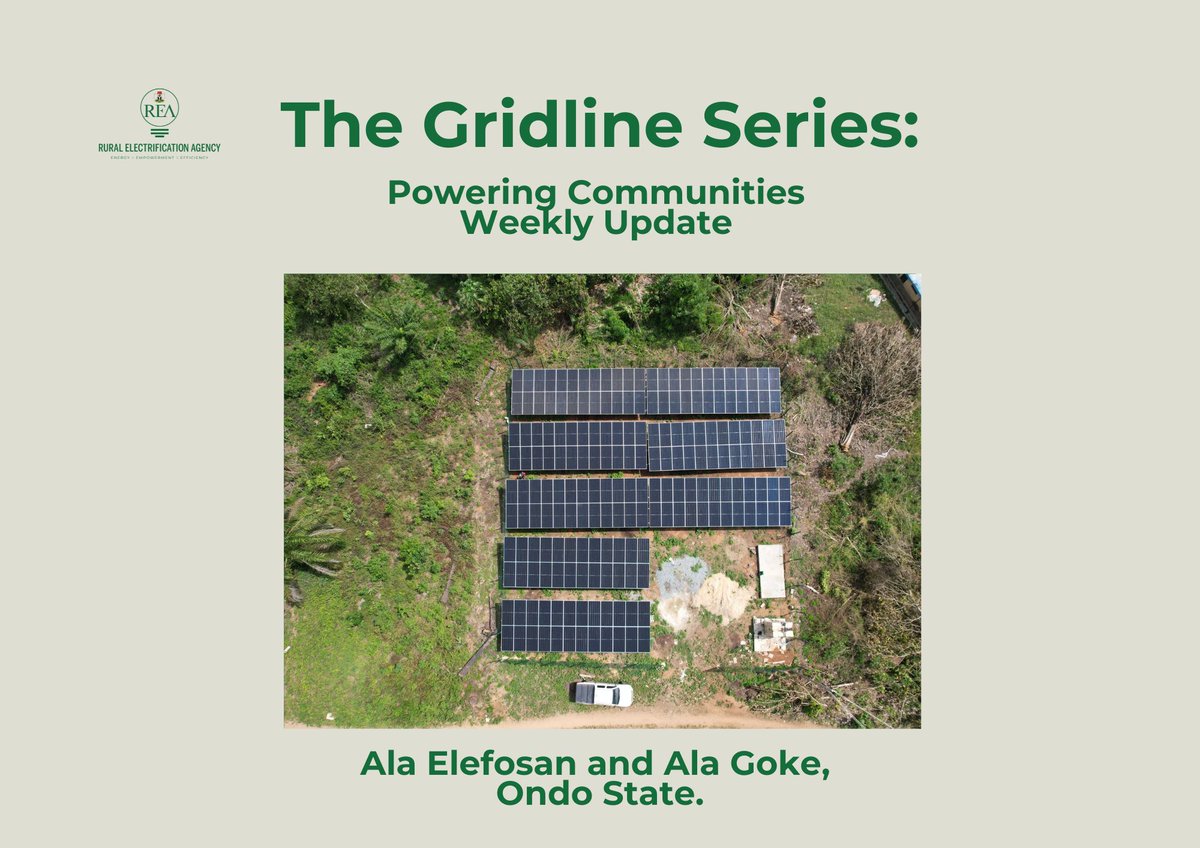
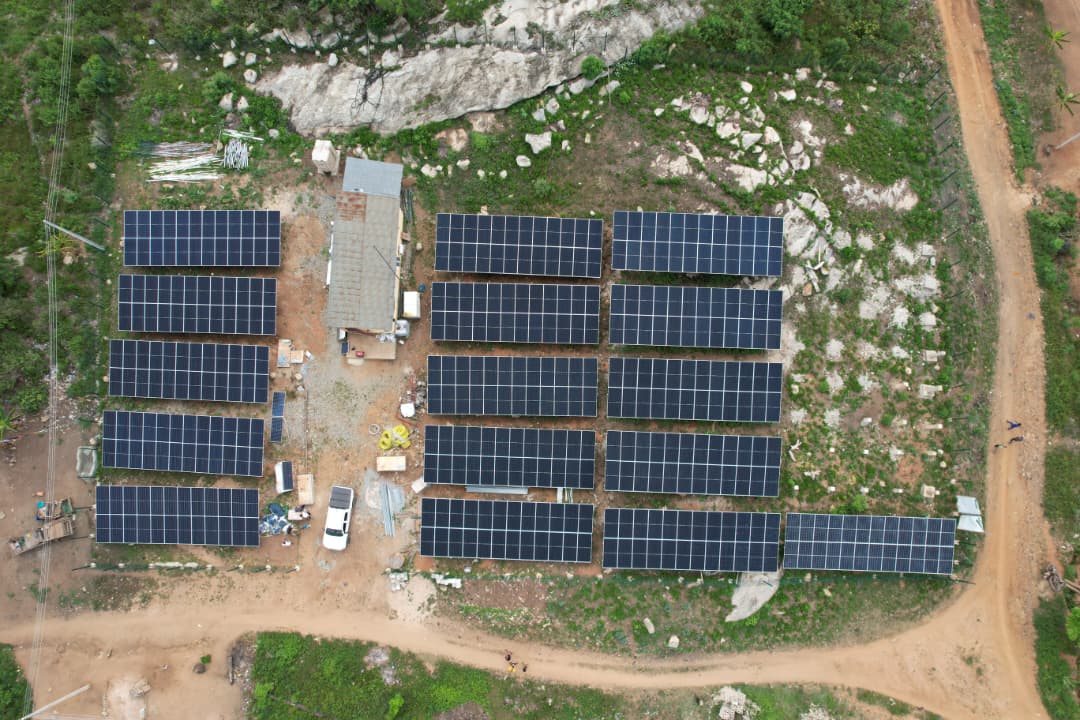
With the energisation of the 234kWp and 120kWp solar mini-grids in Ala Elefosan and Ala Goke, Ondo State, delivered by Protergia Energy under the REA-DARES Programme, an additional 1,490 homes and businesses now have access to reliable, clean electricity.
It may look like just a few more kilowatts on paper, but every kilowatt we deploy represents new opportunities for businesses to grow, students to learn, healthcare to improve, and local economies to thrive. This is how we bridge Nigeria's energy access gap, one community, one connection, and one project at a time.
Our work at the Rural Electrification Agency is driven by the simple belief that no community should be left behind. Every mini-grid we deploy brings Nigeria one step closer to our shared national aspirations of universal electricity access by 2030, 30,000MW of electricity generation, and net-zero emissions by 2060.
I commend Protergia Energy, our development partners, and everyone working tirelessly to turn these ambitions into reality. The journey continues, and every new project reminds us that meaningful progress is built one community at a time.
#RenewedHopeAgenda #DARES #MiniGrids #EnergyAccess #RenewableEnergy #NetZero2060 #UniversalEnergyAccess #REA #AbbaAliyu
Today, I had the privilege of welcoming stakeholders from across government, development finance institutions, the private sector, and regional organisations to the National Alignment for Deployment of Energy-Efficient Agricultural Productive Use Equipment Workshop.
One message stood out throughout our discussions, and it was that energy access alone is not enough. To truly transform rural communities, we must ensure that electricity powers productive activities that improve livelihoods, strengthen food systems, create jobs, and unlock economic growth.
The conversations today reinforced the importance of moving away from working in silos. We explored how stronger institutional coordination, blended financing, and market driven partnerships can accelerate the deployment of productive use equipment across Nigeria. Through the DARES programme and other strategic initiatives, REA remains committed to coordinating this alignment, mobilising funding for bankable projects, and ensuring that energy infrastructure translates into measurable economic impact for communities.
A major milestone of the day was the signing of Memoranda of Understanding with strategic partners, further demonstrating our shared commitment to building an ecosystem where productive use equipment can thrive alongside renewable energy infrastructure. From affordable financing and risk guarantees to innovative business models for irrigation, cold storage, and productive use mini-grids, today's discussions highlighted that collaboration remains our greatest strength.
I appreciate the Honourable Minister of Power, Chief Joseph Olasunkanmi Tegbe, the Honourable Minister of Agriculture and Food Security, the ECOWAS Commission and ROGEAP, the Bank of Agriculture, NIRSAL Plc, and every partner who contributed their expertise and commitment to this important national dialogue.
Together, we are laying the foundation for a more productive, resilient, and energy-enabled agricultural economy.
@TheREANigeria@JosephOTegbe@bankofagricng@nirsalconnect@ecowas_cedeao
#abbaaliyu #REA #RenewableEnergy #Agriculture #ProductiveUse #EnergyAccess #DARES #Nigeria
Yesterday at Solar & Storage Live Nigeria 2026, I had the privilege of delivering a keynote address on "From Diesel to Development: Powering Nigeria's Economy with Solar & Storage," before joining two panel discussions on the policies, regulations, and local manufacturing ecosystems that will shape the next phase of Nigeria's energy transition.
One message remained consistent throughout the day for me and that was the fact that bridging Nigeria's electricity access gap will require more than deploying renewable energy infrastructure. We must also build strong local manufacturing capacity, deepen private sector participation, strengthen our regulatory environment, and create an ecosystem where innovation and investment can thrive together.
At the Rural Electrification Agency, we are already seeing what is possible. Through programmes that are mobilising private capital, supporting domestic manufacturing, and accelerating decentralized renewable energy deployment, we are demonstrating that energy access and industrial development can grow side by side.
I sincerely appreciate the organisers for creating a platform that brings policymakers, developers, manufacturers, financiers, and innovators together. These conversations matter because every meaningful partnership, every policy improvement, and every investment decision brings us closer to an electricity sector that works for every Nigerian.
I remain optimistic about the future. The momentum is growing, the ideas are becoming bolder, and together we are building an energy ecosystem that is cleaner, smarter, and made in Nigeria.
@REANigeria@TheREANigeria
#SolarAndStorageLive #RenewableEnergy #EnergyAccess #LocalManufacturing #EnergyTransition #MiniGrids #PowerSector #REA #AbbaAliyu
One of the most exciting things happening in Nigeria's power sector today is the scale at which interconnected mini-grids are becoming a reality.
Under the World Bank-funded DARES Programme and the African Development Bank-supported NEP, the Rural Electrification Agency is delivering 48 interconnected mini-grid sites through the Minimum Subsidy Tender (MST) programme. Together, these projects are expected to provide over 250,000 electricity connections, benefiting approximately 1.25 million Nigerians.
Beyond expanding access, these interconnected mini-grids will strengthen the wider electricity ecosystem by injecting clean energy into existing distribution networks, improving grid stability, enhancing service reliability, and demonstrating how decentralized energy can work hand in hand with the national grid.
I was pleased to join the Deputy Governor of Rivers State yesterday for the groundbreaking of the 11.9MWp interconnected solar mini-grid in Ogu-Bolo LGA, to be delivered by News Engineering. Rivers now joins Kogi, Kebbi, and Adamawa States, where we have already commenced groundbreaking activities under this transformative programme. Each project reflects the importance of strong collaboration between the Federal Government, state governments, development partners, private sector developers, and host communities.
There is no shortage of conversations about Africa's energy future. The real opportunity is turning those conversations into practical action.
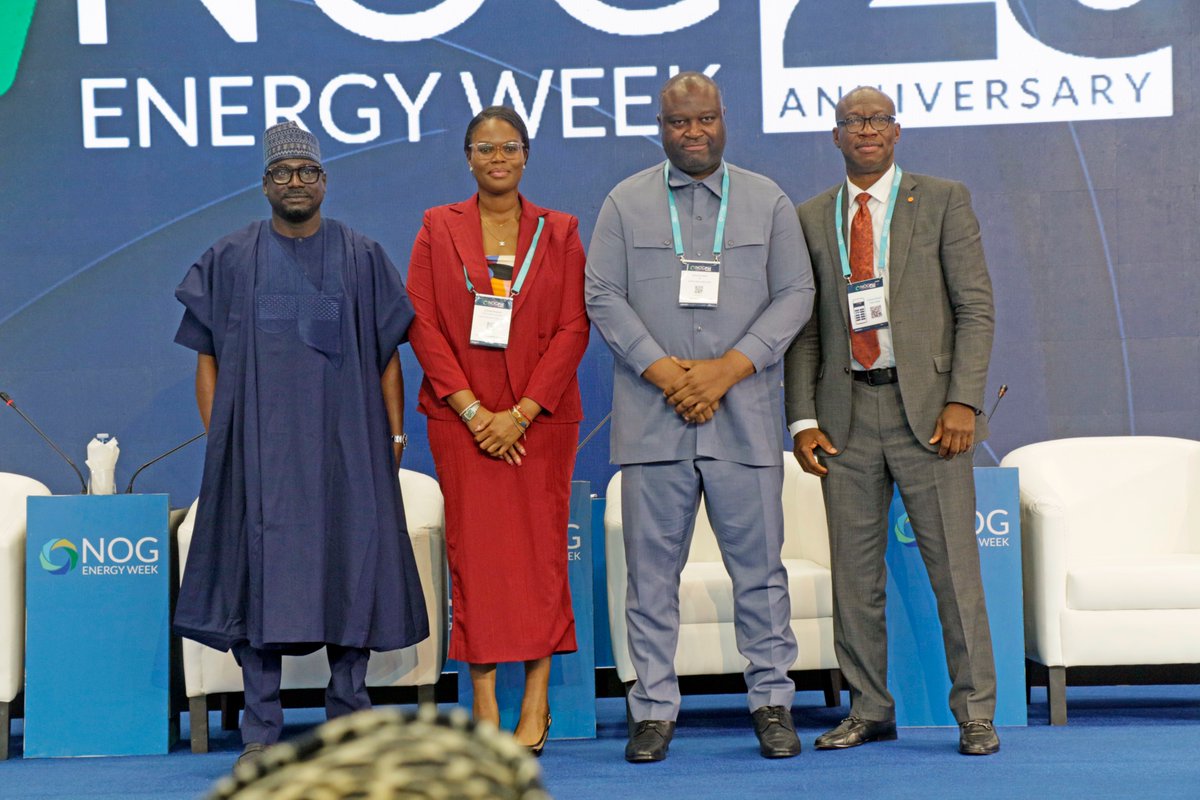
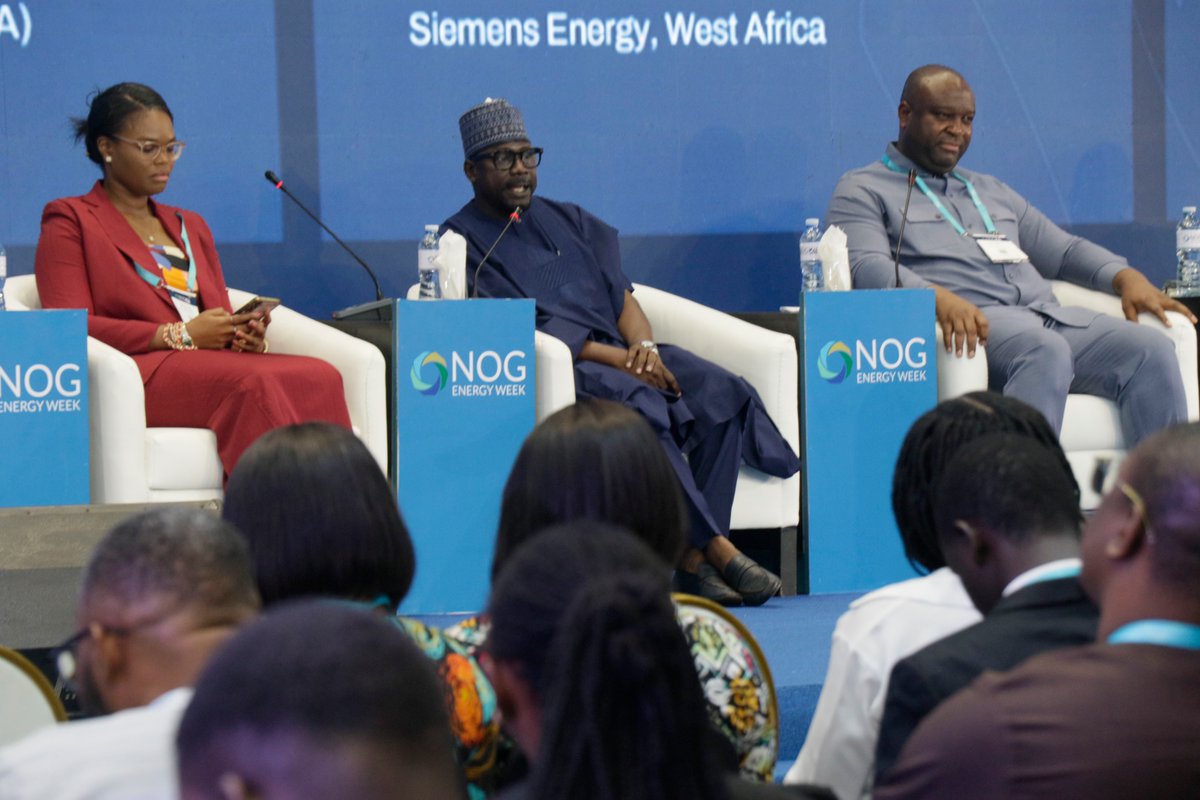
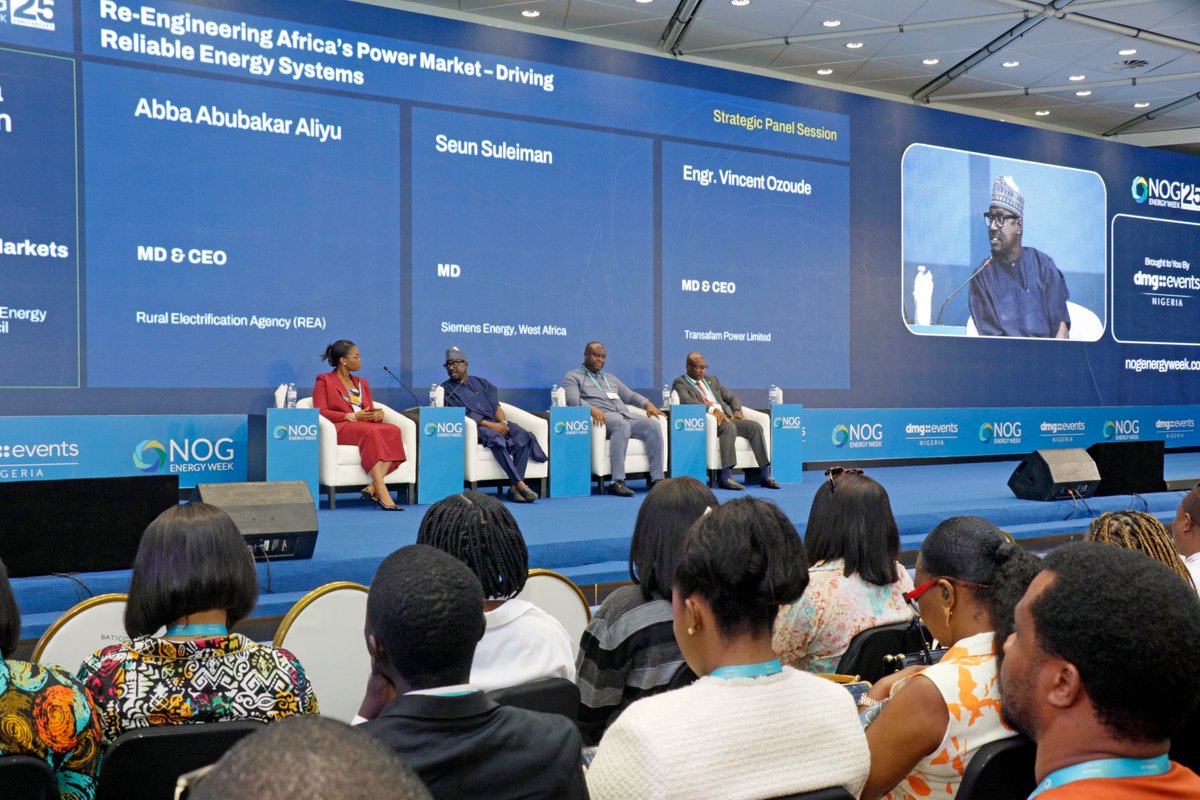
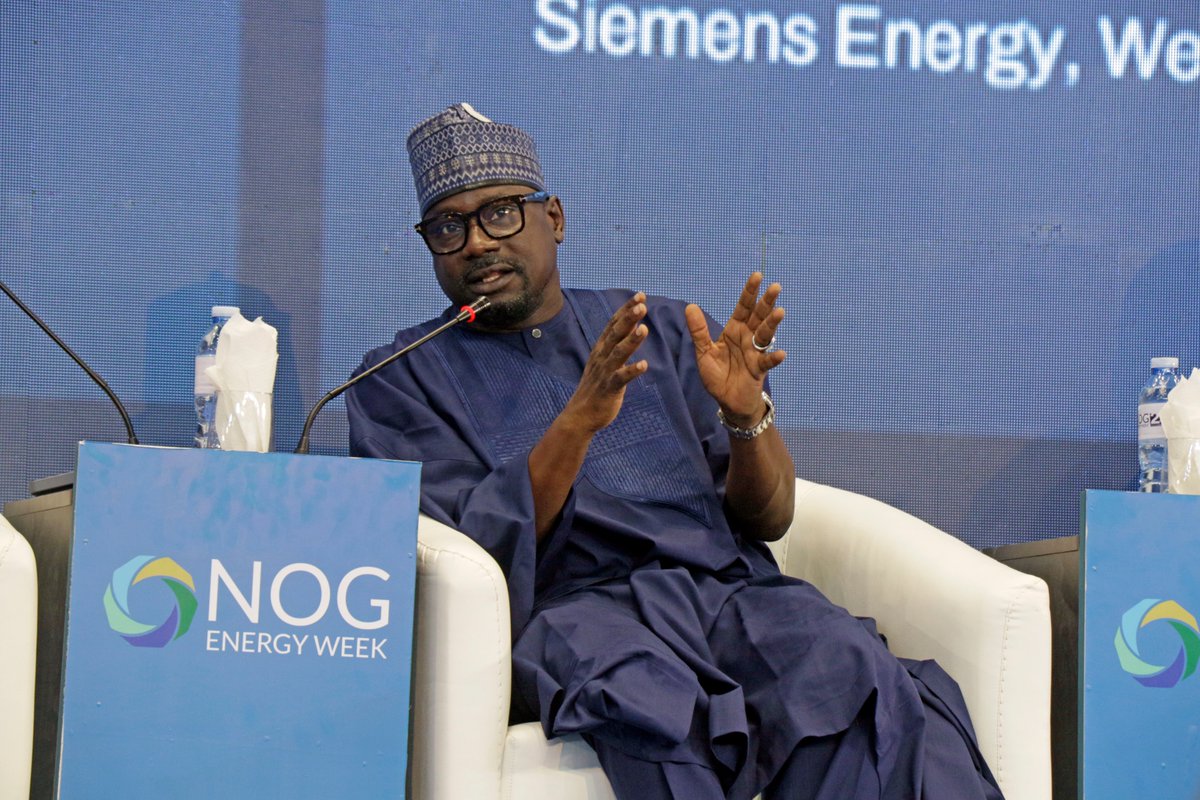
I was pleased to join fellow industry leaders at the 2026 NOG Energy Week Conference & Exhibition, where we discussed what it will take to re-engineer Africa's power market and build energy systems that are reliable, resilient, and investment ready.
One point I shared is that Africa's energy challenge is no longer simply about generating more electricity. It is about creating electricity markets that investors trust, utilities can sustain, and consumers can depend on. That requires bold reforms, stronger institutions, better data, and a willingness to embrace innovative solutions.
For Nigeria, the implementation of the Electricity Act has opened new possibilities for decentralized energy, while renewable energy and mini-grids are proving that they are not alternatives to the grid, they are essential partners in building a more reliable and inclusive electricity ecosystem.
I appreciate the organisers of NOG Energy Week for convening such an important conversation and my fellow panelists for the rich exchange of ideas. As we continue to shape the future of Africa's energy sector, collaboration will remain our greatest asset.
#NOGEnergyWeek #EnergyTransition #PowerSector #RenewableEnergy #MiniGrids #EnergyAccess #REA #AbbaAliyu
Every conversation we have about renewable energy must also be a conversation about industrial growth.
The Rural Electrification Agency has signed a Joint Development Agreement (JDA) with SUNCECO, establishing a framework for collaboration to strengthen Nigeria's domestic solar manufacturing value chain in line with our national renewable energy and industrialisation objectives.
Beyond deploying clean energy infrastructure, we must also build the industries that manufacture the technologies powering that transition. By working with global manufacturers and technology partners like SUNCECO, we are creating opportunities for technology transfer, local capacity development, skills acquisition, and increased domestic manufacturing.
From photovoltaic modules and battery energy storage systems to smart energy technologies and electric mobility solutions, this collaboration opens new possibilities for deepening Nigeria's renewable energy ecosystem while supporting the Federal Government's drive for industrial development.
This is how we build a more resilient energy future, not only by expanding access to electricity, but by ensuring more of the value is created here at home.
My appreciation goes to the SUNCECO team for their confidence in Nigeria and to everyone working with us to position our country as a leading hub for renewable energy innovation and manufacturing in Africa.
#RenewableEnergy #Industrialisation #LocalManufacturing #EnergyTransition #SolarEnergy #TechnologyTransfer #PoweringNigeria #REA #AbbaAliyu
Our work in Adamawa didn't end with Monday’s groundbreaking. If anything, yesterday was a continuation of the same promise that no matter how far a community is, reliable electricity should never be out of reach.
The day took us across the outskirts of Adamawa State, through long roads and even a bit of rain, but every kilometre reminded me why the Rural Electrification Agency exists.
Together with His Excellency, Governor Ahmadu Umaru Fintiri, we broke ground for a 3.2MW Solar Hybrid Mini-Grid in Michika, to be delivered by A4&T Solutions. We also joined Startimes Solar for the groundbreaking and commissioning of five isolated solar mini-grids across Shuwa, Kwakwaah, Kuva Gaya, Daksami, and Dirdiu, bringing reliable electricity closer to communities that have waited far too long.
One of the most rewarding parts of public service is seeing conversations turn into construction sites.
Today in Adamawa State, we witnessed the groundbreaking of a 10MW interconnected solar mini-grid in Kofare, a 2.6MW interconnected solar mini-grid in Saminaka, and an 890kW interconnected solar mini-grid in Mbamba. Projects that will expand reliable electricity access, stimulate local businesses, and create new opportunities for thousands of people.
What made today even more special was hearing His Excellency, Governor Ahmadu Umaru Fintiri, remind everyone that these projects did not happen by chance. They are a direct outcome of the REA State-by-State Roundtable we held last year, where we brought private sector developers and state governments to the same table to identify opportunities, build confidence, and demonstrate Adamawa's readiness for investment.
It was a powerful reminder that no engagement is ever just another meeting. Every conversation, every partnership, and every roundtable has the potential to unlock real projects and real impact for Nigerians.
I am equally grateful to the Honourable Minister of Power, Chief Joseph Tegbe, whose continued support for renewable energy is helping reshape Nigeria's electricity landscape. His recognition that interconnected mini-grids are an important part of our national grid ecosystem reflects the kind of forward-thinking leadership the sector needs.
Across Nigeria, access to reliable electricity remains one of the strongest drivers of development, productivity, and opportunity.
As we settle further into a productive new week, l'm pleased to share a quick lineup of some of my major activities from last week at @TheREANigeria
As always, I encourage you to stay with us on this mission to expand sustainable energy access for every Nigerian.
#abbaaliyu #rea #energyaccess
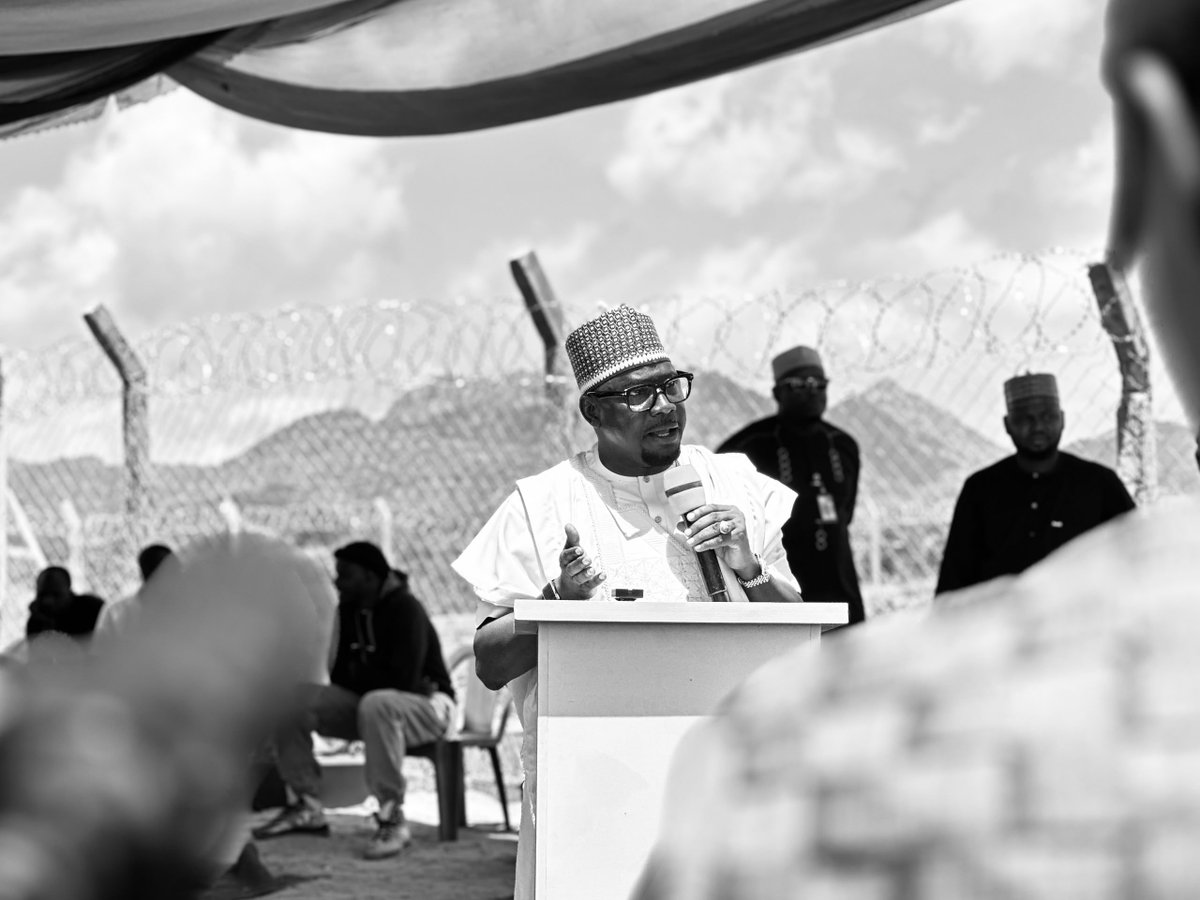
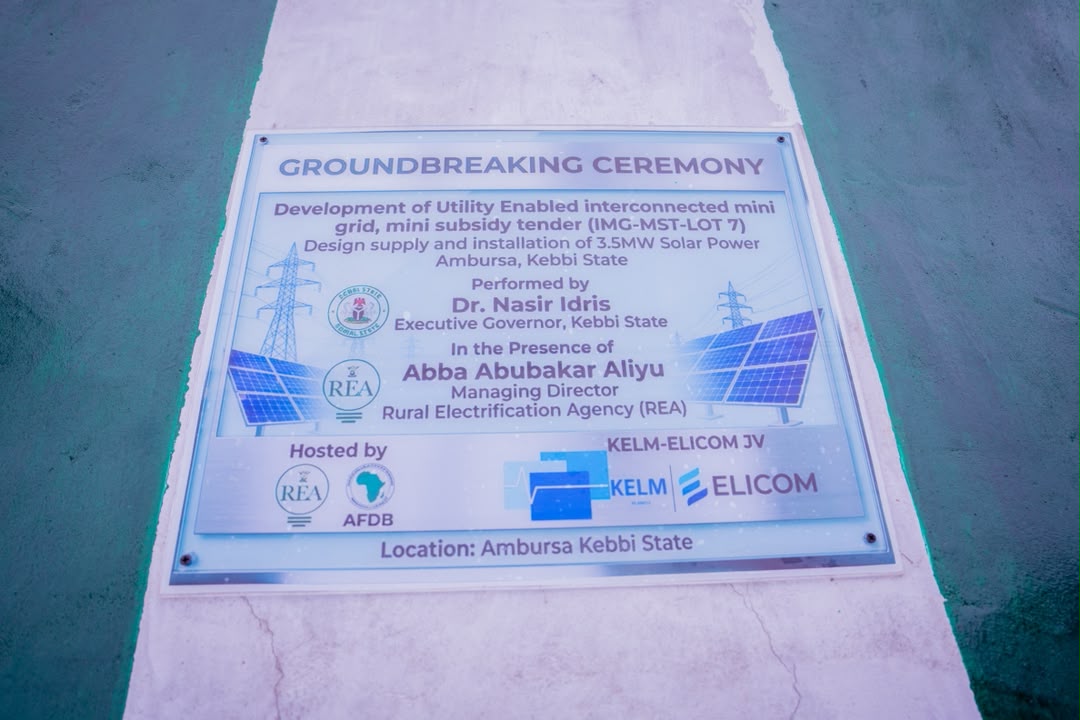
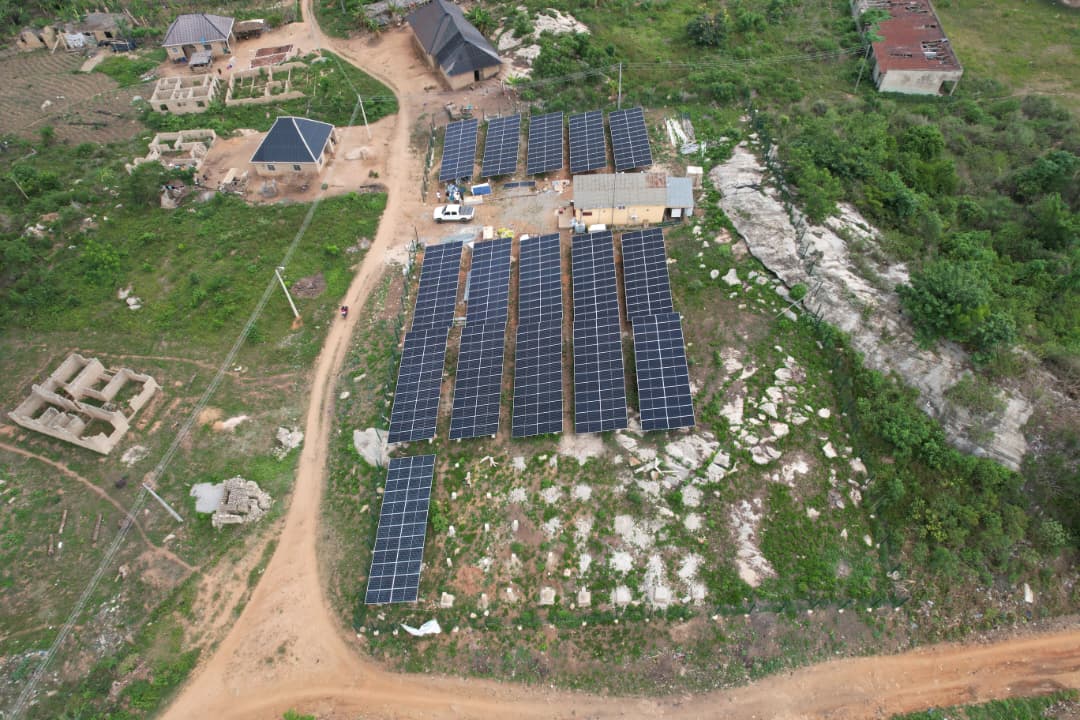
The project, to be delivered by the KELM–ELICOM Joint Venture under the Minimum Subsidy Tender (MST)Programme, funded by the African Development Bank (AfDB), is another important step towards strengthening reliable electricity supply and unlocking economic opportunities in Kebbi State.
What makes this even more exciting is that this is only one piece of a much bigger story. Across Kebbi, the REA is currently implementing about 13 additional isolated mini-grid projects, bringing clean, reliable electricity to communities that have waited far too long for access.
Moments like today remind me that progress happens when institutions and state governments work with a shared sense of urgency. My appreciation goes to Governor Nasir Idris, the people of Kebbi State, our development partners, and the entire REA team. Together, we are proving that every groundbreaking is more than the start of a project, it is the beginning of new opportunities for communities to grow and prosper.
#KebbiState #MiniGrids #EnergyAccess #RenewableEnergy #AfricanDevelopmentBank #MST #PoweringNigeria #REA #AbbaAliyu
Some trips are carefully planned. Others happen because you meet leaders who are simply ready to get things done.
Today was one of those days.
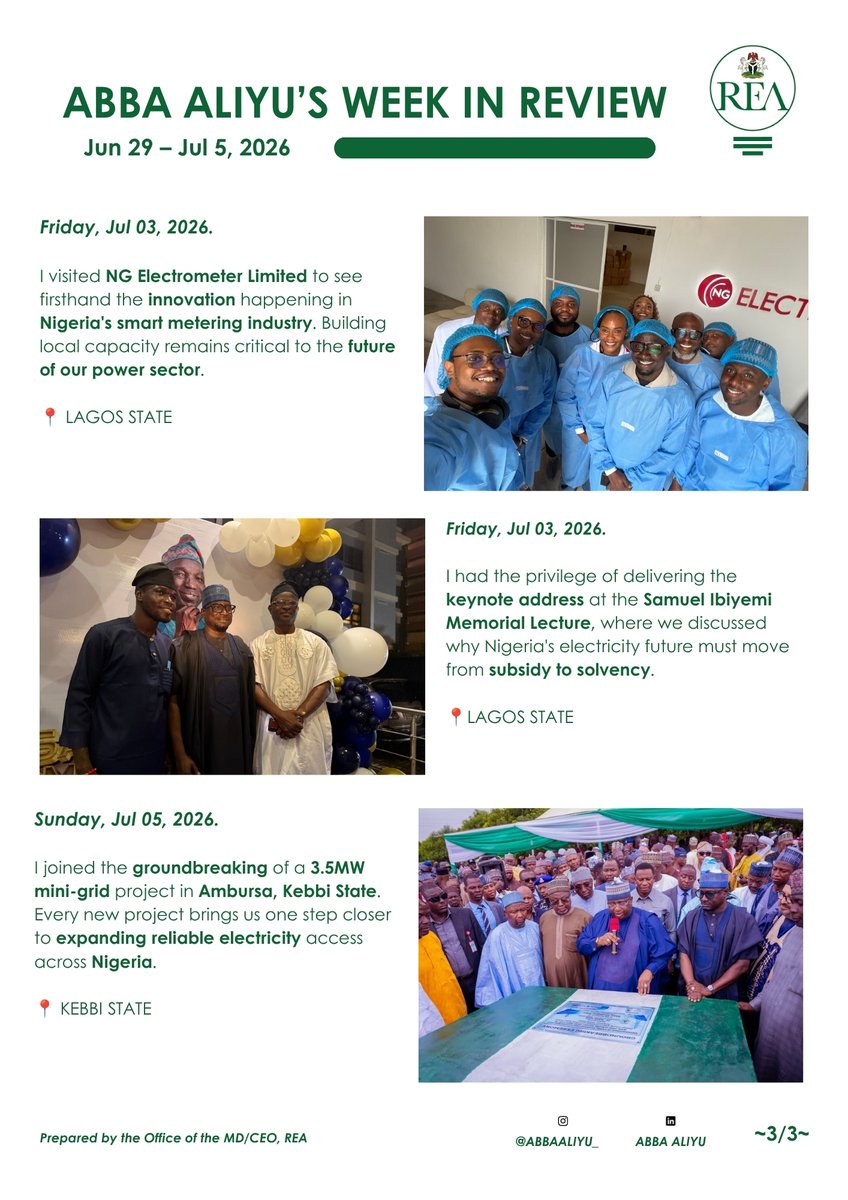
What started as an engagement through our REA state by state roundtable has quickly turned into the groundbreaking of a 3.5MW utility-enabled interconnected mini-grid in Ambursa. The speed with which the Kebbi State Government moved from conversation to action made it an easy decision for me to join this important milestone.
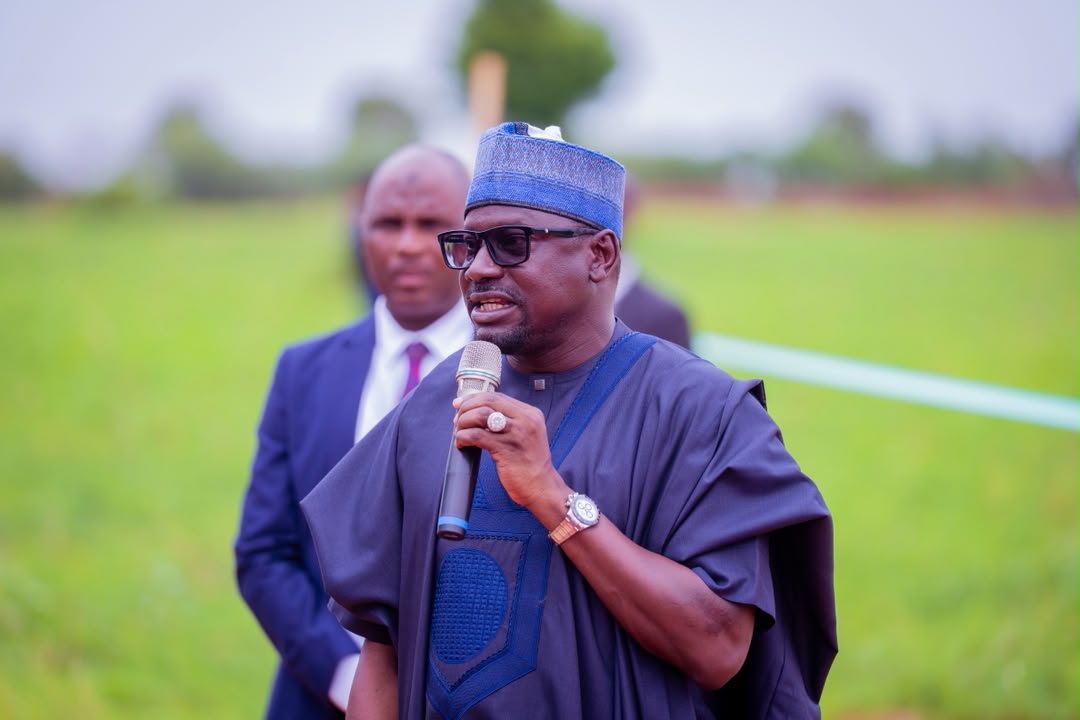
I was deeply touched by the warmth and hospitality of the people of Kebbi and honoured to be received by His Excellency, Dr. Nasir Idris, the Executive Governor of Kebbi State. His commitment to expanding electricity access was evident, and I sincerely appreciate his kind words about the work of the Rural Electrification Agency. Recognition is always encouraging, but it is even more meaningful when it comes with a shared determination to deliver results for the people.