Simone Biles taught a valuable lesson at the Olympics:
Overcoming adversity takes time. Resilience is not about how quickly you bounce back—it’s about how fully you recover.
You can’t judge people’s strength when they fall. Their fortitude is visible when they rise again.
The biggest problem with bureaucracy isn't having too many rules. It's having rules that fail to serve core values and goals.
Dysfunctional organizations have rigid policies that thwart the mission. Healthy organizations have policies that can be changed to advance the mission.
https://t.co/Qt5Bhj7GKP
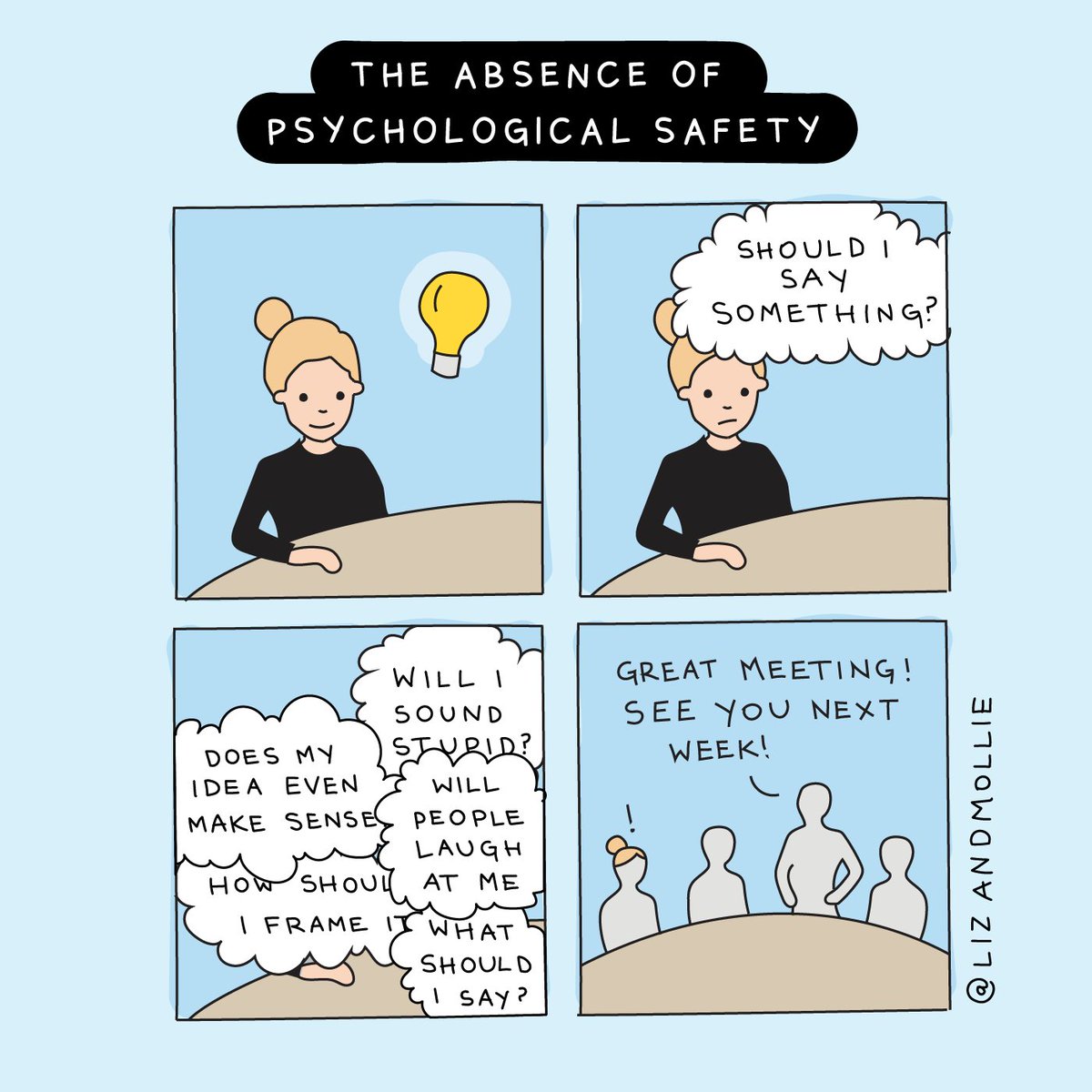
Don't confuse psychological safety with "safe spaces."
Safe spaces treat people as fragile and dissenting ideas as threats. Psychologically safe environments build the capacity to embrace and learn from respectful disagreement.
Exposure to diverging views is fuel for growth.
Scrum Improvements Identified After Examining Millions of Scrum Projects
After examining millions of Scrum projects and incorporating feedback from thousands of companies, we identified multiple areas for improvement. Most of these have been incorporated into Scrum@Scale, and all are being iteratively enhanced based on insights from hundreds of published case studies available at https://t.co/IqgEOf5DZr.
Hybrid Approach: Scrum@Scale is designed to be flexible and adaptable, allowing organizations to tailor the framework to their specific needs. It can be combined with other methodologies and practices as needed, including those used by autonomous teams. This flexibility makes it a suitable framework for hybrid environments where different teams may use different methodologies. Scrum@Scale is a leadership framework to manage entire enterprises and is designed to start small and build an Agile network within a traditional hierarchy that is protected by Agile leadership while avoiding the seven deadly sins that cause Agile Transformations to fail. These are identified in our Harvard Business Review “Embracing Agile” paper.
Digital Management of Autonomous Teams: Scrum@Scale can be enhanced with AI and digital tools to manage autonomous teams, similar to the approach used by Tesla. This includes real-time tracking of team performance, dynamic prioritization of work, and visibility of work across teams. This allows for quick adjustments and helps ensure that teams are always working on the highest priority tasks. At Tesla, team members can autonomously move across teams and teams can autonomously move across projects to swarm on the highest emerging priorities. This takes the Swarming Pattern: One Piece Continuous Flow in the Scrum Book: The Spirit of the Game to the next level.
Continuous Improvement and Adaptation: Scrum@Scale emphasizes the importance of regular inspection and adaptation, enabling continuous improvement at scale. It encourages organizations to learn from their experiences and adapt their processes and practices accordingly. This principle is crucial in managing autonomous teams, where continuous learning and adaptation are key to their success. Moreover, Scrum@Scale enables leadership to target the most critical areas of the organization first so that with the least amount of effort large organizations like John Deere have rapidly achieved an almost 400% increase in stock price.
Enhanced Collaboration and Communication: Scrum@Scale fosters an environment of open and transparent communication across all levels of the organization. It promotes collaboration and alignment through its network of teams structure. This is particularly important in the context of autonomous teams, where clear and effective communication is vital. It systematically supports impediment escalation hierarchies from front line teams to senior management across the entire organization.
Data-Driven Decision-Making: Scrum@Scale encourages the use of empirical data to guide decision-making and improve performance. It supports the use of metrics and tools to track progress and performance at scale. In the context of autonomous teams, data-driven decision-making can help identify bottlenecks, optimize processes, and improve overall performance. It supports metrics identified later in the book that tie senior management goals and objectives to the quality of specific agile practices.
Focus on Organizational Agility: Scrum@Scale extends the principles of Scrum beyond the team level to the entire organization. It aims to create an agile organization where every team is a Scrum team and every team member is a Scrum player. This focus on organizational agility is crucial for managing autonomous teams, which require a high degree of agility to respond to changing conditions and requirements.
Emphasis on People and Skills: Scrum@Scale recognizes the importance of competent and skilled Scrum Masters and Product Owners. It emphasizes the need for effective leadership and the development of Scrum competencies at all levels of the organization. It retrains everyone in the lean principles Scrum is based on. It operationalizes the hyperproductive Scrum patterns. This is particularly important for autonomous teams, which rely on skilled and competent team members to operate effectively.
Outcome-Based Planning: Scrum@Scale aligns the work of all teams around the organization's strategic goals and objectives. It ensures that every team's efforts contribute to the overall success of the organization. This outcome-based approach is crucial for autonomous teams, which need to align their work with the organization's strategic goals to ensure they are contributing to the organization's success.
Emotional Intelligence and Psychological Safety:Scrum@Scale promotes a culture of respect and safety, where team members feel comfortable expressing their thoughts and ideas. It encourages emotional intelligence in dealing with others and in managing one's own emotions. This is particularly important for autonomous teams, where psychological safety and emotional intelligence can help foster a culture of trust and open communication. Scrum@Scale is based on the lastest findings in neuroscience and is designed to evoke the six neural accelerators identified later in this book that are essential to hyperproductive teams.
These improvements, identified through extensive examination and feedback, have been incorporated into Scrum@Scale to take Scrum to the next level. By addressing these areas, Scrum@Scale offers a more effective and efficient approach to managing Agile teams and transformations.
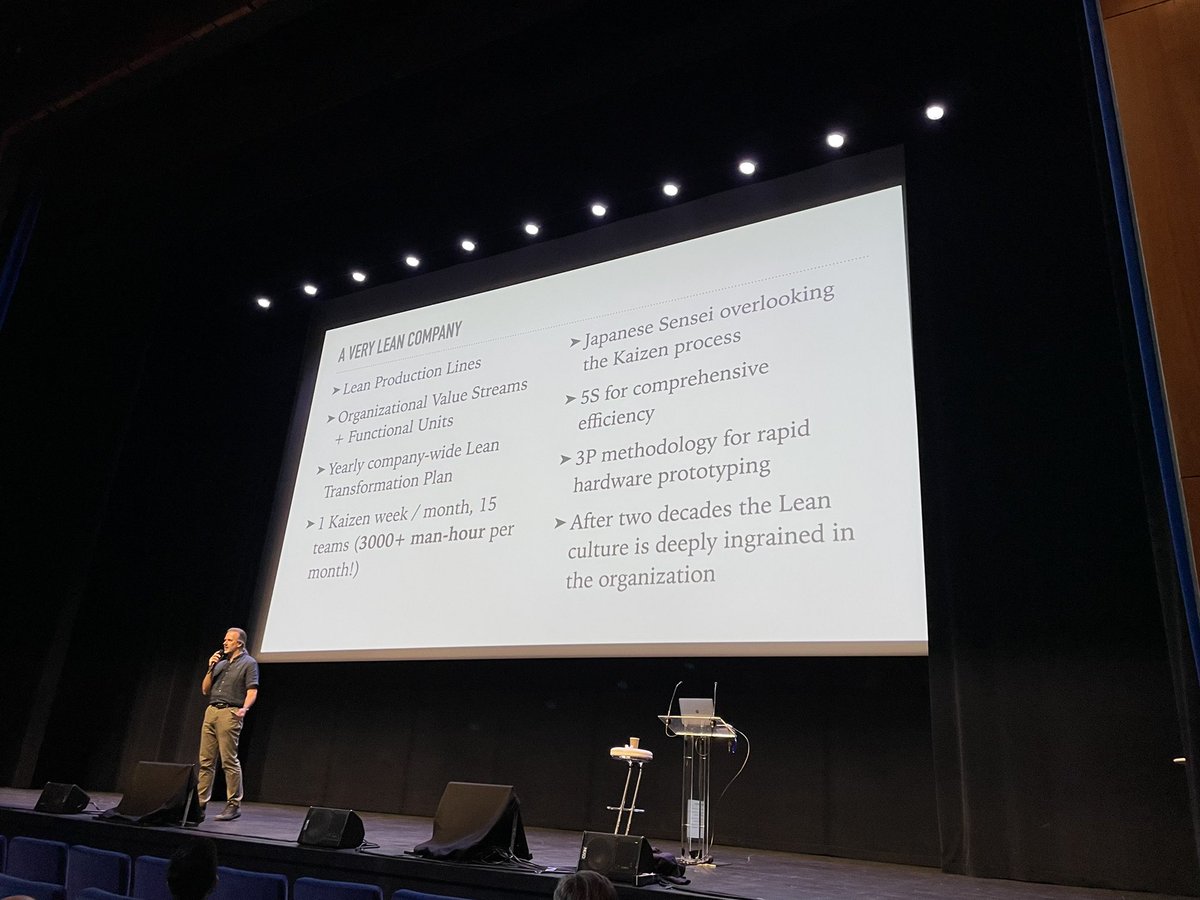
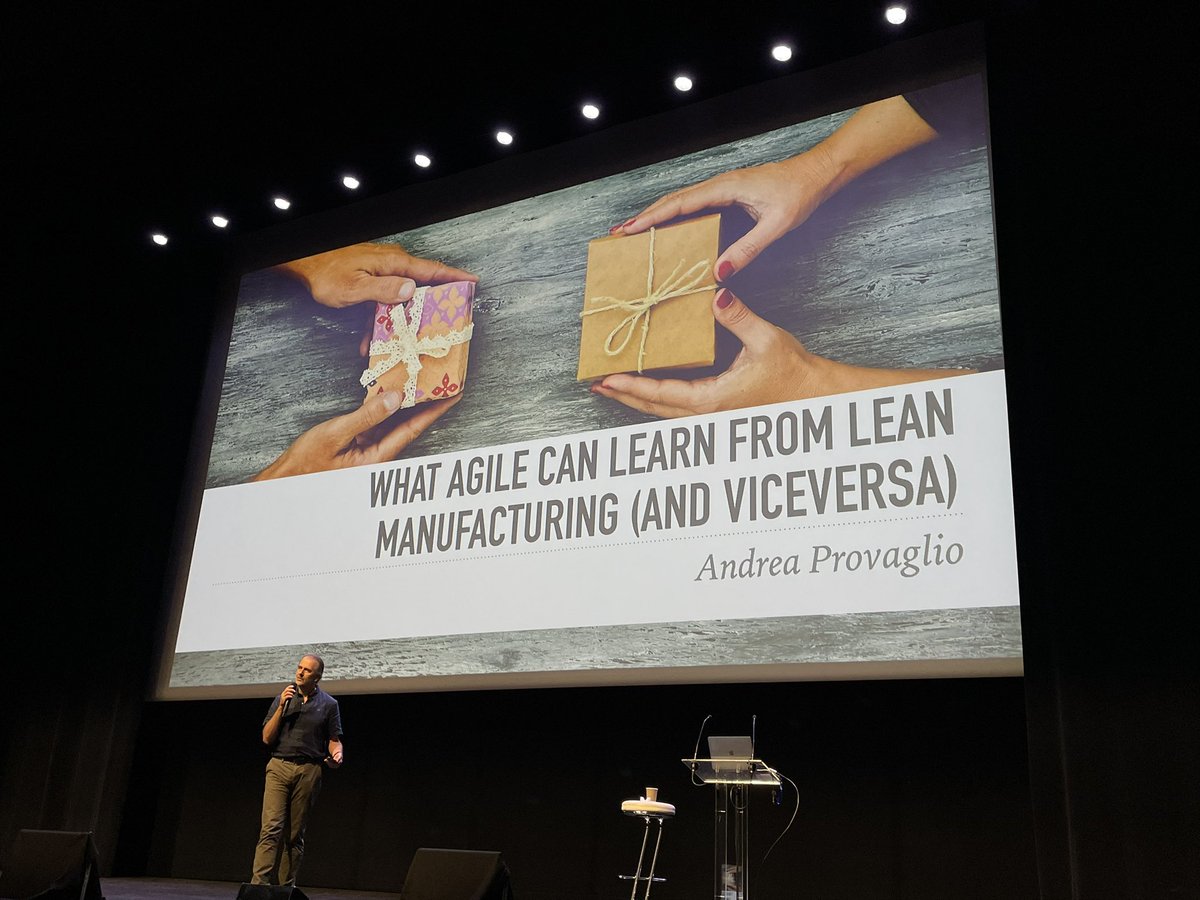
💡What Agile can learn from Lean Manifacturing - and viceversa
@andreaprovaglio sharing with us a quite commun metaphor, we want our organization to work like an oiled machine ⚙️
#FLOWCON
In this session by @danvacanti we’ll explore some common mistakes associated with the definition, collection, and interpretation of #data.
You may have heard words like trend, outlier, signal, noise. But are any of those concepts real or relevant? 🏀