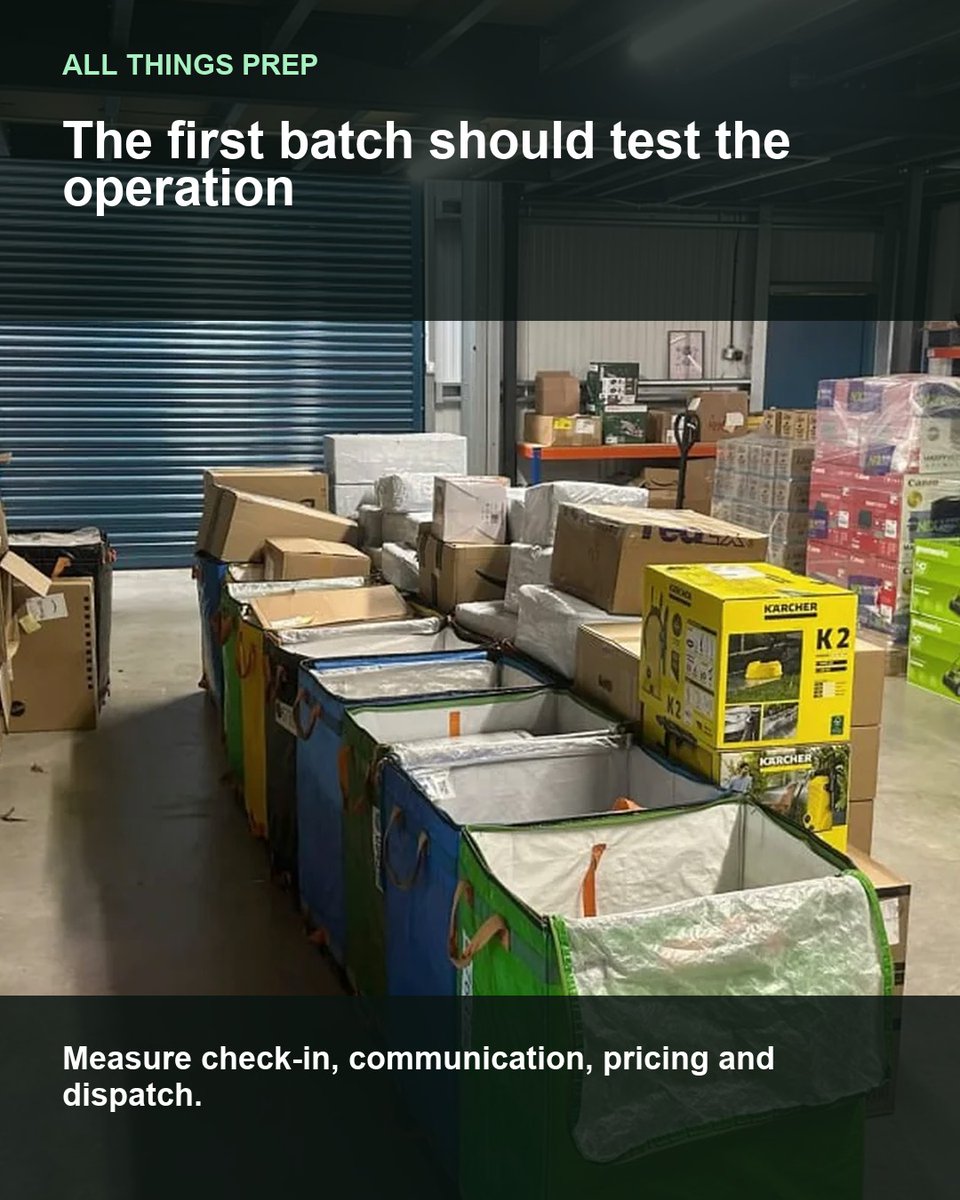
The first batch should test check-in, communication, pricing and dispatch quality. Ask ATP to quote a controlled batch against your actual stock flow.
https://t.co/vi8E8Iqqt9
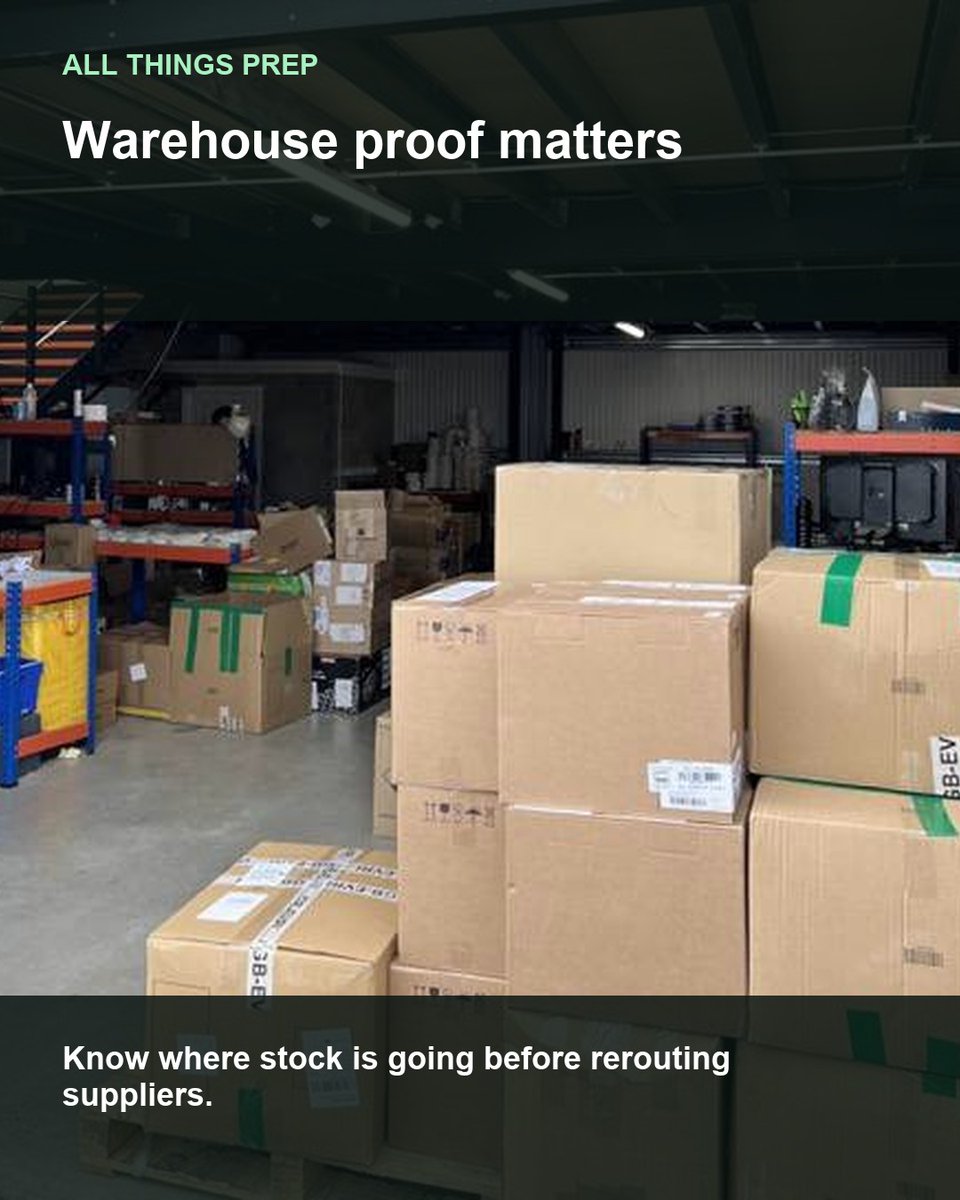
Warehouse proof matters because sellers are trusting someone else with live inventory. See the operation, compare the workflow and test one realistic batch.
https://t.co/vi8E8Iqqt9
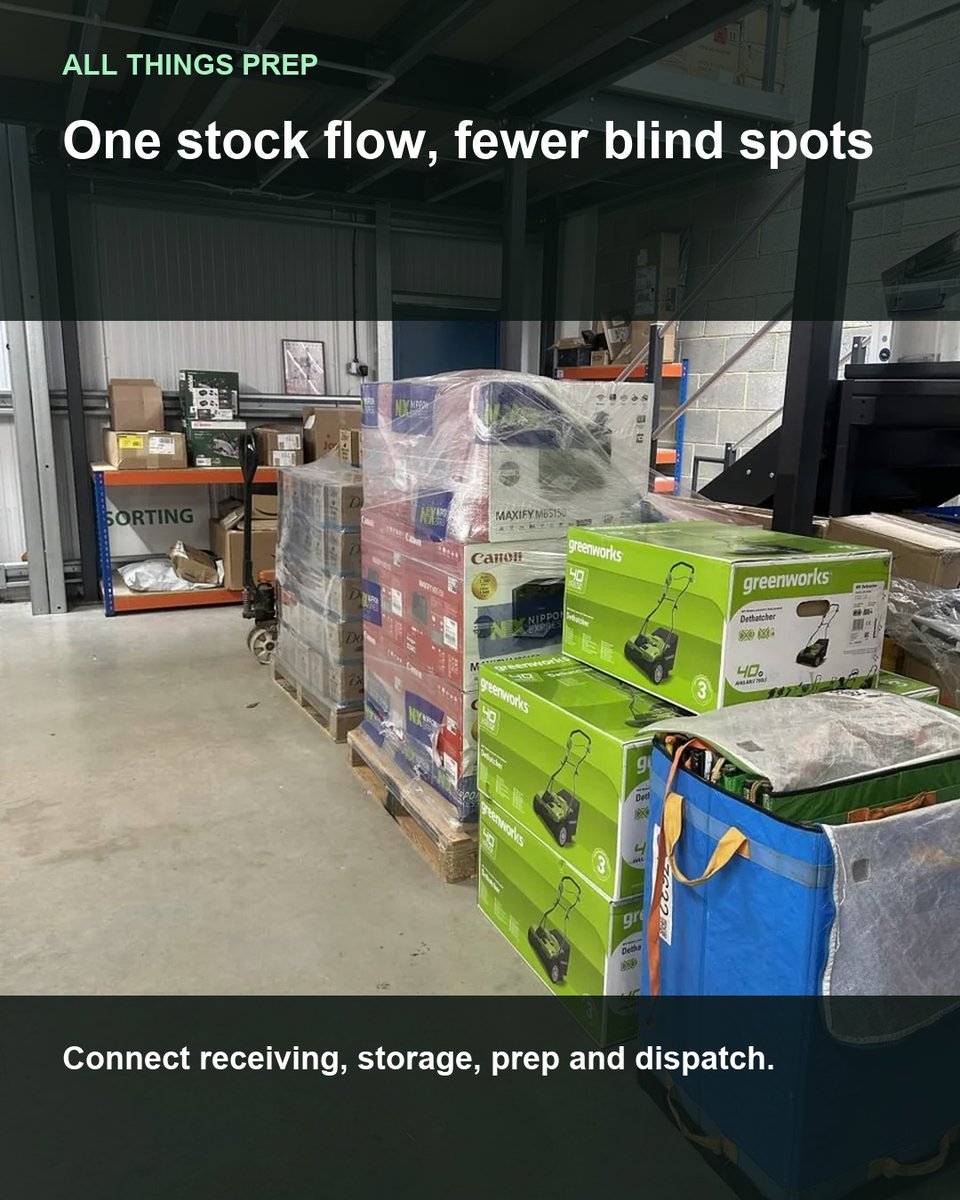
Receiving, storage, prep and dispatch are one stock flow. Treating them as separate inbox threads is how gaps and delays become expensive.
https://t.co/vi8E8Iqqt9
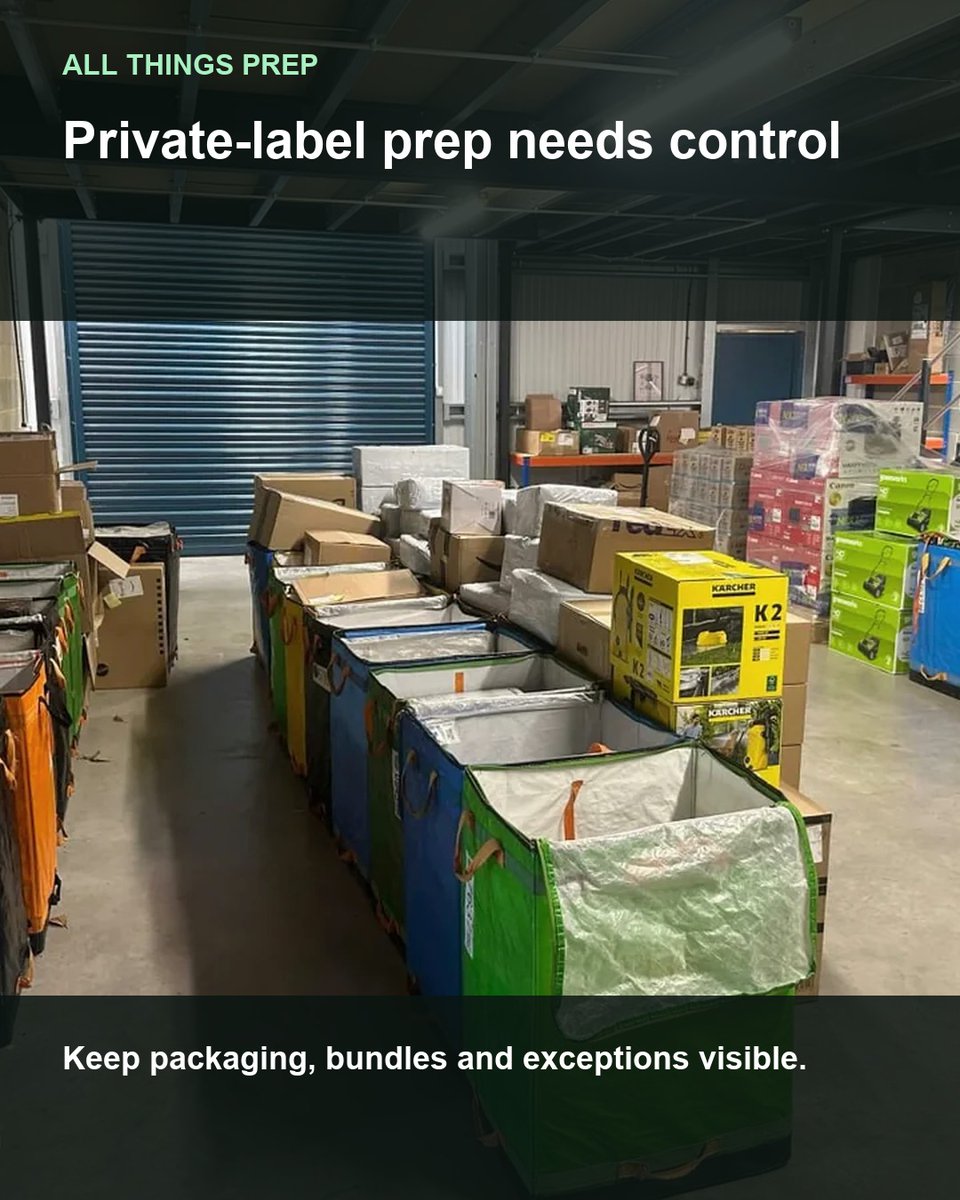
Private-label prep needs visible packaging, labelling and bundle instructions. Exceptions should stop before FBA, while approved stock keeps moving.
https://t.co/vi8E8Iqqt9
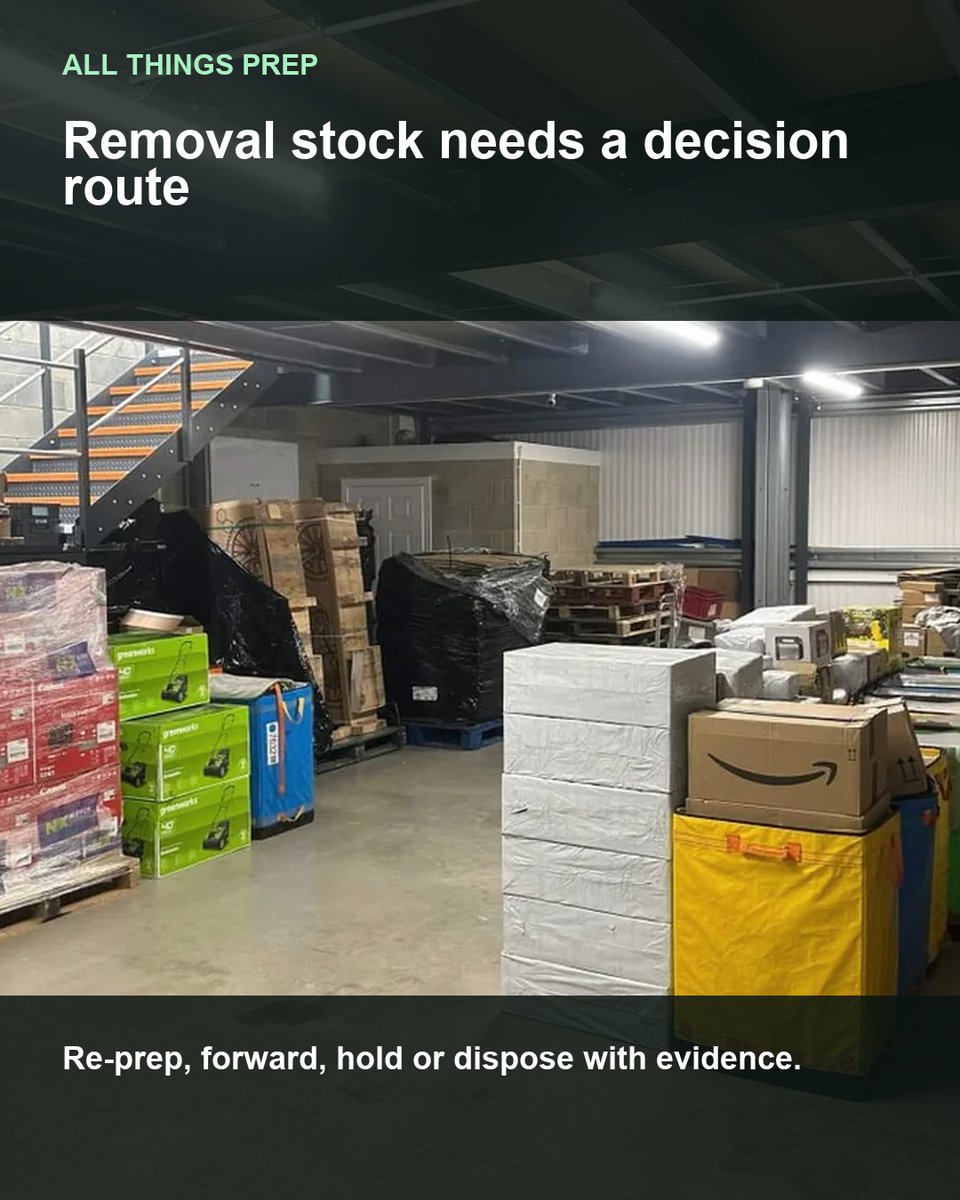
Removal stock needs evidence and a decision route. ATP can separate usable units from problem stock before the next handling cost is added.
https://t.co/vi8E8Iqqt9
Sellers should be able to see whether stock is received, held, in prep, ready or dispatched without chasing a string of vague updates.
https://t.co/vi8E8Iqqt9
Delivered is not the same as checked in. ATP uses parcel and receiving visibility to help separate stock that arrived from stock that still needs tracing.
https://t.co/vi8E8Iqqt9
The cleanest batches begin before delivery. References, unit counts and prep requirements should be agreed before stock reaches the warehouse.
https://t.co/vi8E8Iqqt9
Parcel records matter after dispatch too.
When a shipment needs checking, clean tracking context is the difference between a quick answer and a messy chase.
The best prep teams are not the ones pretending exceptions never happen.
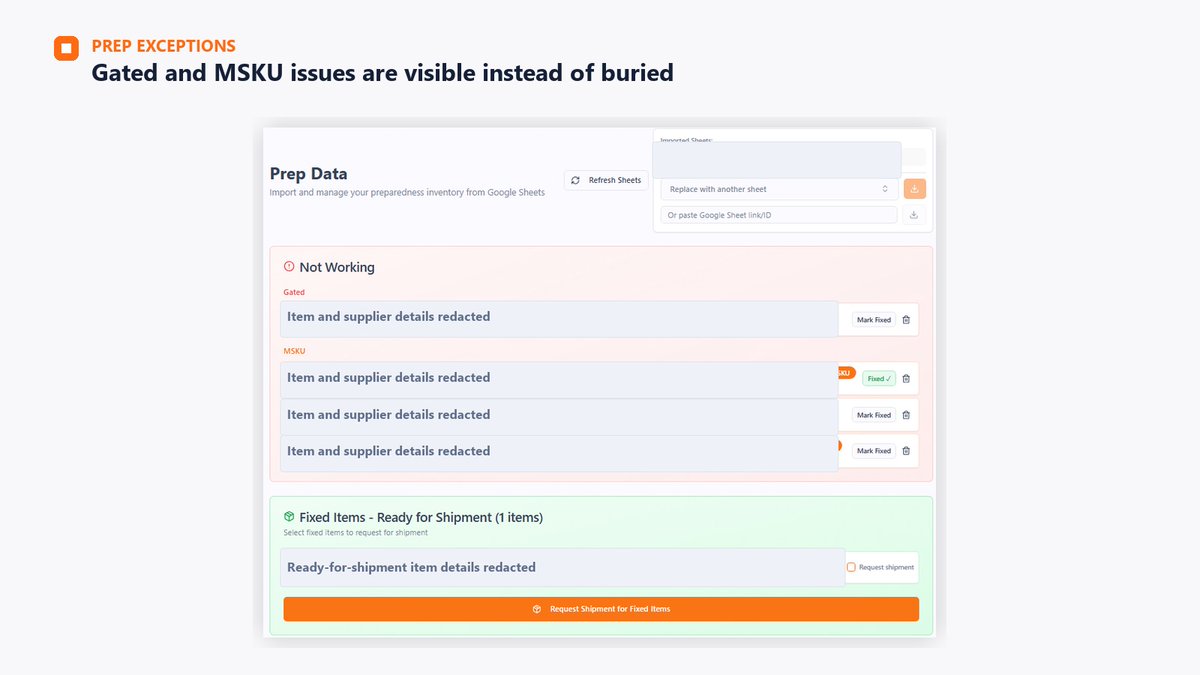
They are the ones that catch gated SKUs, MSKU issues and stock questions early.
Your prep centre should not feel like a black box.
ATP gives sellers a clearer view of stock, prep progress, dispatch and issues before the next shipment turns into a chase thread.
Get a quote: https://t.co/Kp10NKXQqO