An opportunity has come up as part of planned service expansion for a congenital cardiac surgeon to come and join our amazing cardiac team here in Glasgow, UK - get in touch & find out more here: https://t.co/dcoV1sni2V
It’s a rather brilliant part of the world.
@NicUof We are currently looking at this. It’s an interesting question- does the assumption that stopping caffeine is a basic part of the discharge process lead to delays or even harm from intermittent hypoxia? Why not stay on it for longer?
We need to get rid of a whole host of middle managers and put professionals back in charge of wards and departments.
Some of you may be too young to remember matrons but let me assure you the NHS ran much more efficiently.
We are pleased to be advertising for a permanent consultant post in RAH NNU suitable for SPIN and more, and a locum consultant neonatologist post in RAH & RHC for maternity cover. https://t.co/N1gIKOXQJE
https://t.co/WNJ0AxyGir
email [email protected]
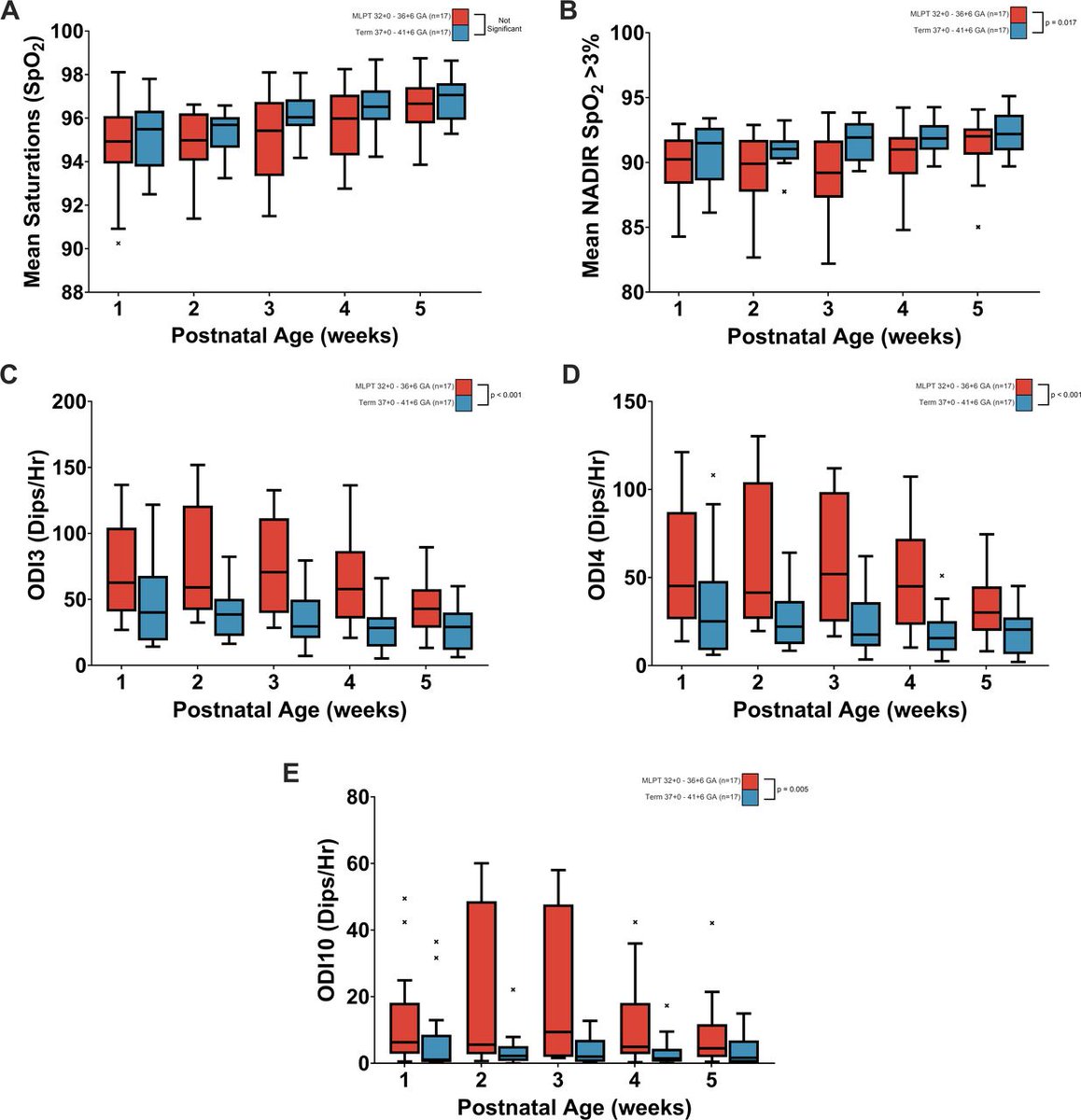
Frequent early-life apnoeas and periodic breathing may contribute to differences in neurodevelopmental outcomes between healthy moderate-late preterm and term infants.
This recently published cohort study analysed temporal trends in oximetry indices. Results showed increased intermittent hypoxaemia frequency and severity in moderate-late preterm infants (born between 32+0 weeks and 36+6 weeks) compared with term infants during the first five postnatal weeks. Despite comparable mean oxygen saturations, moderate-late preterm infants’ more frequent and severe desaturations suggest an under-recognition of respiratory instability if relying solely on mean saturations.
Read more here: https://t.co/Kwyqcx2fYB
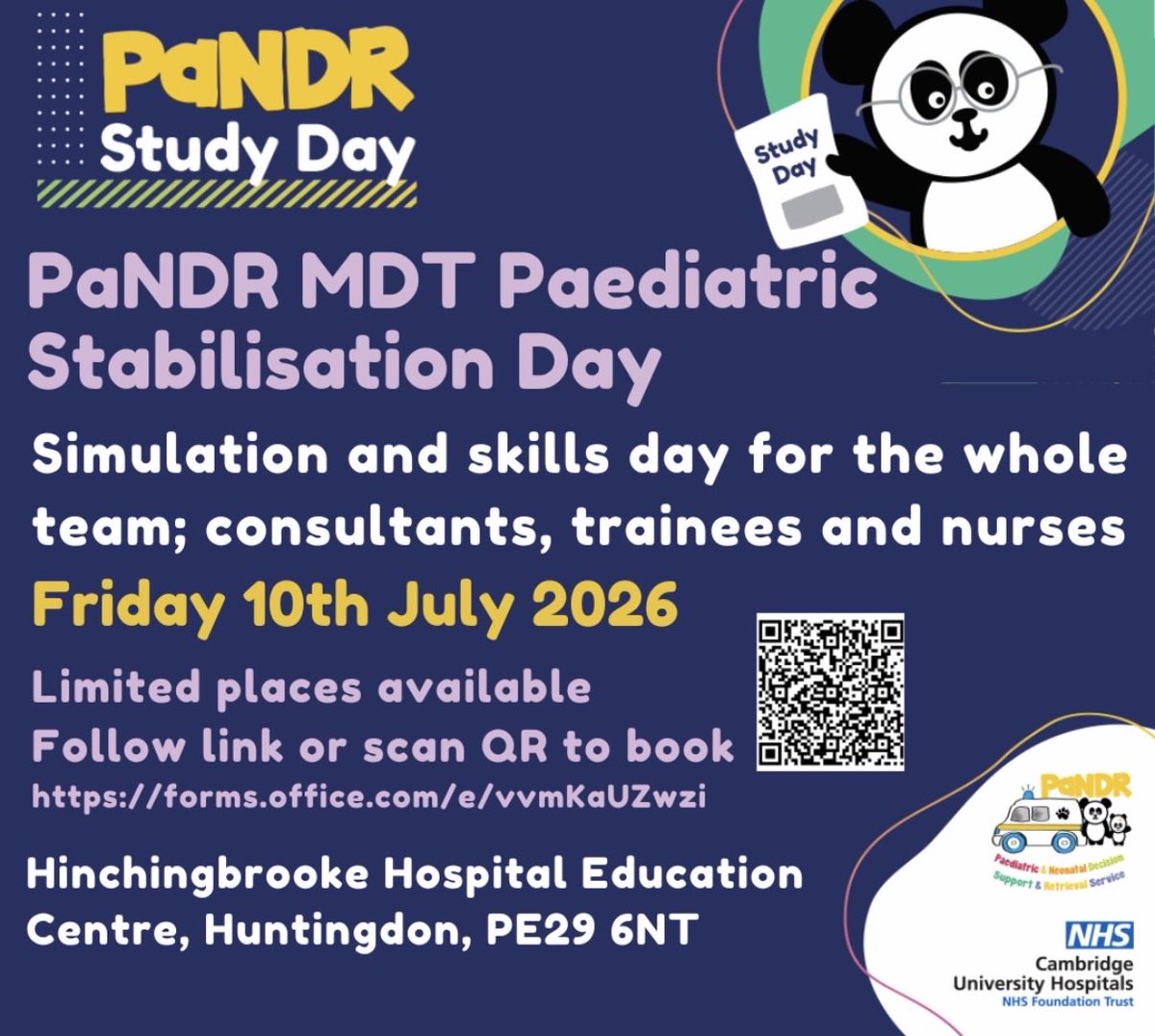
Registration for our Paediatric MDT Stabilisation Day is open (for professionals) 🐼 🚑
Register your interest here: https://t.co/KYLPB2kme8
When: Friday 10th July 2026
Where: Hinchingbrooke Hospital Education Centre, Huntingdon, PE29 6NT
Comparison of functional features and user experience with different types of video laryngoscopes when used on neonatal manikins...
No single device is likely to be perfect for all clinical scenarios. The key to successful implementation lies in selecting a suitable device and investing in ongoing training. This study provides valuable insights to support purchasing decisions, highlights practical user experience and offers constructive feedback that can inform future improvements in device design by manufacturers.
Read more here: https://t.co/14yfazBaci
Connection study published. Probiotics associated with a reduction in mortality (6.2% vs 8.3%, p = 0.036).
But is this any safer (or more effective) than other products already in use in many countries with robust effectiveness data? #neotwitter#neoEBM
https://t.co/Rm0X3AiwAQ
@NICU_Musings Good paper though, I have long that that the various antibiotic course lengths of X days that we have handed down over the generations need more scrutiny and assessment