Exciting news...Nature Methods is hiring a new editor! This exciting and dynamic role will be shared with the Nature Research Cross-Journal Editorial Team.
Apply here by June 1!
https://t.co/5v3dNNKH1q
In this month's Editorial, we take a look back on the past two decades of methods development for basic research in the life sciences. With comments about the early days of the journal from @verokiermer, the first chief editor of Nature Methods.
https://t.co/Zi9nI34OcB
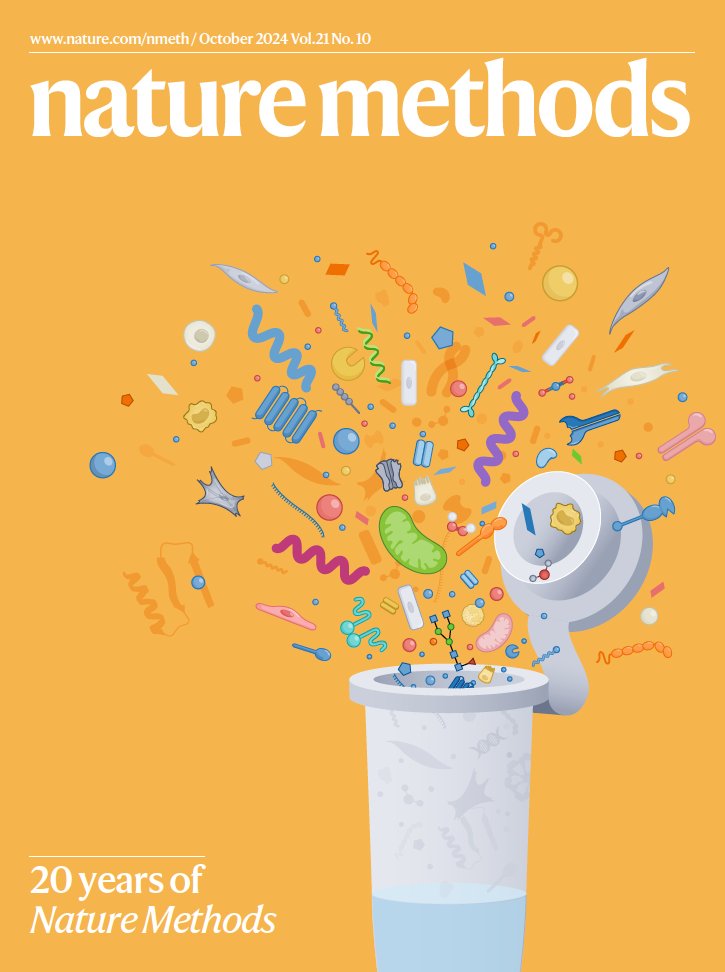
In this very special October 2024 issue, we celebrate the 20th anniversary of Nature Methods! 🎉🎂🥳
https://t.co/I4FNIMpiZQ
(cover artwork by our talented artist Thomas Phillips!)
If you need a refresher about protein structure prediction re today's #NobelPrize announcement, please check out our 2021 Method of the Year Feature (including Comments written by John Jumper & Demis Hassabis and by David Baker). Big congratulations to the winners!!
Our Focus on AI includes a series of Perspectives that discuss cutting-edge computational advances, but also best practices, risks and potential pitfalls.
This month's Focus on advanced AI in biology also contains a series of Comments from leaders in their respective fields, who discuss the broad impacts that AI-based methods are likely to have on many areas of biological research.
To start, please read our Editorial which provides a roadmap to our Focus on advanced AI in biology, and discusses how we (as editors of a methods journal) are both excited about the future, but also cautious.
https://t.co/M8RG86y7Gg
Generative AI, large language models, transformers, foundation models - what does it all mean and what is the potential impact on your research? Whether you're an AI novice or an AI expert, we invite you to read our Focus issue on advanced AI in biology. https://t.co/tlonSmHKJ1
What's in a method name? In our June Editorial, we provide some food for thought about when and how to give your method or software tool a great name.
Sneak peak: pick a name that is unique as a word and easy to remember. Avoid anything cringey!
https://t.co/AfZHfvKwPl
In this month's Editorial we continue demystifying peer review. We describe how we strive to involve more early career researchers as reviewers, and how we aim to bring more overall transparency to the process.
Read it here for free!
https://t.co/rSrZqZDaym
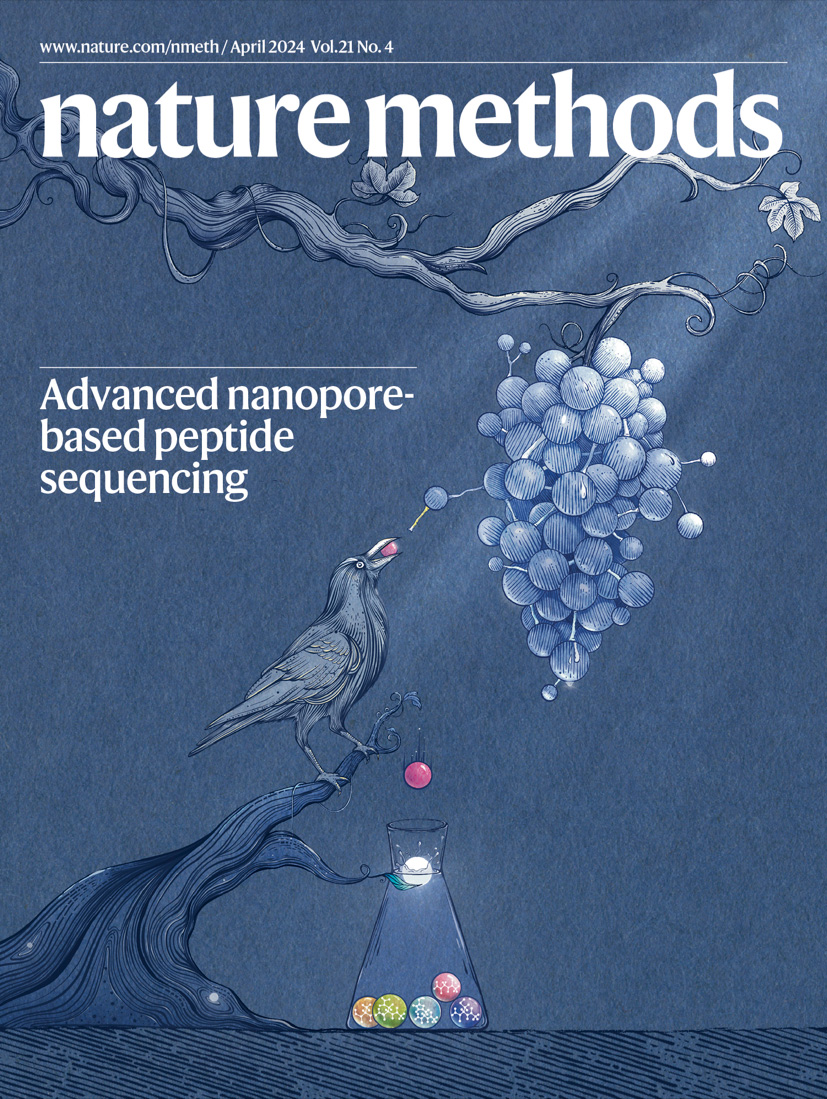
Some weekend reading: our April issue is now live! This beautiful cover artwork is courtesy of Li Zhao, Sichuan University.
Paper here: https://t.co/haduwmMU8F
April issue here: https://t.co/FTvQsCrkud
In this month's Editorial, we explain how we manage the peer review process at Nature Methods.
A key take-home point: reviewers provide advice, while editors make decisions! We also explain how we choose reviewers and handle tricky situations.
https://t.co/IgMHXYxtpF
In our January issue Editorial, we take a look back at some of the team's favorite papers we published in 2023. Was your favorite paper included? Check it out here!
https://t.co/aIHpRtxff4
All of @naturemethods Method of the Year 2023 content can be seen in this fabulous Collection.
I would like to give a big shout-out to Senior Editor @madhuramukho for spearheading the project and editing the pieces in this special issue! 🤩 Please check it out!
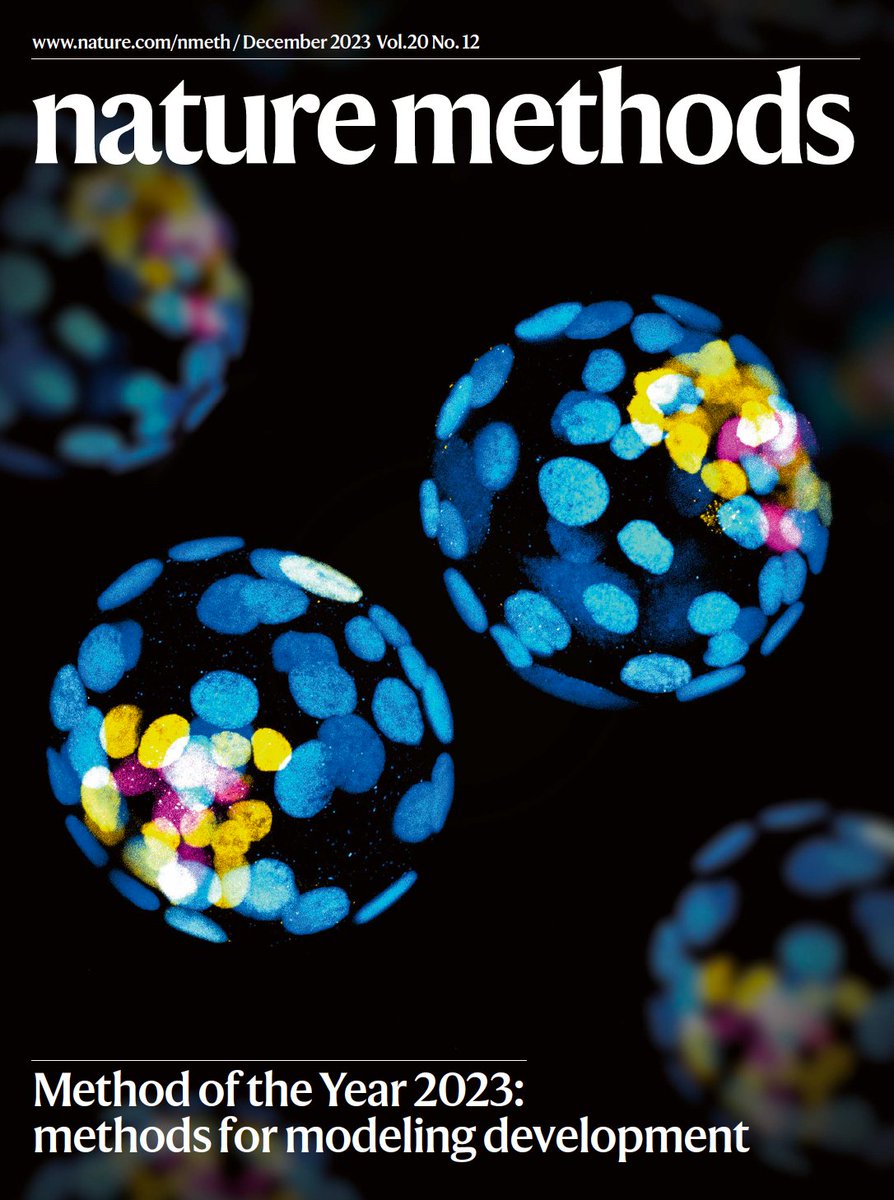
Nature Methods' Method of the Year 2023 is methods for modeling development! For all #MOTY2023 content plus Methods to Watch, please see the Collection here: https://t.co/5o8S7BJE3B
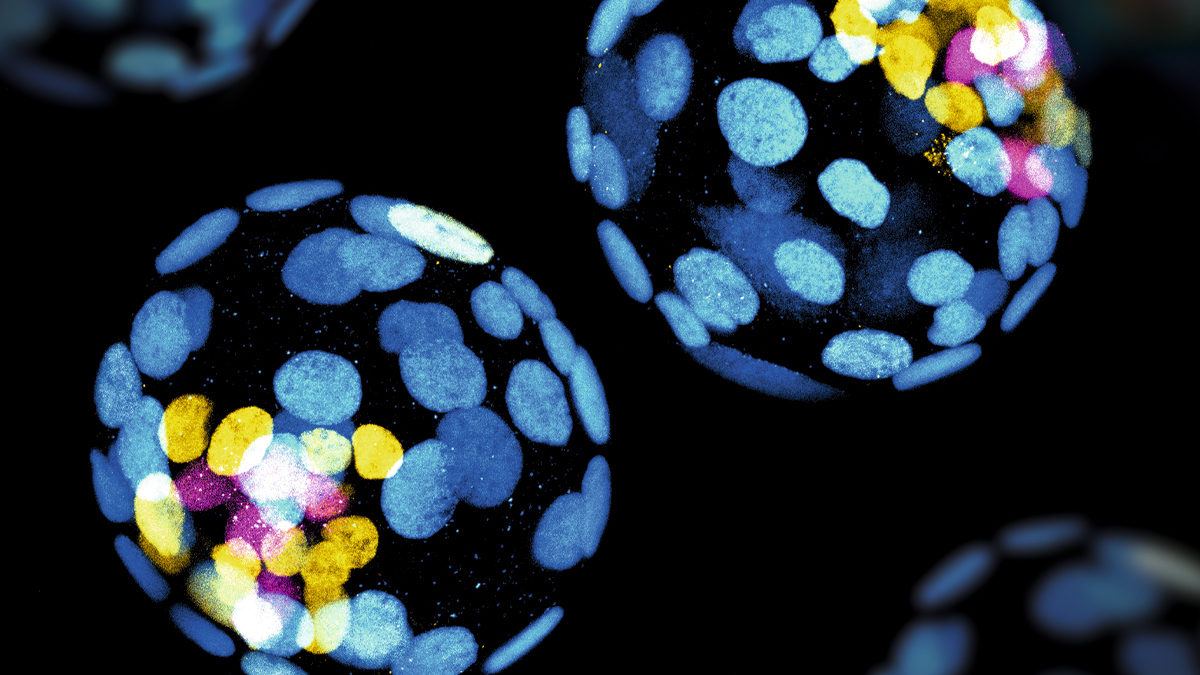
We thank @BernaSozen_ and @ZernickaGoetz for the beautiful cover image of mouse blastocysts!
It's that time of year!! 🎉We are so excited to announce our 2023 pick for Nature Methods' Method of the Year: methods for modeling development. Read the Editorial to find out why we chose this as our pick. #moty2023
https://t.co/RNLeOZLE52