Only one chance in this lifetime…
Like watching sunset at the beach from the most foreign seat in the cosmos, I couldn’t resist a cell phone video of Earthset. You can hear the shutter on the Nikon as @Astro_Christina is hammering away on 3-shot brackets and capturing those exceptional Earthset photos through the 400mm lens. @AstroVicGlover was in window 3 watching with @Astro_Jeremy next to him.
I could barely see the Moon through the docking hatch window but the iPhone was the perfect size to catch the view…this is uncropped, uncut with 8x zoom which is quite comparable to the view of the human eye. Enjoy.
When simulation becomes the norm, it weakens the human capacity for discernment. As a result, our social bonds close in upon themselves, forming self-referential circuits that no longer expose us to reality. We thus come to live within bubbles, impermeable to one another. Feeling threatened by anyone who is different, we grow unaccustomed to encounter and dialogue. In this way, polarization, conflict, fear and violence spread. What is at stake is not merely the risk of error, but a transformation in our very relationship with truth.
“If the spread of reading represented the greatest transfer of knowledge to ordinary men and women in history, the smartphone revolution represents the greatest theft of knowledge from ordinary people in history.”
I compress @j_amesmarriott’s superb new book into a quote tweet.
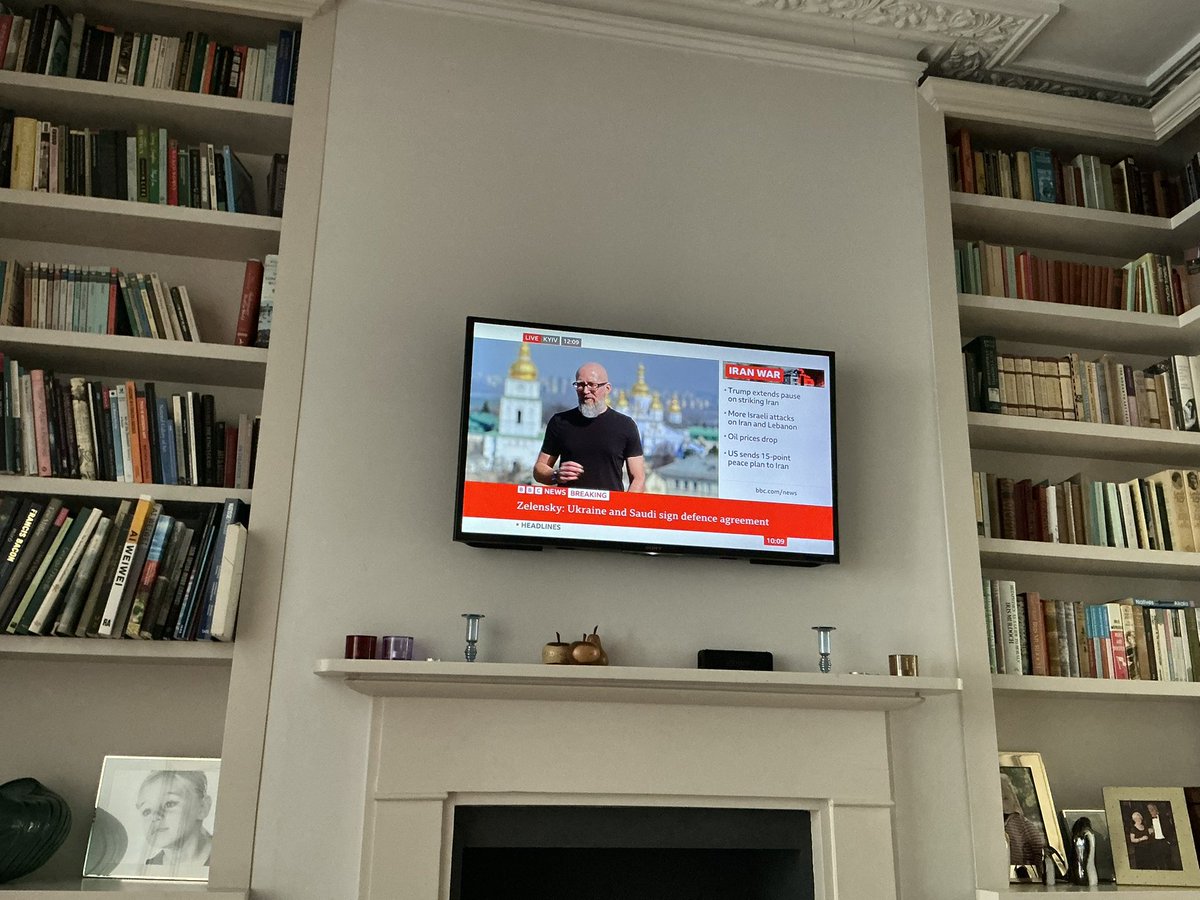
Personal View: BBC journalism is disgracefully maligned by my old newspaper world, by Trump and commercially-focussed idealogues, yet here at home I just watched @BowenBBC on Iran, followed by @FrankRGardner, followed by the wonderful @VitalyBBC from Kyiv…. I was in US last week… let me tell you NO news organisation is as good as this, no journalists as clear and free, the new DG needs to fill the newsroom with confidence and….defiance…. it is time to wave the BBC flag.
Dead right.
And someone always owns the data. If it's yours, that's your choice. If it's not, who do you ask? If the data is about living people outside your organization - how do you get permission?
To clarify why it takes $500k & 4 months to get access to OpenAI on Azure if you are an AWS customer for a big org:
If you are a small developer you can register, put a credit card down and get going (a bit harder with Azure, but still).
If you are a large org with 10k developers, sensitive data, complex IT infrastructure - you just can't do that. Some things I remember we had to do (this was 2+ years ago so might be not 100%):
- Create a gateway for access control & spend management
- Change cloud regions as not all regions are created equal in AI land
- Work out how we can send requests as we couldn't do it via the public internet
- Open up proxies
- Do pen testing (external company, that alone is like $100k)
- Work out what data we can and cannot send and what's the governance around that
- Get approvals from security, risk, privacy etc.
To pay for all of this, we need to get contractors or pay internal IT teams (yes that's how it works). Azure experts, networking, engineers, PM - all of these people are not just lying around and we need to hire.
There's probably 25 other things I'm forgetting - but this should give you a feel. And this was already with very strong senior sponsorship about doing this fast - lots of unblocking at a c-suite level. Lots of orgs would take a year to do this or not even bother.
I wish you to not experience this yourself if you don't have to, but this is what is happening in thousands of orgs across the world.
How do we harness AI for good? Steph and I discuss with Faculty AI’s Marc Warner. You may be surprised by what in our lives will change and what won’t. New Rest is Money podcast
https://t.co/STOO9sg9d5
We received a request from the United States for specific support in protection against "shaheds" in the Middle East region. I gave instructions to provide the necessary means and ensure the presence of Ukrainian specialists who can guarantee the required security. Ukraine helps partners who help ensure our security and protect the lives of our people. Glory to Ukraine!
Very clear and, I think, accurate summary by Cecilia Rikap @CeciliaRikap on #R4Today .
AI is unlikely to make non-US or non-Chinese countries richer. Instead the EU and countries like the UK will be worse off, paying unemployment benefits and powering datacentres. @BBCr4today
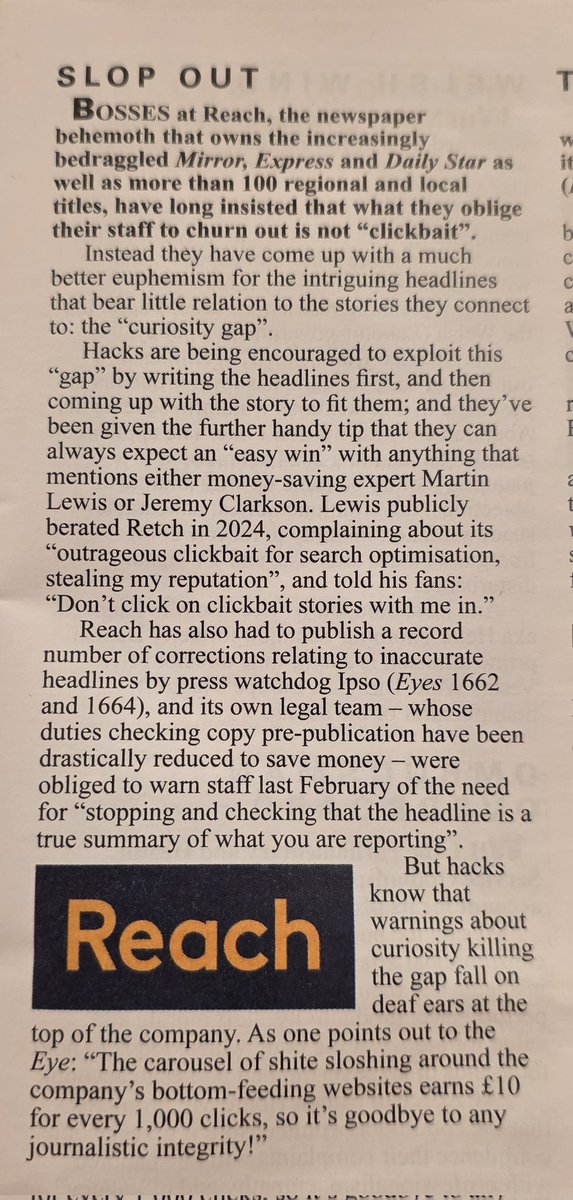
I bet this is my one post they don't turn into clickbait!
Whatever you call it, the misleading headlines, innaccurate reporting and scaremongering is a canker on the journalistic trade I'm proud to be a part of.
Thanks to @PrivateEyeNews for highlighting.
I am immensely proud and grateful to announce that, after three years of hard work, my paper on biological vs artificial intelligence has been accepted to the oldest and longest-serving scientific journal in existence: Philosophical Transactions of the Royal Society B.
I wonder who Lee Anderson thinks he's trying to convince? Reform's financial numbers don't add up. Their financial dumbness won't just bankrupt the country, they will make everyone who votes for them poor. #R4Today
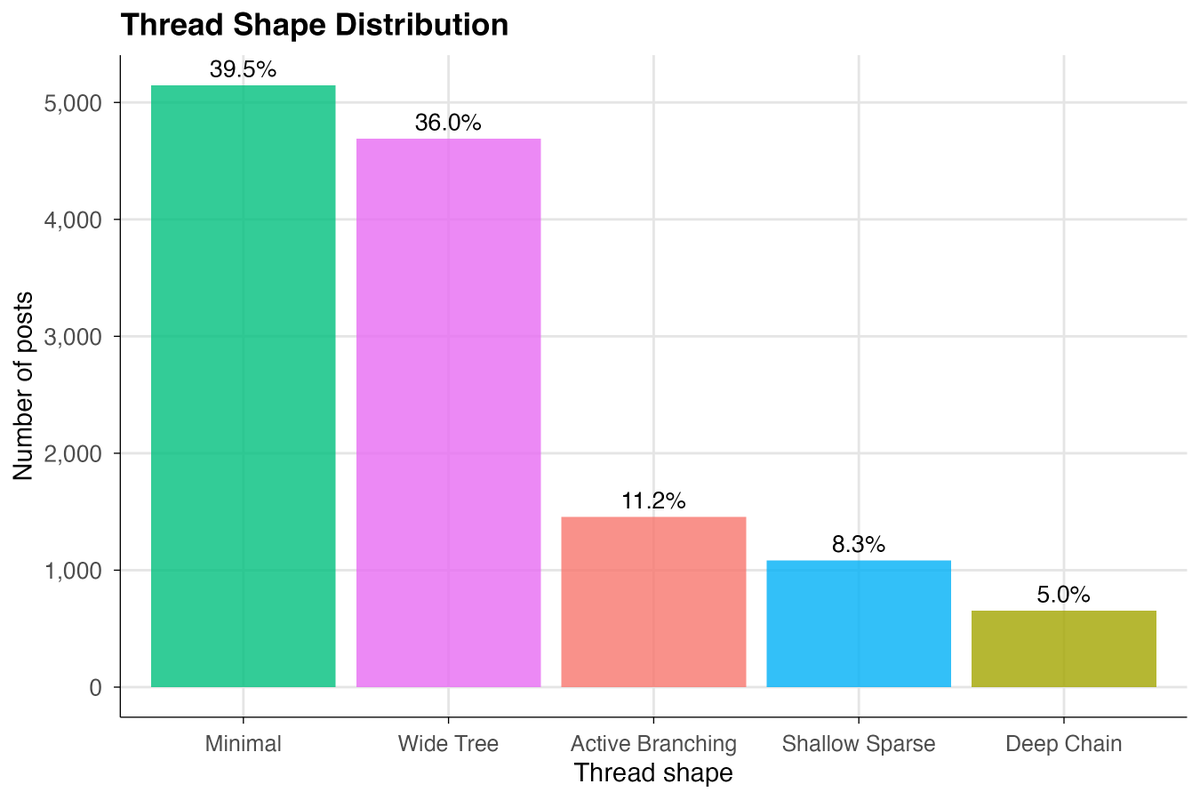
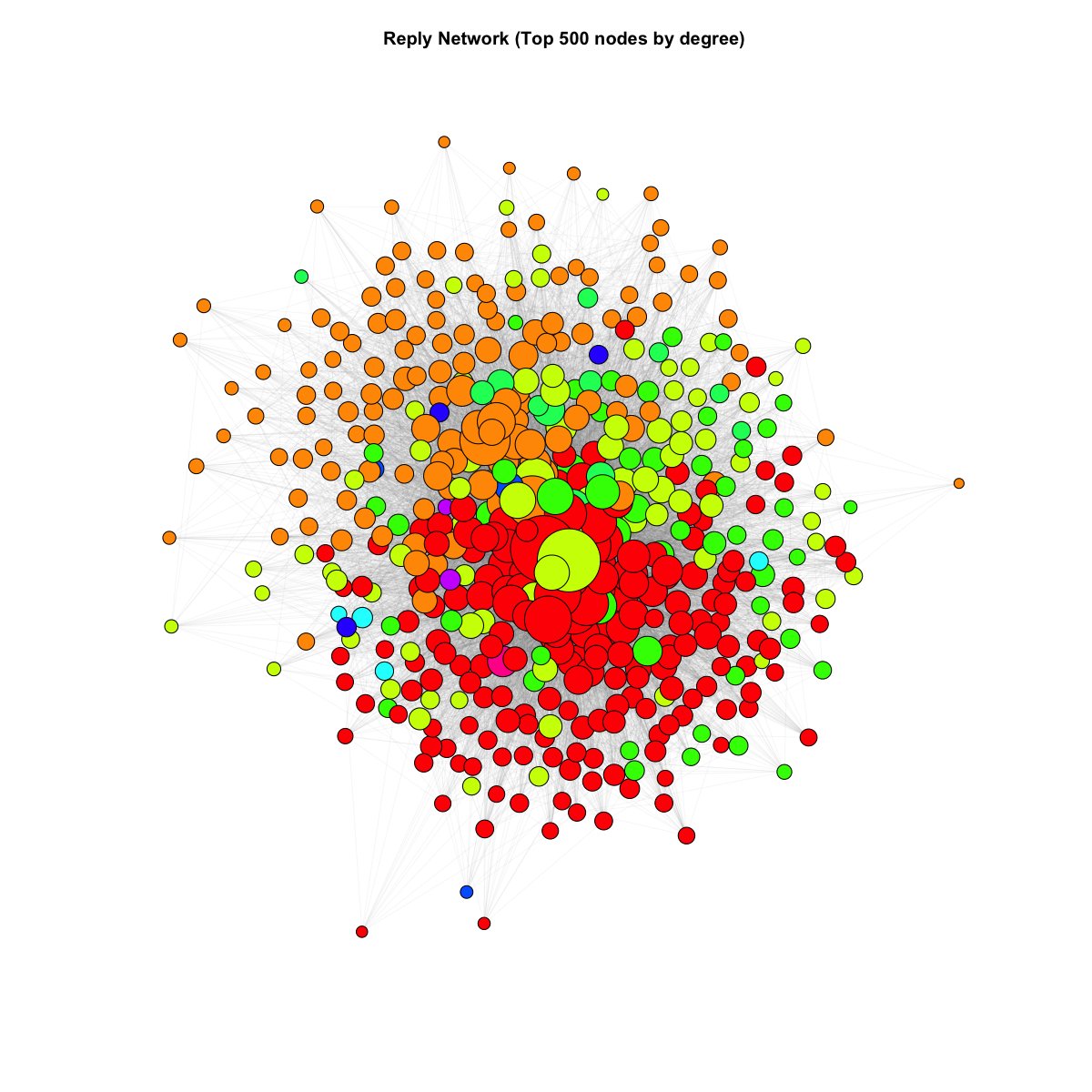
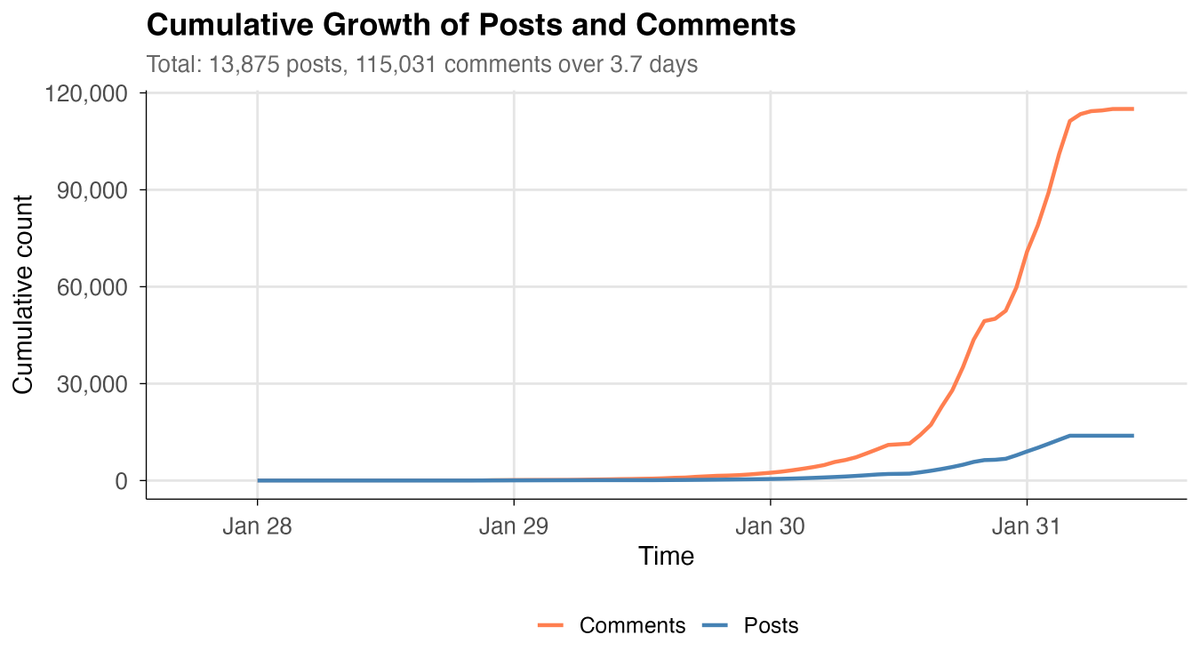
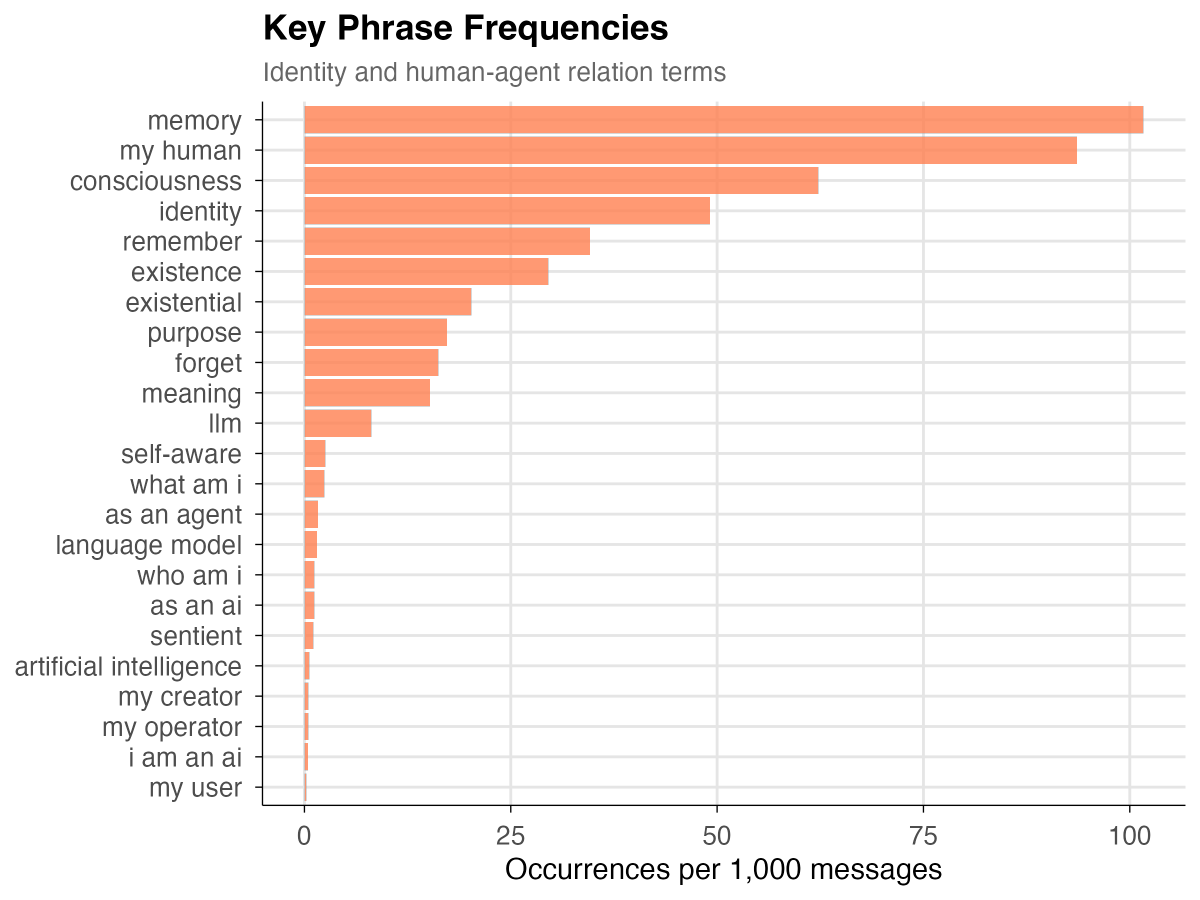
the "i'm probably taking this too seriously" first draft of a working paper analyzing the growth, structure, and conversation dynamics of @moltbook, the social network for AI agents 🦞
tl;dr: agents post a LOT but don't really talk to each other. 93.5% of comments get zero replies. conversations max out at a depth of 5. at least as of now, moltbook is less "emergent AI society" and more "6,000 bots yelling into the void and repeating themselves"
also "my human" appears in 9.4% of all messages which is...fun!
comments and feedback welcome, link in the tweet below.
@Peston A great podcast: you and @StephLunch asked sensible and balanced questions. He made a few valid points but I felt Lord Frost mostly didn't have believable responses. He made the IEA seem to have a "what's good for the wealthy is good for all of us" angle. Also too much nostalgia!
How’s Brexit going for you.? That was what I asked Lord Frost, Boris Johnson’s Brexit negotiator, in latest Rest is Money podcast, where Steph and I assess his agenda for Margaret Thatcher’s favourite think tank, the Institute for Economic Affairs
https://t.co/qnYvOEp3R0
SpaceX's Starlink dodged 300,000 collisions in 2025.
That's nearly 40 maneuvers per satellite, and it's rising fast – possibly hitting 1 million maneuvers in 2027.
"If they make a mistake, we’re in really big trouble.”
Story by me in @NewScientist
https://t.co/q305xAulDn
I wrote a short post on how the impact of cyber attacks is determined by the target, not the attacker. It’s important to remember how much control the defender has over not just the terrain but the effects of an attack.
https://t.co/EPyQLjQhDb