1/ You can shrink a language model's KV cache by 200×, in a single forward pass, and it still answers correctly.
At 256k context that's 36 GiB of cache down to ~360 MiB, with no change to the base model.
Here's how we did it 👇
A 6-person team is building task-specific AI models that are 4-8x faster than anything from OpenAI or Anthropic. 500K downloads on HuggingFace. No hype. Just better engineering winning on the merits.
This is what "make something people want" looks like in the model layer.
https://t.co/nsf8b31xha
This is Algebrica. A mathematical knowledge base I’ve been building for 2.5 years.
215+ entries, carefully written and structured.
400k+ views over this time. Not much in absolute terms, but meaningful to me.
No ads.
No courses to sell.
No gamification.
No distractions.
Just essential pages, aiming to explain mathematics as clearly as possible, for a university-level audience.
Built simply for the pleasure of sharing knowledge.
Content licensed under Creative Commons (BY-NC).
Best experienced on desktop.
If it helps even a few people understand something better, it’s worth it.
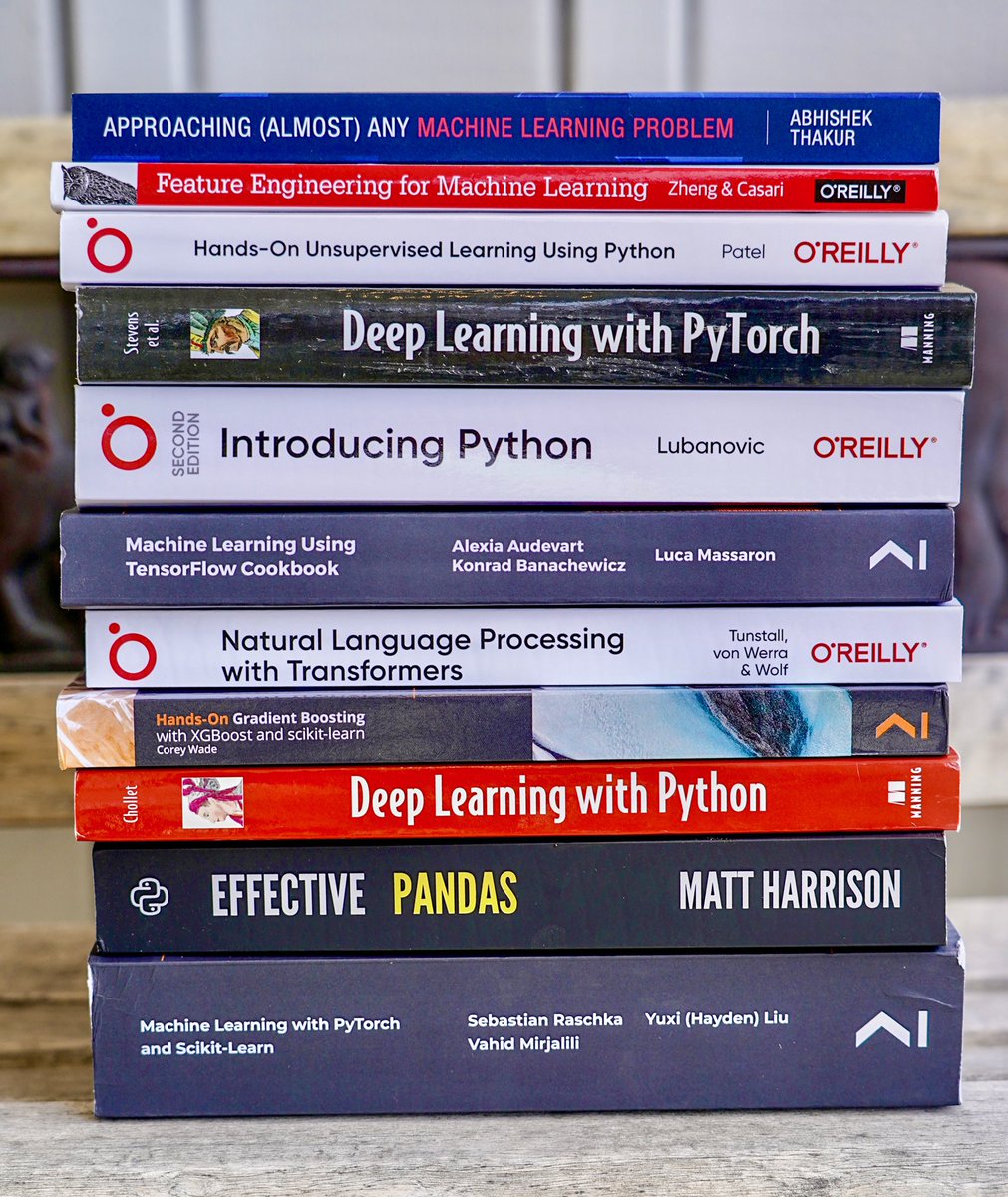
Here is a snapshot of a (small) subset of all of my Coding, Data Science and Machine Learning books. This collection would get you close to 98%-99% of all the necessary core skills to be a good Data Scientists. 1/6
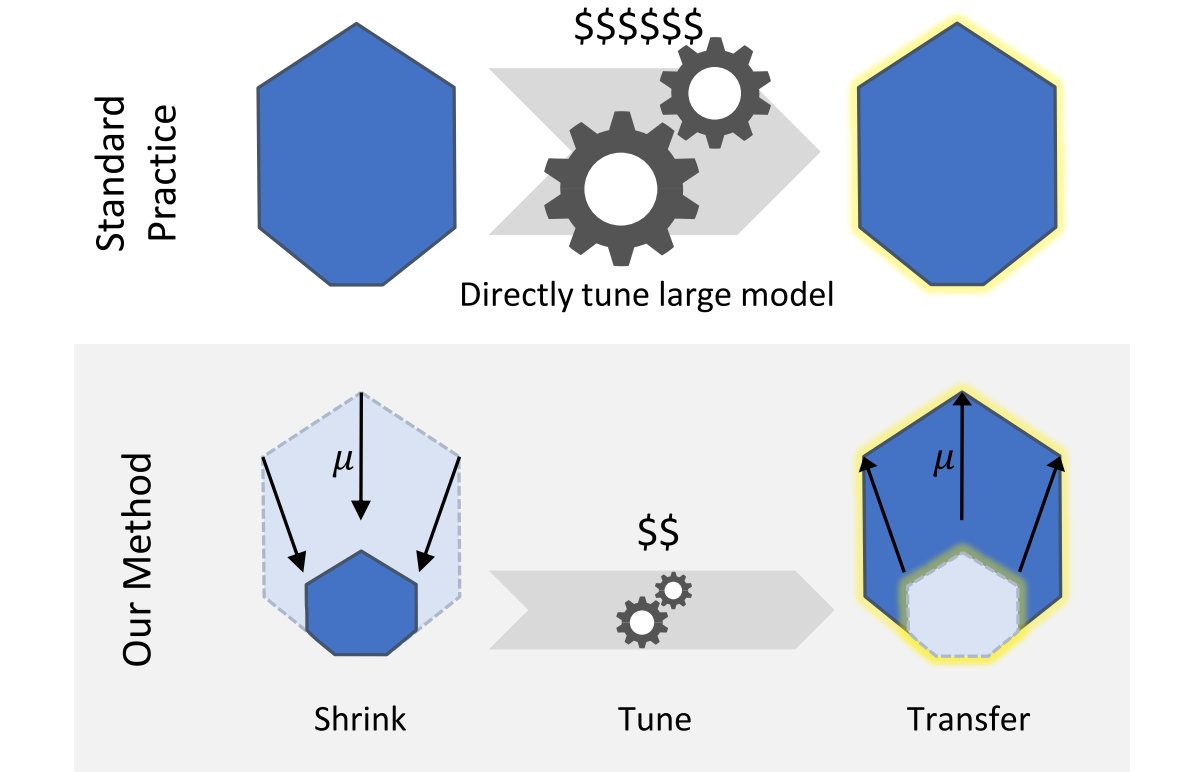
2/ The idea is actually really simple: in a special parametrization introduced in https://t.co/vhvvXylq58 called µP, narrow and wide neural networks share the same set of optimal hyperparameters. This works even as width -> ∞.
1/ You can't train GPT-3 on a single GPU, much less tune its hyperparameters (HPs).
But what if I tell you…
…you *can* tune its HPs on a single GPU thanks to new theoretical advances?
paper https://t.co/urEUY7O3yQ
code https://t.co/5S0YAghCYx
blog https://t.co/QPqinMwOXj
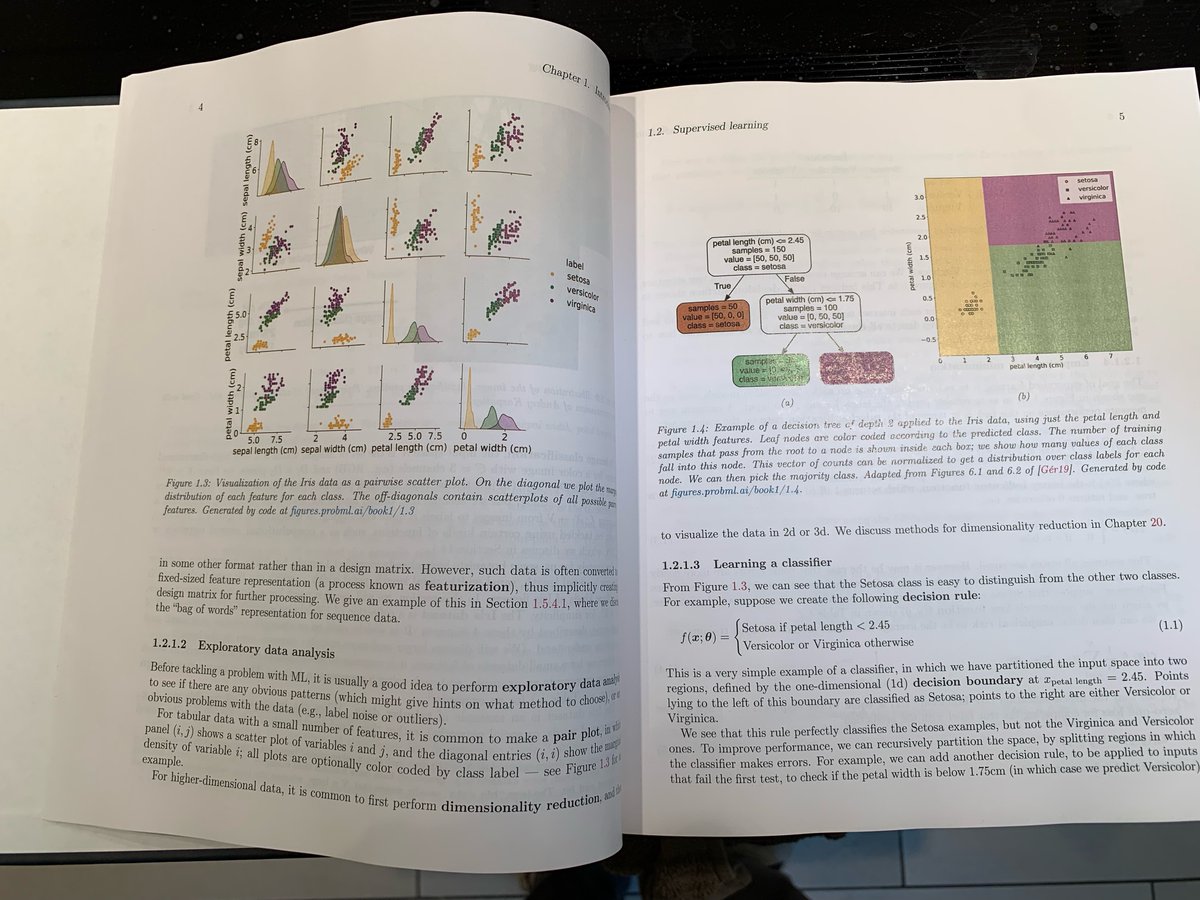
I just got a hardcopy of my own book - it finally feels real :) I'm very happy with the print quality (see attached photo) - but you can still get the pdf for free from https://t.co/dSlKkwYpLr if you prefer.
Being able to think in terms of probabilities is a superpower, period. And that includes your own beliefs and opinions. Probabilistic and statistical thinking unfortunately doesn’t come naturally to us. Takes years of training and experience to develop.
If you find yourself being asked about this in a DS job interview, or even worse to *code* an ML algorithm from scratch, just end the interview there and then. Trust me on this one.