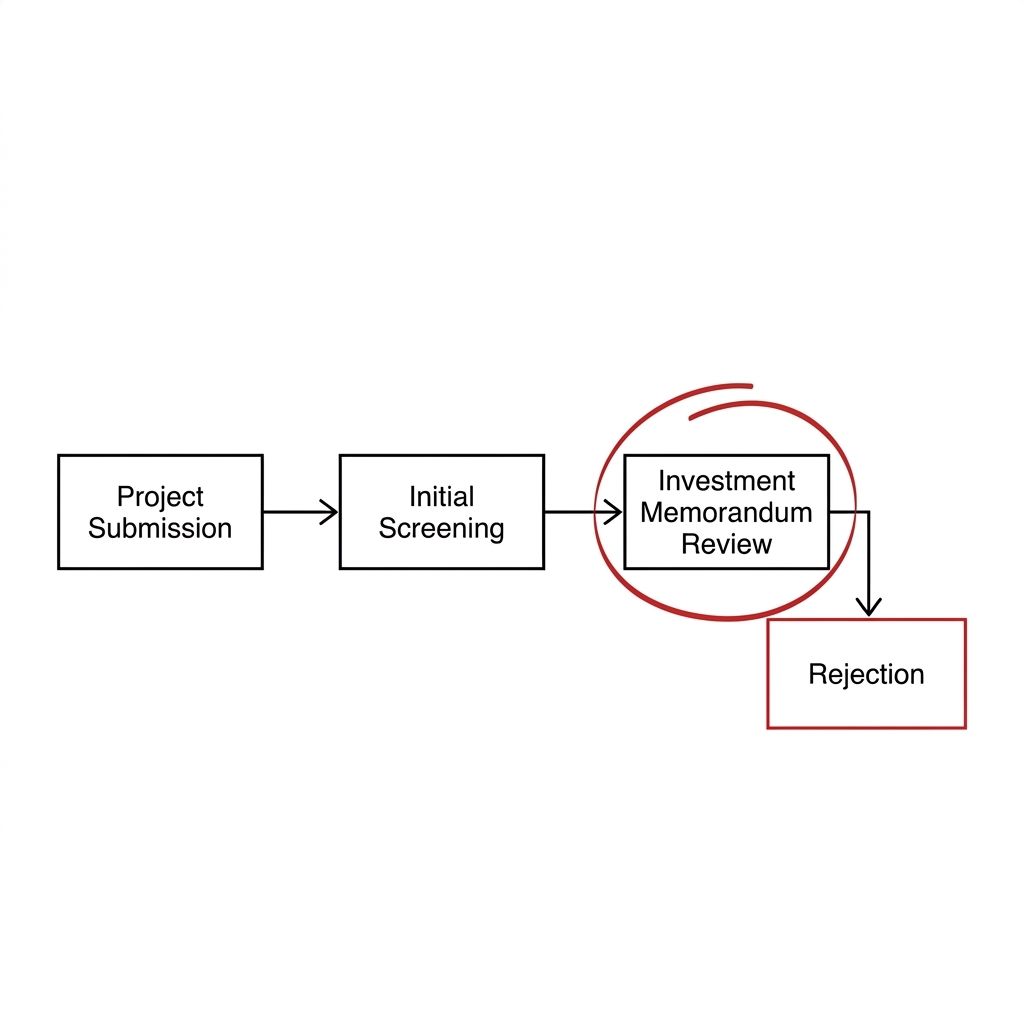
Survived lender screening. Then the lender rejected the project. Ask: Did the submission clearly explain cash flow, structure, risk, repayment and security? A strong project can still create a weak submission.
See the Investment Memorandum Blueprint →
https://t.co/Xx1cioHw7a
Financial close can be delayed by something surprisingly basic: document chasing.
Request → search → wrong version → clarification → another request.
A structured VDR breaks that loop.
Build your VDR before submission → https://t.co/SANH50gsXz
If project finance is taking longer than expected, look at what happens before the lender decides.
The AltFin Feasibility Study Blueprint gives you the structure, sequence and pre-submission checks to reduce avoidable rework.
See the Guide → https://t.co/CO1wrlW05A
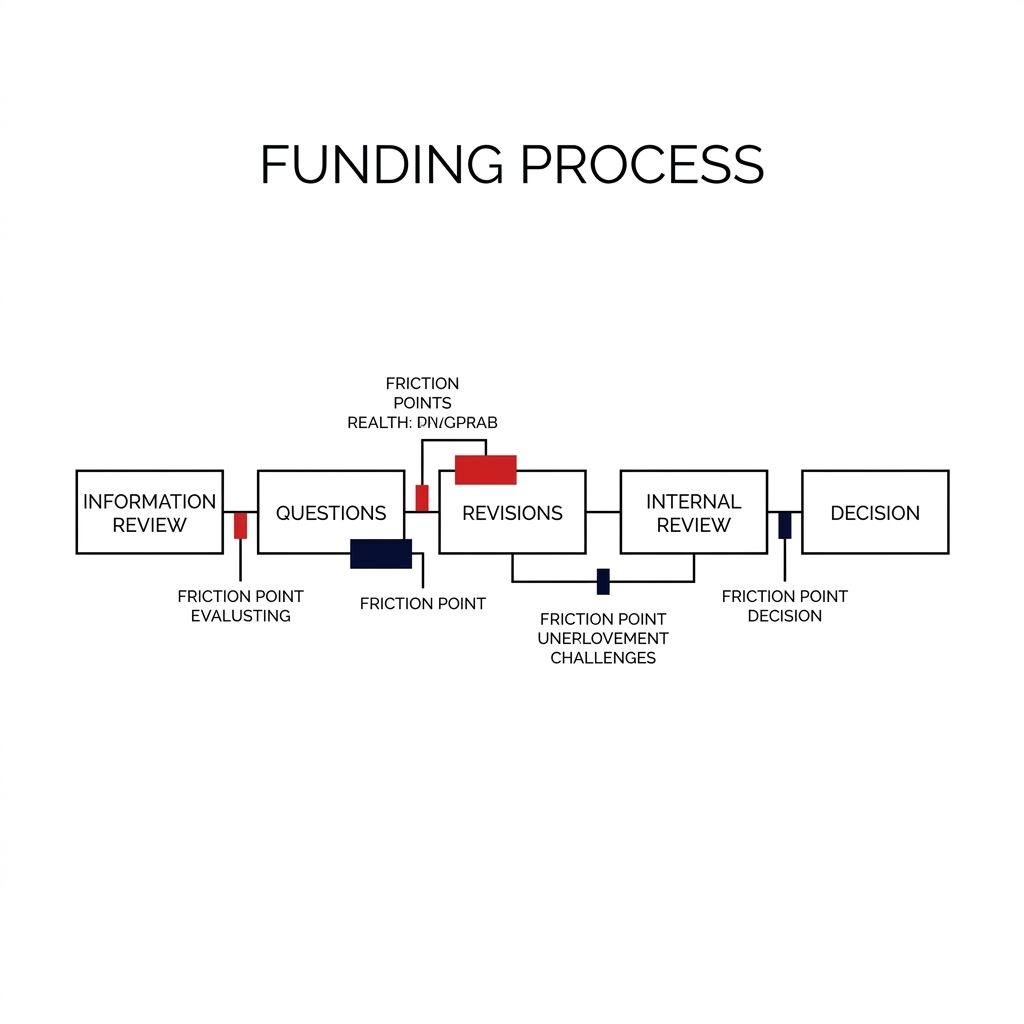
Infrastructure funding can stall without anyone saying “no.” Unanswered questions. Conflicting numbers. Before seeking more investors, ask: Can the reviewer actually make a decision from what you gave them?
See the Investment Memorandum Blueprint → https://t.co/Xx1cioHw7a
Banks aren't just checking whether documents exist.
They're asking whether the project can be understood and verified efficiently.
A good VDR creates a clear path: orientation → credibility → risk & returns
See how to build the VDR → https://t.co/SANH50gsXz
“How much detail does the lender actually need?”
The answer isn't “more documents.”
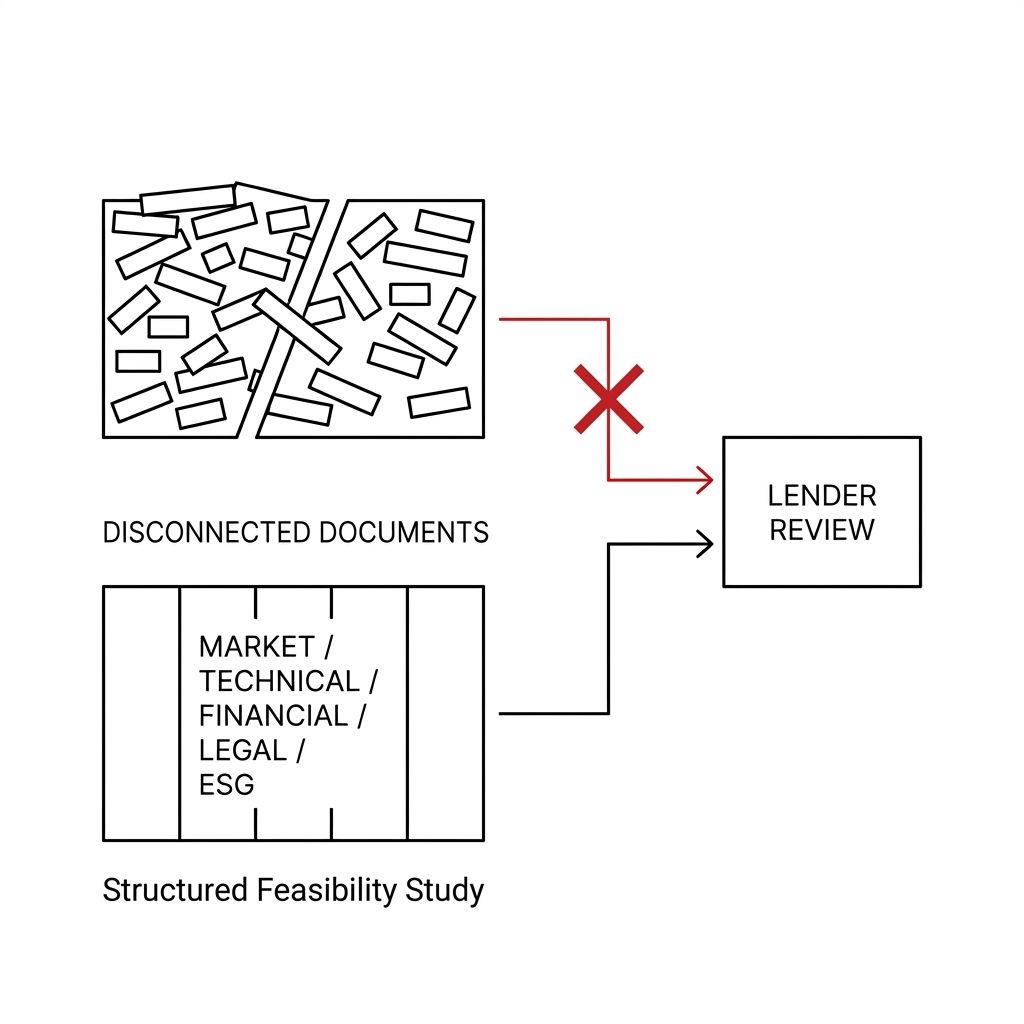
The feasibility study needs a structure.
The AltFin Feasibility Study Blueprint shows what each section needs and how to check it before submission.
See the Guide → https://t.co/CO1wrlW05A
A renewable energy project may be delayed not because the lender needs “more information.” But because nobody knows what matters. Every missing document creates another question, email, revision and week.
See the Investment Memorandum Blueprint → https://t.co/Xx1cioHw7a
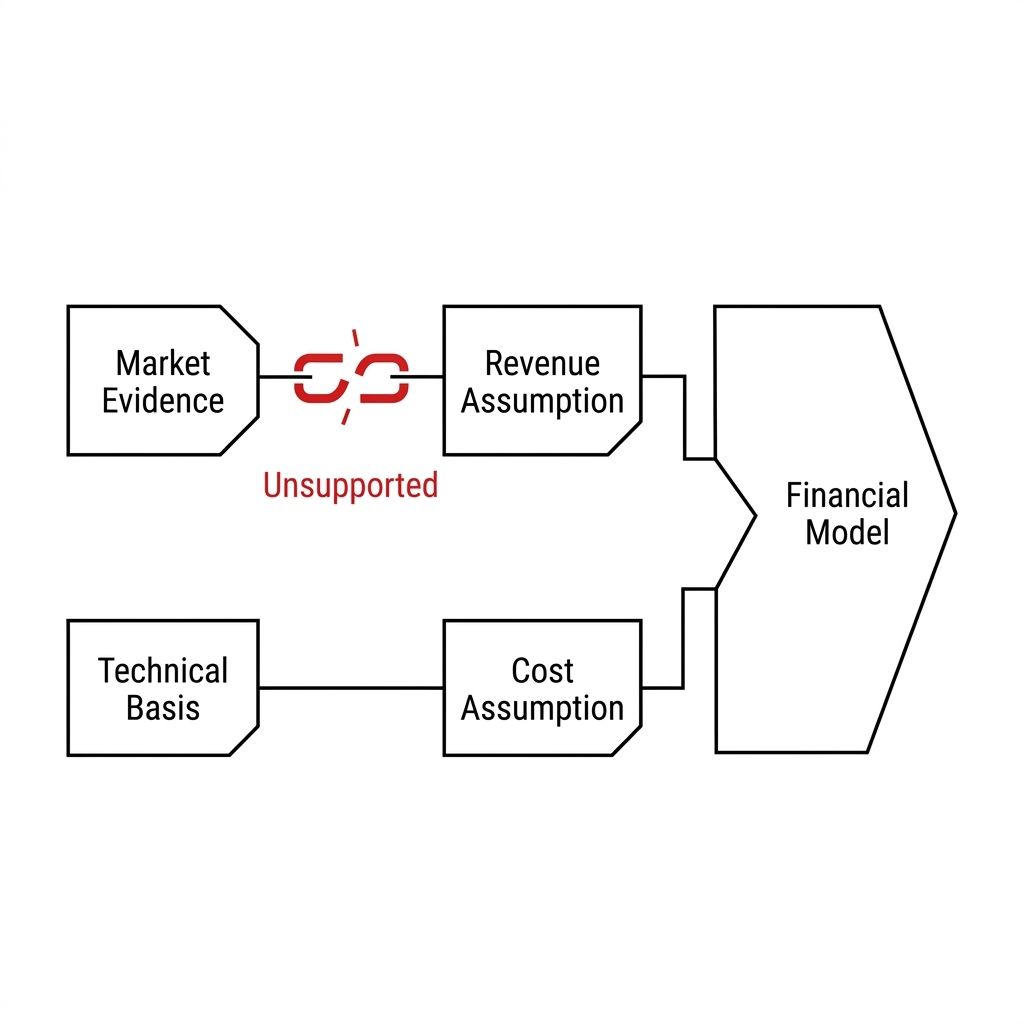
“Your assumptions are unrealistic.”
That isn't just a comment about one number.
It raises the question: what produced the number?
If those links aren't defensible, lender confidence suffers.
See the Guide → https://t.co/CO1wrlW05A
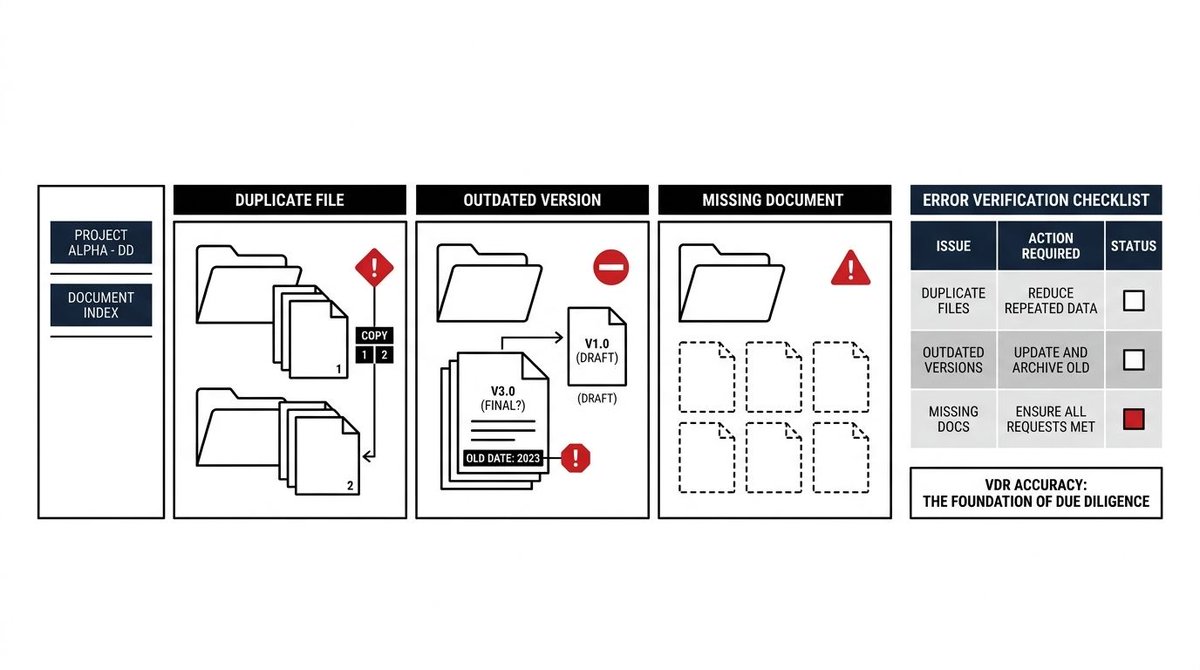
Wrong versions. Duplicate files. Draft contracts. Missing evidence.
Most embarrassing VDR mistakes are completely preventable.
Run a proper pre-submission check before the lender sees the roo
Get the Guide → https://t.co/SANH50gsXz
Lenders don't need to find one catastrophic problem to lose confidence.
Sometimes it's the accumulation of small inconsistencies.
Don't make the lender discover that your project is structurally incomplete.
See the Guide → https://t.co/CO1wrlW05A
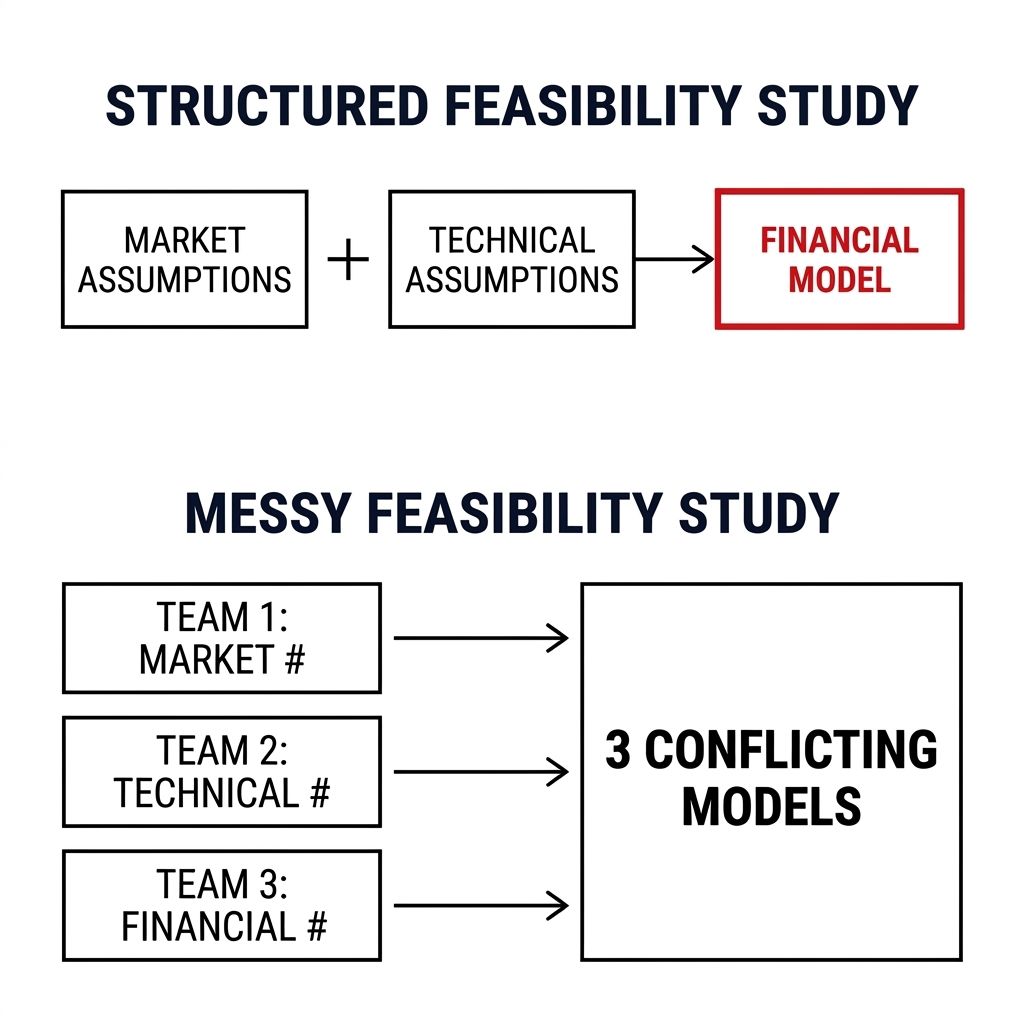
If your own project team can’t agree on the assumptions, don’t send the IM yet. Revenue, capex, debt repayment, downside case—if these differ across docs, the lender will find it. Find it before the lender does.
See the Investment Memorandum Blueprint → https://t.co/Xx1cioHw7a
If your project numbers change depending on who you ask, you have an information-control problem.
If every team builds independently, you don't have one project model—you have competing versions of the project.
See the Guide → https://t.co/CO1wrlW05A
Investors can lose confidence before finding a single bad number.
Missing documents. Conflicting versions. Poor structure.
Your VDR is also a signal about how prepared the project is.
See the VDR Guide → https://t.co/SANH50gsXz