Altius is building high-performance blockchain infrastructure for modern financial rails. HFT-grade throughput for payments, trading, and onchain markets.
When cancels compete for blockspace on general purpose chains, network latency under load pushes prices all the time.
With HPEC, Altius Venue is designed to be just as fast at p99 as it is at p50.
If you're building an exchange, reach out:
https://t.co/6gjTfkgz7t
Altius Venue is purpose-built for trading. It runs matching on HPEC, which carries the trading path and nothing else.
This is because an exchange’s spreads are set by the moments its infrastructure is slowest: Market makers widen every quote to cover the cost of a slow cancel
Introducing Altius Venue: specialized trading infrastructure for exchanges, built by high frequency traders.
Altius Venue lets you define matching rules, on chain or off, set the market listing policy, and own the economics
HPEC handles margin, liquidation, and funding, with sub-millisecond execution. HPEC ensures the part of trading that needs to be fast and predictable is fast and predictable.
You can also bring your own order book
Another year back in 🇭🇰 for #HKFTW ! Catch me today at @HongKongFinTech for a panel discussion around “Building Real Markets for Tokenised Assets”.
🕑: 3:50pm - 4:20pm
📍: Hall 5FG, Digital Assets and Web3 Forum
🏦 Is crypto’s institutional era here?
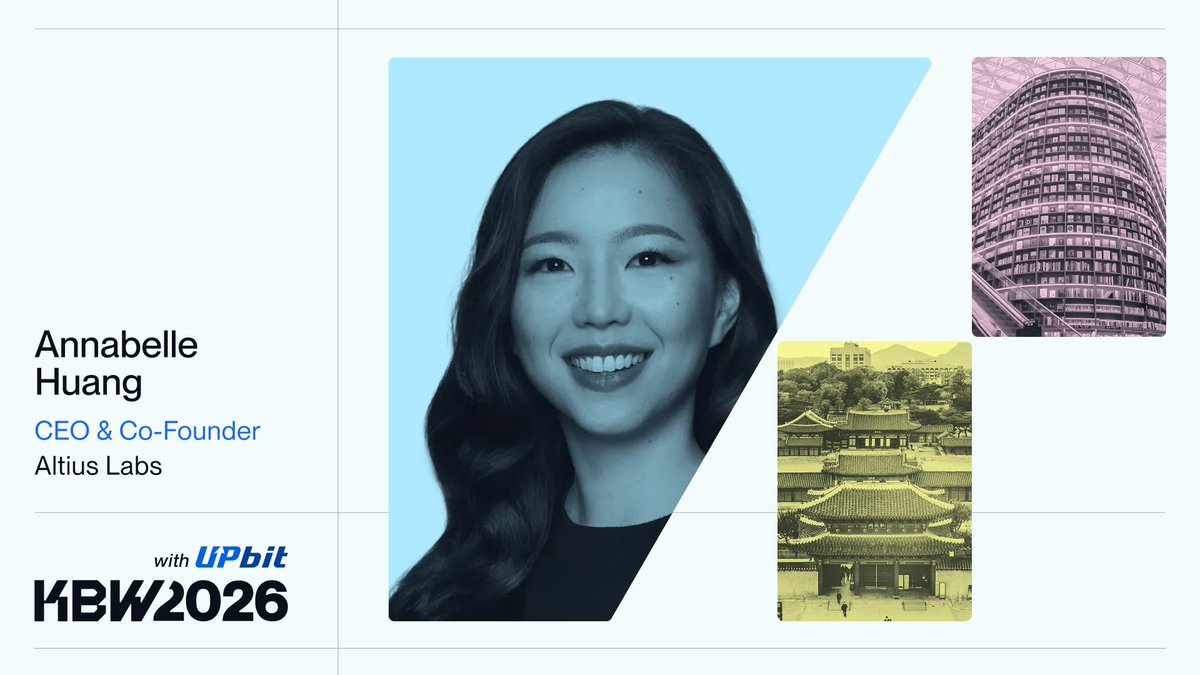
@_annabellehuang of @altiuslabs joins @_dsencil at @kbwofficial to unpack privacy, onchain trading, liquidity, AI, and why Korea feels different this year.
The bigger shift isn’t one headline. It’s what’s being built next. Full interview.
Back-to-back APAC conference weeks are finally over. Some takeaways:
KBW: Smaller and more institutional than last year. Suits to hoodies is a real ratio. Korean banks and corporates still can’t hold or trade crypto, but they’re preparing for rule changes next year and focusing on tokenization and stablecoins. Korea’s volume is historically retail-driven, so next year’s capital gains tax will test whether that holds.
TOKEN2049 SG: Bigger venue, lower attendance. The biggest names ran their own events, and there were far fewer side events as budgets tightened. Sentiment feels cautiously positive as prices improve, but it’s been a hard year. Few token launches, some market makers are winding down, and many venture funds are underperforming on venture investments while turning to liquid positions instead.
What stood out:
- Revenue and business models matter more than narratives
- General-purpose infra comes up far less; purpose-built infra quietly serves real use cases
- Perps are crowded, but there’s still room to compete on asset variety (crypto + tokenized assets) and liquidity
Bottom line: the industry is shifting from narrative to fundamentals. The projects that last will be the ones with real revenue, real users, and infrastructure built for a specific use case.
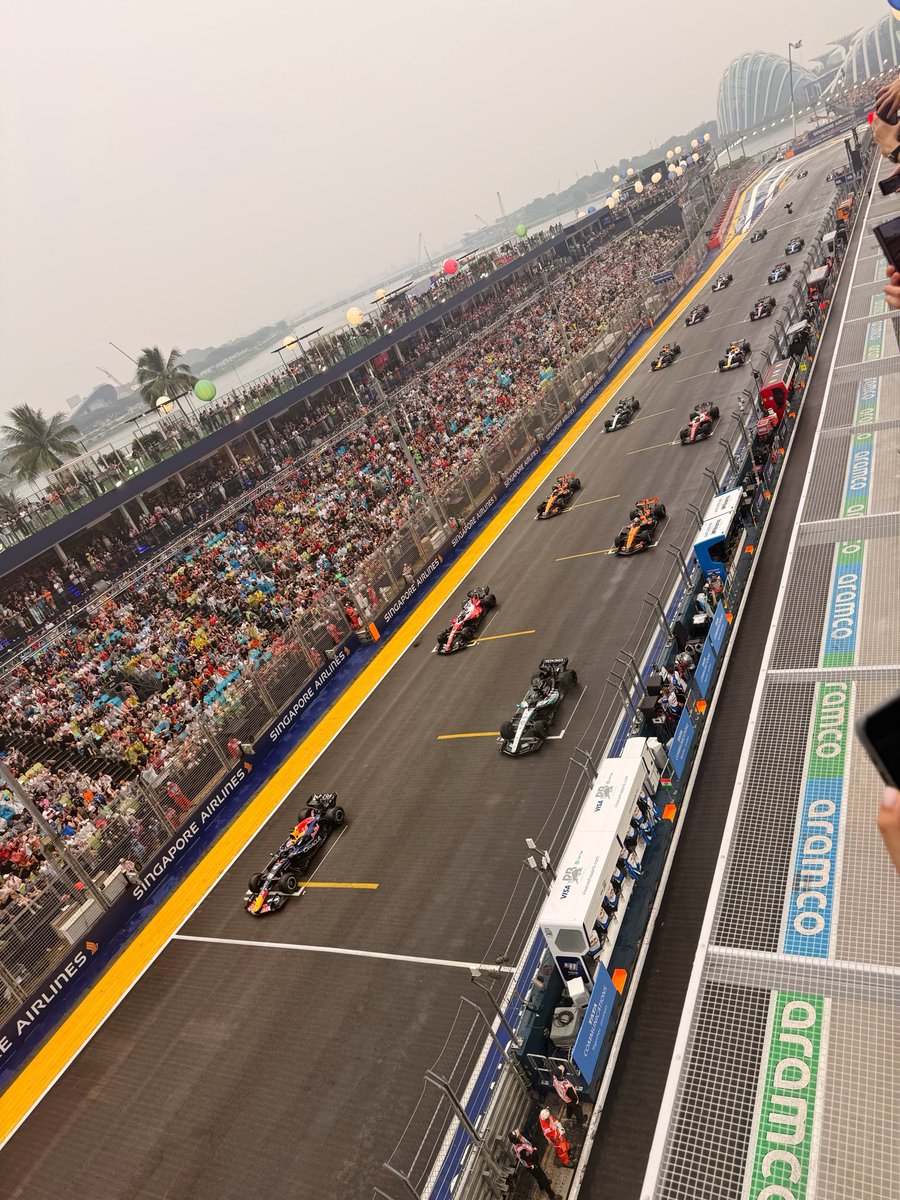
P.S. got to catch Singapore’s first-ever F1 sprint race. All the intensity in half the time. Thanks @KASTxyz for hosting me!
Which parts of onchain finance actually need to be fast?
At KBW 2026, Altius Labs CEO Annabelle Huang joined the panel on "Onchain Finance's Speed Problem", covering latency, transaction ordering, and what financial applications need from infrastructure to operate at real scale onchain.
Thank you to @TIGER_NODE for moderating, to fellow panelists @Austin_Federa of DoubleZero Foundation and Halil Mirakhmed of The Open Platform for a sharp discussion, and to @kbwofficial and @Official_Upbit for hosting.
Altius CEO @_annabellehuang will take the stage at @kbwofficial later this week for the panel, “Onchain Finance’s Speed Problem.”
When it comes to improving speed, two versions usually get argued, and each drives different design approaches:
Liquidity was the problem in 2017.
A record day on a decentralized exchange was 100k. @AltiusLabs's co-founder @_annabellehuang says it is mostly fixed now that Wall Street is in. What is left is infrastructure: running a chain securely, which she says is a high bar for app builders who are not blockchain experts.
We also got into:
- Crypto's talent drain to AI labs
- Tokenized stocks vs options
- Why perp DEXs fail
- 24/7 trading
The full episode is out now.
https://t.co/7TOlocScFd
Altius CEO @_annabellehuang was quoted in Bloomberg on the two sides of crypto: settlement for institutions and experimentation for DeFi.
Altius builds for both. An EVM-compatible L1 institutions can operate, and an offchain order matching engine for the next-gen trading
Blockchain's focus has moved from new assets to new markets for things that already exist: gold, oil, pre-IPO companies.
Altius CEO @_annabellehuang in @CoinDesk on what those markets demand of infra: throughput, latency, liquidity depth, and reliability.
Read the op-ed, below
The first is physical. Where validators physically sit decides who gets to the venue first. The other is structural: speed is actually a red-herring for ordering, which makes it a problem solved at consensus.
If you’re at KBW2026, come find out which parts of onchain finance even need to be fast.
Altius CEO @_annabellehuang will take the stage at @kbwofficial later this week for the panel, “Onchain Finance’s Speed Problem.”
When it comes to improving speed, two versions usually get argued, and each drives different design approaches:
A substantial part of this industry is going to end up as cutting-edge plumbing for the world's finance incumbents.
Altius CEO Annabelle Huang on why the institutional and defi tracks are separating, why both are stronger for it, and how end consumers will ultimately benefit.