Implementing a business style operating systems approach to disease management could help healthcare organizations better manage challenging health conditions. https://t.co/VA32gQTqGU
New hope in dementia research! Macquarie University's CTx1000 halts ALS & FTD progression in mice. Potential for Alzheimer's treatment. View our recent post for more https://t.co/RVcqR3b2ye #DementiaResearch#FTD#GeneticTherapy#Breakthrough
“Shingles infection may awaken dormant neurological herpes viruses, causing inflammation and accumulation of Alzheimer’s associated proteins in the brain.” Writes SciTech Daily. https://t.co/LPxkPyeXZI
“By using a headset that delivers pulsing lights and sounds at fast and specific frequencies. The aim is to help the central nervous system clear out certain proteins that can lead to different neurological diseases and dementia.” https://t.co/FAY7Ledu6S
A recent study from the Karolinska Institute in Sweden has been published in the journal Neurology finds that “mechanisms connected to a specific diabetic medication may also help protect against Alzheimer’s disease.” https://t.co/ujDfaltW8b
Reports are quickly circulating that key study data, used to help guide billions of dollars in US federal research on Alzheimer’s Disease, may have been purposely altered to substantiate a preferred hypothesis. https://t.co/KLD0GgKhh7
News Medical reports that “A sensor identifies misfiled protein biomarkers in the blood. This offers a chance to detect Alzheimer’s disease before any symptoms occur.” https://t.co/B3DSfDFfEn
Best Life reports that “researchers are now identifying drugs that may be beneficial to AD patients, including one that may help relieve a particular Alzheimer’s symptom and improve quality of life.https://t.co/xrJxH2U1O4
"Don't go it alone. Reach out for help." One physician shares his personal connection to Alzheimer’s disease and offers advice to others caring for loved ones with cognitive impairment.https://t.co/UNj7qddV1j
Another reason to take the jab: studies show that “Getting vaccinated against the flu appears to reduce the risk of developing Alzheimer’s disease by 40% in a four-year period following the shot.” Writes Valerie DeBenedette for Very Well Health. https://t.co/iJ29uB19LL
“Due to shared risk factors, at least one in 10 people develop mixed dementia,” writes Simon Spichak, MSc for BeingPatient. Learn how the two distinct diagnoses share common threads, and what differentiates them from one another. https://t.co/geNrdBxe6f
In a recent article posted to Health Day, Laurie Waters (57) shares her journey with Alzheimer’s and the effects the disease has on her day-to-day experience. https://t.co/tOGquLeoMx
Caring for loved ones living with Alzheimer’s is no easy task. Doing this collaboratively amongst a family of multiple members with varying perceptions, ideas, and relationships with the loved one can make for some very trying family dynamics. https://t.co/Uiu3L4Uo7d
HealthDayNews reports that “Among men and women, handgrip strength (HGS) is associated with measures of neuro-cognitive brain health, according to a study published online June 23 in JAMA Network Open.” https://t.co/QsvwdGb1lm
Medical News Today writes, “There has been particular interest in diets rich in antioxidants, compounds that can prevent or slow the damage to cells caused by oxidative stress.” https://t.co/WPyq5aA70i
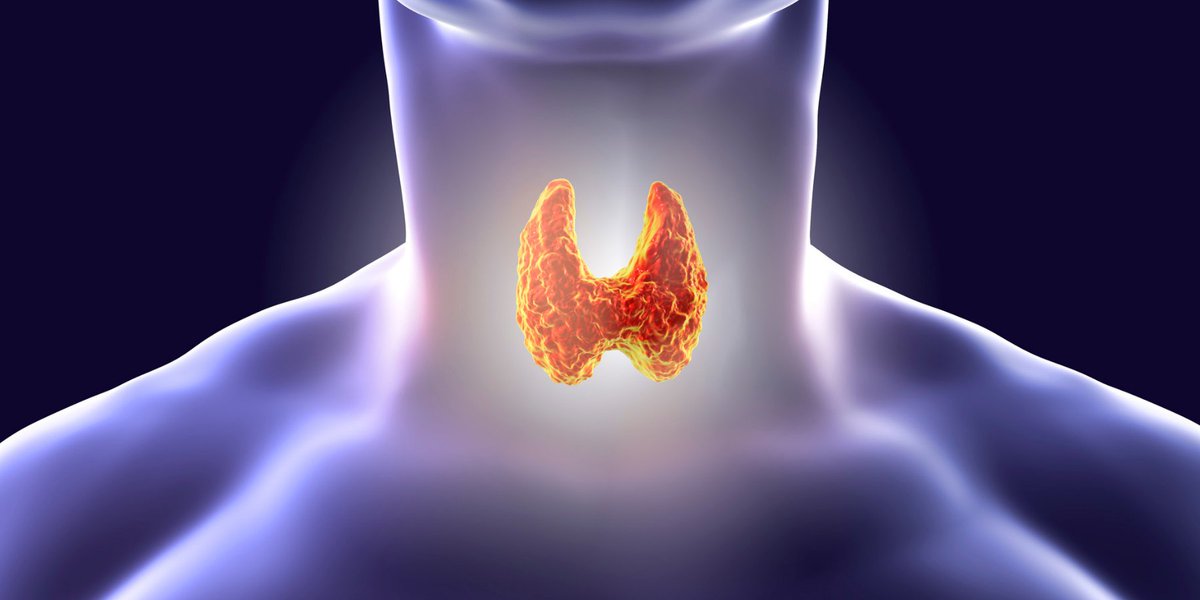
“Older people with hypothyroidism, also called under active thyroid, may be at increased risk of developing dementia, according to a study published in the July 6, 2022, online issue of Neurology,” writes Neuroscience News. https://t.co/luhT8kzv8k