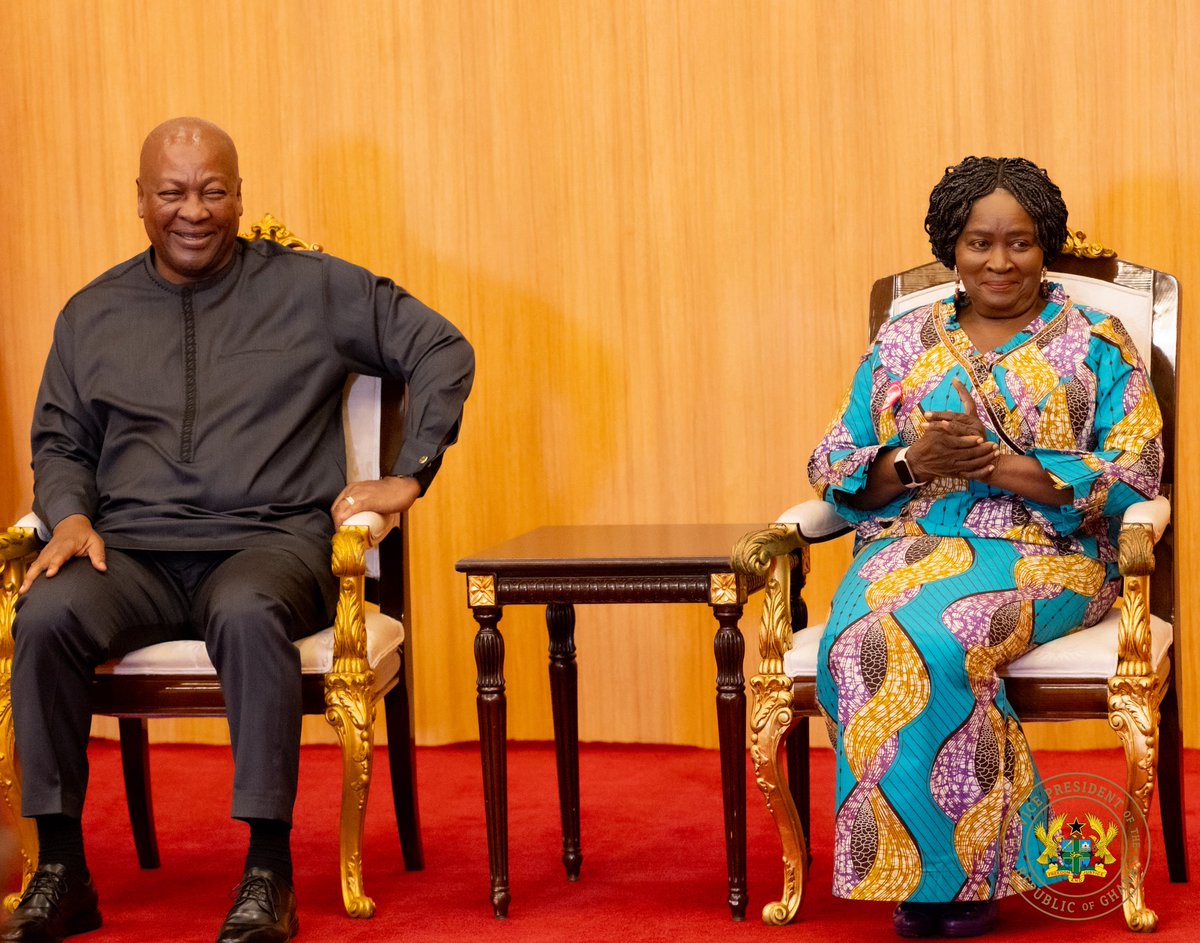
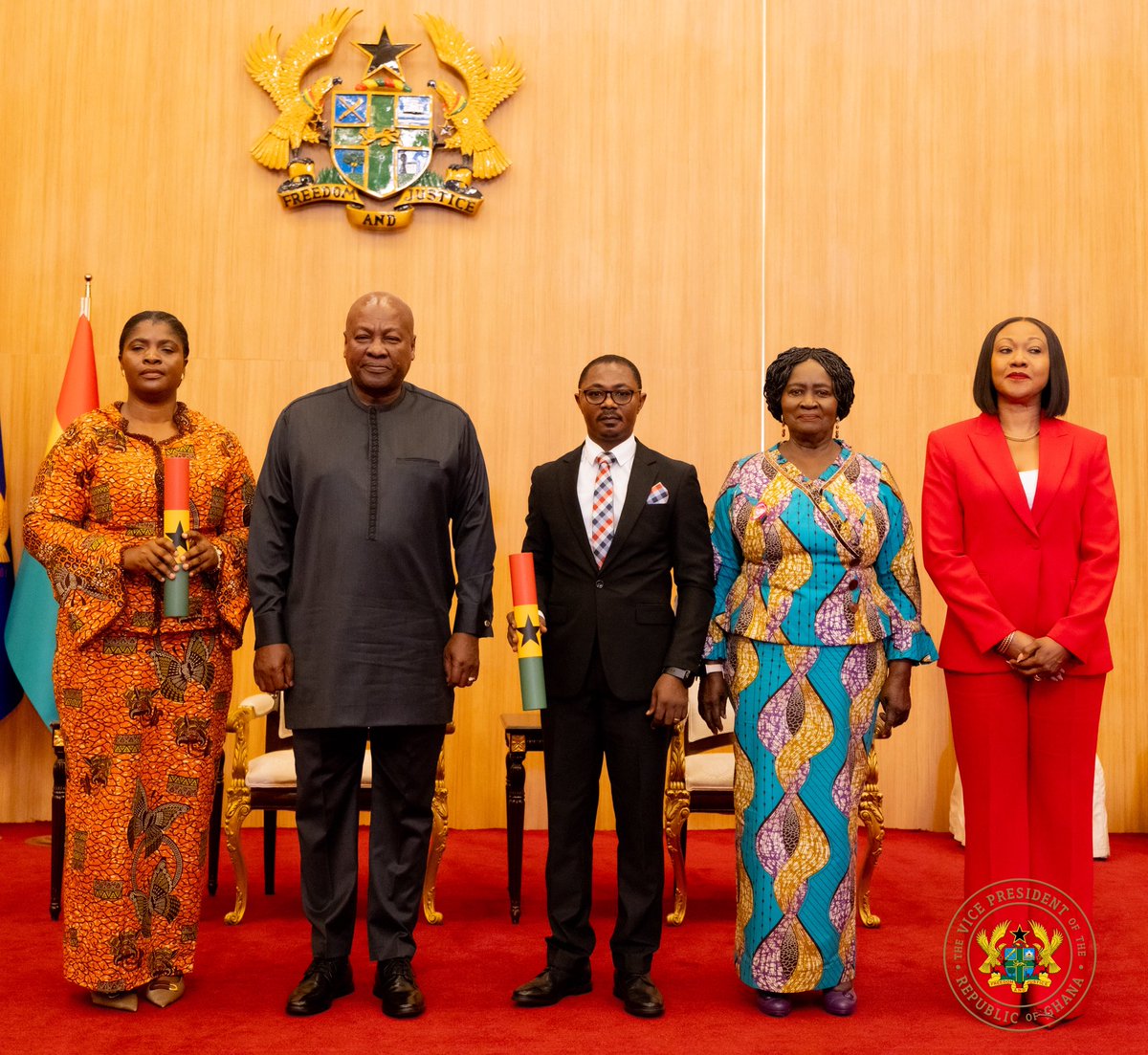
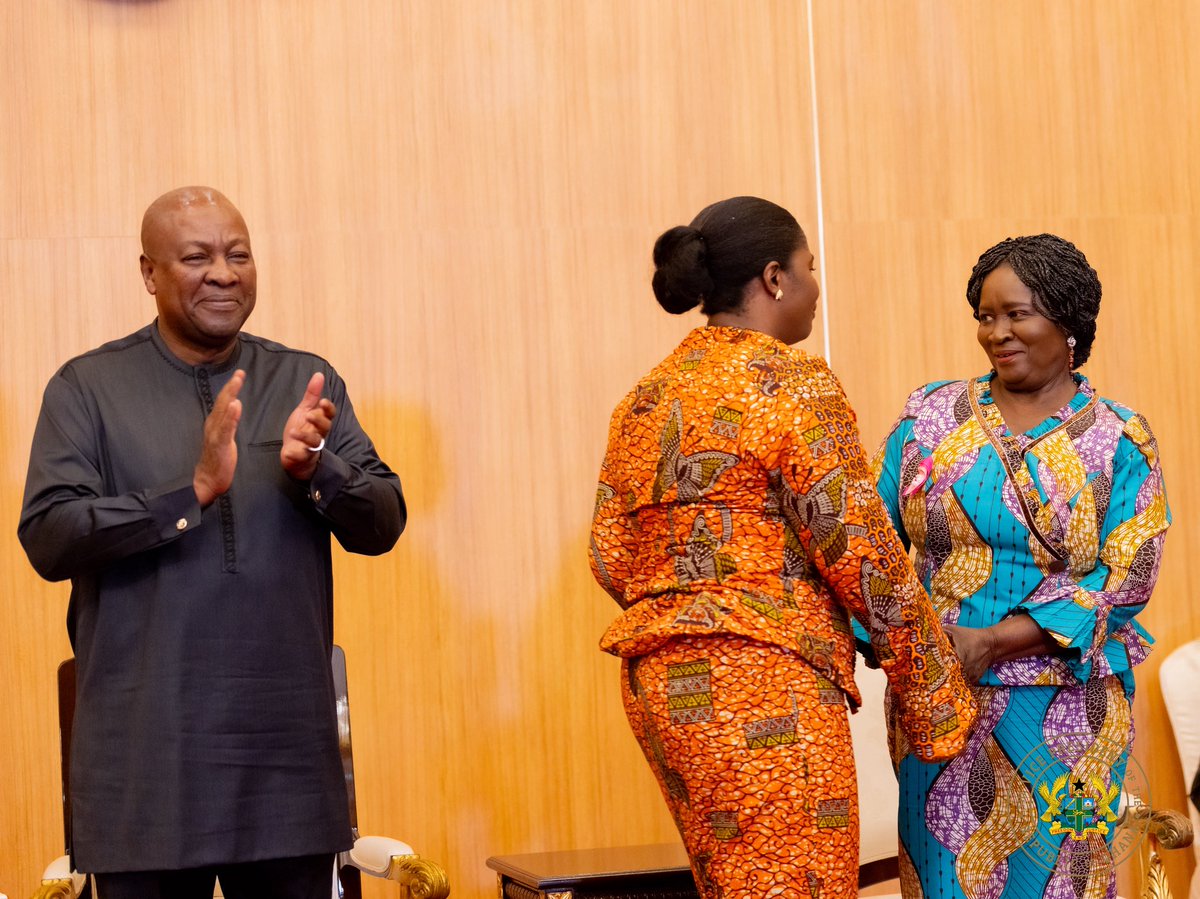
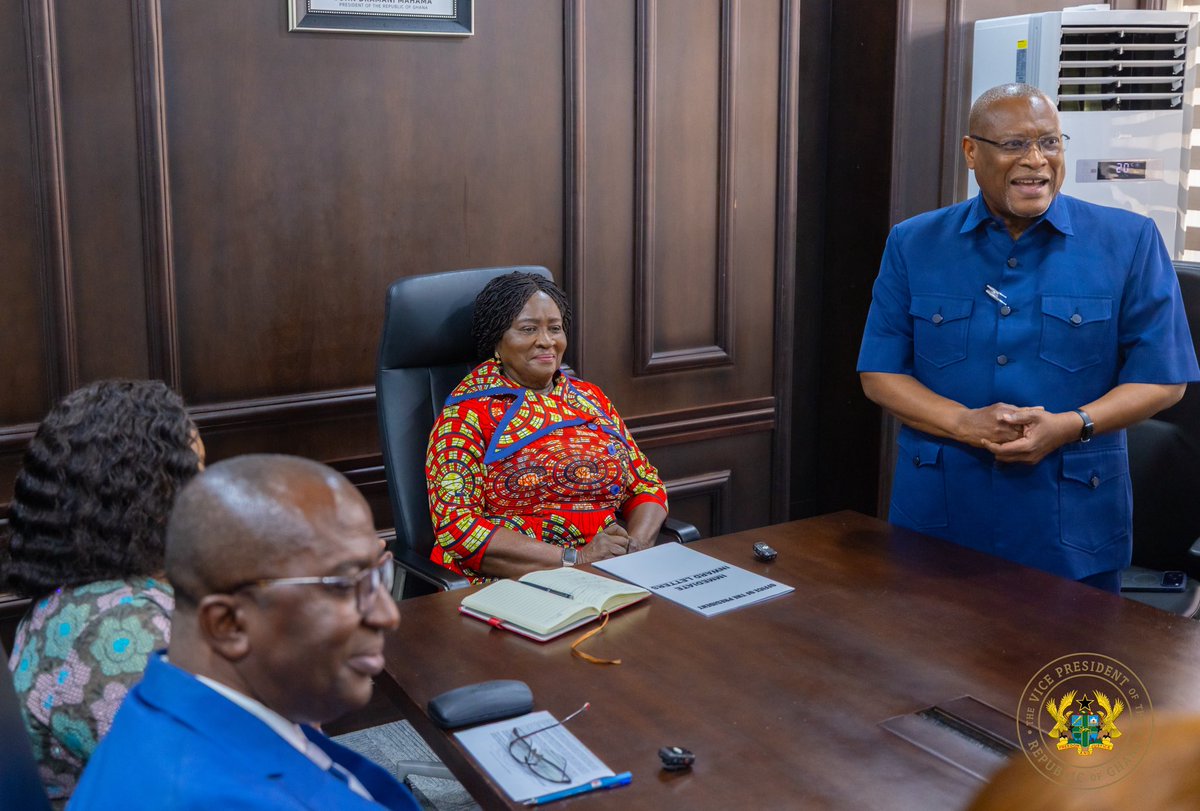
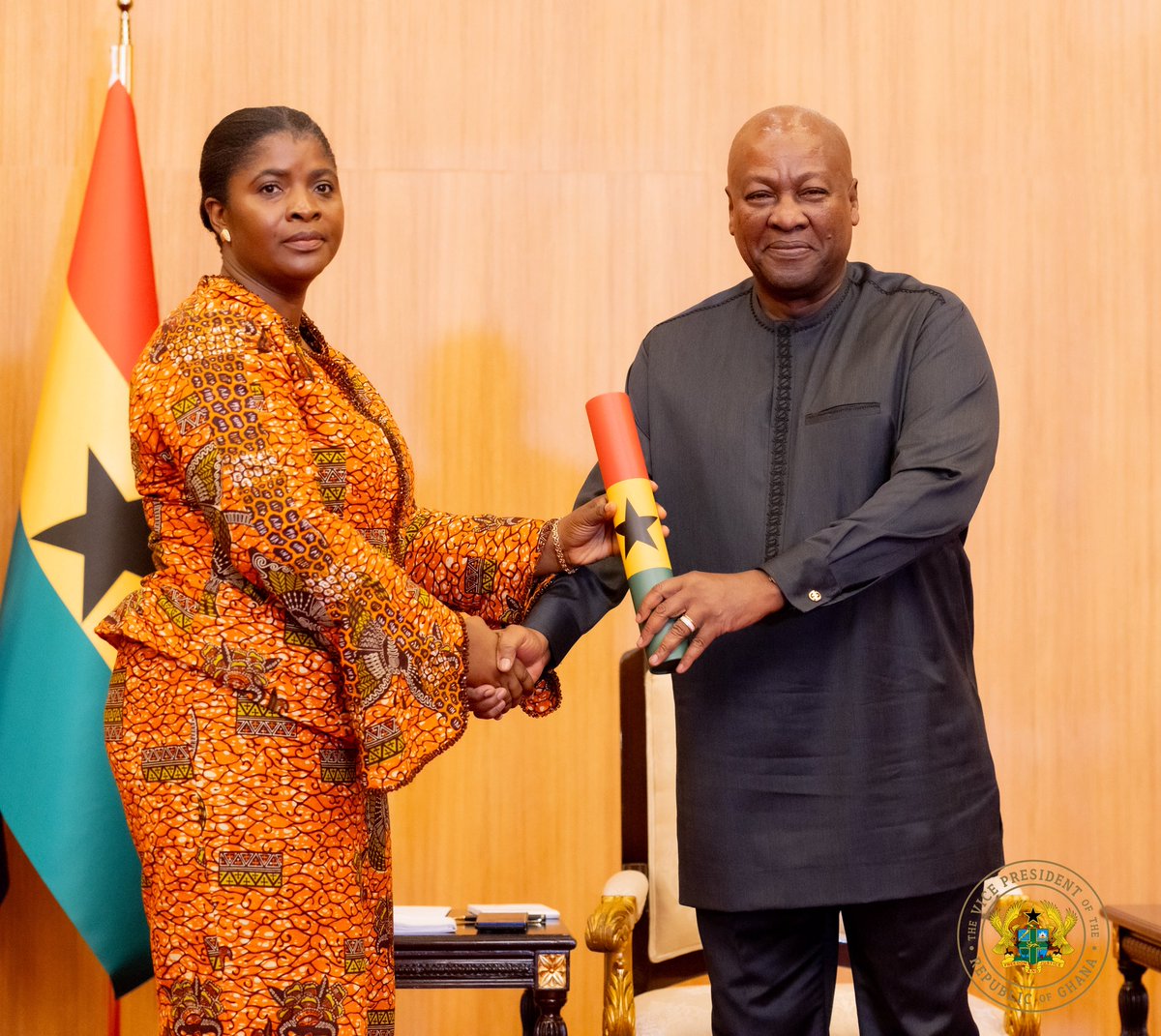
I joined His Excellency, President John Dramani Mahama, today at the Jubilee House for the swearing-in of two new Deputy Chairpersons of the Electoral Commission, Emelia Afi Agbenyo and Joseph Kwaku Asamoah.
The President charged the new Deputy Chairpersons with discharging their responsibilities with integrity and impartiality, ensuring that all political parties and candidates are treated fairly and that their decisions remain firmly guided by the Constitution and the rule of law.
I congratulate them both on their appointments and wish them well as they take on their responsibilities in service to Ghana.
I received the outgoing Ambassador of the Republic of Zimbabwe to Ghana, H.E. Kufa E. Chinoza, who paid a farewell courtesy call after six years of diplomatic service in Ghana.
The Ambassador conveyed warm greetings from the President of Zimbabwe and expressed appreciation for the hospitality and friendship extended to him throughout his tenure.
The changing global environment makes stronger cooperation among African countries even more important. Our discussions focused on strengthening bilateral relations and on translating existing agreements into tangible outcomes, particularly in trade, agriculture, mining, tourism and pharmaceutical manufacturing. We also acknowledged Zimbabwe’s support for Ghana’s efforts at the United Nations to secure recognition of the transatlantic slave trade as the gravest crime against humanity.
On behalf of H.E. President John Dramani Mahama, I thank Ambassador Chinoza for his contribution to the longstanding friendship between Ghana and Zimbabwe, which is rooted in our shared history and commitment to Pan-African cooperation.
I wish him well in his future endeavours and reaffirm Ghana’s commitment to deepening cooperation between our two countries.
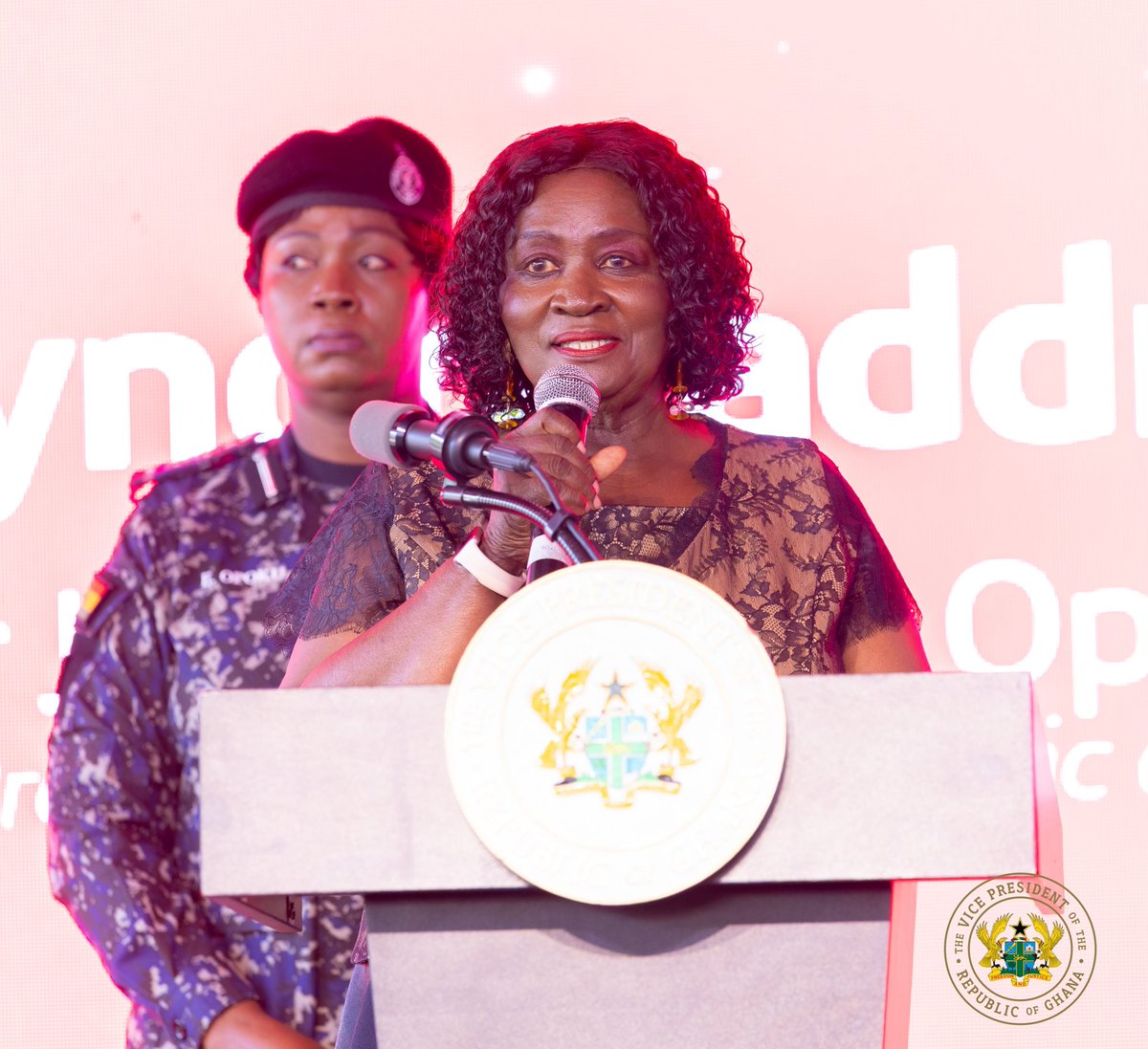
Today, I launched the Social Protection Act, 2025 (Act 1148); the Social Protection Regulations, 2026 (L.I. 2521); and the Affirmative Action (Gender Equity) Regulations, 2026 (L.I. 2522).
These laws are ultimately about our people: ensuring vulnerable households can access support, qualified women have a fair opportunity to participate and progress, and public resources reach those for whom they are intended.
Ghana already has important social protection interventions, including LEAP, the Ghana School Feeding Programme, and the National Health Insurance Scheme. This new framework strengthens coordination and accountability across our social protection system and improves provisions for social assistance, emergency relief, and productive and financial inclusion.
The Affirmative Action Regulations also take us another step towards translating our commitment to gender equity into practical opportunity for Ghanaian women.
But passing laws is only the beginning. Their success will be measured not by their existence, but by the difference they make in people’s lives.
I commend the Minister for Gender, Children and Social Protection, Hon. Agnes Naa Momo Lartey, and her team; Parliament; the Attorney-General and Minister for Justice; our development partners; and all stakeholders who helped bring us to this stage. I also extend special recognition and gratitude to Dr. Esther Ofei-Aboagye for her significant contribution to this process.
Our task now is to move from legislation to impact, and to ensure that no Ghanaian is unnecessarily left at the margins of our development.
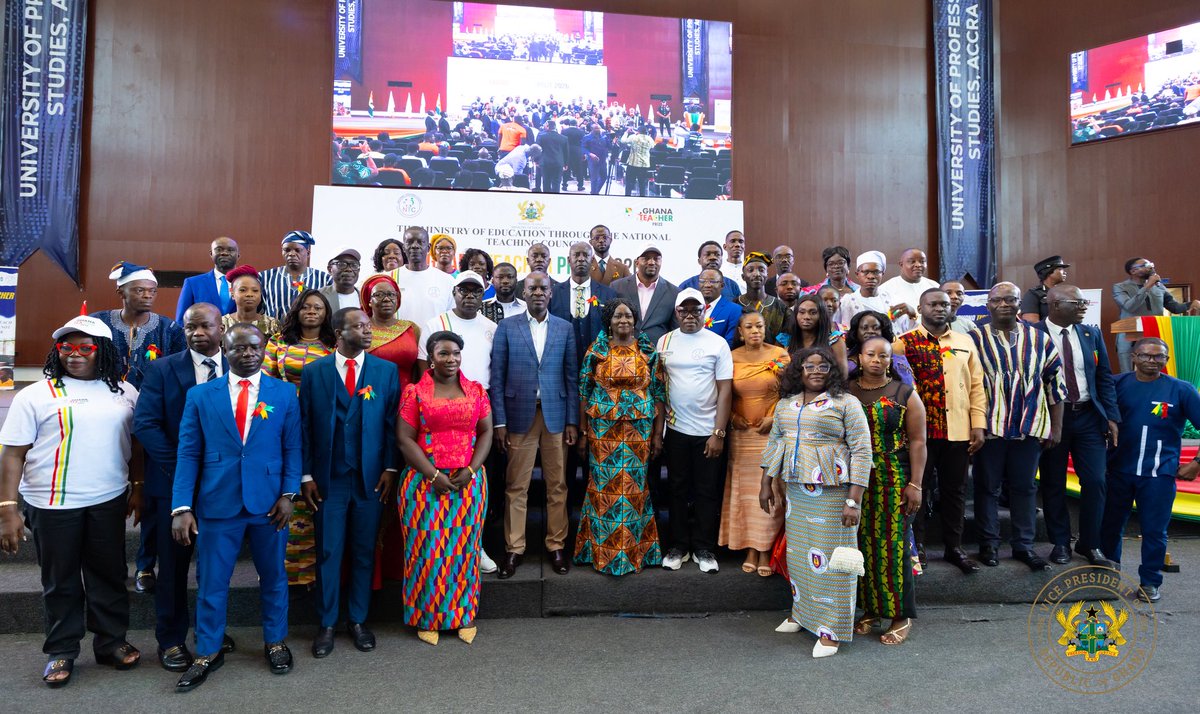
I extend my warmest congratulations to all the award recipients and my appreciation to teachers across Ghana who continue to serve, often in demanding circumstances.
A teacher’s influence on a child can last a lifetime. Teaching carries enormous responsibility for care, integrity and sound professional conduct.
Today, I participated in the Ghana Teacher Prize 2026, which recognises some of our most outstanding teachers. Organised by the Ministry of Education through the National Teaching Council, the award celebrates the dedication and professional excellence we value in our teachers.
The responsibility we place on teachers must be matched by practical support. Government is investing in school infrastructure and educational resources, while the Teacher Dabrɛ Initiative seeks to improve accommodation, particularly for teachers serving in underserved communities. We are also working to ease the pressures of double-track schooling and resolve administrative challenges affecting teacher placement, promotions and remuneration.
The world our children are growing into is changing rapidly, and our classrooms must evolve with it. Teachers must therefore have access to continuous professional development, appropriate technology and the tools required to prepare learners for the realities of the future.
Government also acknowledges the concerns teachers have raised. These matters are being discussed between Government and the unions. Building the education system we want requires us all to continue working together in the interest of our children.
I extend my warmest congratulations to all the award recipients and my appreciation to teachers across Ghana who continue to serve, often in demanding circumstances.
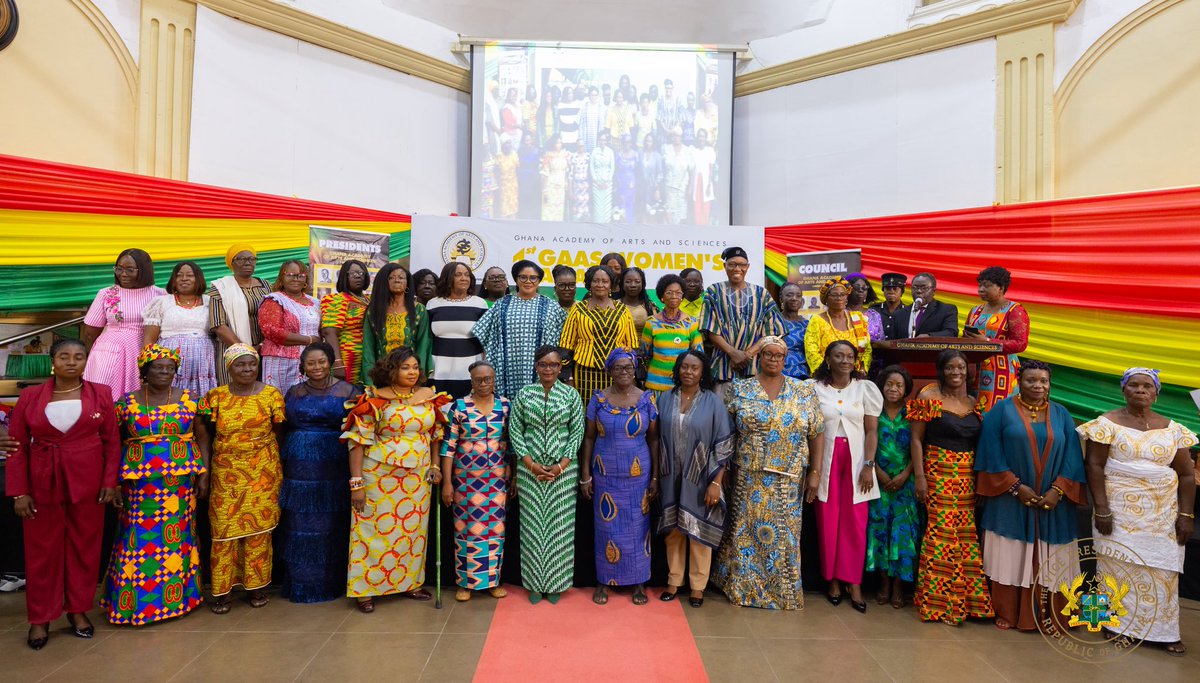
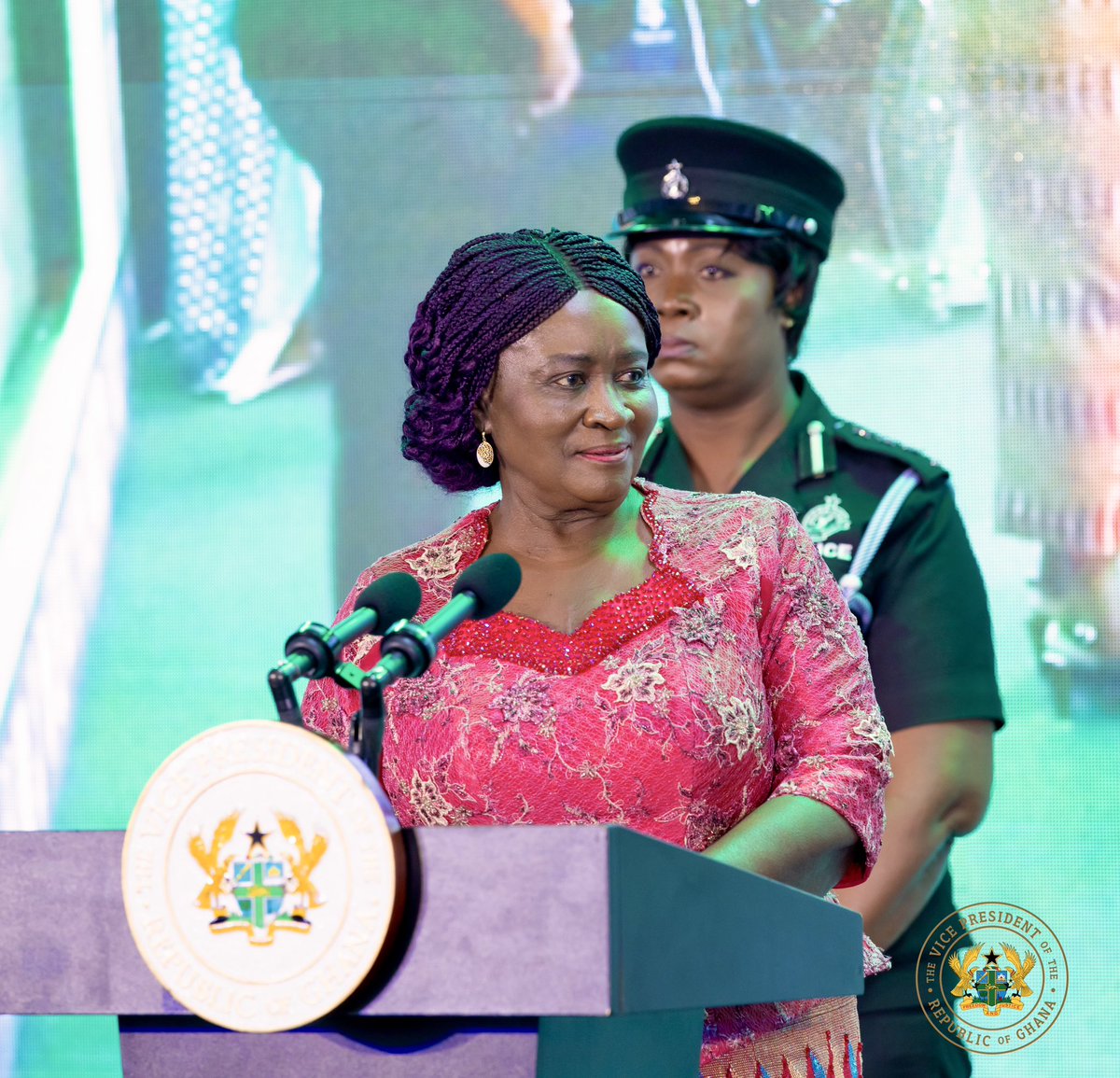
Ghana’s progress has always been built on collective effort. Long before conversations about gender equality entered our national discourse, women farmed, fished, traded, healed, adjudicated, created, led communities, and contributed to the economic and social foundations on which our country was built.
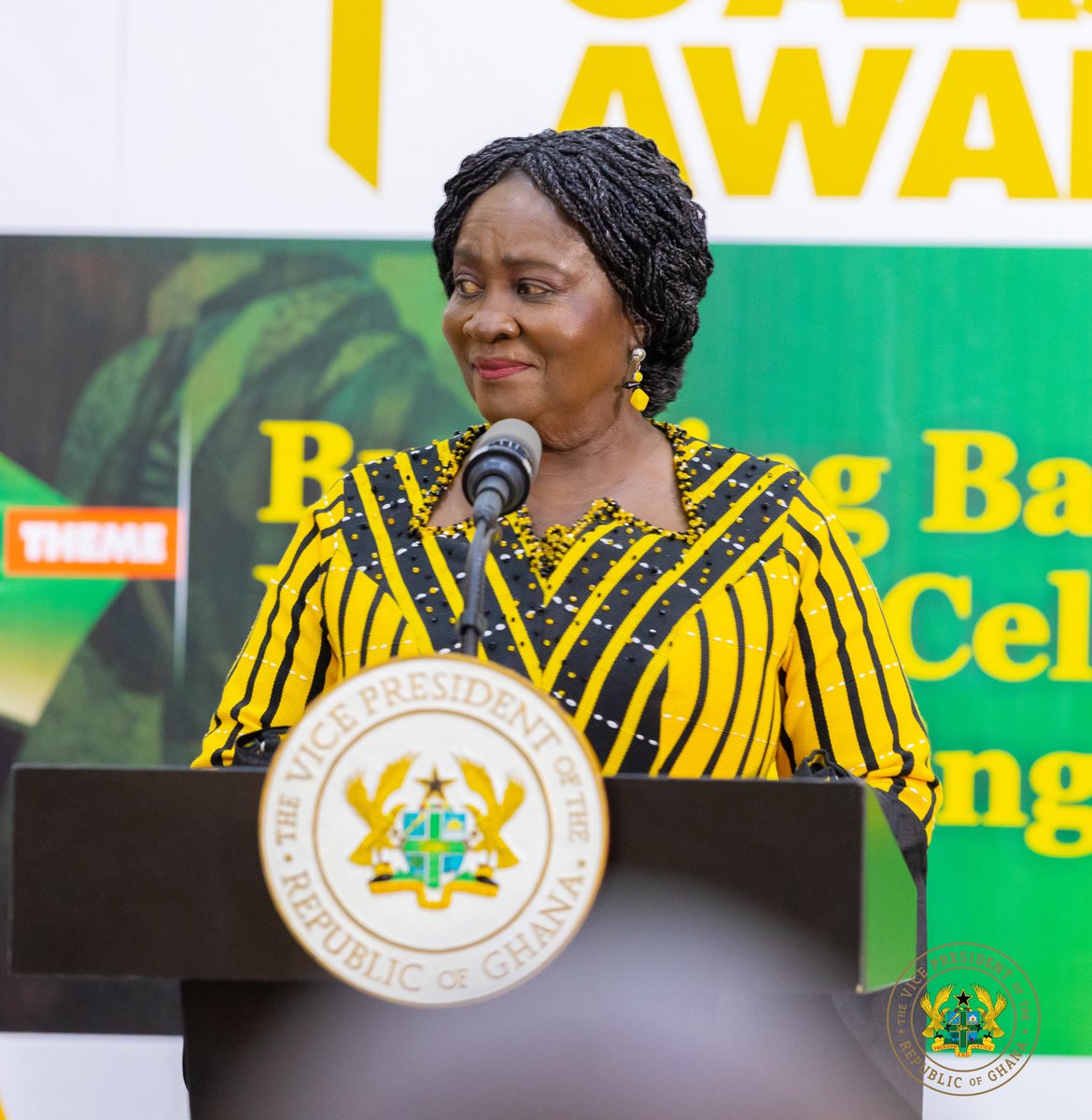
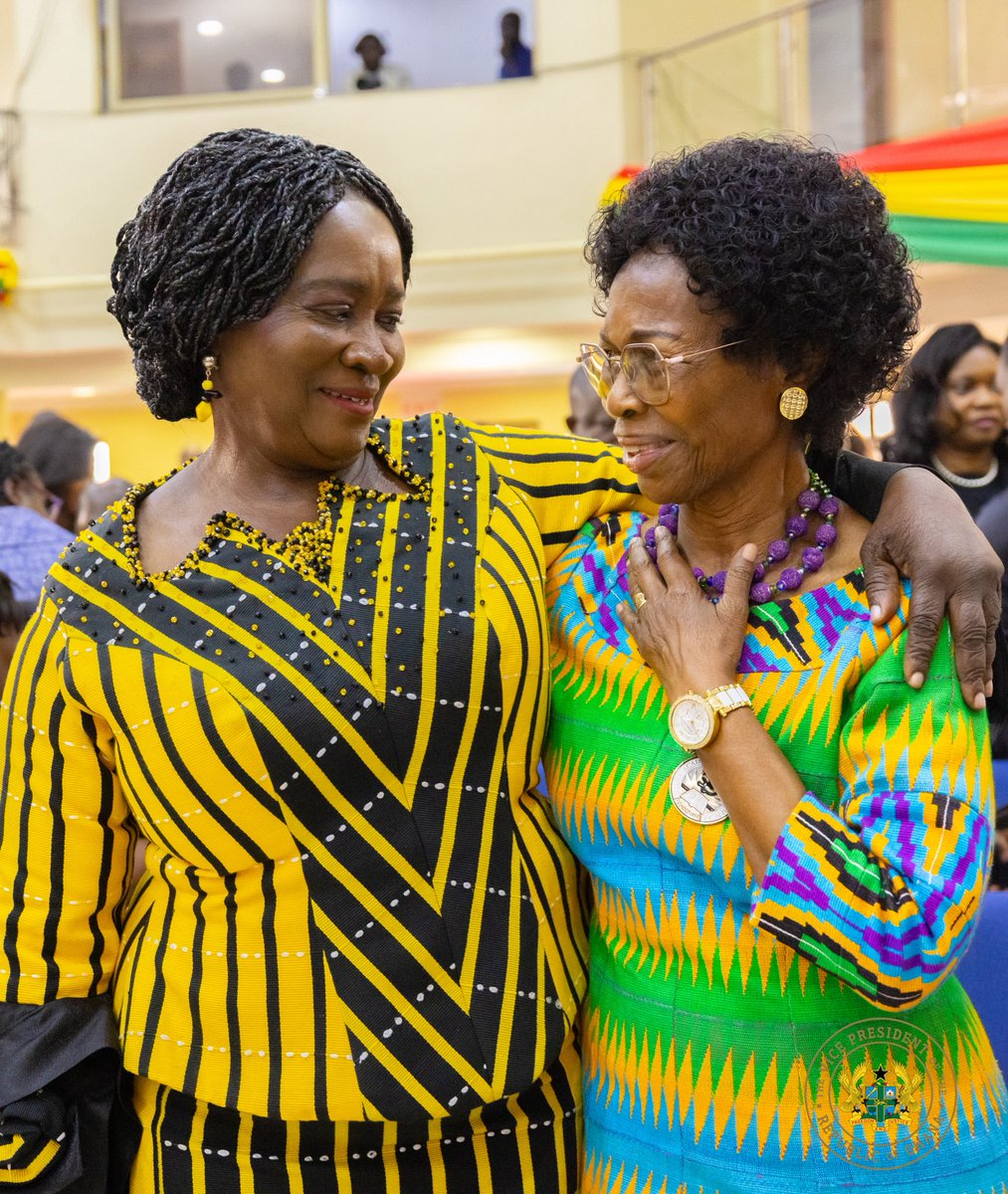
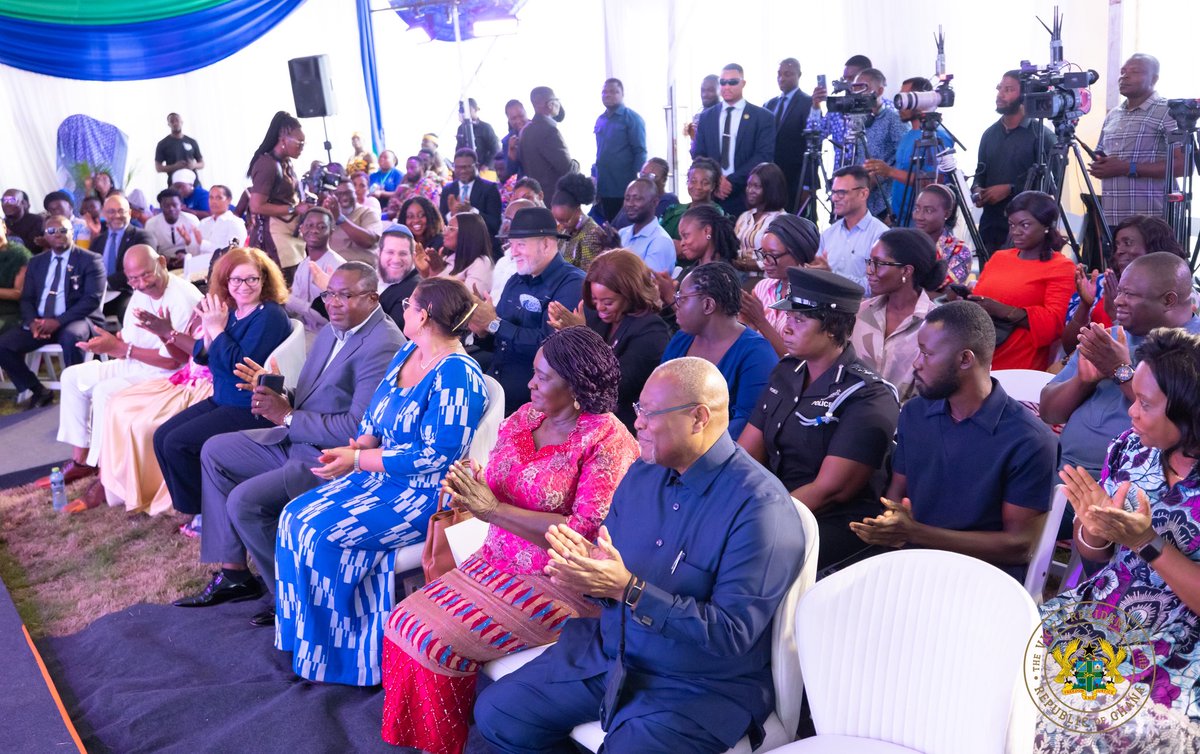
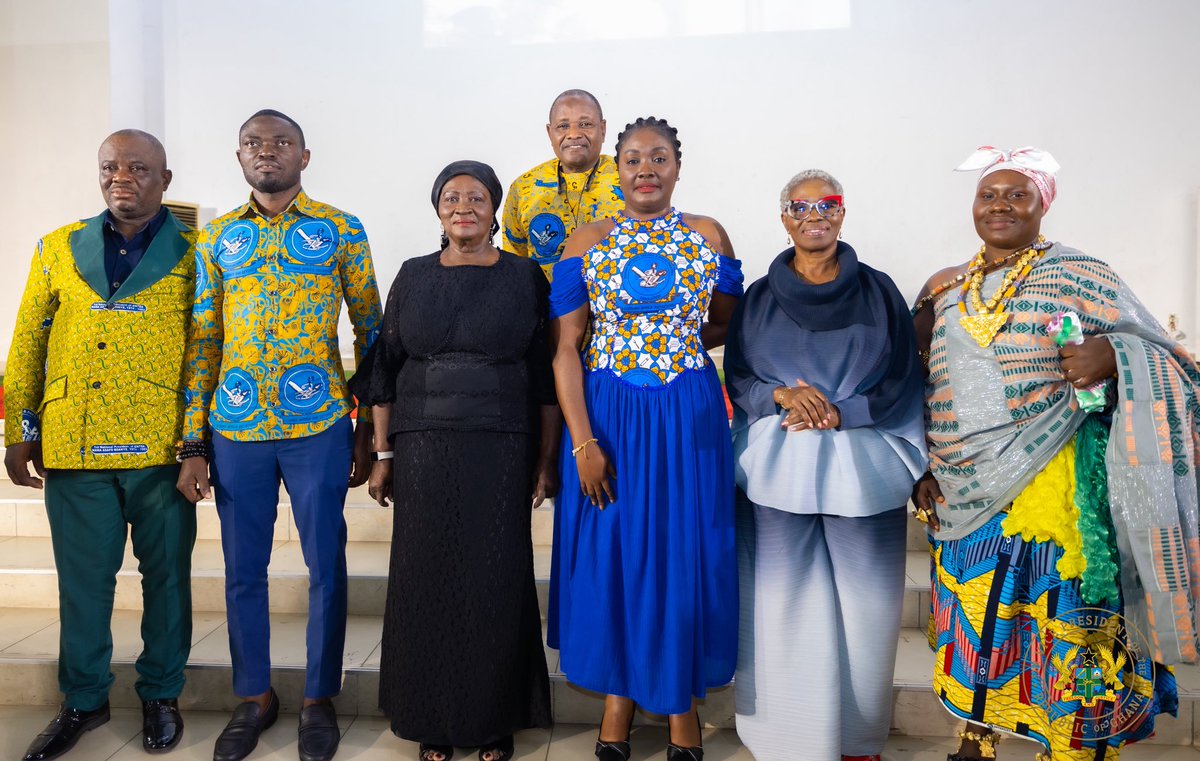
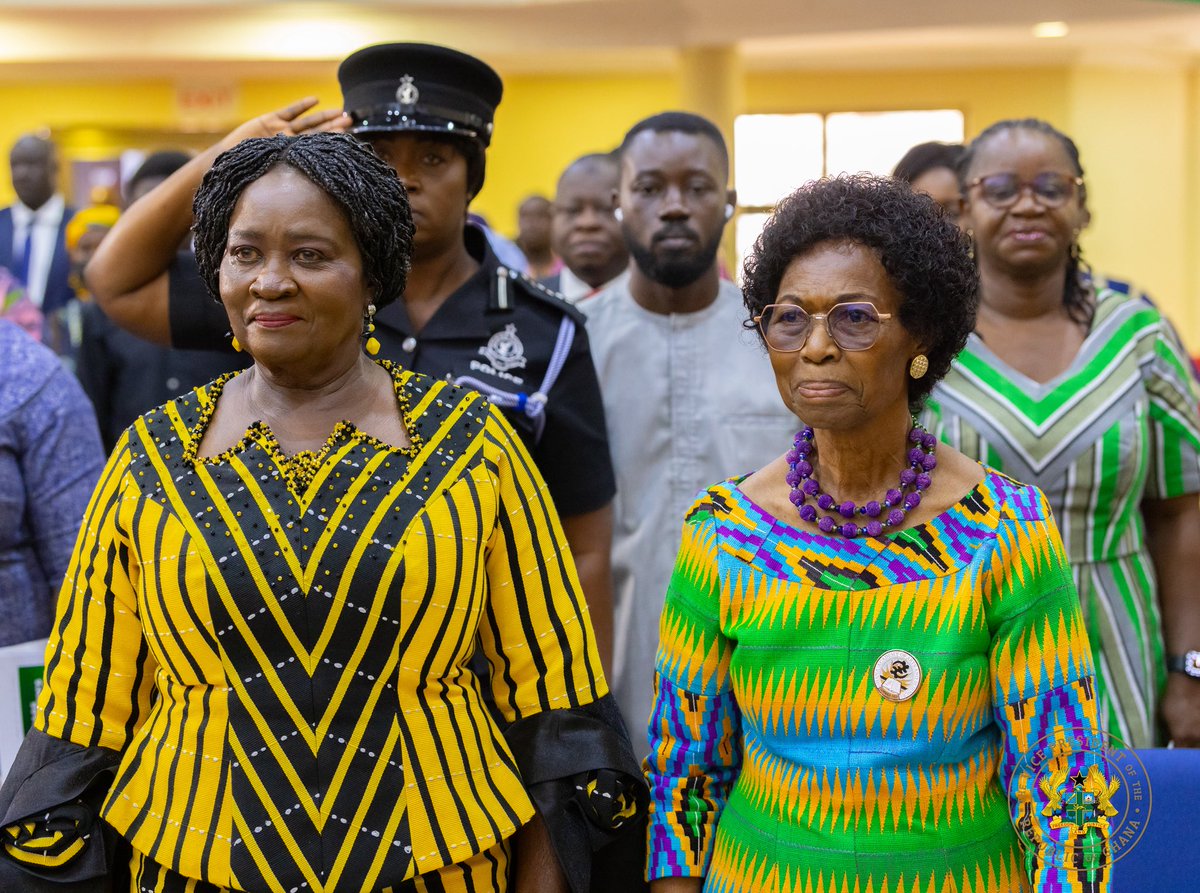
This was central to my reflections at the inaugural Ghana Academy of Arts and Sciences Women’s Awards, held under the theme “Breaking Barriers, Building Nations: Celebrating Women in Outstanding Leadership in Ghana.” As a Fellow of the Academy for about two decades, I found the occasion especially meaningful.
Our history shows that women have always contributed to nation-building. Yet unequal access meant that generations of women were excluded from opportunities they were fully capable of pursuing.
We have made considerable progress, but representation within institutions such as the Academy reminds us that work remains. When girls are denied opportunities at the outset, we reduce the pool from which our future scientists, scholars, professionals and leaders can emerge.
I therefore commend the Academy for recognising women who are making an impact at the grassroots. Ghana is built in our universities and boardrooms, but equally in our farms, markets and communities.
Barriers are not permanent. Institutions and circumstances can dismantle them through deliberate action. This is why expanding access to education, implementing gender equity measures and improving access to finance through initiatives such as the Women’s Development Bank remain important.
I congratulate all the remarkable women recognised by the Ghana Academy of Arts and Sciences. May we continue to expand opportunity, and may the barriers keep falling.
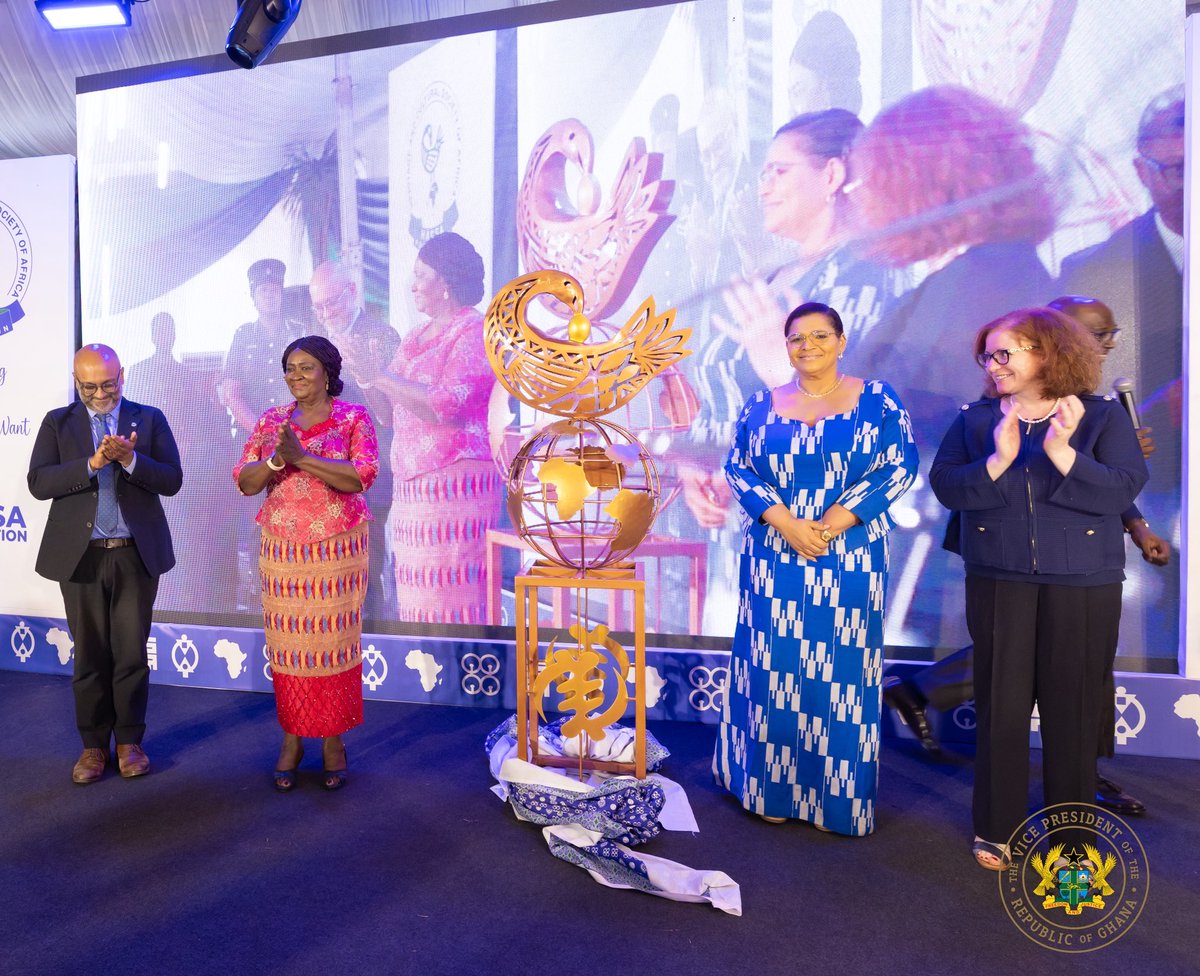
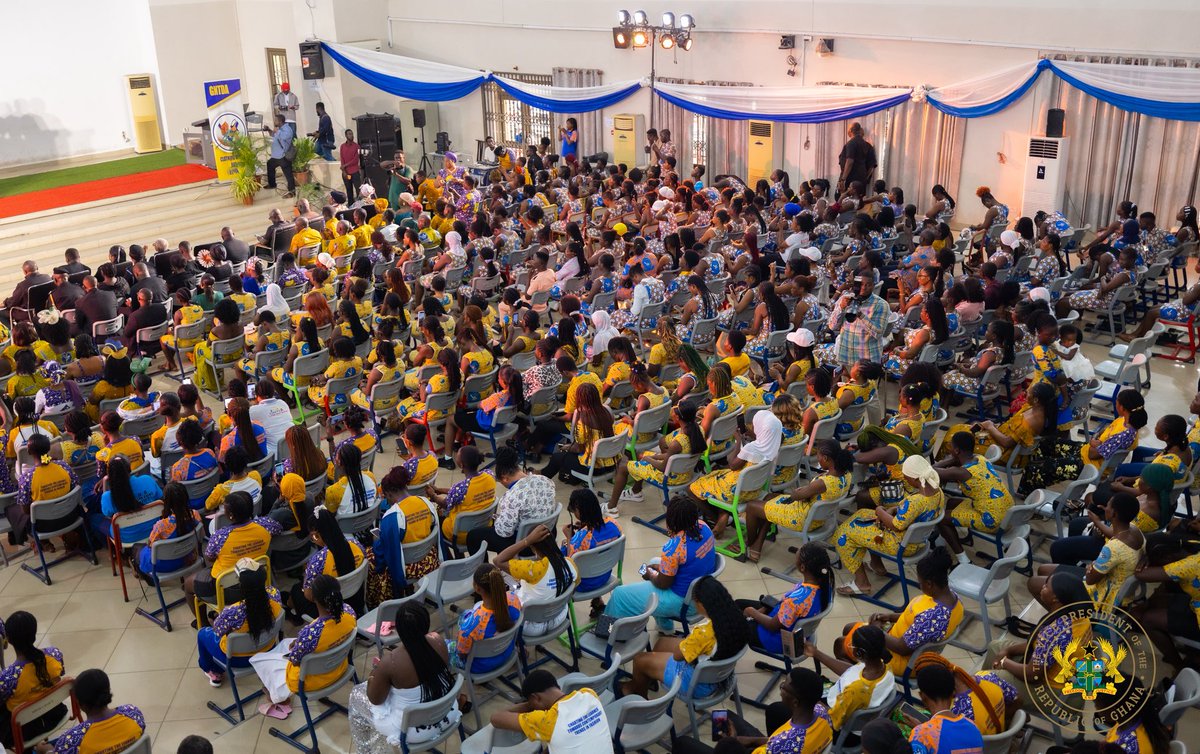
Today, I joined the Heritage and Cultural Society of Africa Foundation (HACSA) for the graduation of Cohort 5 of its Tech4Girls programme.
Such initiatives are important because girls and young women must have a place in our digital future. Young people should be able to apply their skills, solve real problems, build businesses, and transition into sustainable employment.
Government is pursuing these objectives through initiatives such as the One Million Coders Programme and the Young Women in ICT Programme, as well as partnerships to expand digital training and employment opportunities.
The technologies graduates master today will continue to evolve, but their ability to think critically, adapt, and solve problems will remain invaluable. I encourage them to identify challenges in our communities and to use their knowledge to develop solutions.
I congratulate the graduates, HACSA’s leadership, staff, partners, parents, guardians, and everyone who helps create opportunities for young women.
The completion of Absa Place should reinforce a commitment to a financial system that better serves people, supports productive enterprise and meaningfully contributes to Ghana’s economic transformation.
Earlier today, I attended the Ghana National Tailors and Dressmakers Association’s 2026 National Learners Conference in Kumasi.
I commend the Association for its investment in skills development. I also encourage young people learning a trade to approach their training with patience and dedication, and to respect the trainers who share their knowledge and experience with them.
Tailoring and dressmaking offer a pathway to sustainable livelihoods, entrepreneurship and job creation. As Government strengthens technical and vocational education, we remain committed to developing skills, improving productivity and creating greater opportunities for our young people.
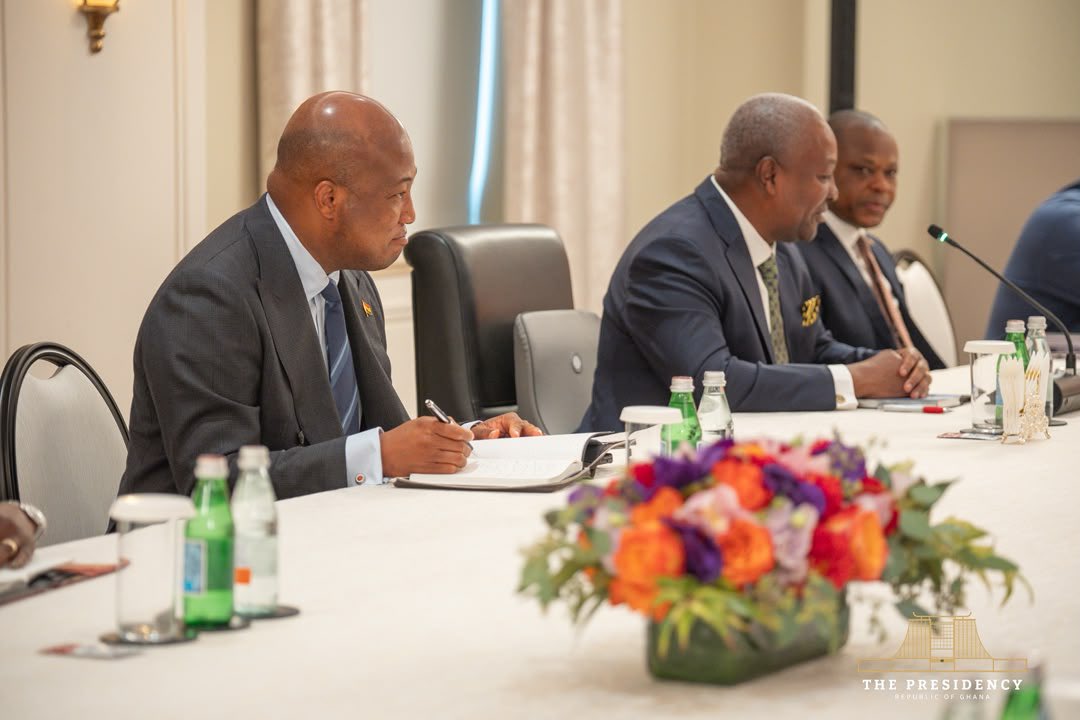
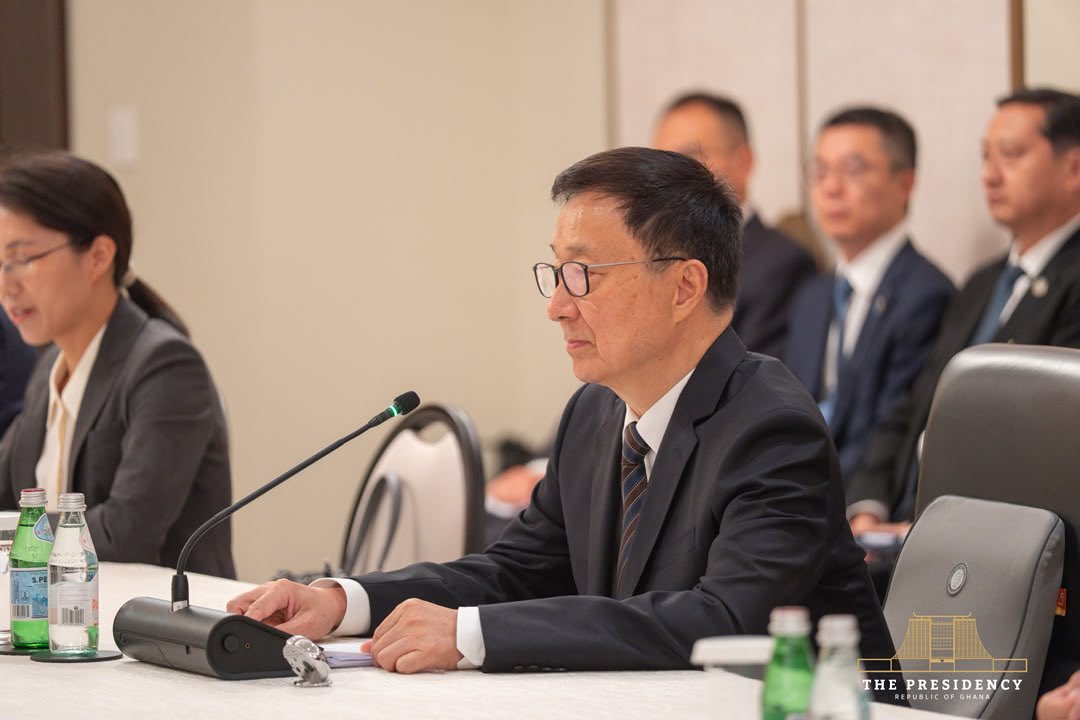
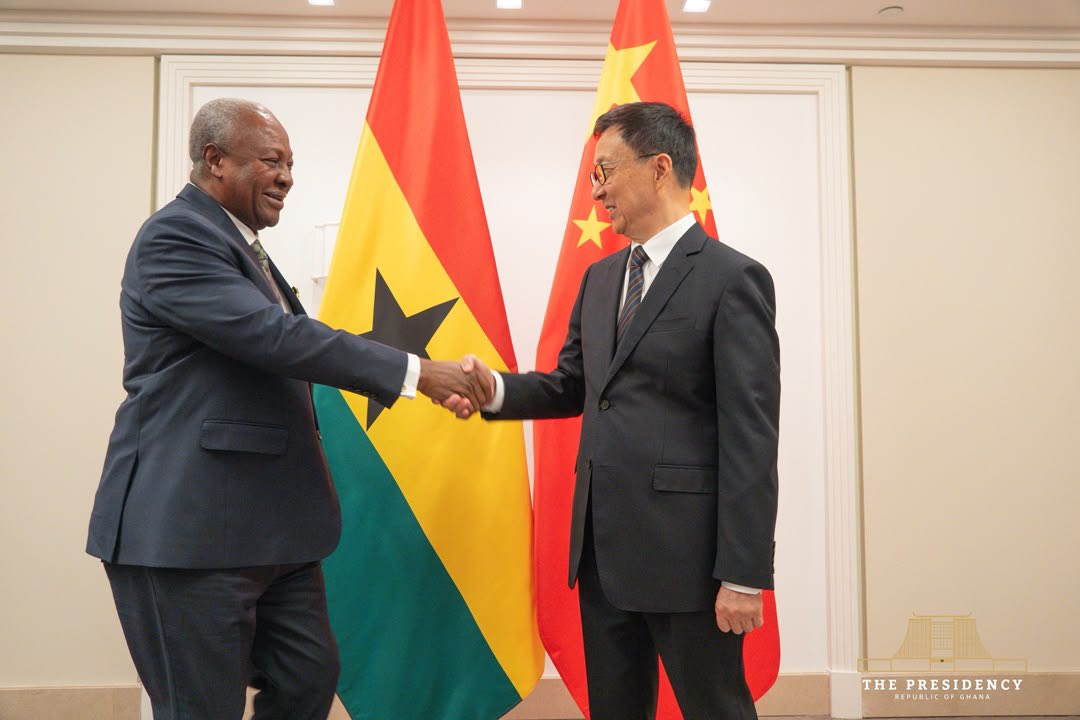
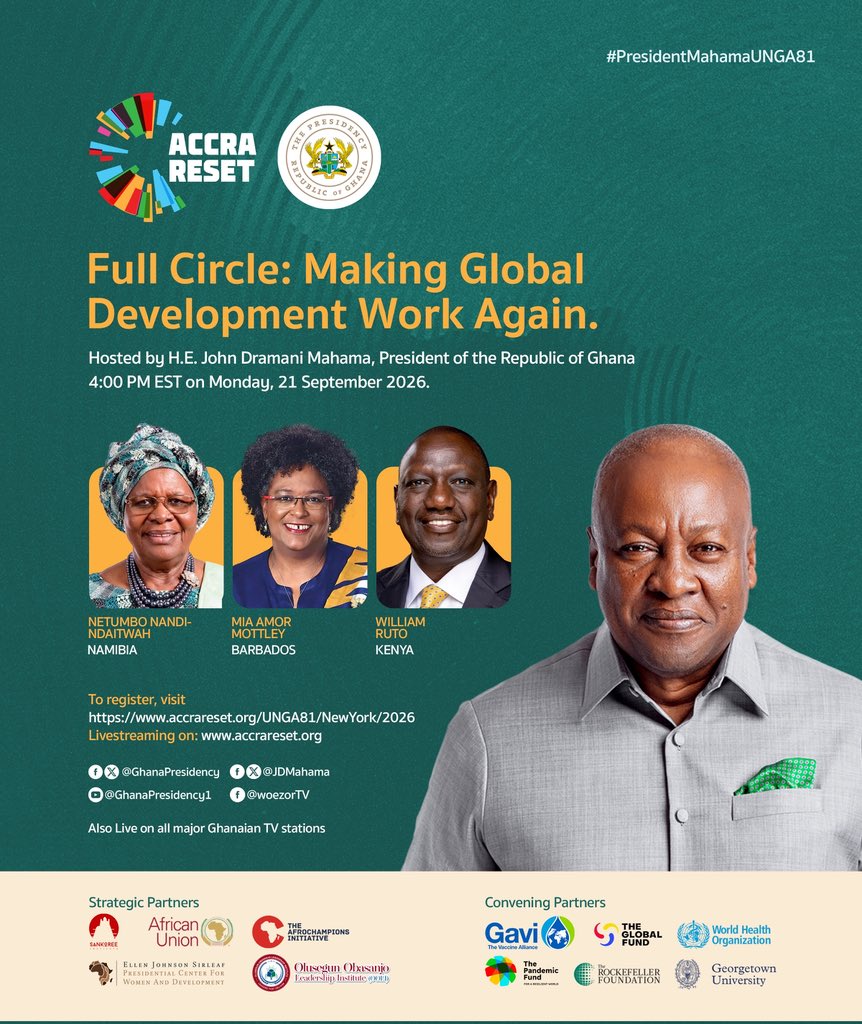
I met with H.E. Han Zheng, Vice President of the People’s Republic of China, today in New York, on the sidelines of the 81st United Nations General Assembly.
#PresidentMahamaUNGA81
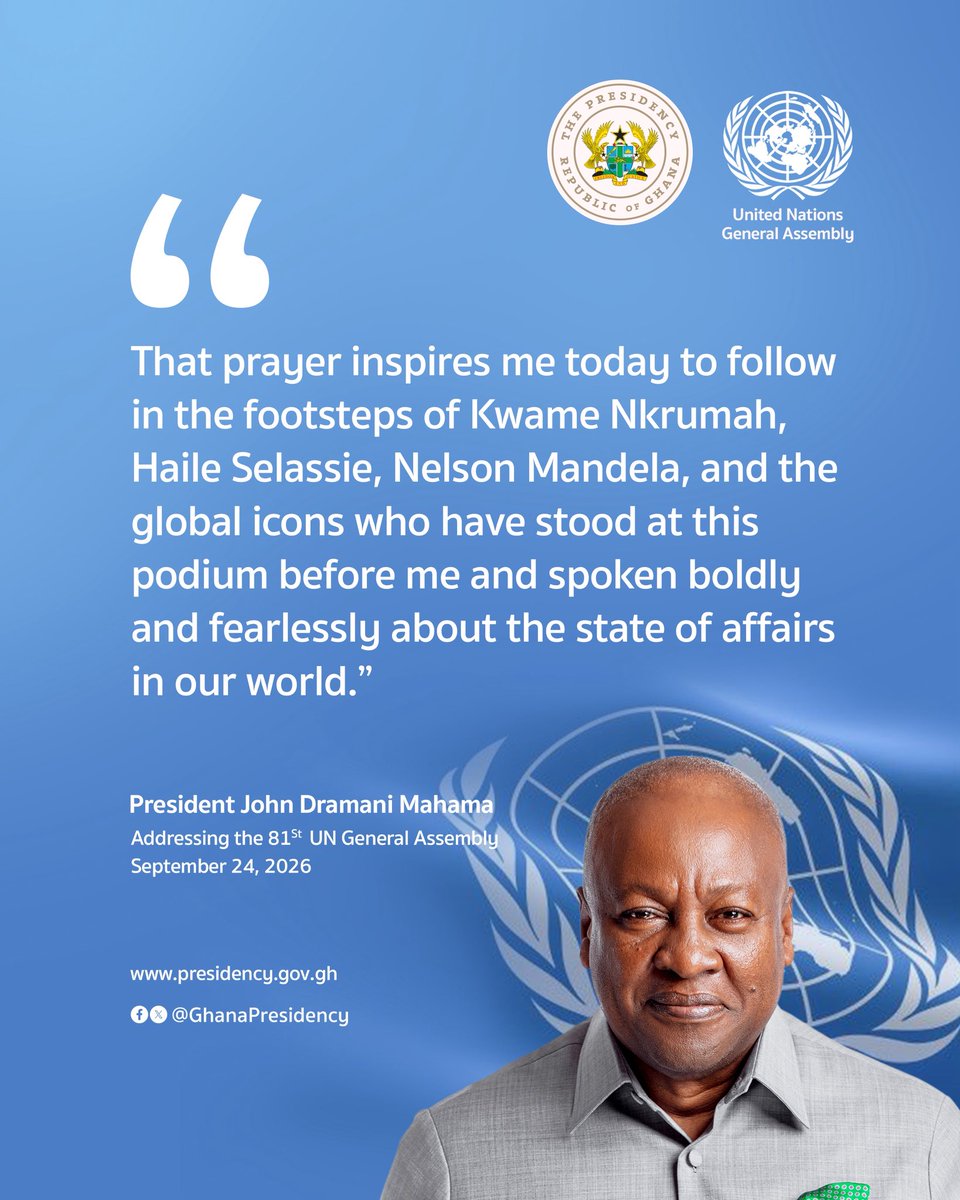
The world may not transform overnight because of the speeches delivered in this August Assembly. But history faithfully records the truth we choose to speak, and the silence we choose to keep, when we are granted the privilege of addressing this global town hall. #UNGA81
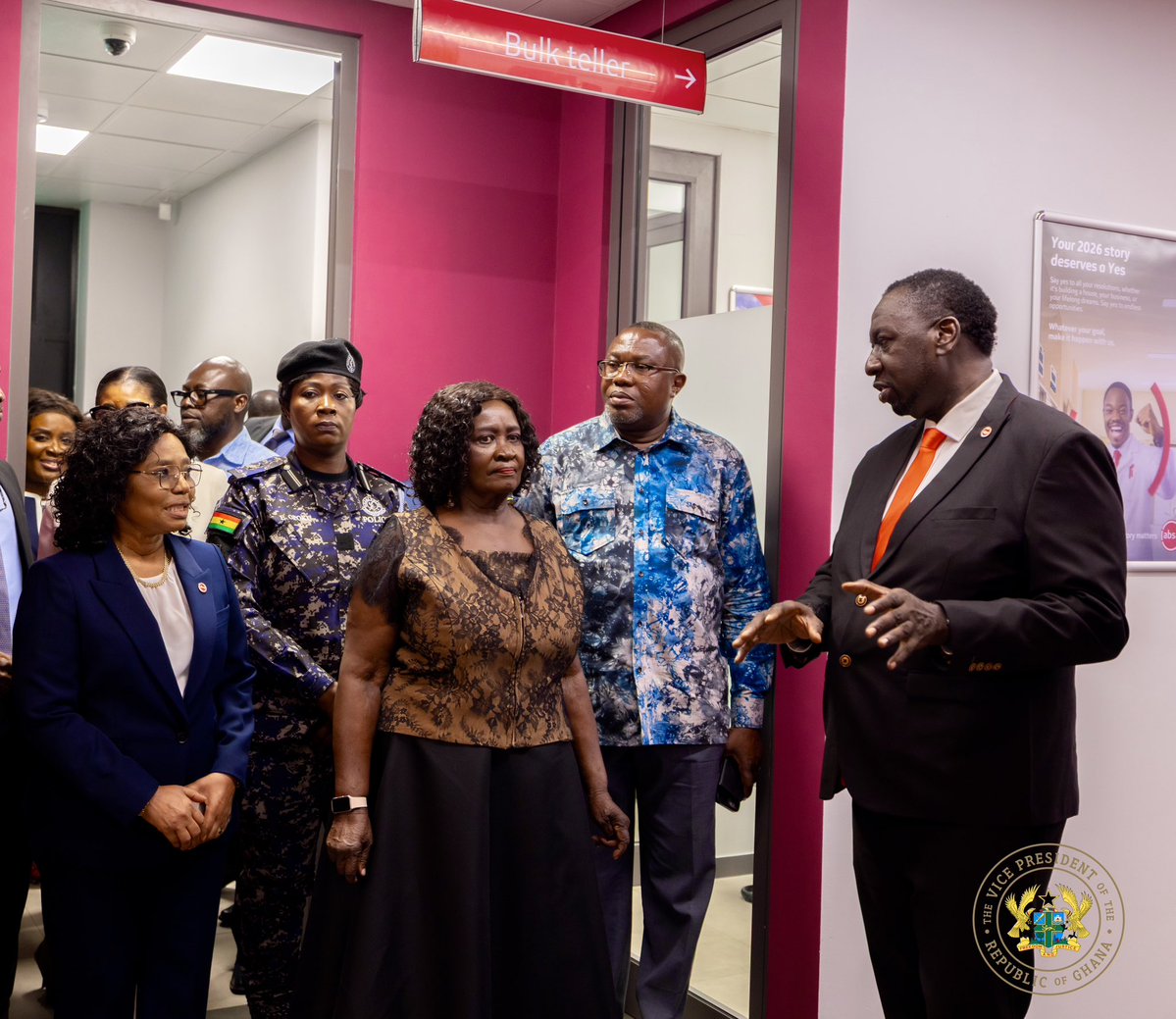
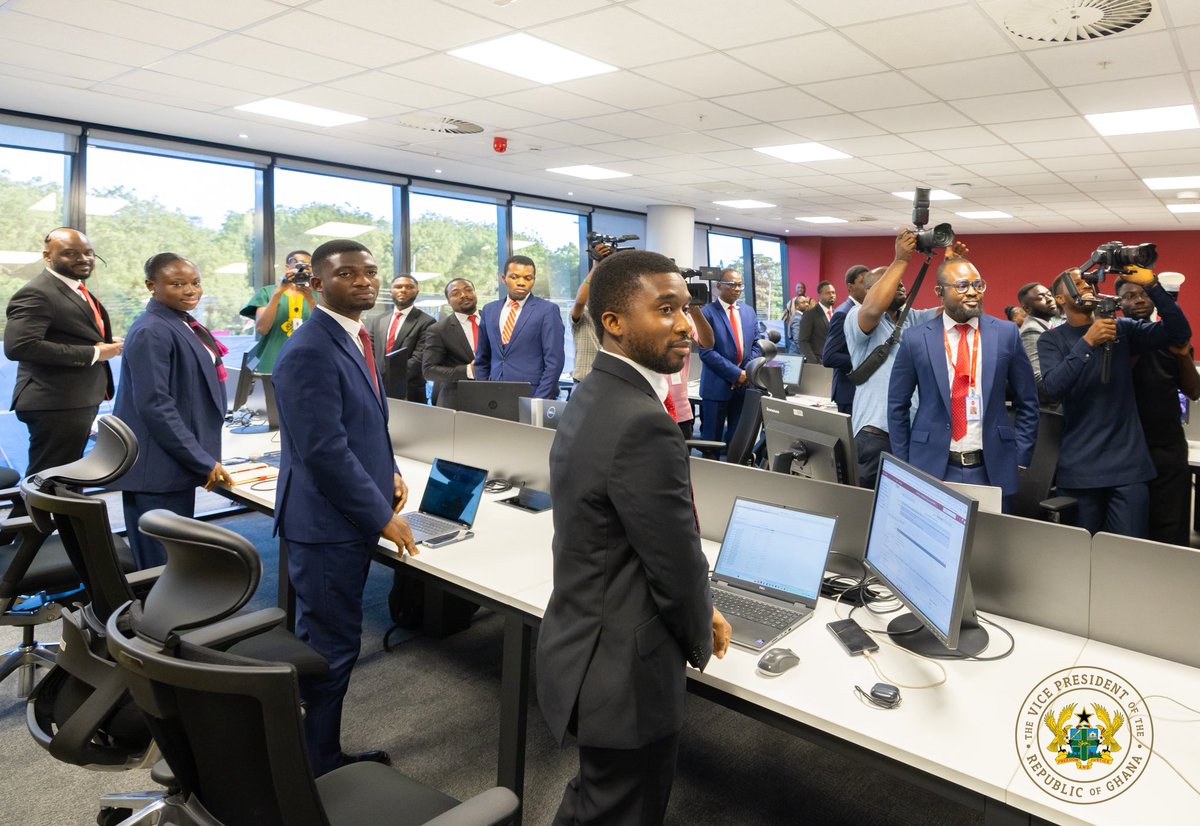
Today, I opened Absa Place, Absa Bank’s new head office in Accra. The occasion gave us the opportunity to reflect on the important role that financial institutions play in supporting businesses, creating opportunities, and contributing to national development.
Government remains focused on sustaining macroeconomic stability while building a productive economy driven by value addition, enterprise and sustainable employment. Achieving this requires a strong financial sector that grows alongside the real economy.
I encourage our financial institutions to deepen financing for women-owned businesses, young entrepreneurs, and high-growth enterprises. Technology must also be harnessed to expand financial inclusion and enhance the customer experience, while upholding the highest standards of integrity and responsible banking.
The completion of Absa Place should reinforce a commitment to a financial system that better serves people, supports productive enterprise and meaningfully contributes to Ghana’s economic transformation.
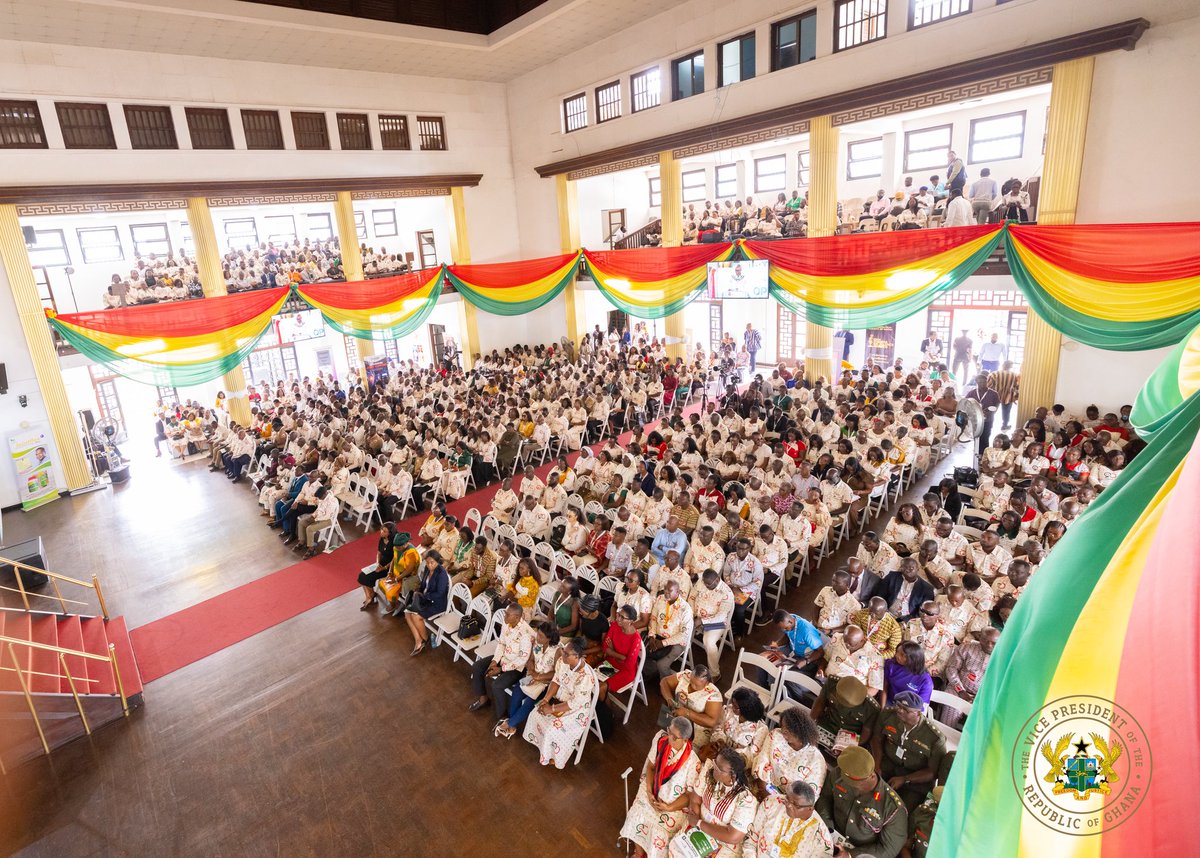
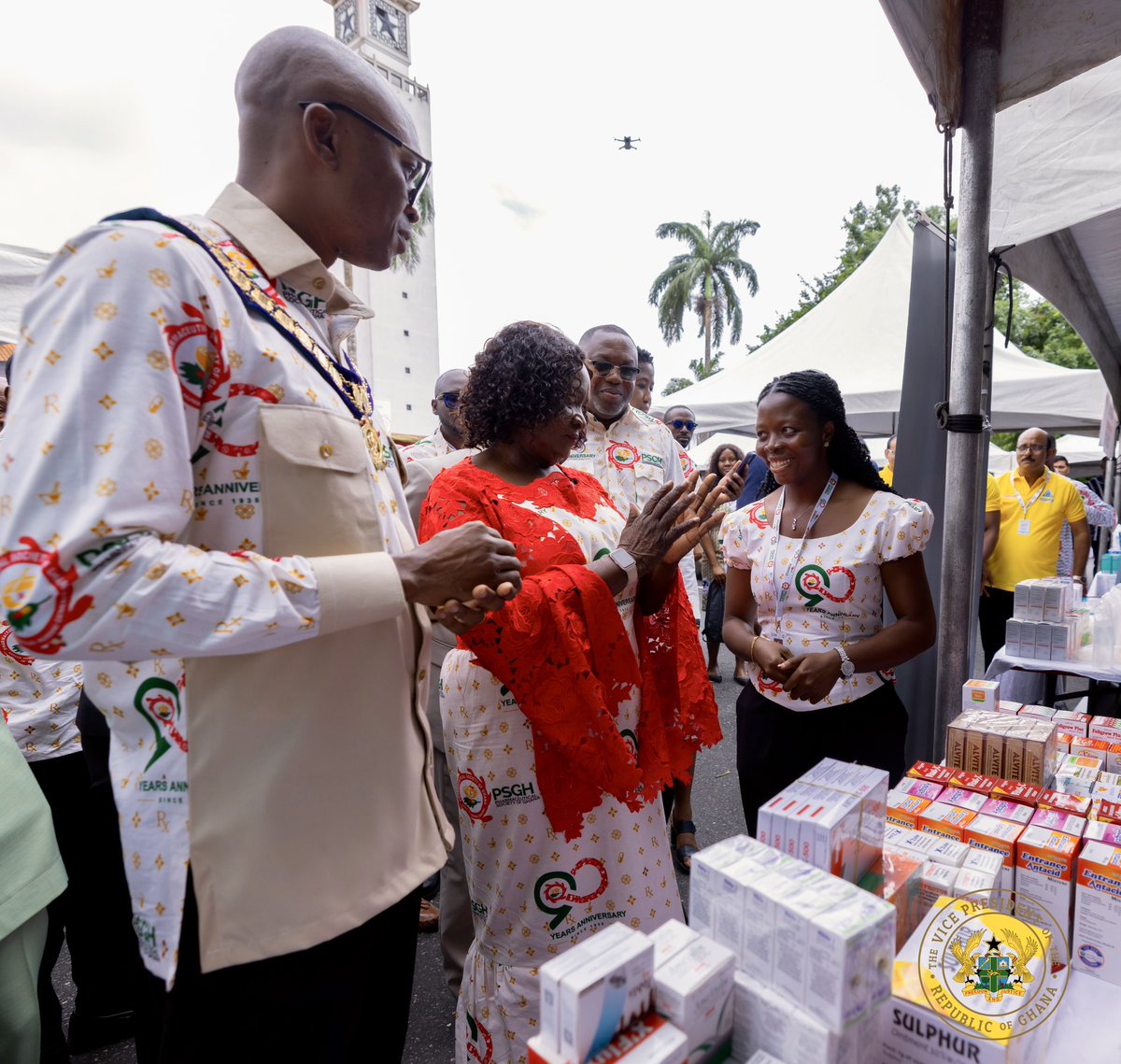
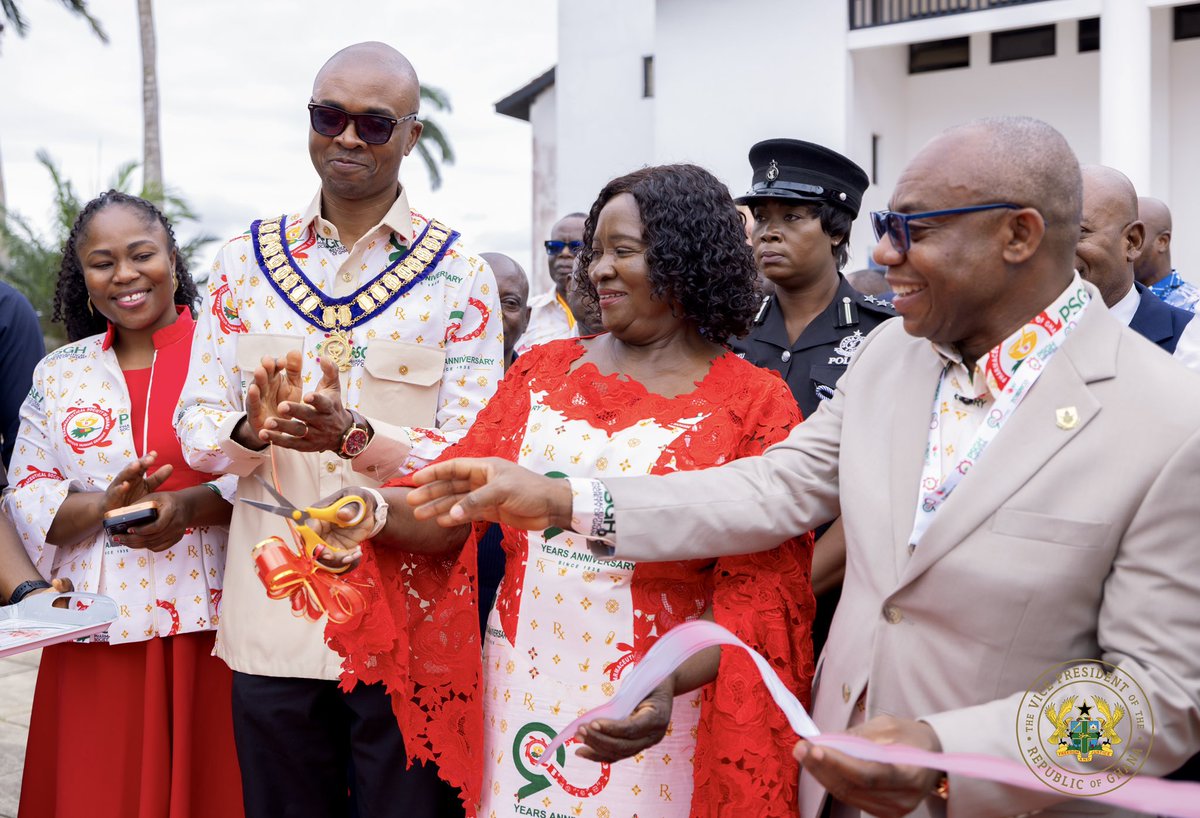
I joined the Pharmaceutical Society of Ghana for the opening of its 90th anniversary and Annual General Meeting, under the theme “Science. Impact. Legacy: 90 Years of Pharmaceutical Excellence.”
For many Ghanaians, pharmacists are among the most visible and accessible health professionals, and they have an important role to play as we strengthen healthcare delivery. As initiatives such as Free Primary Healthcare and the Ghana Medical Trust Fund (MahamaCares) expand care, the competence, integrity, and professional standards of our healthcare workforce remain essential.
Government is also working to increase local pharmaceutical manufacturing to 70% over the next five years. This presents significant opportunities for jobs, research, innovation and economic growth, while reducing our dependence on imported medicines. As we expand production, quality must remain paramount. Medicines made in Ghana must meet rigorous standards and compete confidently beyond our borders.
Ninety years is a remarkable milestone. I congratulate the Pharmaceutical Society of Ghana and look forward to the profession playing an even greater role in building a stronger, more innovative and increasingly self-reliant healthcare system.
I met with Prime Minister Kamla Persad-Bissessar, S.C. of Trinidad and Tobago in New York. We signed an Air Services Agreement between Ghana and Trinidad and Tobago. This agreement strengthens air connectivity and creates new opportunities for cooperation between our countries. We also discussed updates to the reparations agenda, trade, and investment.
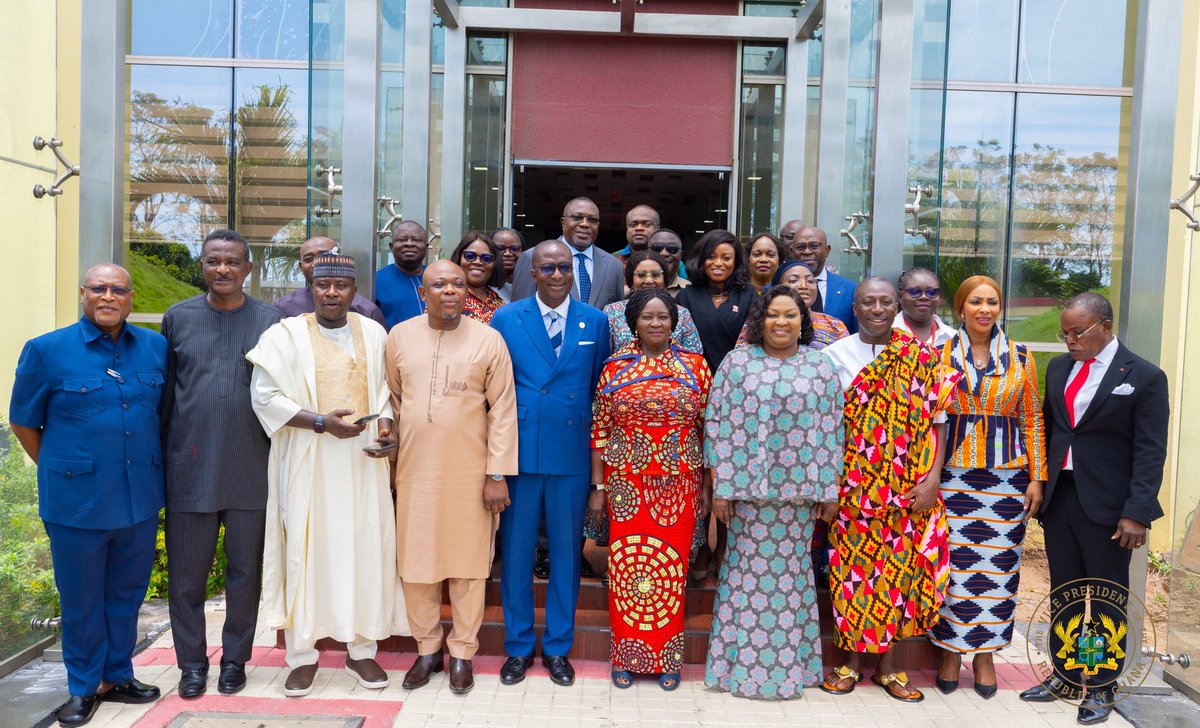
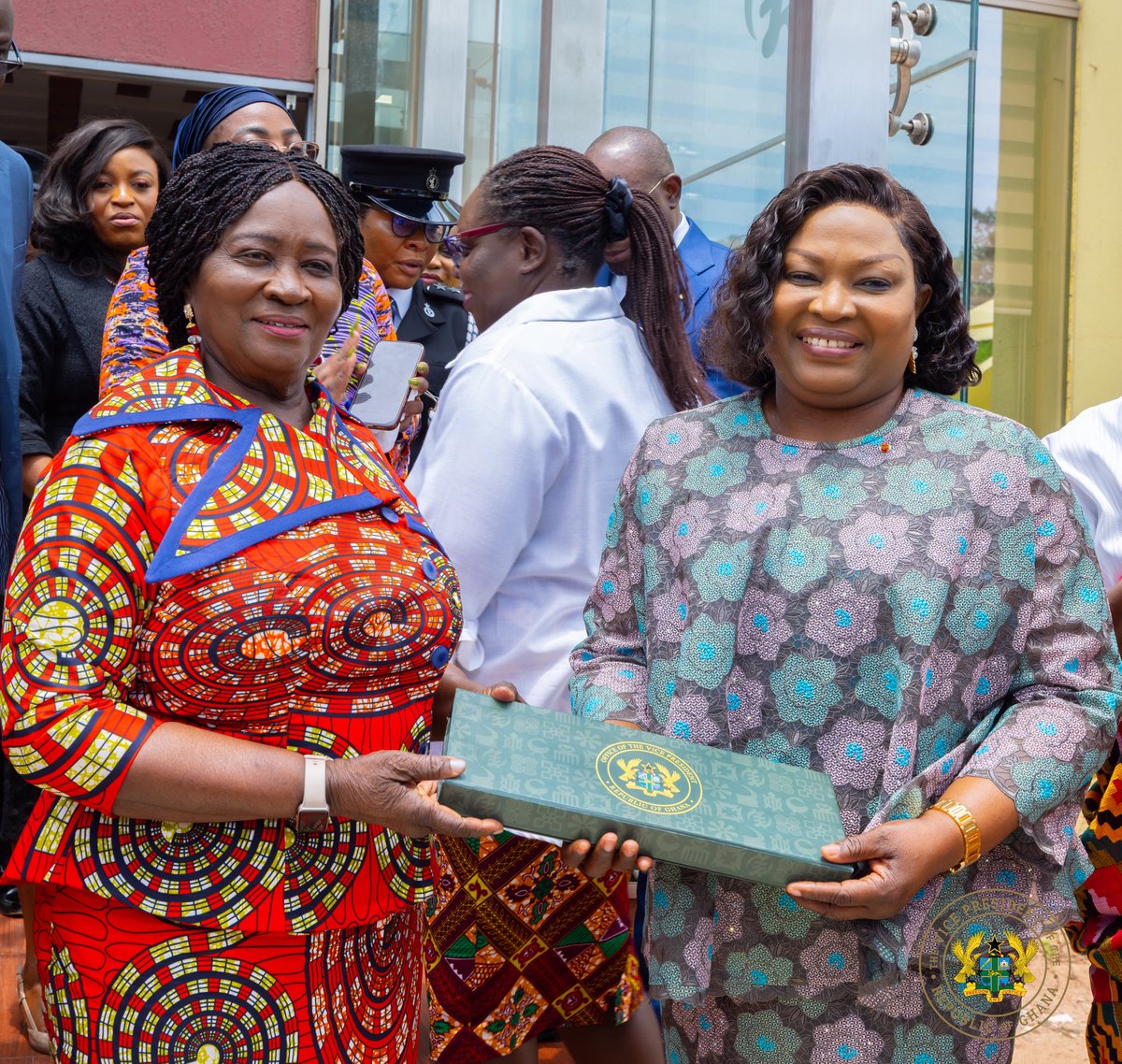
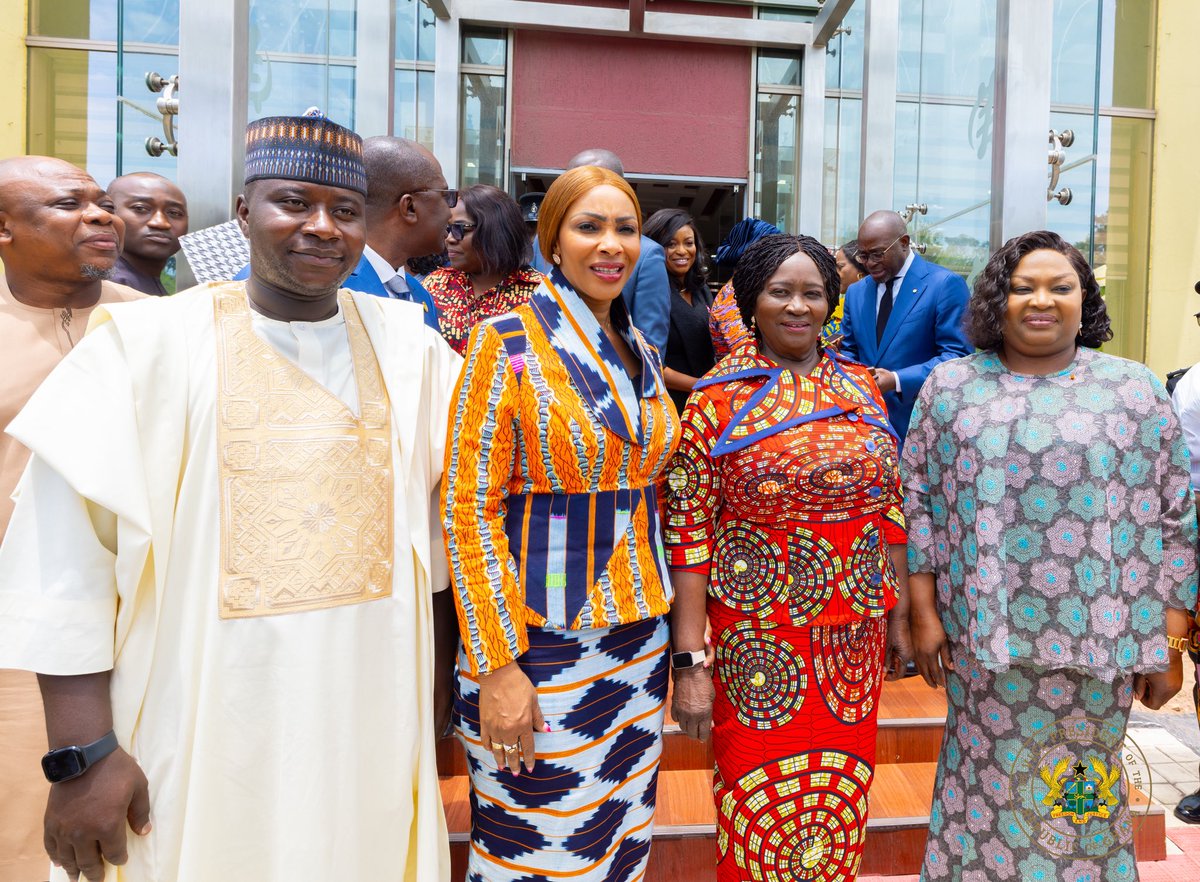
I received the Speaker of the ECOWAS Parliament, Rt. Hon. Hadja Mémounatou Ibrahima, and Members of the ECOWAS Parliament in my office following the opening of the Second Extraordinary Session and Parliamentary Seminar in Accra.
The Speaker thanked the government and people of Ghana for the warm reception and hospitality extended to the delegation. I welcomed them on behalf of His Excellency, President John Dramani Mahama, and reiterated Ghana’s belief that many of the challenges facing our region are best addressed collectively.
That collective approach must be reflected in how we work together. We need even stronger intelligence sharing and closer cooperation on skills development, with particular attention to our young people’s prospects.
Ghana has a longstanding commitment to African integration, rooted in a strong Pan-African vision and sustained by our continued support for regional cooperation. Citizens across our region must increasingly feel the benefits of ECOWAS and regional integration in their daily lives. The success of our resolutions should therefore be measured by their implementation and tangible results.
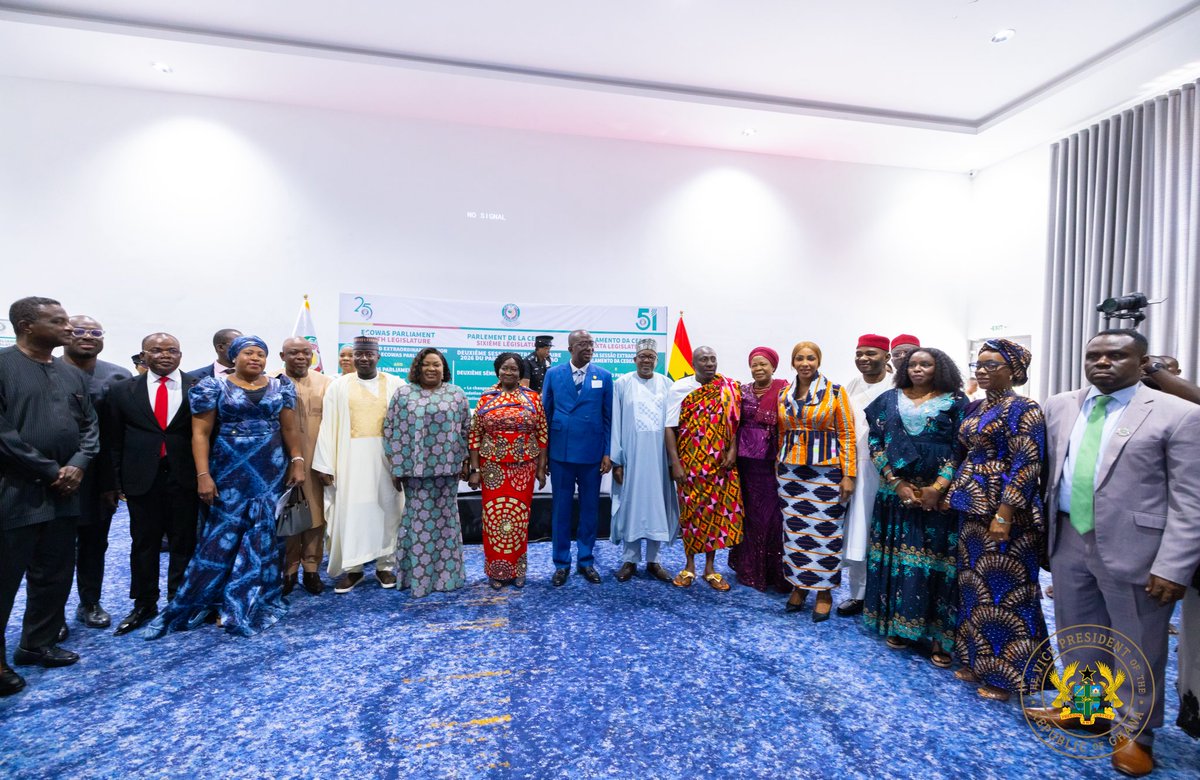
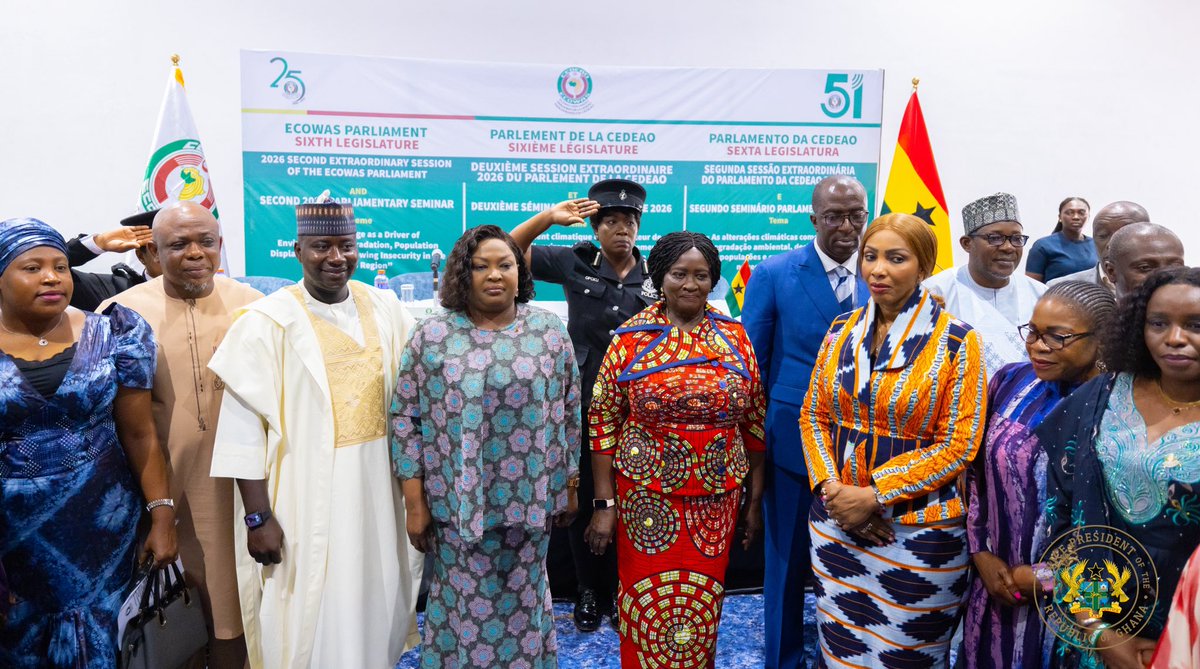
I joined the ECOWAS Parliament in Accra today for the joint opening of its Second Extraordinary Session and Second Parliamentary Seminar of 2026, under the theme “Climate Change as a Driver of Environmental Degradation, Population Displacement and Growing Insecurity in the ECOWAS Region.”
Across West Africa, the effects of climate change are increasingly evident in disrupted livelihoods, displacement, and growing insecurity. These challenges do not respect national borders, and our response should not either.
I therefore emphasised the need for even greater regional cooperation and investment in communities to help them withstand and recover from these pressures. Protecting livelihoods and strengthening food security are development priorities and also essential to peace and stability.
The ECOWAS Parliament has an important role in ensuring that regional integration is felt in the everyday lives of our citizens: in how easily we can move, trade, work, and pursue opportunities across our region.
That commitment to regional integration is deeply rooted in Ghana’s history, from the Pan-African vision of Osagyefo Dr Kwame Nkrumah to the contributions of successive governments. Ghana remains committed to building a more united, integrated and prosperous West Africa.