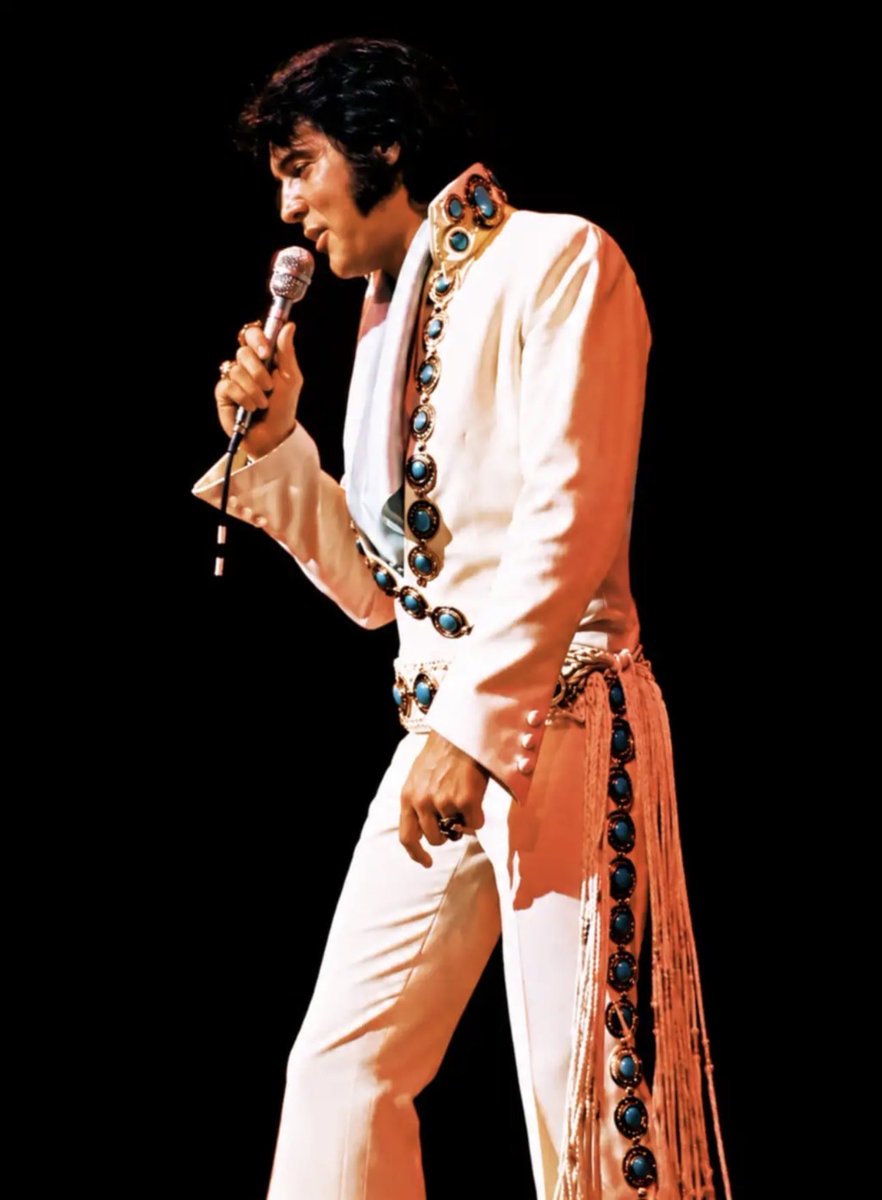
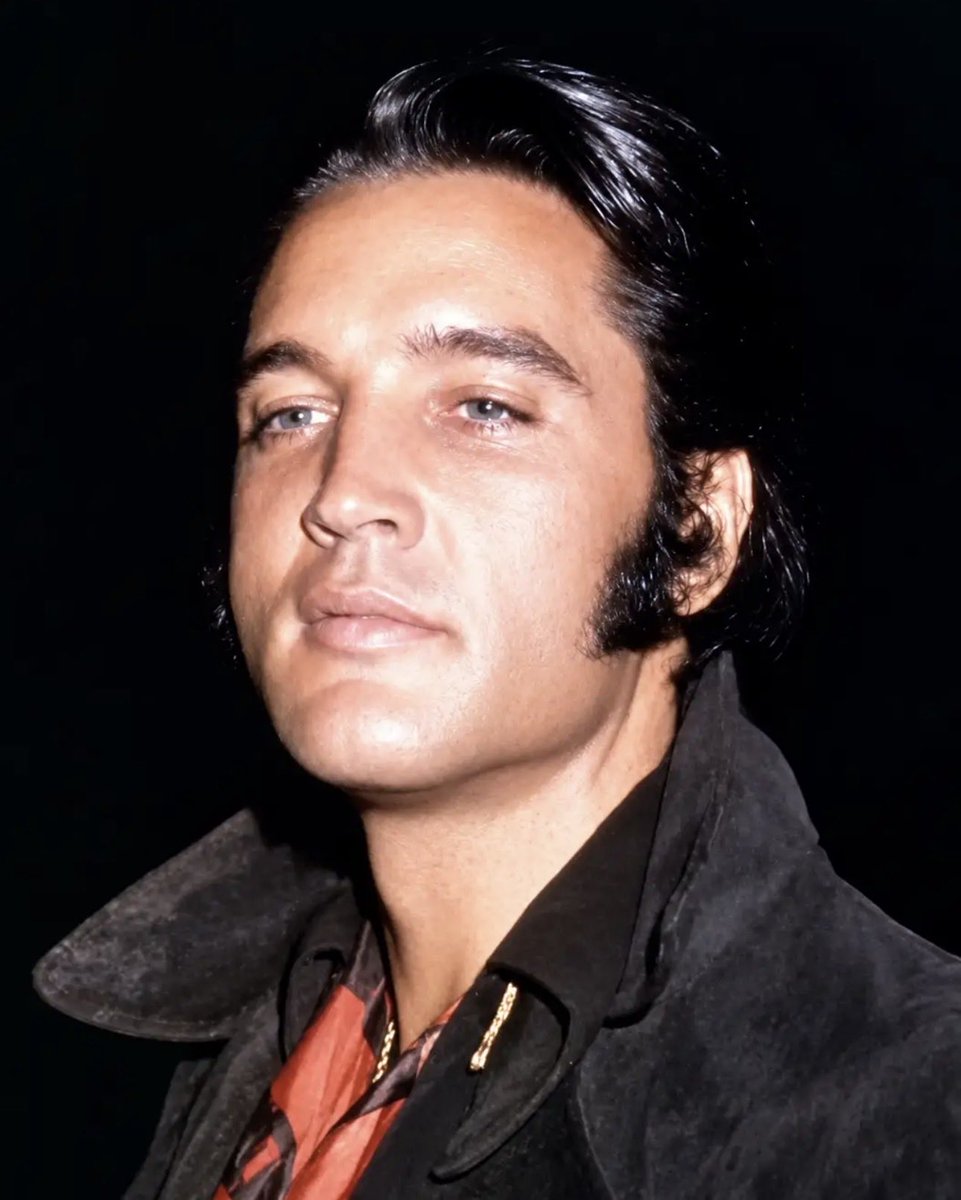
The lovely lady who makes these yes they are me and she added the pictures of Elvis they are fantastic love them I wish 😍😘 ❤️❤️❤️❤️❤️❤️❤️❤️❤️❤️#ElvisPresley xxxx❤️❤️❤️❤️❤️❤️❤️❤️🦚🦋💜🌹🩵⚡️
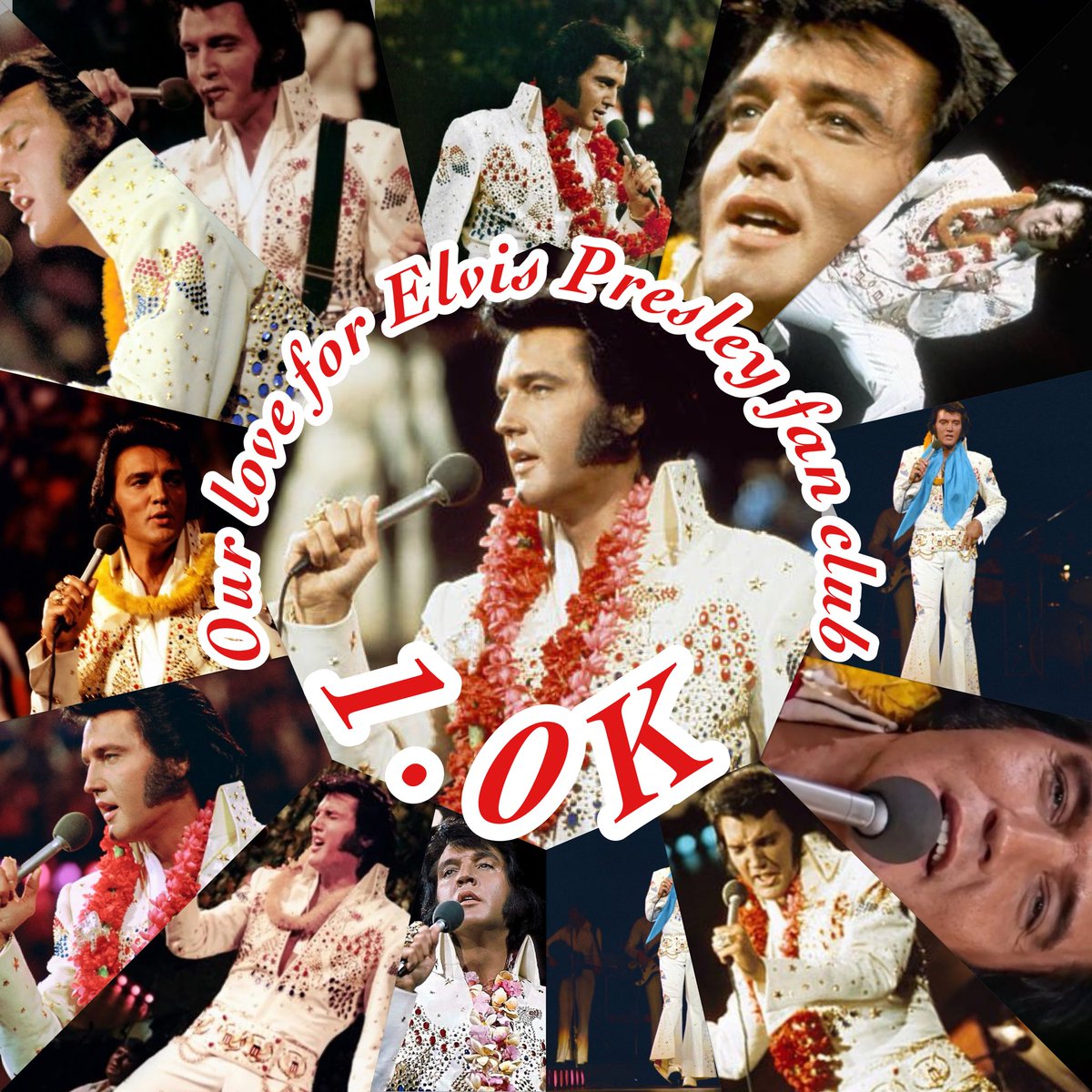
@ElvisPresley@VisitGraceland we have hit 1.0k in just a few months thank you to everyone who has joined and who shared my post a few months ago thank you thank you very much love you Elvis Presley for bringing fans together 😭🥺❤️⚡️🎙️❤️⚡️🎙️ #TLC#TCB ❤️⚡️🎙️❤️⚡️🎙️❤️
https://t.co/ITUjMLkMxC
This was 1987 Elvis Presleys 10th anniversary of him passing away this was in Nottingham at central TV in August I was there it was emotional xxxxx❤️❤️we was at the front because we was singing Elvis songs before it started @ElviPresley@VisitGraceland⚡️
The photo of Elvis Presley reaching out to shake hands with Barbara Ester, a young Black girl, at the Mississippi-Alabama Fair and Dairy Show in Tupelo, Mississippi on September 27, 1956, is more than just an iconic image of a rock and roll superstar.
It’s a powerful reminder of a pivotal moment in American history—one that defied the deeply entrenched racial segregation of the 1950s South.
This simple yet profound act was a statement of empathy, respect, and defiance against the racial prejudices that were institutionalized at the time.
In this article, we will explore the historical, cultural, and personal significance of this moment, examining the broader context of segregation, Elvis’s role in challenging the status quo, the effect on the Civil Rights Movement, and the impact on Barbara Ester.
We will look at how this one act symbolized the breaking of racial boundaries, and how it left an indelible mark on history.
Breaking Racial Barriers: The Significance of Elvis’s Gesture Elvis’s act of shaking hands with Barbara Ester was more than just a kind gesture—it was a public defiance of the racial boundaries that had been rigidly enforced in the South.
The act took place in full view of the audience and, more significantly, the police officers standing nearby, whose job was to ensure that the racial divide remained intact. The police were there to maintain the “order” of segregation, but the photo captures a moment of human connection happening right in front of them.
This moment was significant not only because of the gesture itself but also because of the larger social context in which it occurred.
By reaching out to Barbara, Elvis was sending a powerful message that transcended the cultural and racial tensions of the time. He was showing that true respect for one another knows no color and that love, kindness, and empathy should be the basis of our relationships with others, regardless of race.
In the midst of a racially segregated South, Elvis’s actions were a quiet but significant act of rebellion. It symbolized the possibility of a world where boundaries could be crossed, and racial divisions could be broken down through simple acts of kindness and humanity.