Trauma responsive educator on the look out for strengths, student of relational neurosciences, animal lover, explorer, NPR nerd. I am a work in progress.
If you have heard me speak, you know I openly share my trauma-informed journey of being a principal very transparently. It is challenging to embrace the new paradigm if we can not acknowledge the potential harm we might have caused by simply doing what we have always done.
Once upon a classroom "making them" was the way.
Now, meeting them is the way.
And what a mess where I meet them, but that's the beauty in our work, the real in our work, the purpose in our work.
They can only ever be where they are, and that is where we must meet them.
Quick de-escalation phrases for kids:
You’re not in trouble.
I want to hear your side.
I’m not mad at you.
What happened?
How can I help you right now?
Let’s talk about this.
@sheathescholar I am so sorry an act of compassion was met with unnecessary controversy and judgement. I appreciate and learn from you weekly! Thank you for all you do. Thank you for the reminder to pause.
Yeah. When our nervous system's been sensitized by trauma, we ARE more shaken up by, like, every little bump in the road & change in the air.
We can also be more appreciative of every kind of heartbreaking beauty others miss-- which can also be a mixed bag.
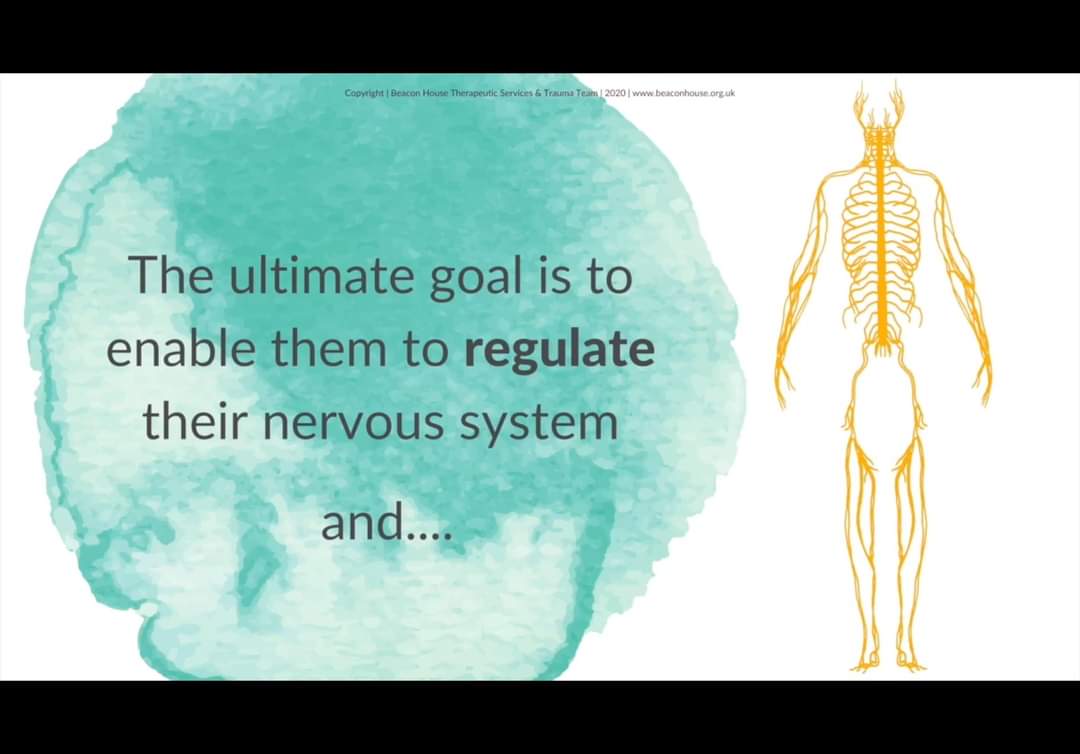
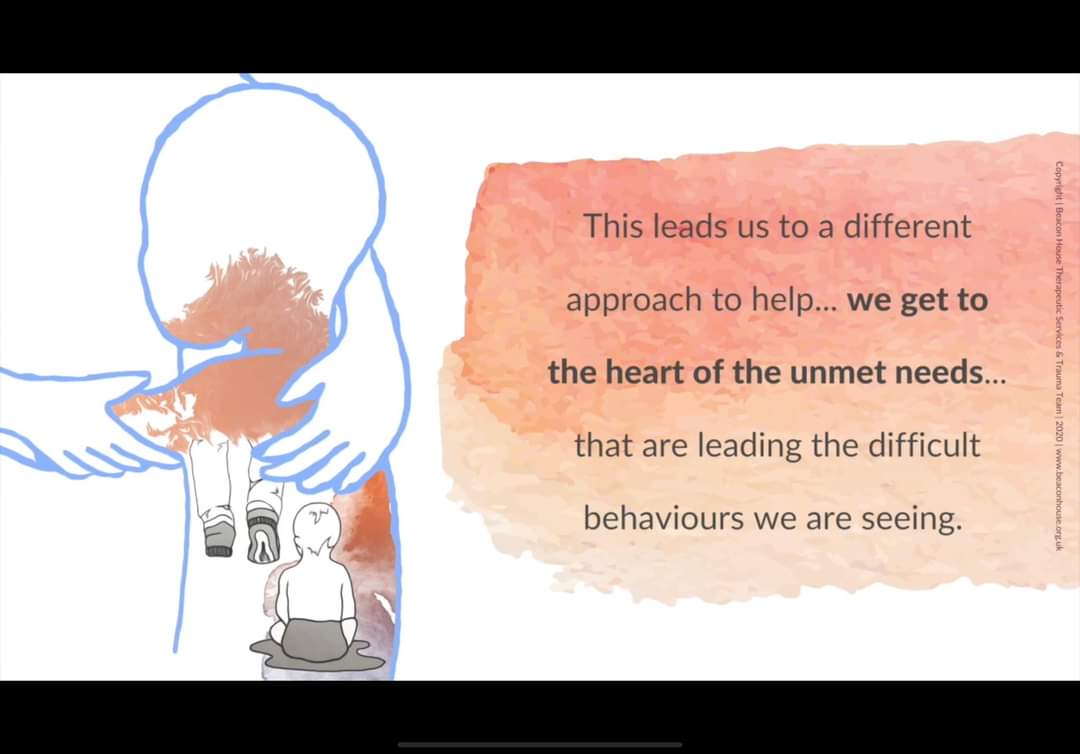
When our young people are communicatng stressed behaviour, we must Regulate, Relate, Reason in that sequence, we must not go straight for the cortex. Pupils cannot reason when their emotions are not regulated. Visuals from @BeaconHouseTeam 🧠🌱
Talk With Your Hands? You Might Think With Them Too!
Constraining hand movements affects the processing of object-meaning, a finding which supports the theory of embodied cognition.
#neuroscience#science
https://t.co/C2gycG0rYt
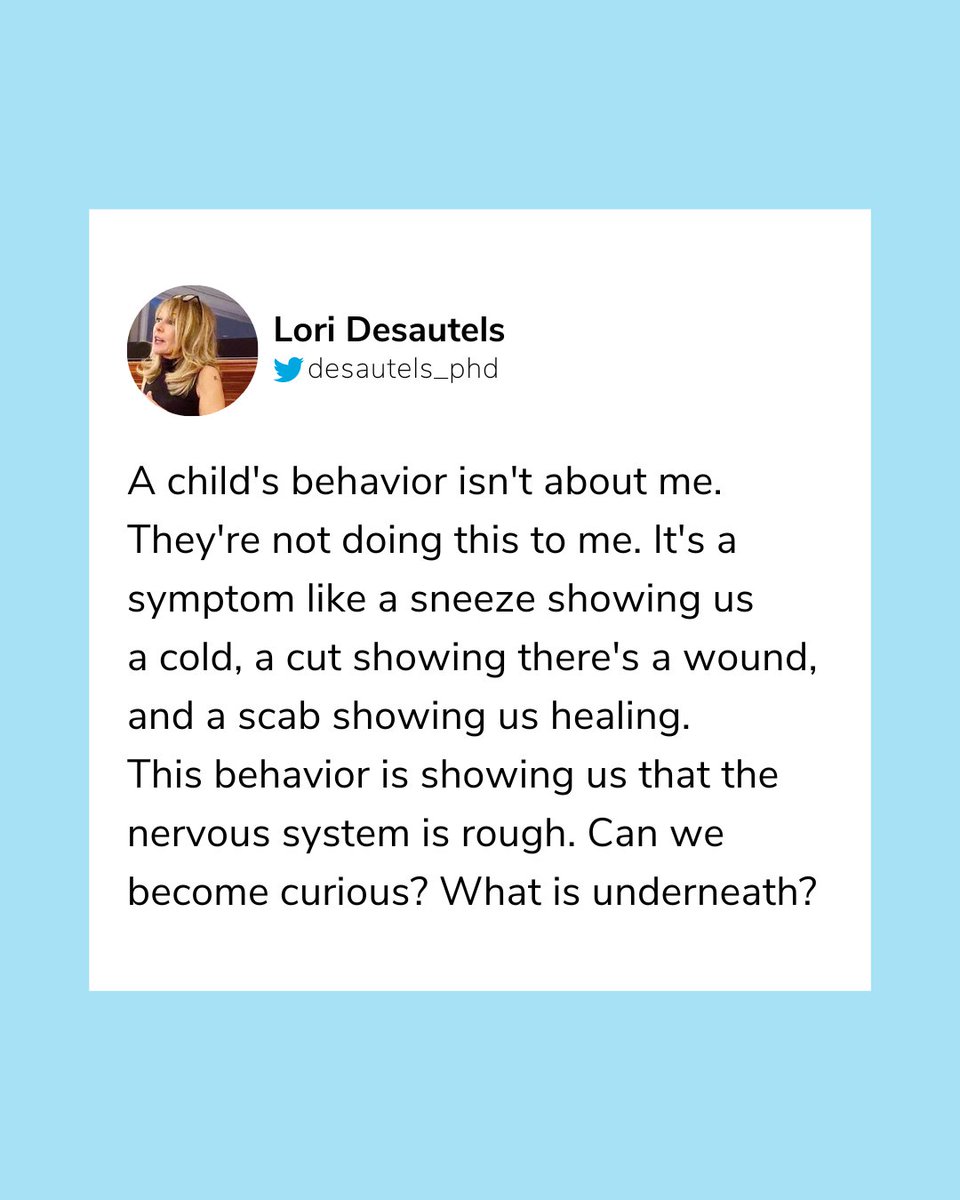
Sometimes when we're working with students with the most challenging behaviors we need to listen to what they are saying instead of punishing them for how they say it.