#AmberAlert4SocialJustice uses creative platforms through arts/events to draw Nigerians together in promoting social justice. Let's put an end to injustice!
#AmberAlertForSocialJustice is creating awareness on and advocating for #SocialJusticeForAll Nigerians using creative platforms through arts/events....
Amber Alert 4 Social Justice is a registered Trade Mark of Network of University Legal Aid Institutions - @NULAINigeria (1)
Sexual Assault Referral Centers across Nigeria offer support to gbv survivors including:
The Cece Yara Child Advocacy Centre
Mirabel Centre
Women at Risk Foundation (WARIF) Centre
Find more here: https://t.co/f5auZNi63k
International Human Rights Day annually marks the anniversary of the Universal Declaration of Human Rights.
This year’s theme, Our Rights, Our Future, Right Now reminds us that standing up for our rights today, paves way for a better, more peaceful and equal future for all.
- Do not blame or shame survivors of GBV, support them to get all the help they need
- Do not be an enabler, if it’s happening around you, hold perpetrators accountable. Report it.
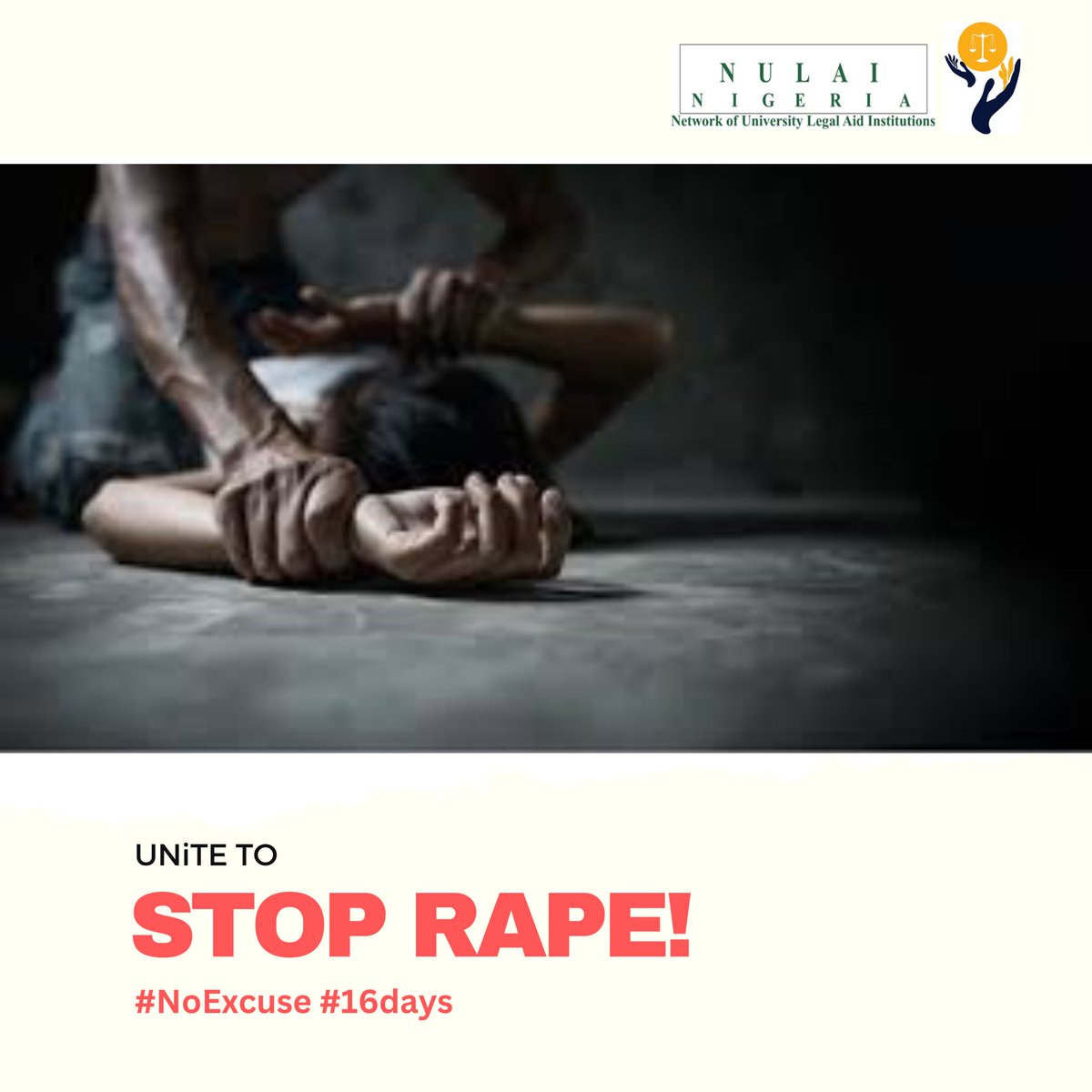
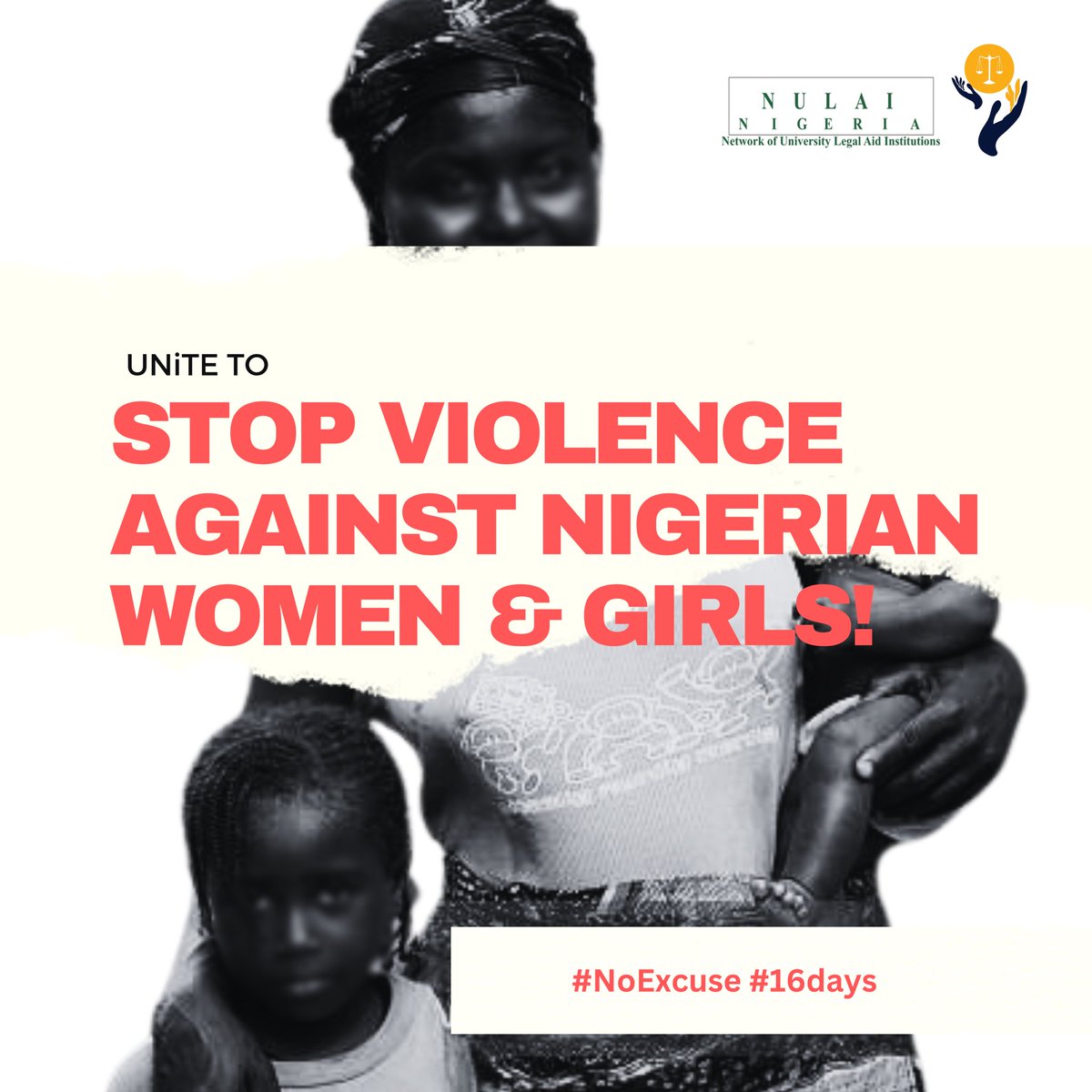
Sexual violence has become so widespread and frequent in Nigeria that its resulting effects appear to have been normalized. Women and girls across the country continue to endure the physical and psychological trauma of these violations with many…
…incidents going unreported due to stigmatization, victim-blaming and lack of trust in law enforcement agencies.
Worse still, the few reported cases suggest that young and adolescent girls make up the majority of the victims.
Child marriage is a violation of girls' human rights and although the federal Child Rights Act 2003 prohibits marriage for persons under 18, many Nigerian girls are still being married off before reaching this age.
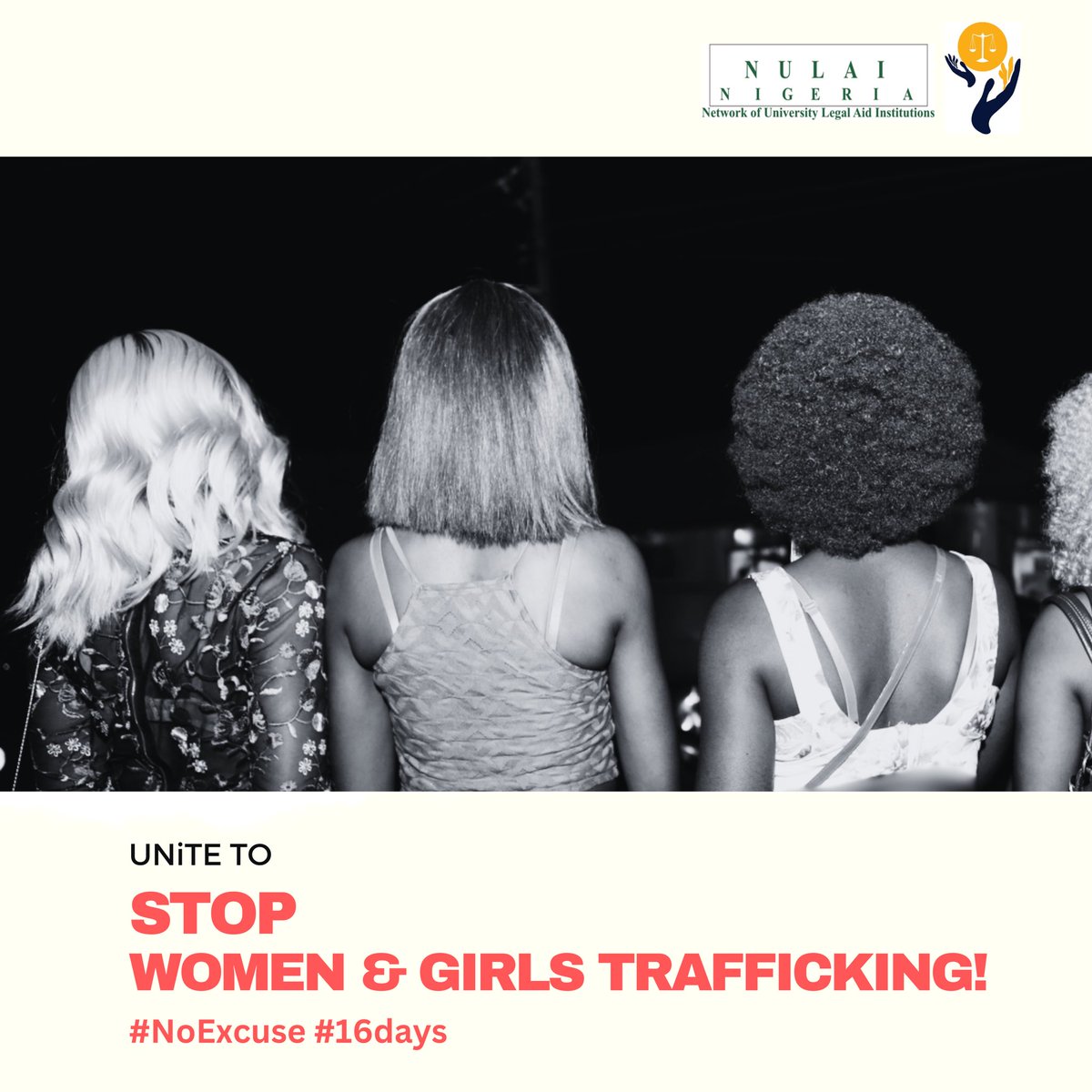
The Nigerian girl child is also subjected to other harmful practices such as female genital mutilation, trafficking, online violence.
There is #NoExcuse to deprive girls of their basic rights to life, education, safety, and freedom.
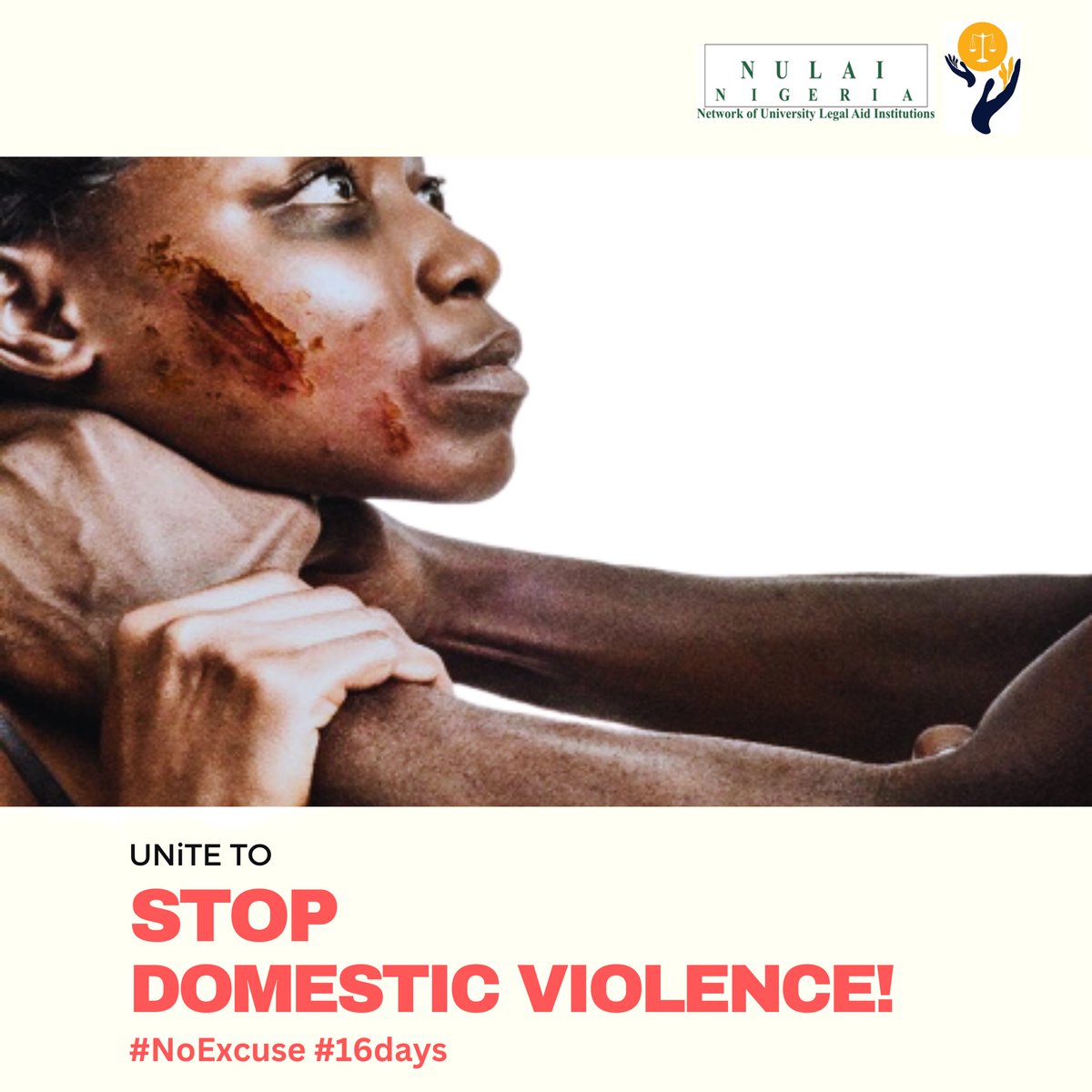
Domestic violence is widespread and commonly perpetrated against Nigerian women regardless of age, tribe or even social status. As the name implies, it is violence committed by someone in the victim's domestic circle such as partners or ex-partners, relatives, family friends etc.
In extreme cases, a lot of women haven been permanently scarred (e.g bathed in acid), tortured or beaten to death by their spouse. Sometimes, other family members like in-laws mete out these abuses.
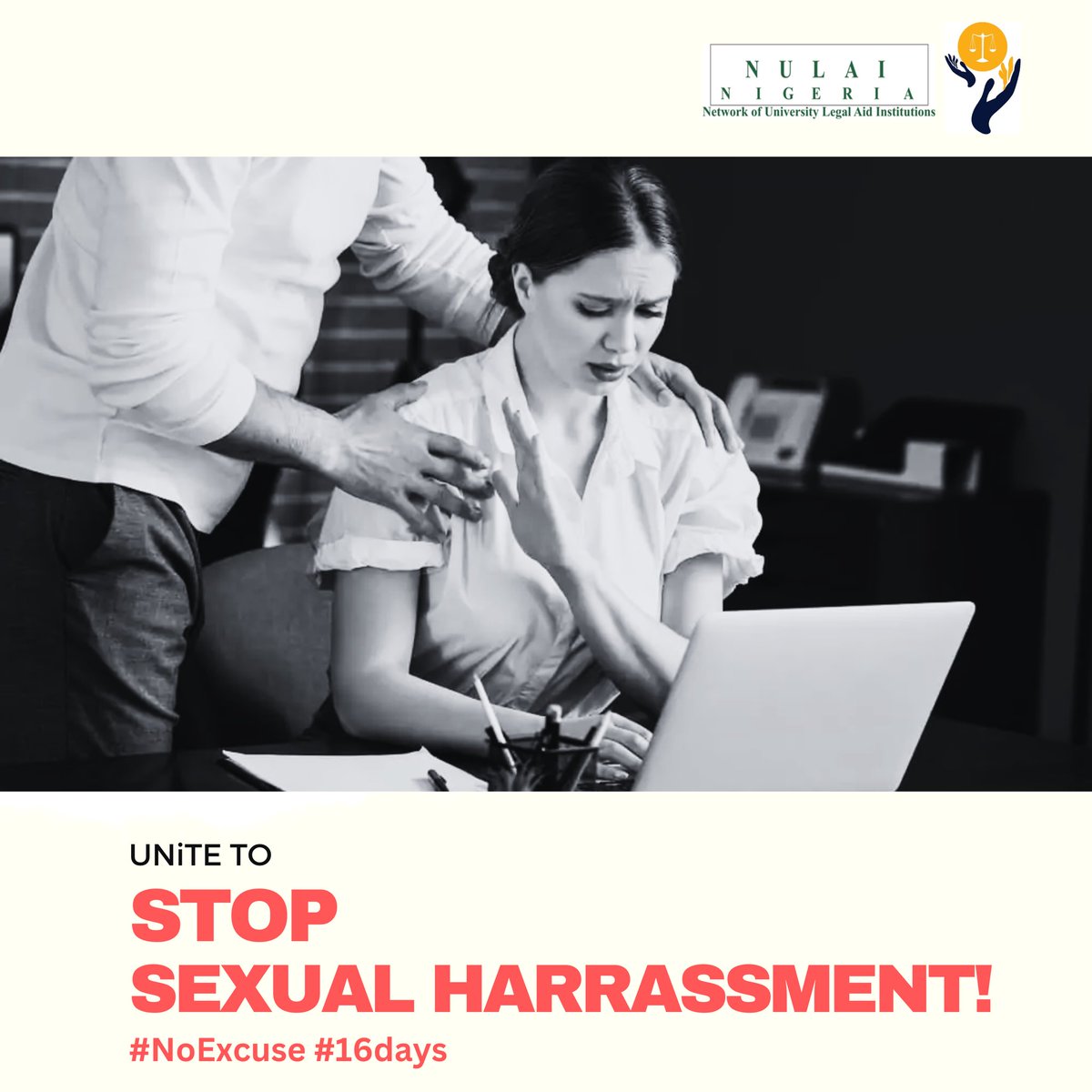
In Nigeria, there has been a troubling increase in cases of gender-based violence. Factors such as cultural and religious beliefs, inequality, unemployment, poverty, and conflict have all significantly contributed to this rise.
From increased mortality, to the psychological trauma suffered by children who witness the abuse of their mothers, the breakdown of families—the smallest units of society—and the untapped economic potential that could be unleashed by empowering more women,…