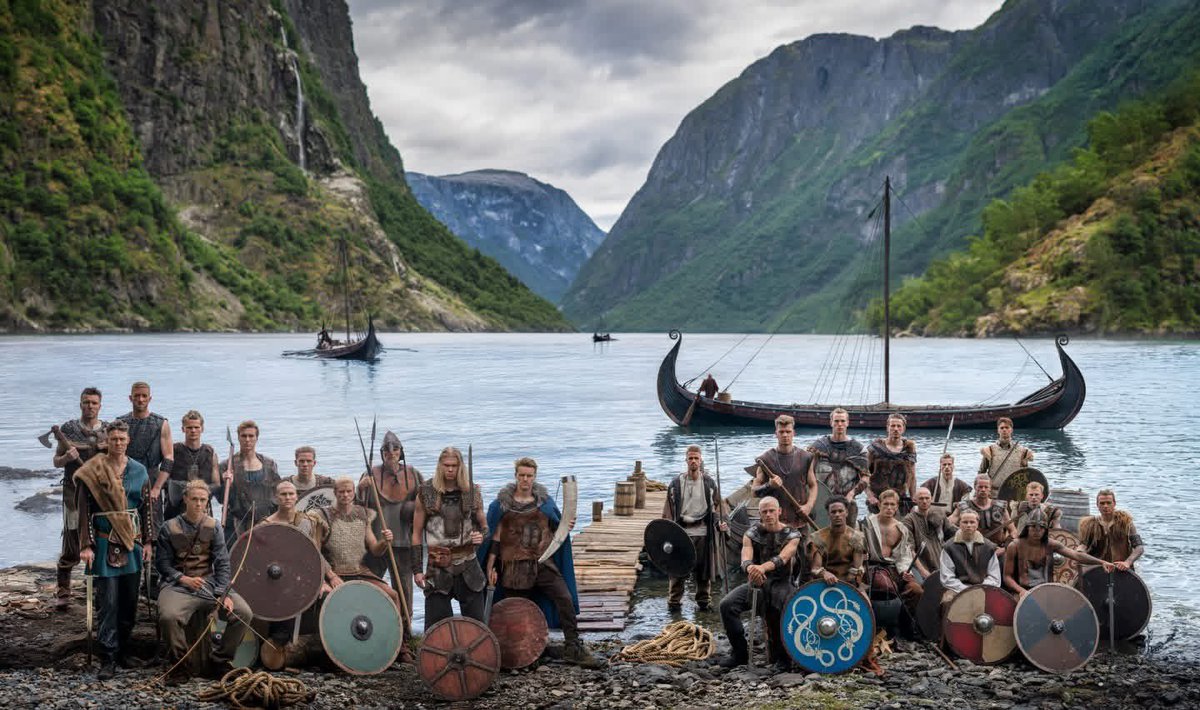
No ha empezado el Mundial y Noruega ya tiene las 3 mejores fotos de equipo.
La primera antes de viajar, disfrazados de vikingos.
La segunda, su foto oficial, con la camiseta de Noruega, todos perfectamente alineados.
La tercera, ahora, todos los jugadores con las camisetas de su primer club.
Qué grandes los vikingos.
#SciFeature 𝗛𝗢𝗪 𝗚𝗥𝗘𝗘𝗡 𝗔𝗥𝗘 𝗧𝗛𝗘 𝗦𝗢𝗨𝗧𝗛𝗘𝗔𝗦𝗧 𝗔𝗦𝗜𝗔𝗡 𝗖𝗔𝗣𝗜𝗧𝗔𝗟𝗦?
As Southeast Asia’s capital cities continue to experience rapid urbanization and population growth, how much lush greenery still remains within these expanding urban landscapes?
Here’s a visualization showing how much of the capital cities are still covered with forests, grasslands, or with considerable vegetation as of 2025, based on the latest update from the Esri Sentinel-2 10m Land Use/Land Cover data.
Greenery coverage across the 10 ASEAN capital cities varies greatly. Naypyidaw and Vientiane remain among the greenest, while densely populated capitals such as Jakarta and #Manila are already heavily built up with buildings, roads, and other infrastructure.
Urban forests and vegetation play a crucial role in reducing heat, improving air quality, and protecting water resources, helping make cities more livable and resilient.
Long-term efforts, such as in Singapore and Kuala Lumpur, to restore and expand green spaces are already delivering benefits to residents, from cooler surroundings to healthier urban environments. #urban #environment #ASEAN