Crikey! Meet Irwin’s snapping turtle. The late Steve Irwin, and his father Bob, spotted this rare reptile in the early 1990s & contacted herpetologist John Cann. He was the first to describe this species—and he named it after the Irwins! It can be found in Queensland, Australia.
Trilobite lovers, meet the blue green chiton! Though it resembles some trilobites, this critter is actually a mollusk that inhabits waters around Australia & New Zealand. Growing about 1.4 in (3.5 cm) long, this nocturnal critter can roll into a ball when threatened or disturbed.
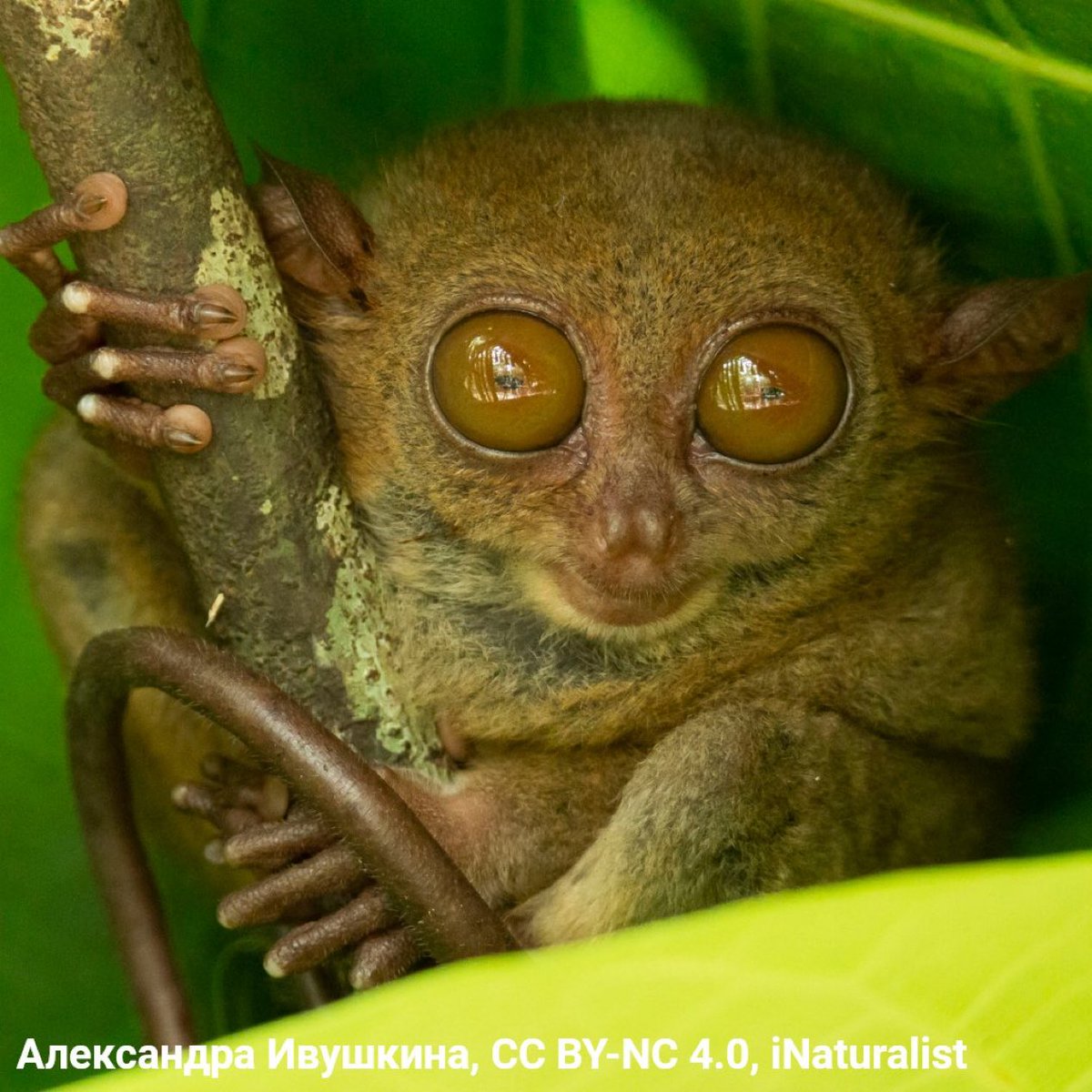
The Philippine tarsier is one of the world’s smallest primates, measuring ~5 in (13 cm) long & weighing ~5 oz (142 g)—roughly as large as a baseball. It uses its large eyes (each of which is about the size of its brain) to hunt insects at twilight.
It’s Fossil Friday! Unlike its three-horned cousin Triceratops, Styracosaurus had a singular nasal horn & huge spikes on its frill. It may have used its headgear to defend against predators, attract mates, or compete with rivals.
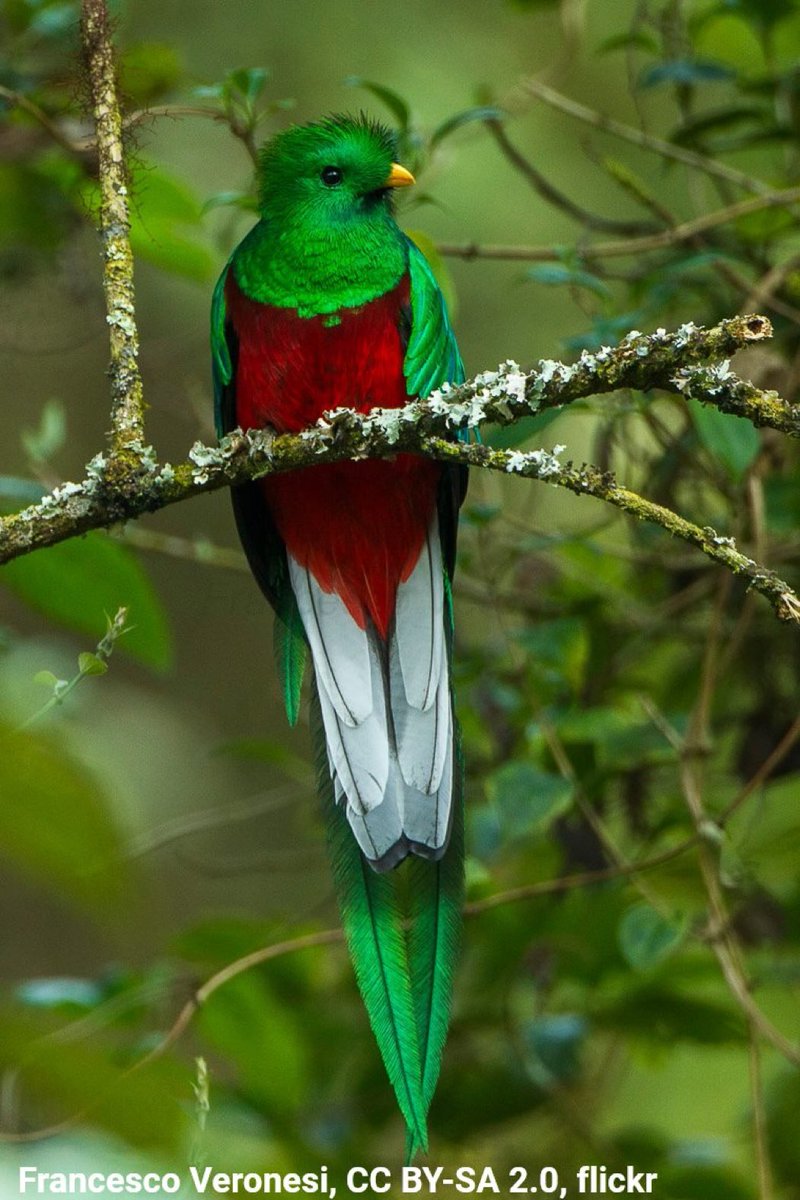
The Resplendent Quetzal inhabits the cloud forests of Central America at elevations of up to 10,00 ft (3,048 m). Males showcase brilliant iridescent green plumage that contrasts with a vibrant shock of red on their bellies, and their tail feathers can grow ~3 ft (0.9 m) long!
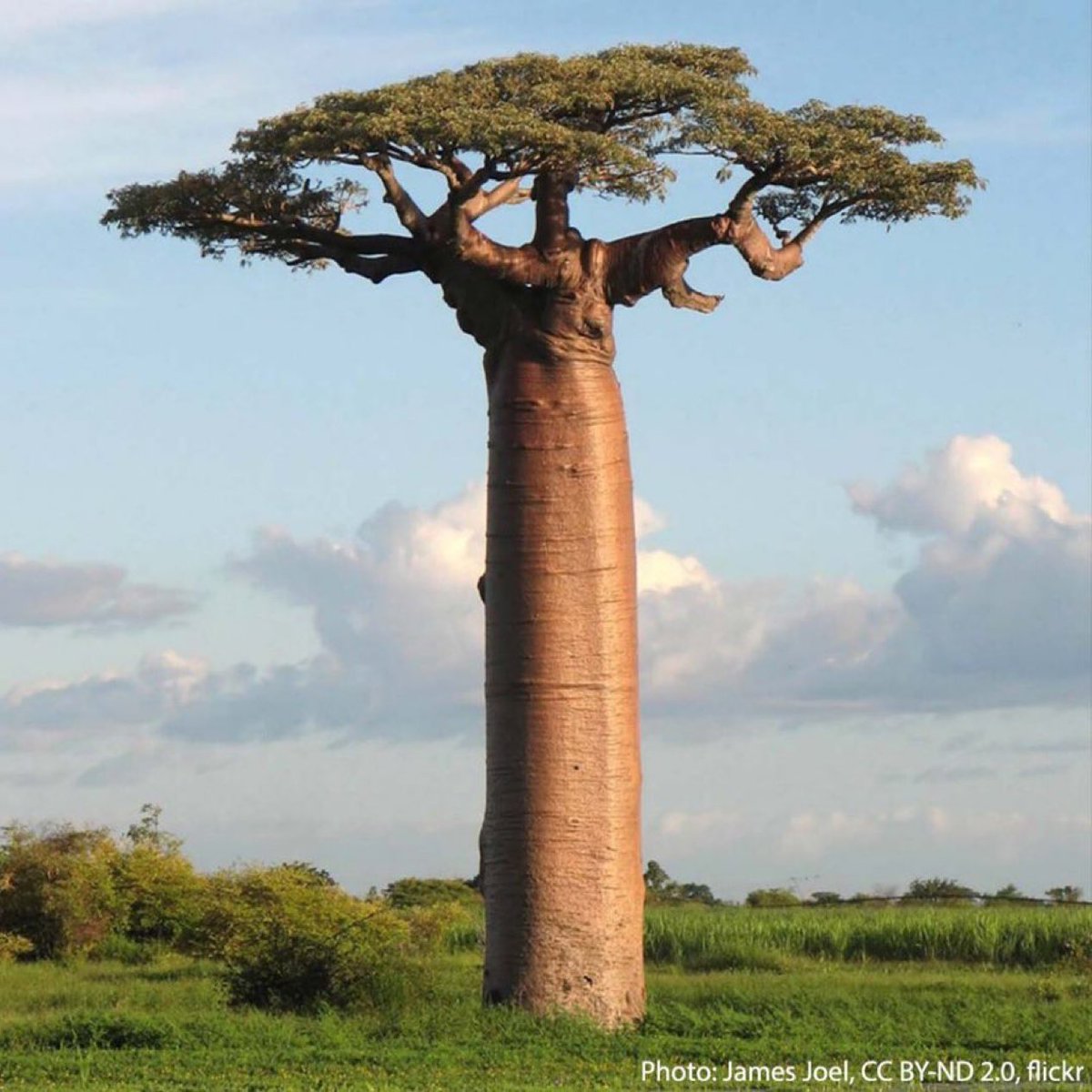
The Grandidier's baobab, also known as the renala, may live to be more than 300 years old! Scientists are unable to confirm these trees' exact age because baobabs don't produce annual growth rings. This species of baobab is found only in Madagascar's dry deciduous forests.
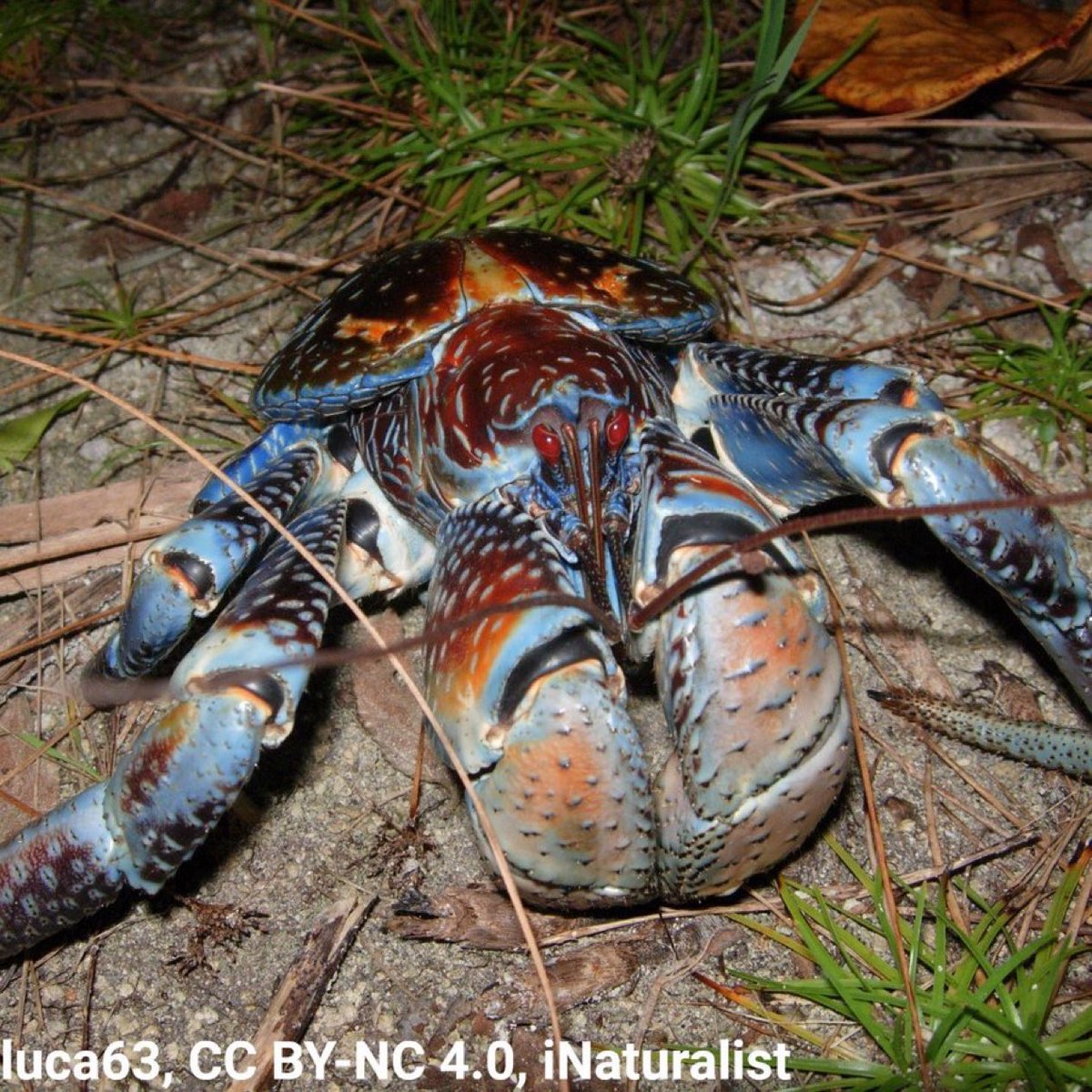
The world’s largest terrestrial invertebrate? That would be the coconut crab. It can span ~3 ft (1 m) long from leg tip to leg tip & weigh ~8 lbs (4 kg)! It inhabits coasts off of the Indo-Pacific Ocean. Scientists have compared its pinching power to a lion’s bite force!🥥🦀
What’s a spiny lumpsucker? No, it’s not a nickname for your ex. This fish's body shape and small fins mean that it isn’t the best swimmer, but a powerful pelvic fin helps it stick to solid surfaces, acting like a suction cup to hold it in place as it hides from predators.
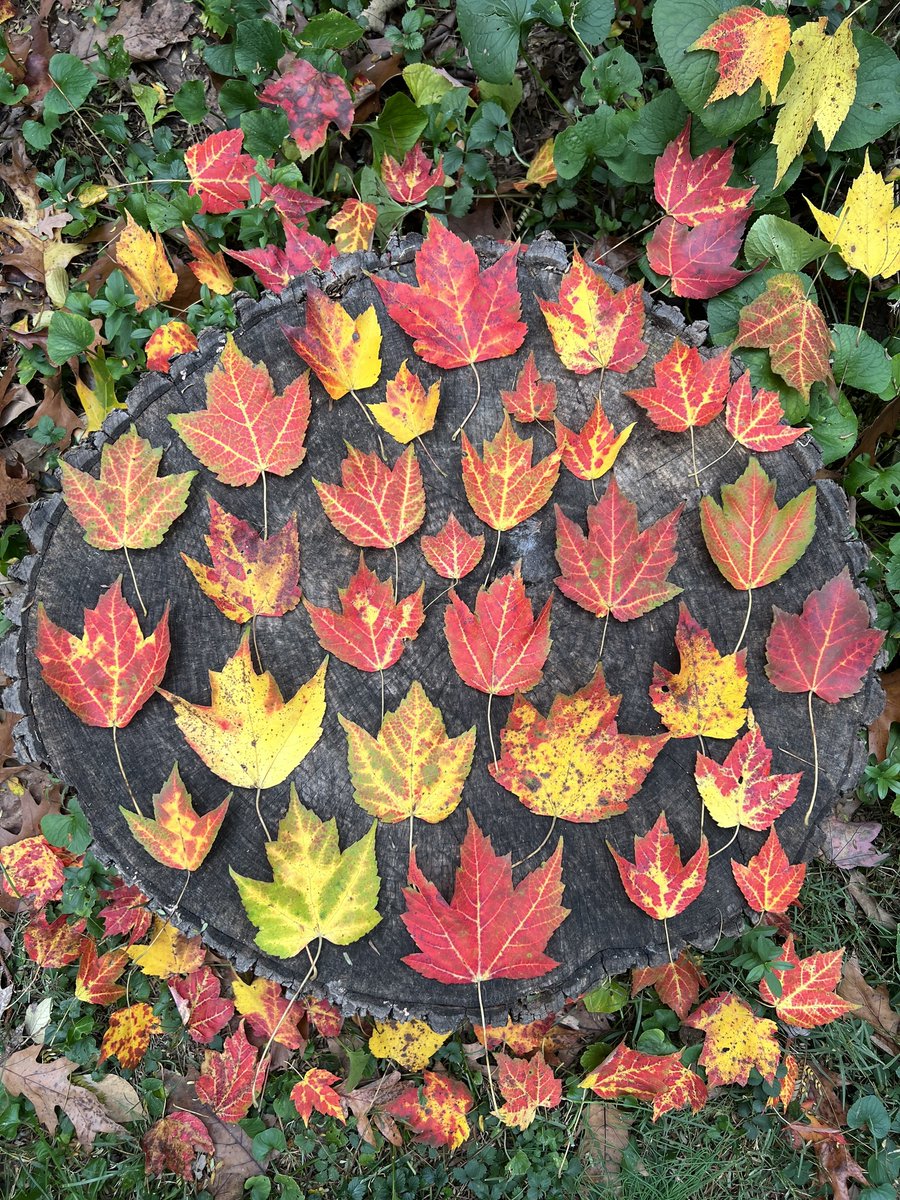
Few things make it feel more like fall than the foliage of the red maple tree. #DYK? It sports something red all year round: in winter, it has red buds; in spring, red flowers begin to bloom; in summer, the leaf stalks turn red; & in autumn, the foliage is a vivid orange-red.🍁
#DYK? The short beaked echidna is a monotreme, meaning it’s one of the few mammals that lays eggs instead of bearing live young. And? This species is unusually long-lived, with individuals living up to 50 years in captivity. This spiky critter can weigh ~15.4 lbs (7 kg).
This cricket isn’t named Jiminy. Growing ~1.9 in (5 cm) long, the armored bush cricket uses powerful jaws to feed on a diet that includes leaves, other crickets, & even nestling birds. When threatened, it's able to squirt a distasteful liquid called hemolymph at foes.
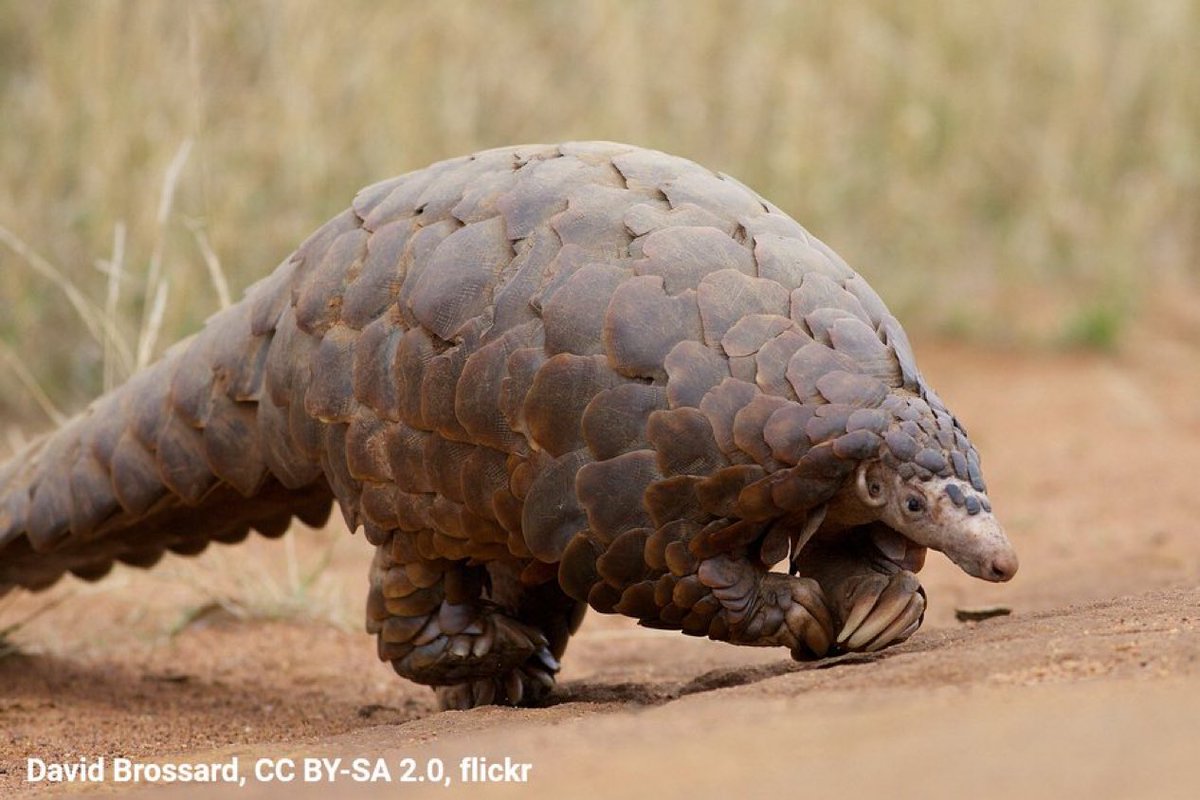
What’s up? Not the ground pangolin. It spends most of its time on the ground, creating underground burrows to snooze in during daylight. At night, it uses its long tongue to slurp up insects. When threatened, it can roll up into a ball, protecting its soft body from predators.
Who’s this fuzzy noodle? That would be the long-tailed weasel. North America’s largest weasel, this nocturnal critter feeds on small mammals, insects, and birds. It inhabits the burrows of other species, but it’s also a skilled climber that can often be found in the trees.
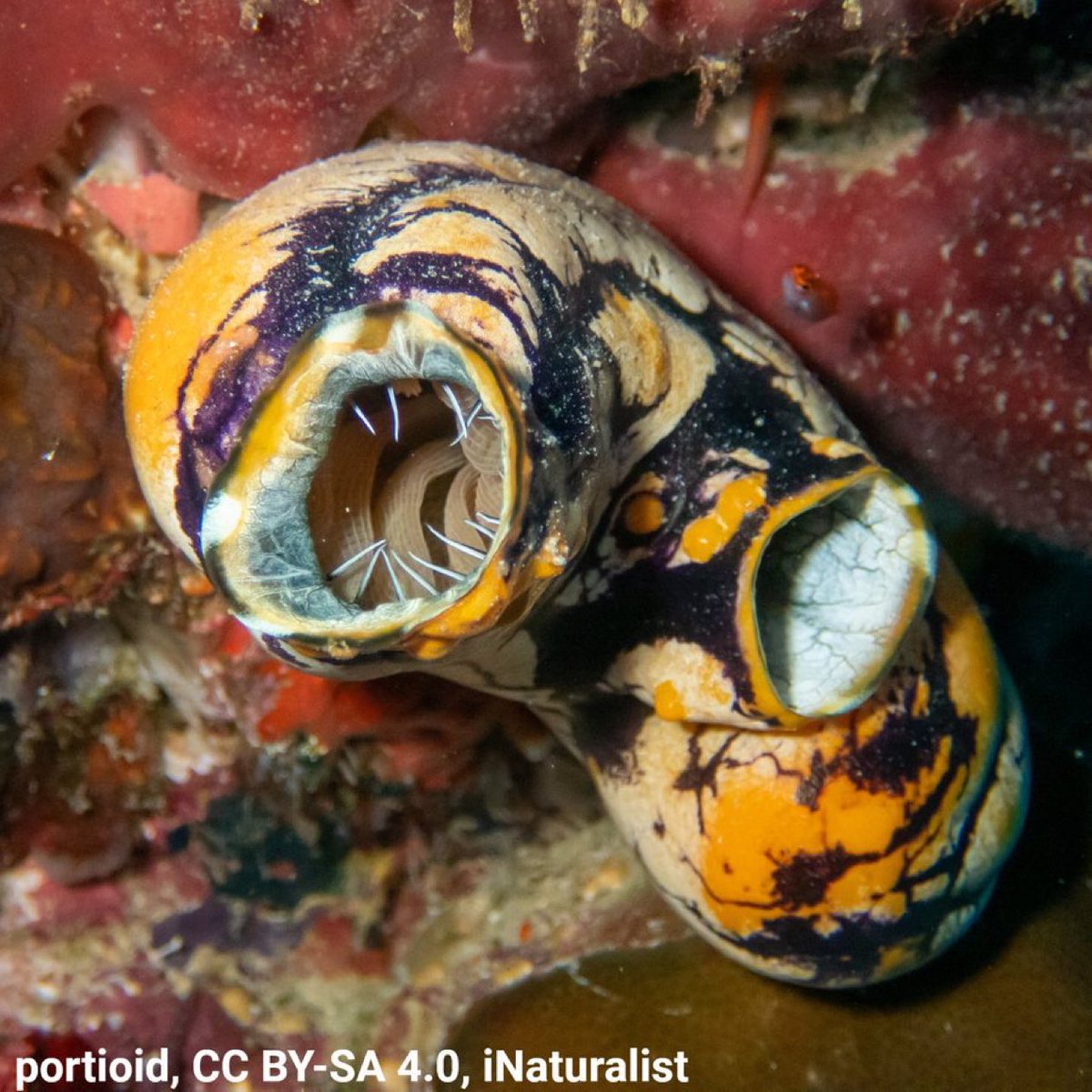
Meet the gold-mouth sea squirt! This filter-feeder draws in water through an opening known as a siphon to devour phytoplankton and bacteria. It can be found in waters off of Southeast Asia and Australia.
Why does the binturong smell like buttered popcorn The answer is... pee! A chemical compound-2-acetyl-1-pyrroline-in this critter's urine is the same one found in popcorn. It uses its signature scent to mark its territory and attract mates.
The little pygmy possum is the smallest possum in the world. This marsupial typically weighs only 0.4 oz (10 g)—about the weight of 10 almonds. This omnivore has a taste for the nectar & pollen of flowering plants, and it can consume up to 7% of its body weight in a single day!
#OTD in 1914, Martha (the last-known living Passenger Pigeon) died at the Cincinnati Zoo. Her death—at 29 after a lifetime in captivity—marked the disappearance of her once-abundant species from the world & made her name synonymous with species extinction at human hands.
What color is the Australian King Parrot? 👀 If you answered red and green, you’re only partially right! Under UV light, some of its plumage has a distinctly golden hue, which is invisible to the human eye. How can you tell males and females apart? Males have red heads.
Ever heard of the aardwolf? It’s an insectivorous mammal that’s in the same family as the hyena. Unlike its carnivorous relatives, it’s one of a few mammals that feed exclusively on termites. In summertime, it can gobble up ~200,000 termites for its midnight meal!
Meet the giant rain frog! To survive the summer heat, this amphibian burrows underground. At about 1.8 in (4.5cm) long, it’s the largest of all rain frogs. When threatened, it can blow up like a balloon, intimidating foes with sudden roundness.