😭 may you rest in peace, Arif…
Winning against poverty, losing against time: An unlikely academic’s (un)finished agenda https://t.co/YrNeh65Rei via @scroll_in
Literature review is one of the most time-consuming parts of any research project.
Here's a new Zotero+SciSummary workflow to supercharge your literature review.
It'll help you collect, organize, and summarize papers in a fraction of a time.
You can learn it in 15 min:
It was an honour to write this essay in @scroll_in about @arif_naveed's fascinating life: from a village in Pakistan, to a prominent academic in Britain, to facing untimely death. What does it mean to win against poverty but lose against time? https://t.co/gXUxy4bZTt
Read this article about Dr @arif_naveed journey and his deep reflections at such a difficult time. I had the privilege of meeting Arif @CamEdFac and @Gates_Cambridge . Thanks Arif for sharing your insights in this very well-written article by @PSutoris
https://t.co/NLm1eld1k3
A last minute unplanned mid-week getaway to an island an hour away from Brunei by ferry. So last minute that I booked accommodations while waiting to embark on said ferry. A well worth impromptu trip.
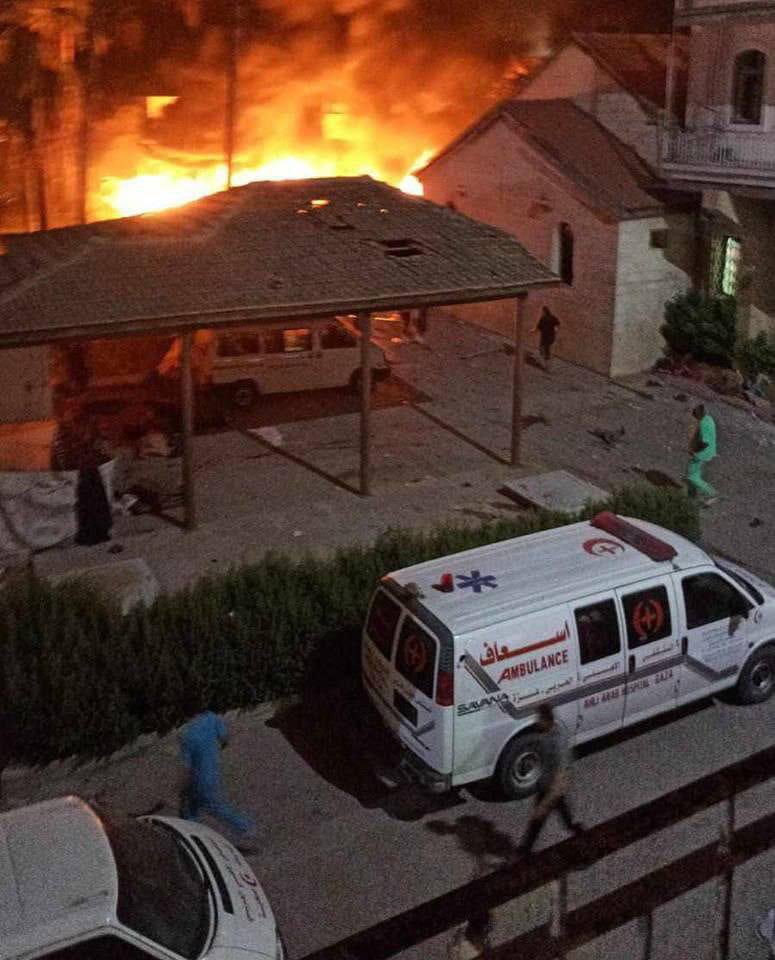
A massacre: hundreds are killed in an Israeli strike on the Episcopal (Anglican) Church hospital (Al Ahli Arab Hospital) in #Gaza, there were hundreds of medical staff, patients and civilians taking refuge under Church protection. What and how long will it take to stop these atrocious war crimes?
THIS IS GOING VIRAL SO I WANTED TO SHARE IT HERE TOO:
A bit from my past:
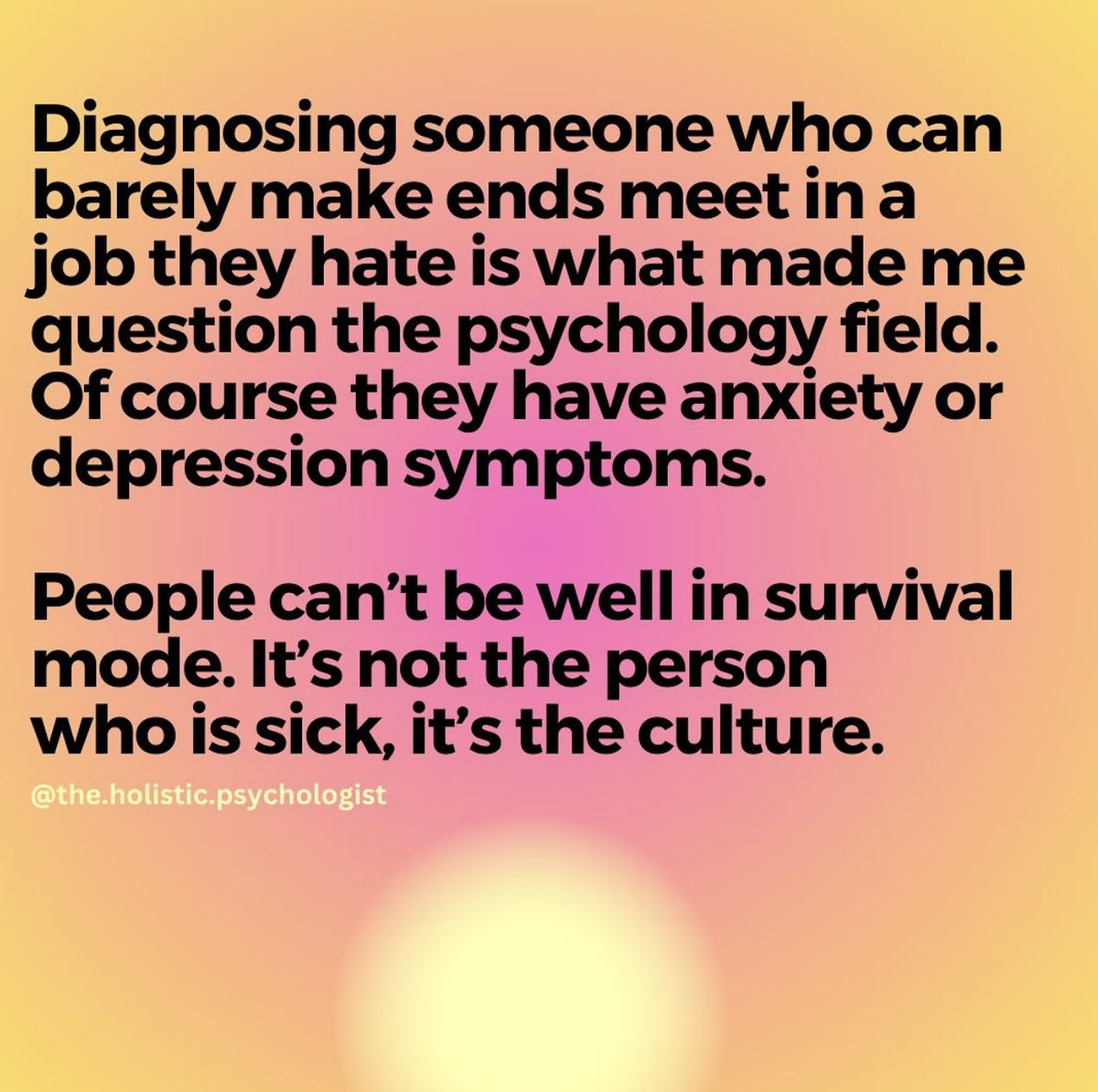
My first job after getting my PhD was working as a therapist for people from low socioeconomic backgrounds.
Almost all of them were diagnosed with depression, GAD, bipolar, or BPD. Most were highly medicated— some to a point that still sticks with me years later.
As I got to know their background and lives 3 things were very clear:
1. A vast majority had been emotionally neglected, emotionally abused, or physically abused as children.
2. A vast majority had experienced domestic violence or were currently living in it.
3. Basic needs were never met. Life was an hour by hour struggle. Treatment was an attempt to allow them to get to work in most cases. To just continue to surviving.
It was the start of me questioning the field I had been trained in. One that diagnoses people with disorders without taking a look at the whole picture. It began my path of holistic understanding.
A person cannot be well when one unexpected bill will have them fall behind on rent. When they lay their head on a pillow and all they can think about is expenses piling up. When a bill at the grocery store is almost double what they paid last year when their income has stayed the same.
An entire family unit deeply struggles within survival mode. When a job is lost. When daycare needs to be paid, but so does the light bill— what do you choose? When parents can’t even think about the emotional needs of their children because they have to figure out where their next meal is going to come from.
In 1942, 10 years before the diagnostic manual of mental illness was released Maslow knew what was once just common sense: we have a hierarchy of needs.
At the bottom are basic needs food and shelter. Then safety (resources, security). Then belonging (connection, friendship, intimacy.) Without three things we *will* be sick, period.
I get pushback for questioning the status quo. And I’ll continue to do it. The status quo is keeping people sick. It denies their experience. And it says we should bandage people’s symptoms so they can return to the environment that made them sick.
May we wake up, heal ourselves, and build conscious communities to help each other.
Retweet if you feel this is true in your body 🙏
THREAD 🧵
Today marks the 28th anniversary of the #SrebrenicaGenocide in which Serb forces systematically killed more than 8,000 Bosniak Muslim men and boys.
The genocide was the worst atrocity on European soil since the Holocaust. Here’s what led to it ⤵️