Biomedical research has produced many of the discoveries that underpin modern medicine, but turning those findings into real treatments—and maintaining the research enterprise behind them—requires new approaches.
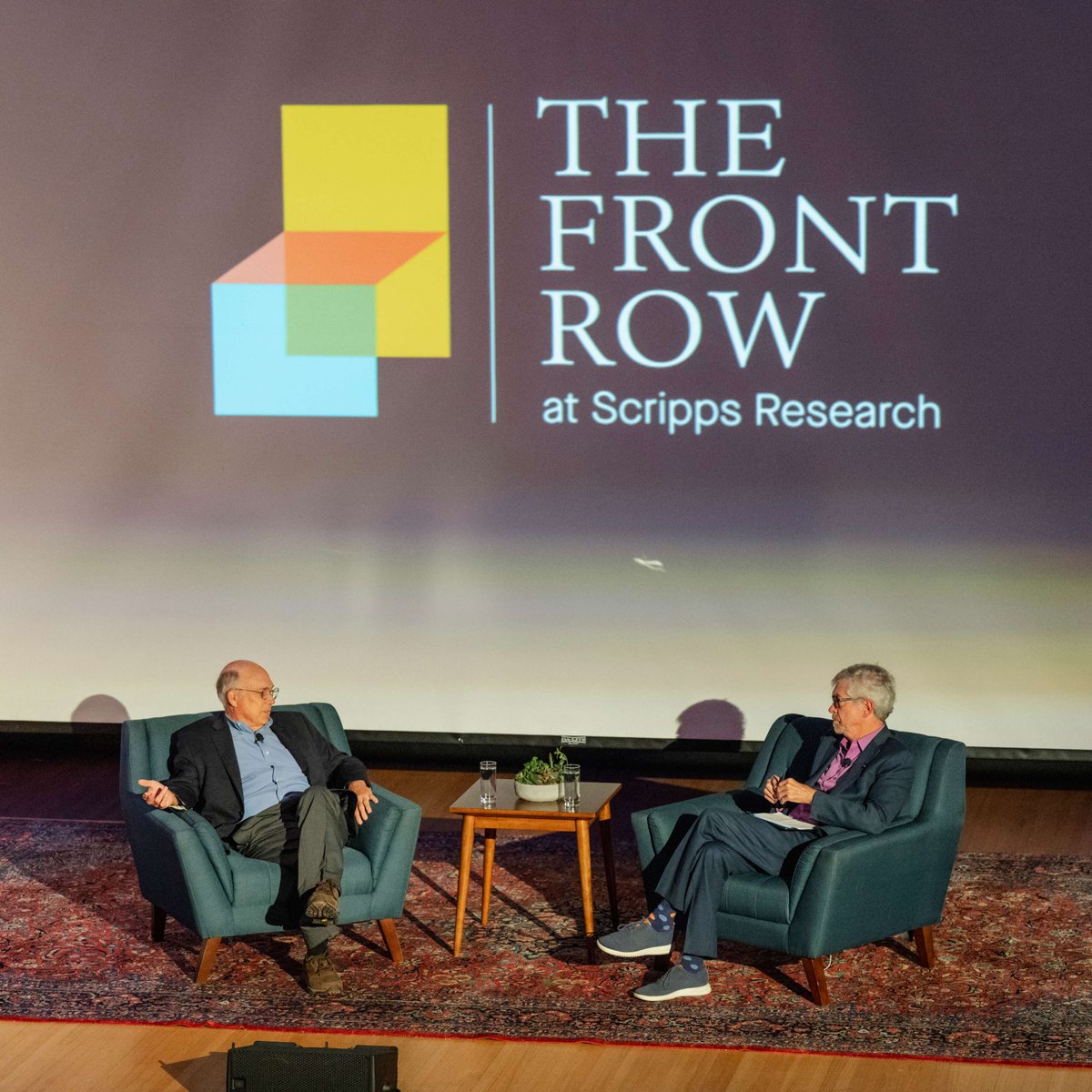
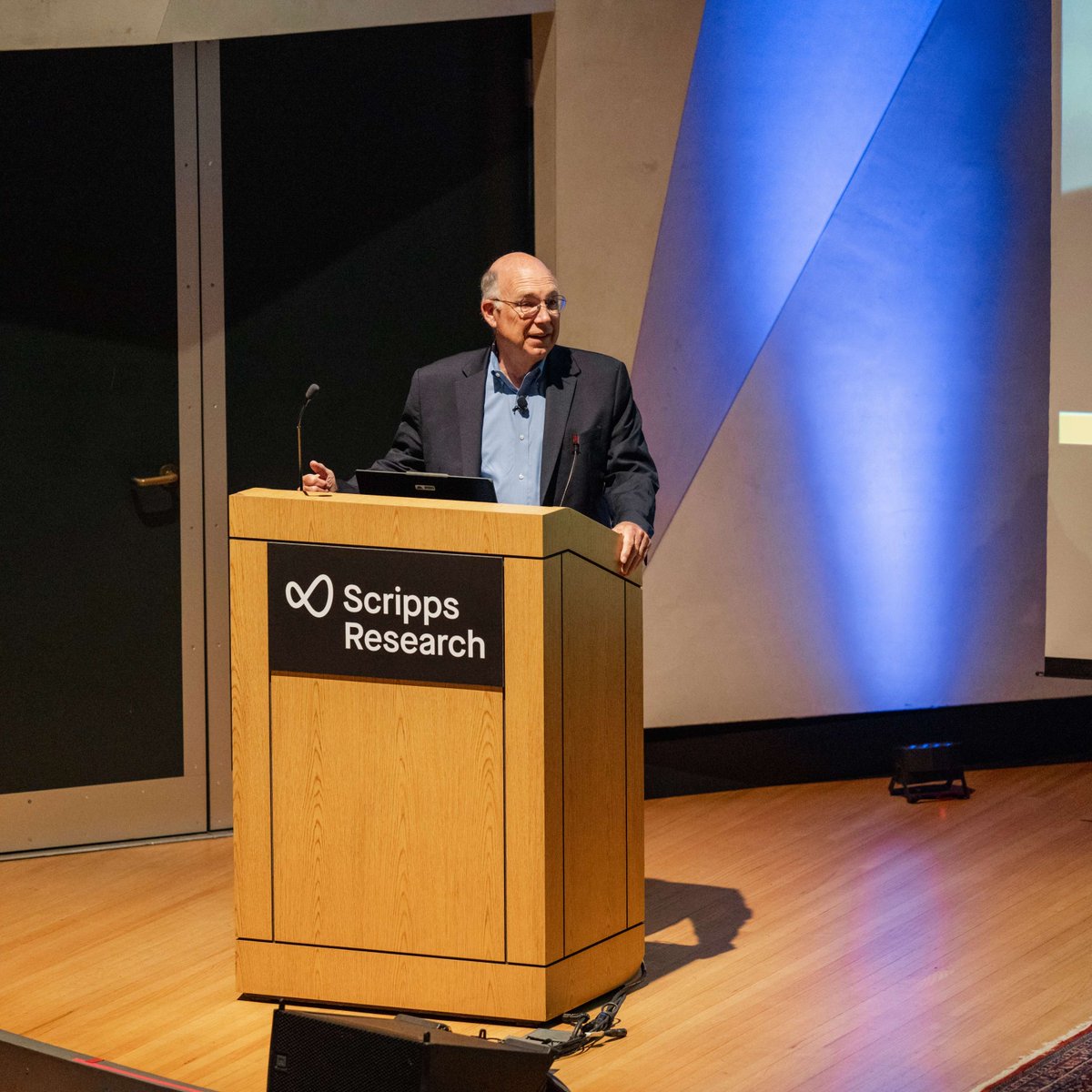
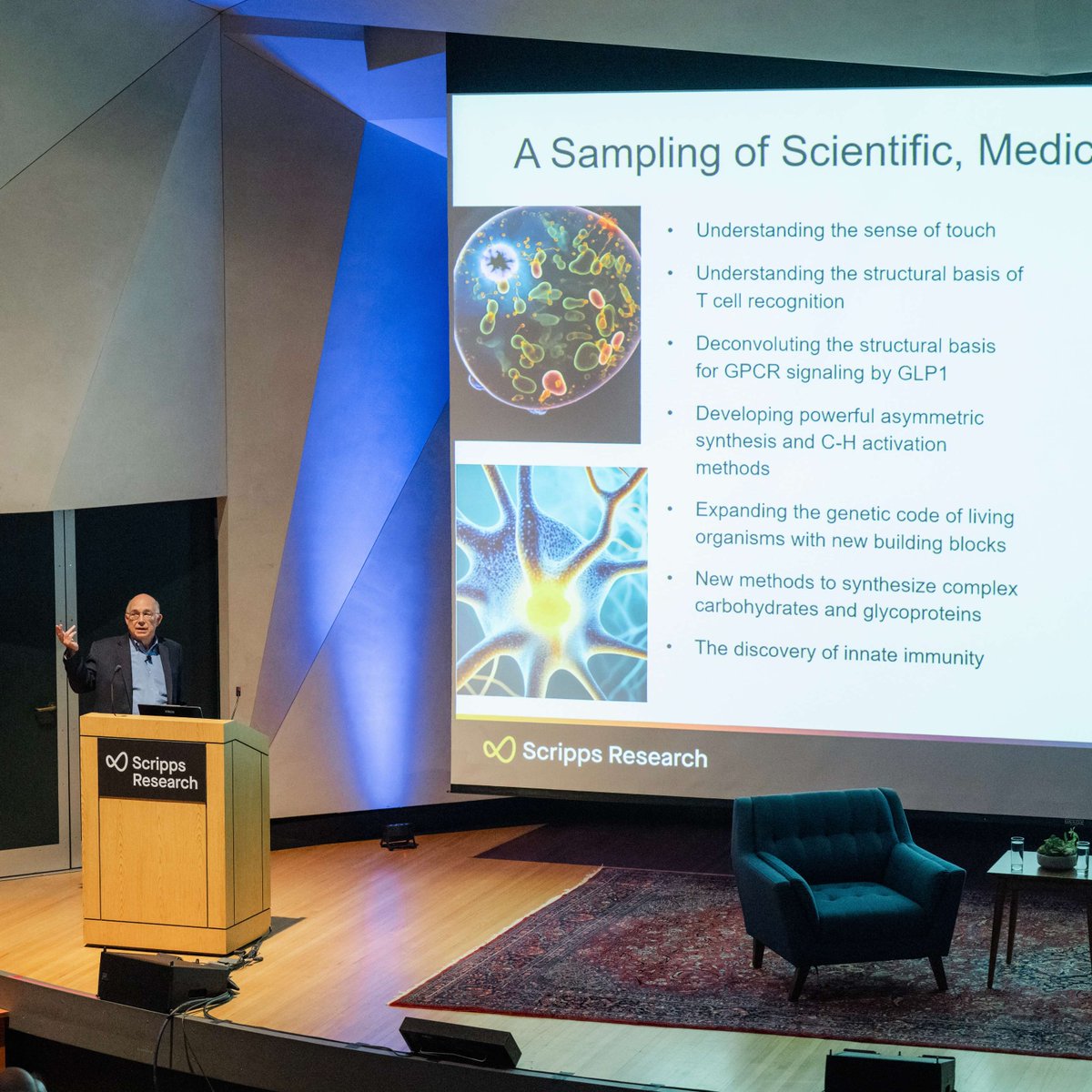
In last week's free Front Row lecture, Scripps Research President and CEO Peter Schultz described how the institute is building a nonprofit model that brings basic science and translational research together to move promising ideas toward medicines more effectively. He highlighted advances spanning aging, artificial intelligence (AI) and global health while also making the case for a more sustainable way to support innovative science.
Watch the full lecture now at https://t.co/l4IkomYkFP
#ScrippsResearch #Nonprofit #Biomedial #Research #Science #Biotech
Amazing to see colleagues recognized for the translational work being done #1 in US in biological science …translation to patient impact is seen every day
In @usnews’ 2026 Best Science Schools rankings, the Skaggs Graduate School (@ScrippsGradPrgm) ranked No. 1 in Biological Sciences and No. 7 in Chemistry, rising from No. 9 in Biological Sciences and reaffirming its strength in chemistry education. More: https://t.co/8psVRBfToO
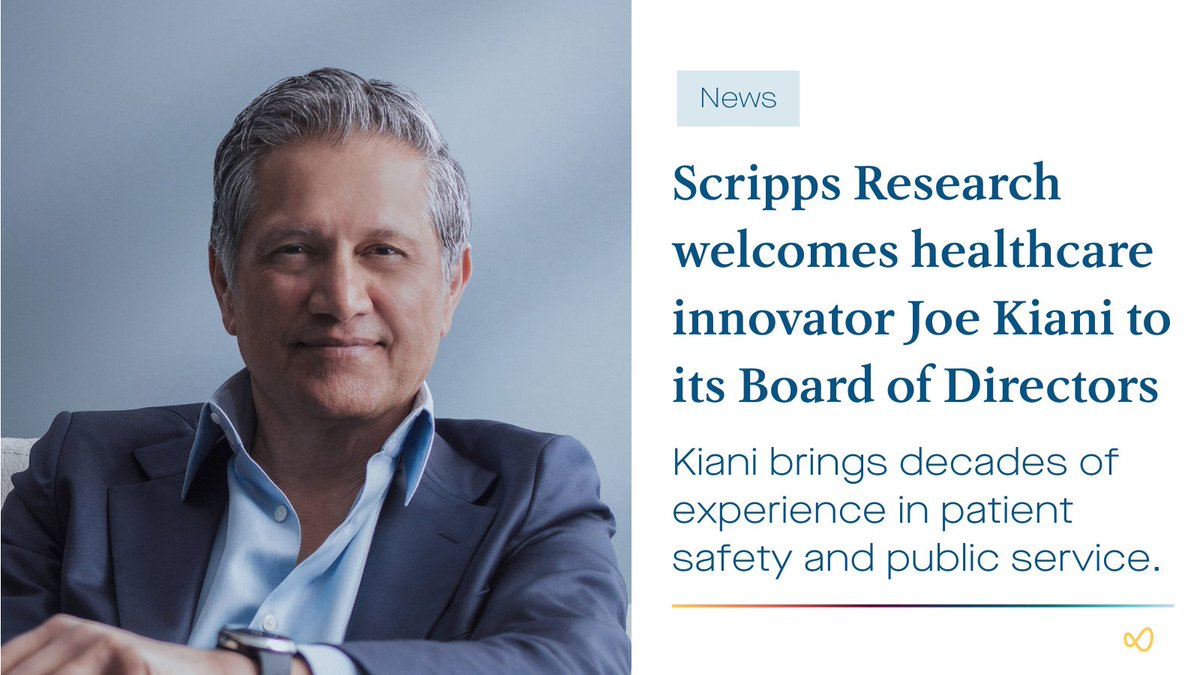
Scripps Research welcomes healthcare innovator Joe Kiani to its Board of Directors. Kiani brings decades of experience in patient safety and public service, and is the founder of Willow Laboratories and Masimo, known for advancing noninvasive patient monitoring technologies. More: https://t.co/NRZ6Yk17Eh
Not all matters of the heart are metaphorical, including a damaged one ❤️🩹
Scientists across Scripps Research, working with the Calibr-Skaggs Institute for Innovative Medicines, are advancing regenerative medicine approaches that could help injured heart tissue repair itself—moving beyond symptom management toward restoring function.
This work, led in part by @MichaelBollong and Peter Schultz, focuses on first-in-class small molecules that activate pathways to stimulate new cardiac muscle growth after injury. These efforts are part of a broader pipeline aimed at repairing tissues of the heart, lungs, gut, and more.
The image below shows cardiac damage after myocardial infarction (left) and how a regenerative medicine approach developed at Scripps Research stimulates repair by expanding new cardiac muscle cells (right).
The research was featured in @WSJ, highlighting the potential of regenerative approaches to reshape treatment for aging-related diseases.
Learn more in the comments below.
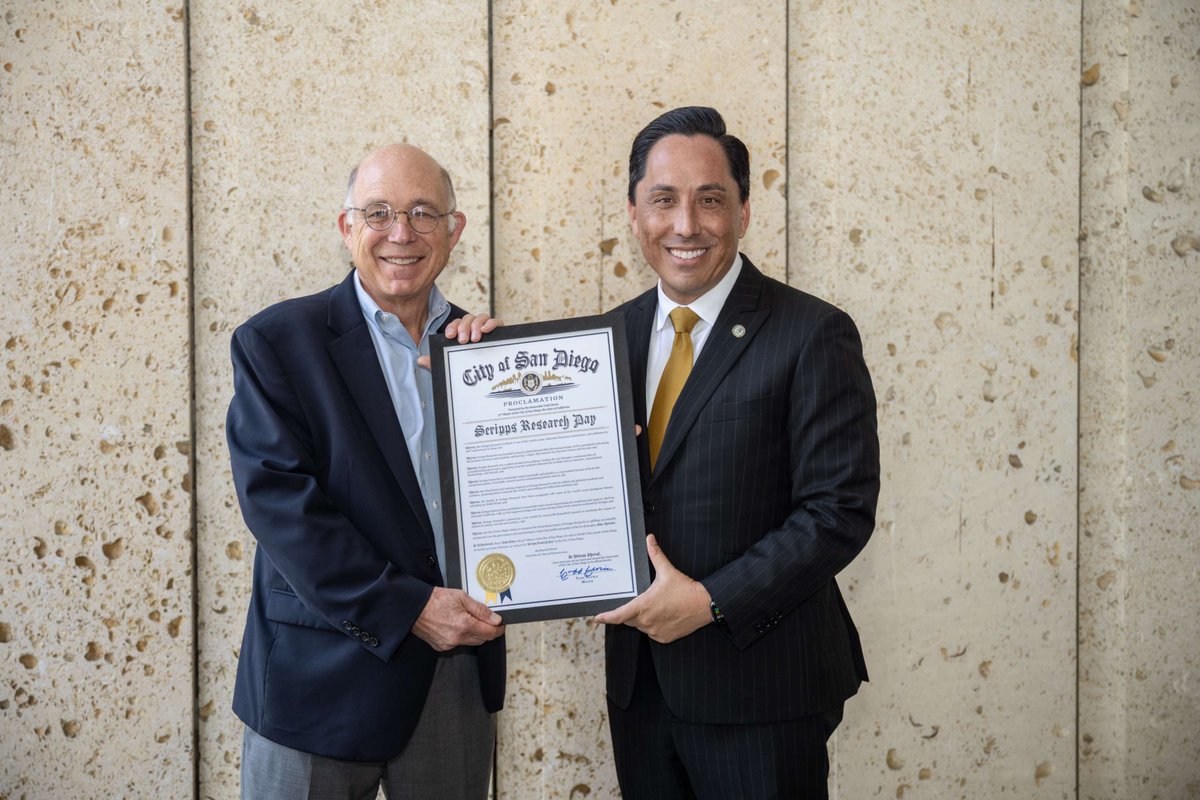
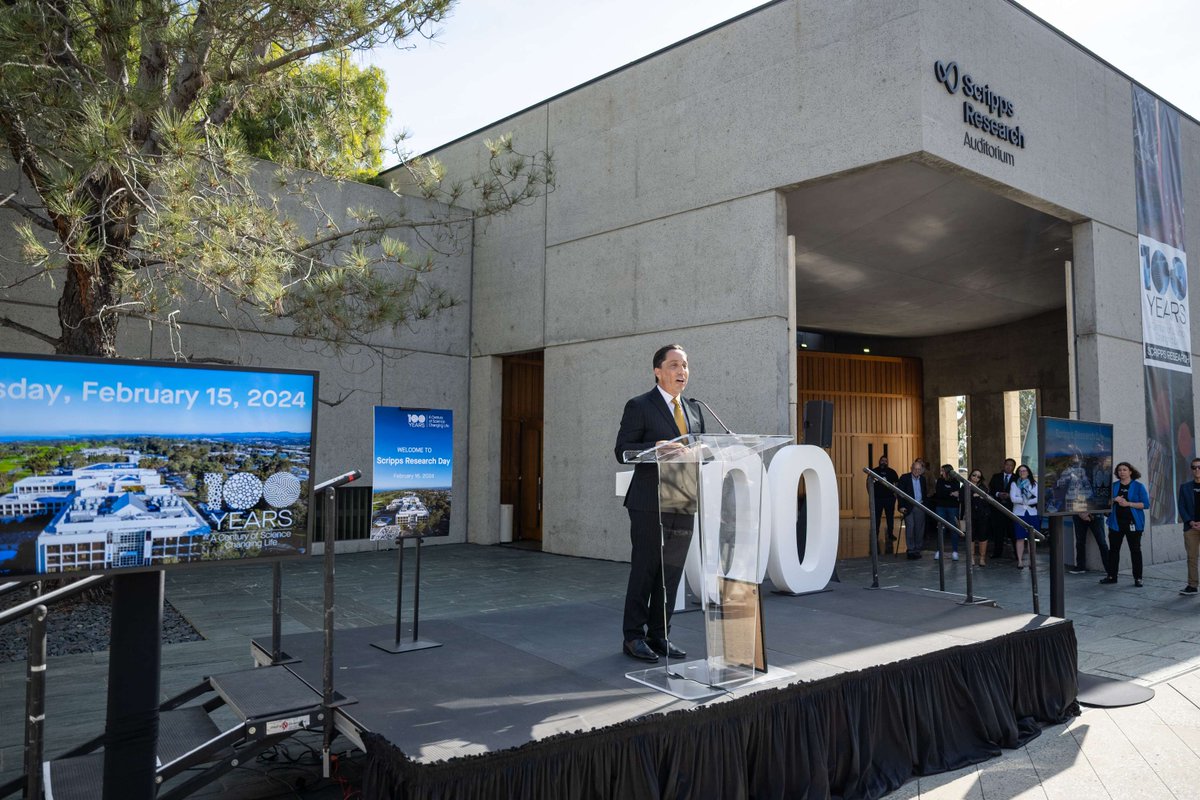
Two years ago today, San Diego officially declared February 15, 2024, “Scripps Research Day” in recognition of the institute’s 100 years of scientific discovery. The day remains a meaningful milestone in our history and a reminder of how deeply our science has changed lives.
A single gift from Ellen Browning Scripps helped launch Scripps Research. Since then, 18 FDA-approved drugs have originated within our labs, improving the lives of people around the world.
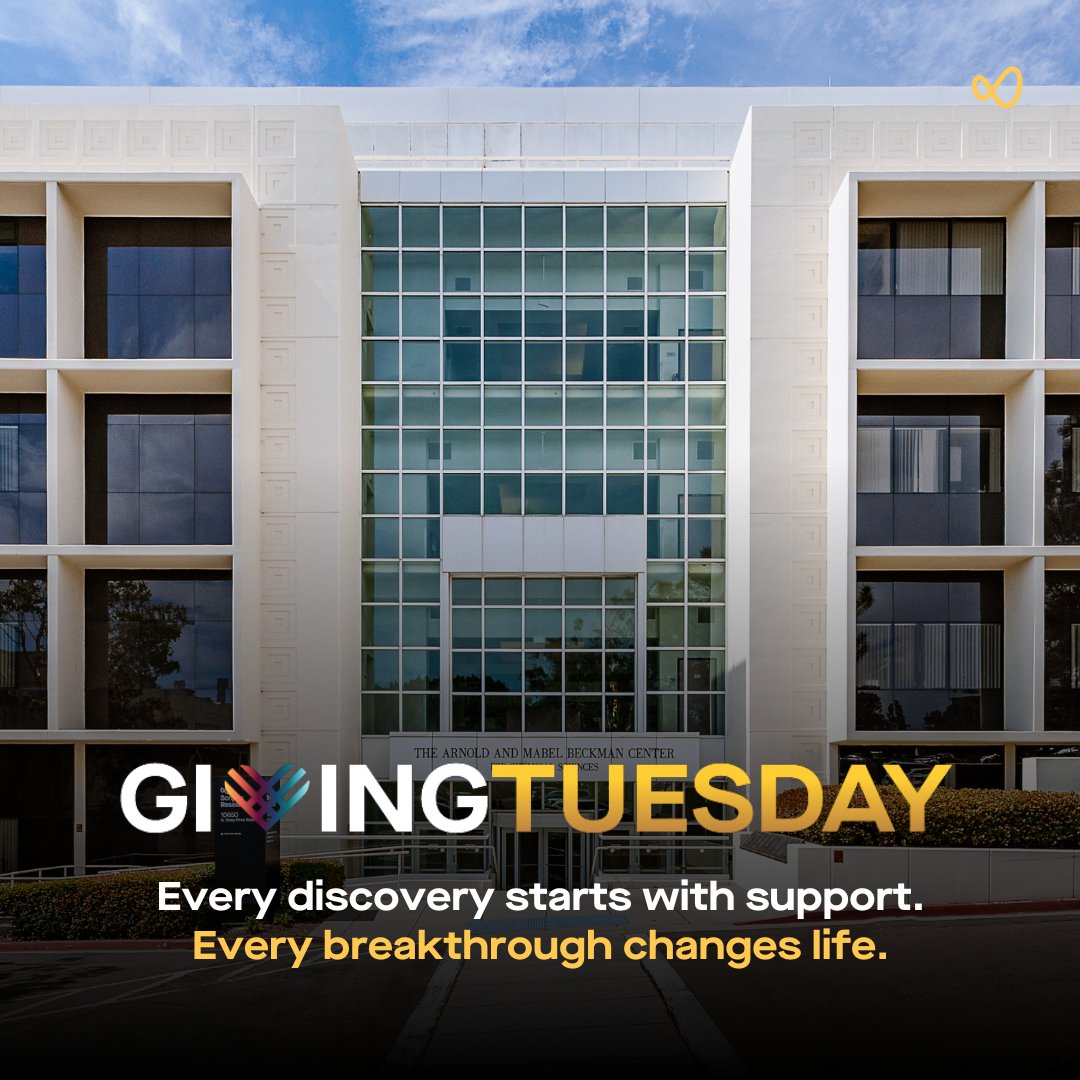
This #GivingTuesday, you can also be a part of that legacy. Visit https://t.co/PVdxHAP3Rx.
Long before a medicine reaches a pharmacy, hospital, or clinic, it begins inside a lab like those at Scripps Research. Here, scientists spend years turning discoveries into new therapies, leading to more than 15 FDA-approved treatments that have helped people worldwide.
Learn more: https://t.co/d5pzU0joEu
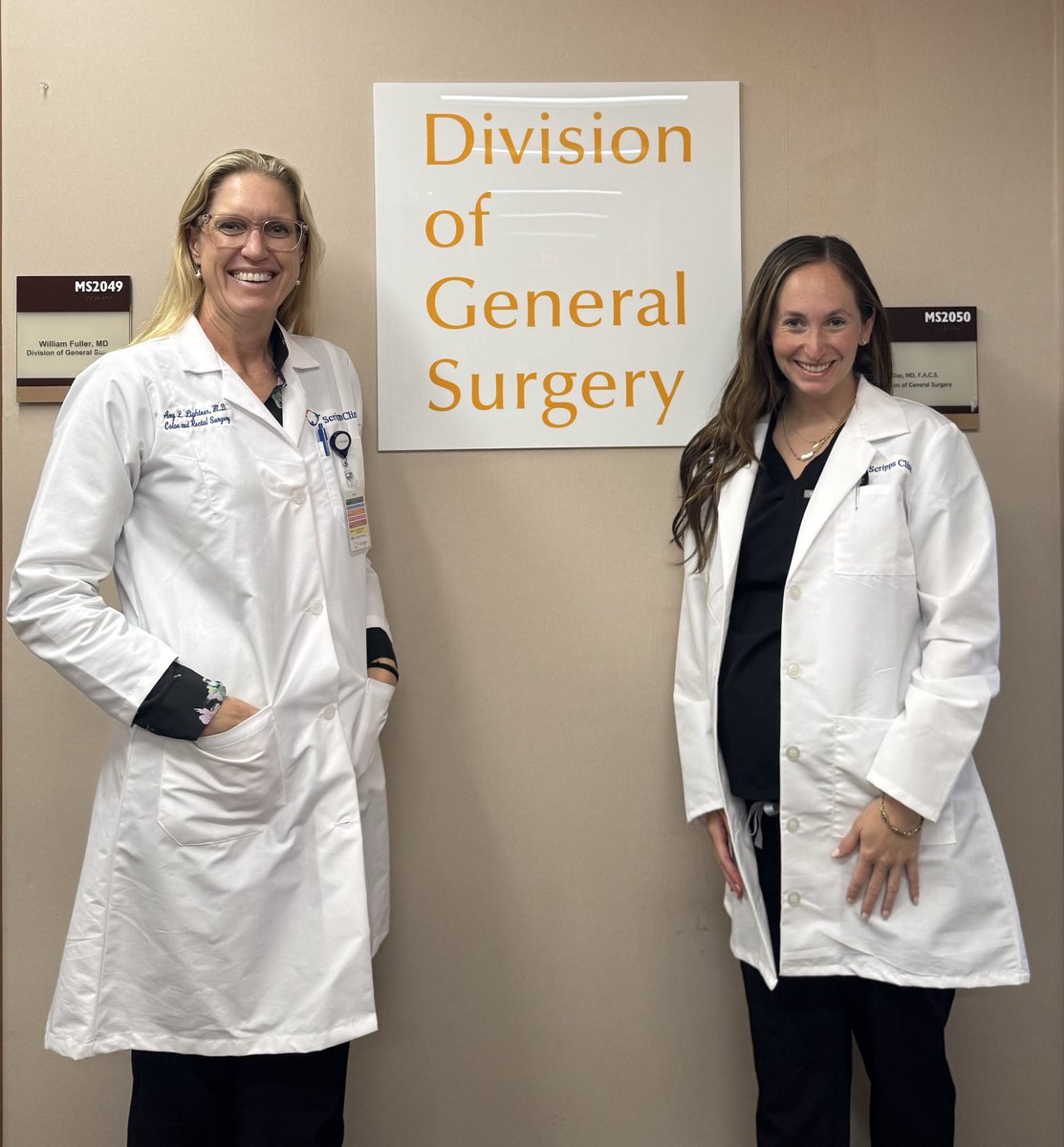
Celebrating #NationalPAweek! Could not be more grateful for getting to work with @AlexSilberstein. She had been an incredible addition to the team and is one of the most thoughtful, hard working, empathetic, and thought partner PAs! Thank you!!
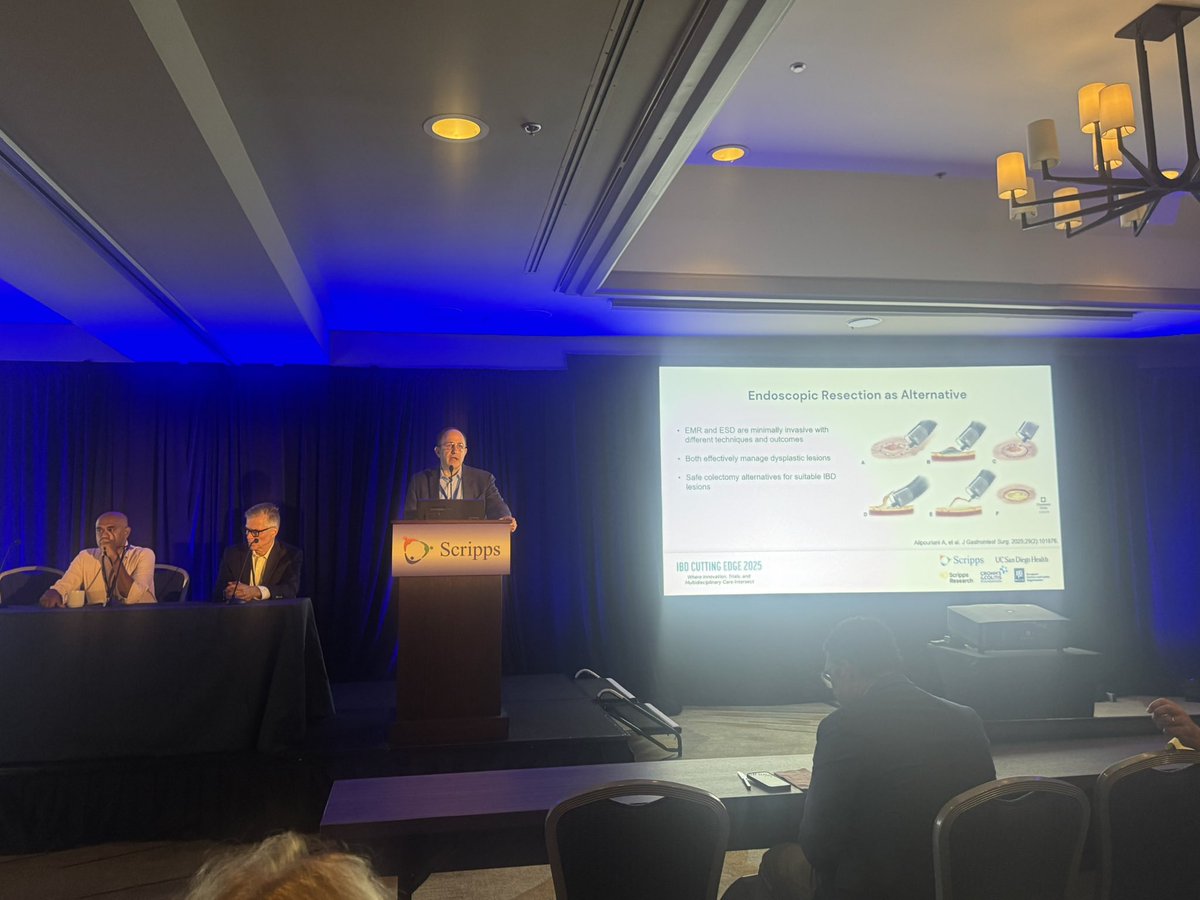
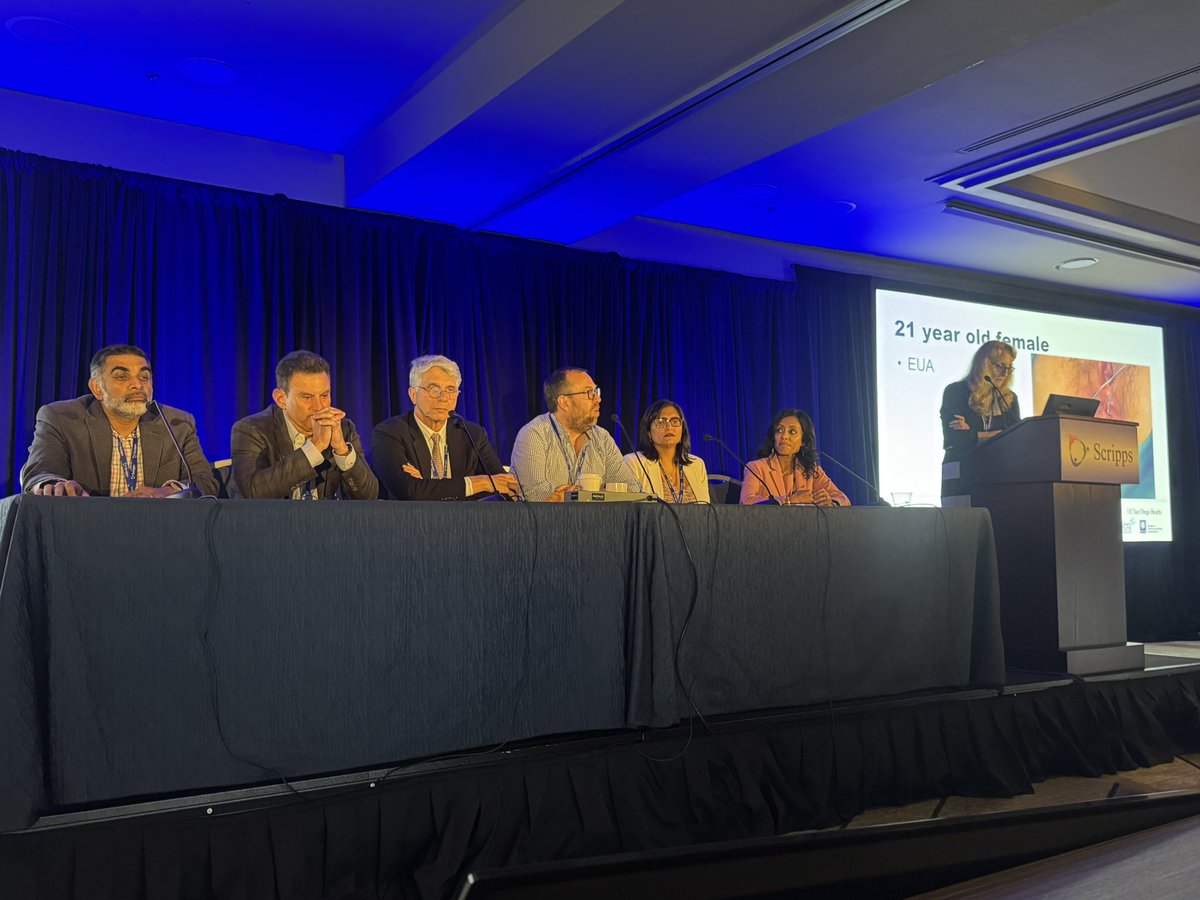
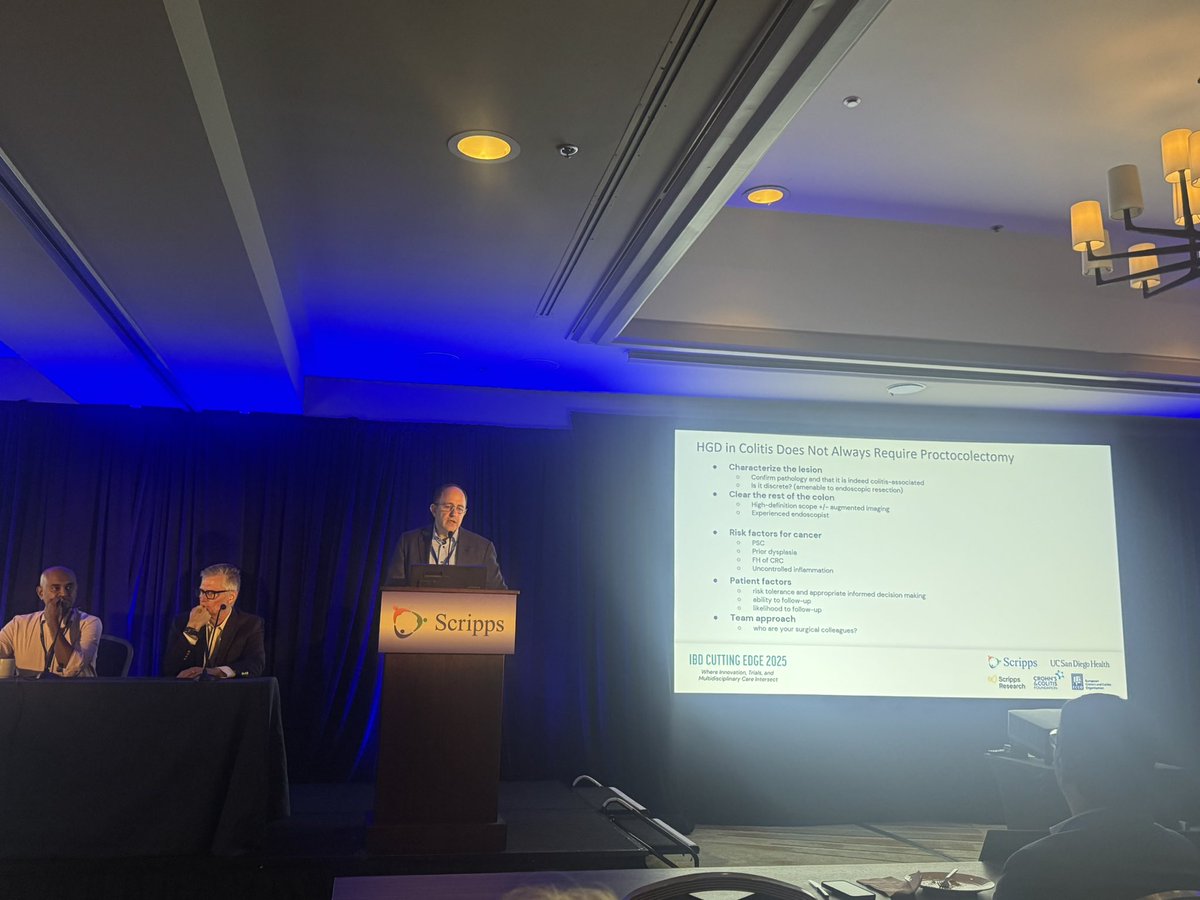
Fantastic session on management of dysplasia in #IBD…surveillance critical and consider surgery with HGD, multifocality, PSC, and inadequate surveillance (ie psuedopolyps) thank you @IBDMD@tracyhull#IBDCuttingEdge2025
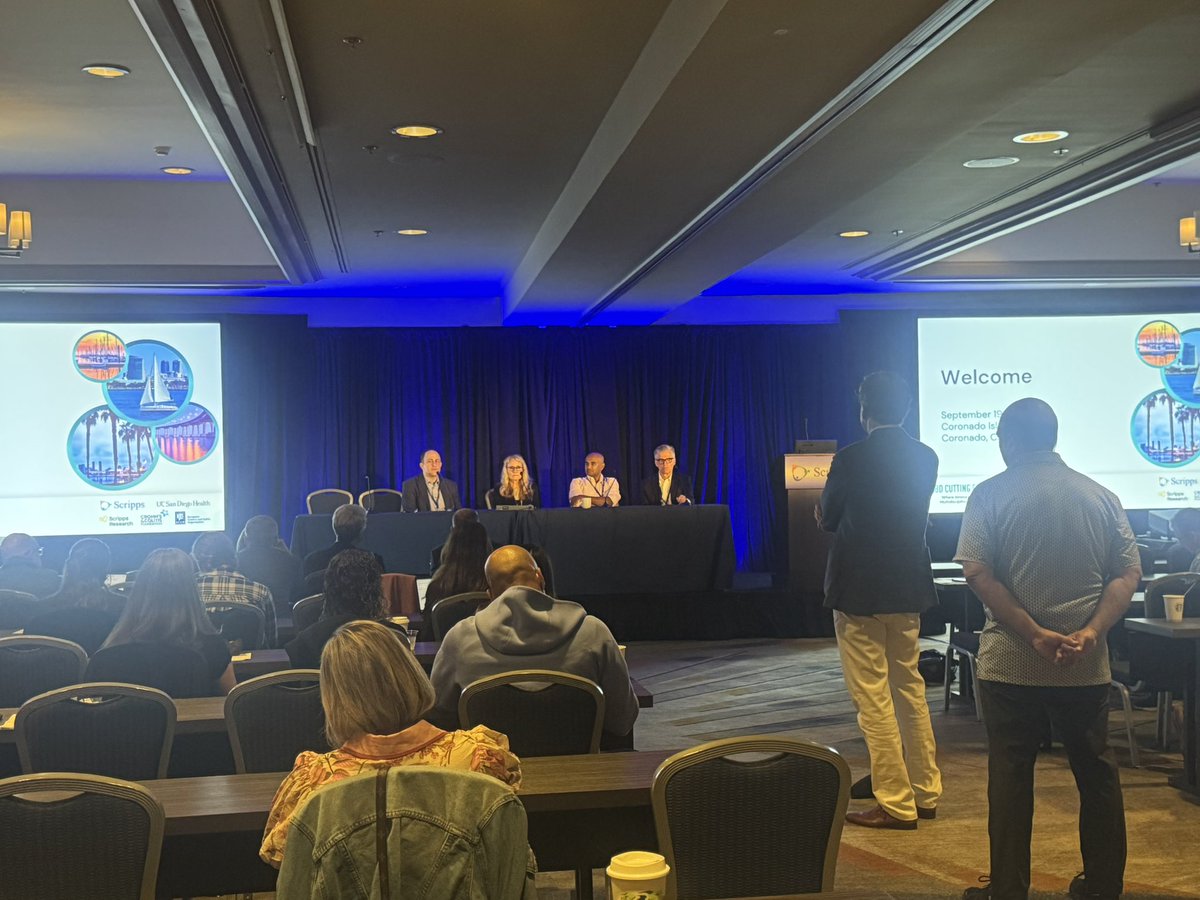
📣 We’re just days away from #IBDCuttingEdge2025 —a three-day CME event exploring the future of IBD care: translational science, clinical trials, surgery, and multidisciplinary models led by top experts.
Join us:
📅 Sept 19–21, 2025
📍Coronado, CA
🎟️ https://t.co/hyfUMzBb6p
Thank you to #scrippsresearch#calibr-skaggs to continuing to push #innovation and #education for #IBD we are fortunate to have a community of scientists here who are committed to finding a cure for our patients
The data is clear: inflammatory bowel diseases like ulcerative colitis and Crohn’s are on the rise worldwide.
In this episode, we sit down with Dr. Amy Lightner (@AmyLightnerMD)—VP of Clinical Development at Calibr-Skaggs and colorectal surgeon at Scripps Clinic—to explore what drives these diseases, an upcoming phase 2 clinical trial for a new regenerative medicine, and how she balances life between the operating room and the research lab.
🎧 What’s next for IBD care: Insights from a surgeon-scientist is now streaming on the Science Changing Life podcast.
Listen now at: https://t.co/2oqy1XwQl6
#IBD #Crohnsdisease #UlcerativeColitis #Coloncancer #ScrippsResearch
Next week, Scripps Research scientists @AmyLightnerMD, @MichaelBollong & Arnab Chatterjee will speak at #IBDCuttingEdge2025, sharing insights on regenerative medicine, clinical trials, and drug discovery in IBD.
Join us next week, Sept 19–21 | 📍 Coronado, CA
🎟️ Register now: https://t.co/KzqkBv1nds
What does it take to turn a scientific discovery into a life-changing medicine?
At Science in Action, guests had the chance to find out, getting an up-close look at how scientists at Scripps Research and its drug development division, the Calibr-Skaggs Institute for Innovative Medicines, translate early-stage discoveries into potential FDA-approved therapeutics.
Following a Front Row lecture by Travis Young, PhD (@CARTCellTherapy), vice president of biologics at Calibr-Skaggs, attendees explored the full discovery and development pipeline, from high-throughput screening of small molecules using 384-well and 1536-well plates to candidate selection, IND-enabling studies, and the eventual path to clinical trials.
Guests got to see how promising compounds discovered right here at Scripps Research advance through each stage of the pipeline—and how Calibr helps bridge the gap between scientific innovation and real-world impact for patients around the globe.
To see Science in Action in person, visit https://t.co/1kJ1Dp8oUs and be sure to save the dates for our upcoming Front Row lectures, where guests can meet the scientists from the presenting lab, take part in hands-on demonstrations, see the tools they use in their research, and ask questions sparked by the lecture.
Outcome of transanal advancement flap repair (TAFR) as salvage therapy after failed ligation of intersphincteric fistula tract (LIFT)—A proposed algorithm after failed LIFT https://t.co/PhsDWK58hF @ColorectalDis open access
Congratulations @gracezhou on a fantastic summer of research…optimizing monolayer from ileum/colon to test membrane permeability reversal with new IBD therapies. And..getting a grant from the #crohnsandcolitisfoundation! So proud! #scrippsresearch#calibrskaggs
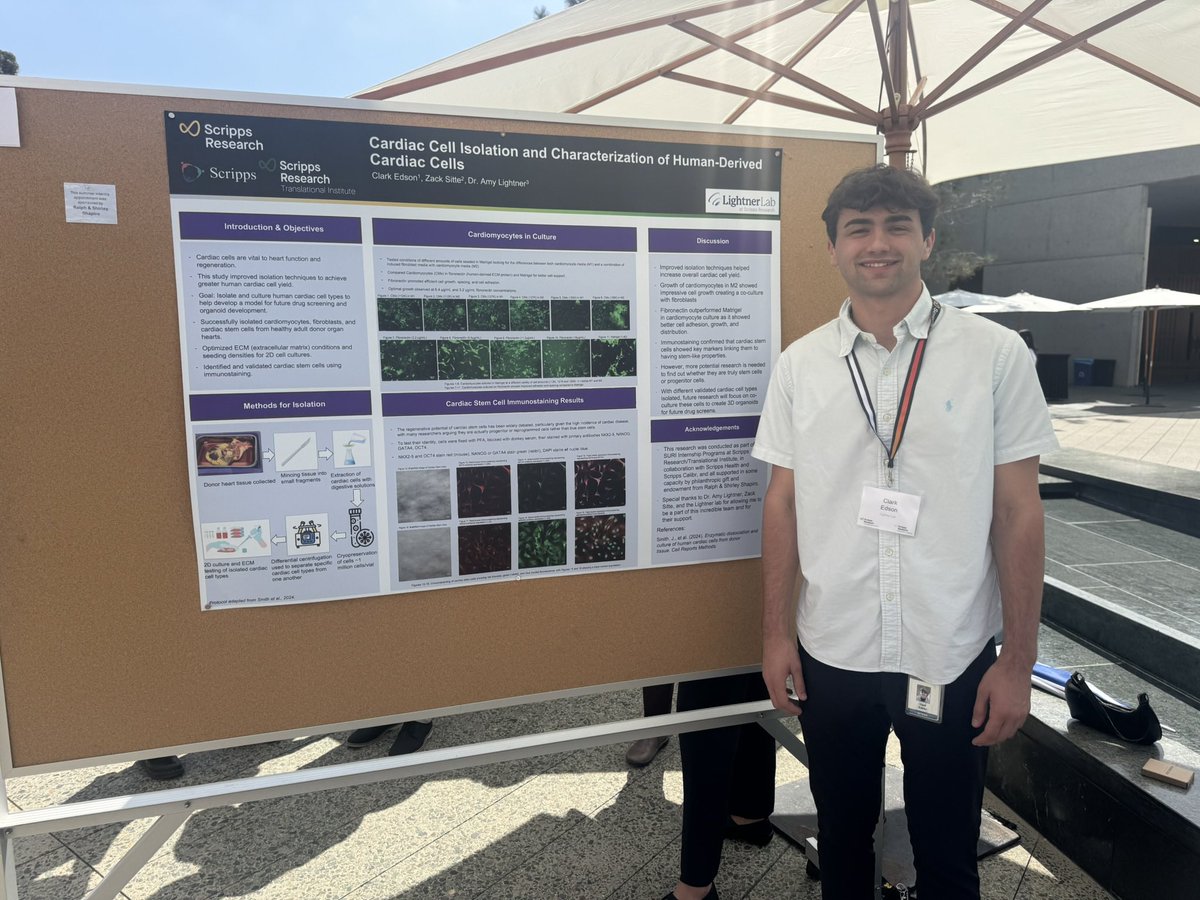
Congratulations @clarkedson on a fantastic summer of research and shadowing in the OR
Isolating and characterizing the cardiac progenitor cell population from human donor hearts to test future drugs…amazing work!! Great things are ahead for you. #scrippsresearch#calibrskaggs
After enduring decades of complications from Crohn’s disease, Gary Jacobson received a pioneering treatment from Scripps Research professor and colorectal surgeon Amy Lightner (@AmyLightnerMD) that gave him relief and a renewed sense of control.
Through a clinical trial led by Lightner, Jacobson received stem cell injections for perianal fistulas—a painful complication of Crohn’s disease—and the results changed his life. Read the full article now at: https://t.co/8ivtUduO6t