@voEROSttv Ha! I always preface it with, “what are the kids saying these days… insert saying I’m not cool enough to say”… works like a charm and everyone laughs.
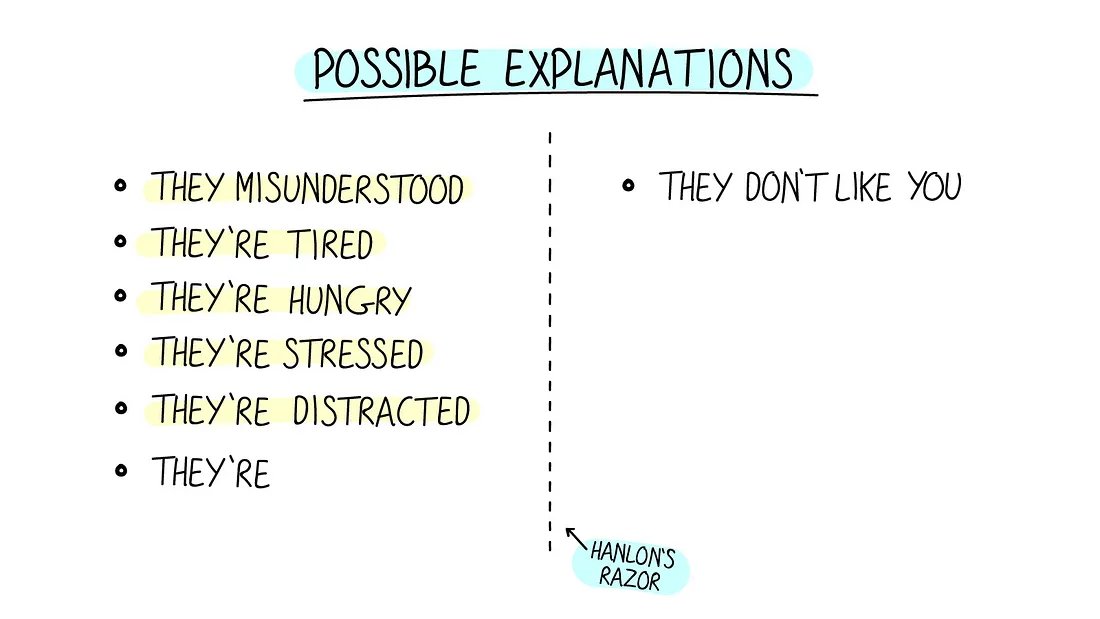
A philosophy that's served me well over the years is "always assume that other people are acting with a positive intent". That's why Hanlon's Razor is such a useful mental model. It states "never attribute to malice that which can be adequately explained by neglect." Other versions replace "neglect" with "stupidity". It helps us see the world in a more positive light, stops negative assumptions and improves relationships: https://t.co/TvSB9kA6NP By @farnamstreet' Graphic: Matthew Cook.
Excited to welcome you all to today's ODN Europe 2023 conference in the stunning setting of the Hague, Netherlands as we shine a light on the conference theme - Embracing Chaos: OD in Ongoing Disruption. #ODNEConf2023
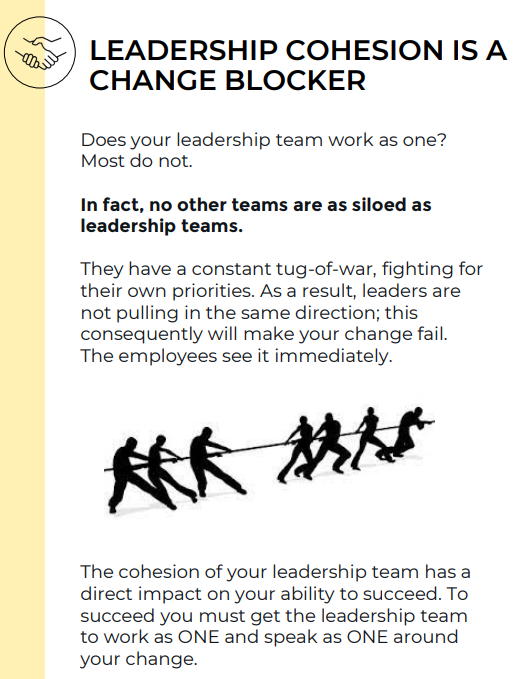
The Danish group @InnovisorInc has identified "6 change blockers" based on analysis of networks/influence/change with organisations in 70+ countries. The 6 blockers are:
1) Leadership cohesion - leadership teams are more siloed than any other kind of team
2) The fragmentation or even disconnection of internal teams
3) Misalignment between the senior team & the people in the organisation who are most influential
4) Disengagement & lack of commitment to the change from employees
5) Lack of leadership follow through
6) A project team that has not been set up for success
https://t.co/jgfrUse99U Thank you @JeppeHansgaard
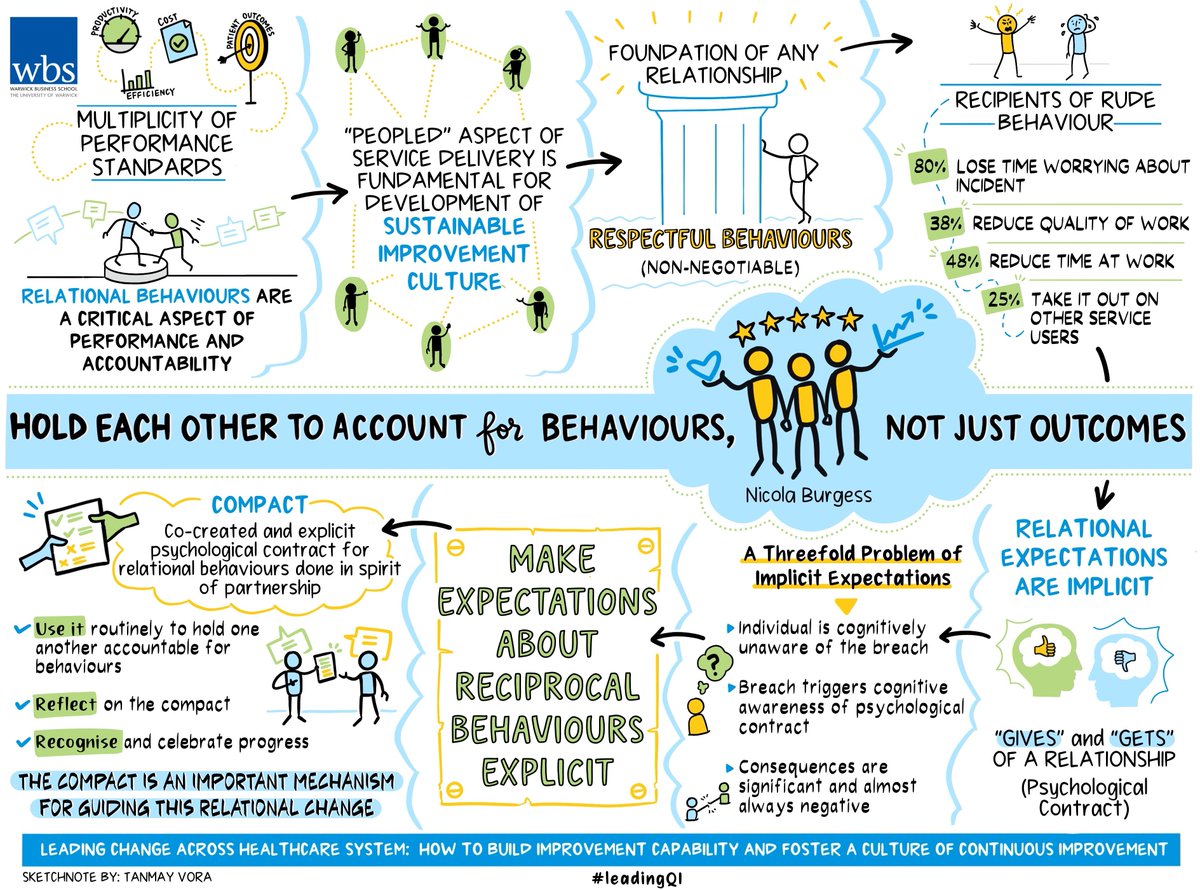
If we want improvement across a system, we need to hold each other to account for behaviours, not just outcomes. When leaders & teams behave respectfully to each other at work, they create the conditions for improvement far more than any outcome-oriented performance drive: https://t.co/abuVeiJB4m Another great blog from @DrNicolaBurgess@WarwickBSchool. Tweetchat on this topic next Tues 6th June 7-8pm #LeadingQI
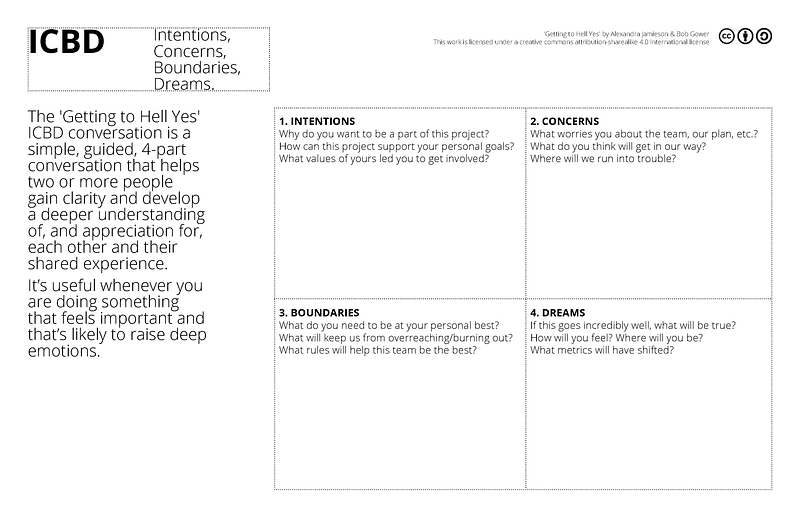
When we form a new team, eg, at the start of a project or change initiative, it's so important to build shared purpose & connections. That means resisting the urge to race straight into action: rather, invest the time & space to understand & appreciate each other. One useful technique is ICBD:
Intentions — why do you want to be part of this?
Concerns — what worries you about this? what might go wrong?
Boundaries — what rules or standards will help us be the best?
Dreams — what will be true if this goes incredibly well?
See https://t.co/GJ1LQIIUGY by @jurriaankamer. Template: @newhaircutco
I was cleaning out the Notes section of my phone and I stumbled across this note. My son was born on 4/1 and I wrote this later that month on the eve of my 40th birthday. I wanted to capture all that I hoped to teach him.. #noego#lifelessons I thought I’d share it…
Interesting frame on org change that I heard this morning, the opposite of defiance (resistance to the change) is not compliance. It’s actually connection. How are you building connection and co-creating something new? #orgdev#organizationdevelopment#change
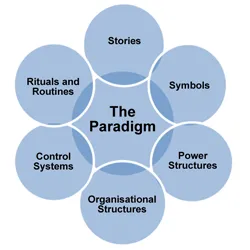
Many change programmes start from the principle that they can push a new culture onto an organisation. They don't take enough account of the "codes" of existing cultures/subcultures. We need to think about the ways in which these cultural codes reinforce existing behaviours & exclude people who think differently: https://t.co/WPs675iB1N By @noelito
When we're unhealed, we're attracted to the "bad boy," chaotic, or unpredictable people. They give us the hit of adrenaline our body craves that we call passion. They allow us to play our familiar role of working or proving ourselves to be loved, just as we did as children. As we heal, we're attracted to safe predictable people whose words match their actions. Who show us love beyond survival mode.