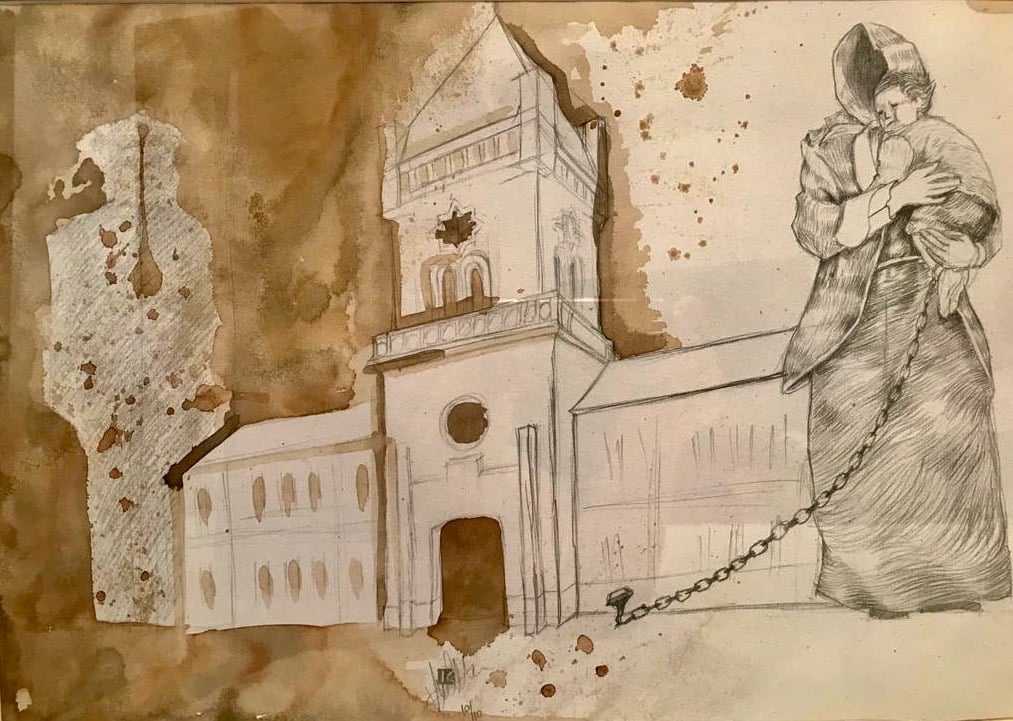
Loved editing this @TransitionsMag piece on efforts to support girls in the Baia Mare Roma community in Romania — written by the excellent @Ana_M_Ciobanu, whose fierce sympathy for her subjects drives every line.
A School for Courage:
https://t.co/CjTD6FDuHN
The argumenst used to deport to Transnistria more than 25000 Roma, from which 12000 were children, were racial and eugenic.
@mariusturda https://t.co/04VmLrJosd
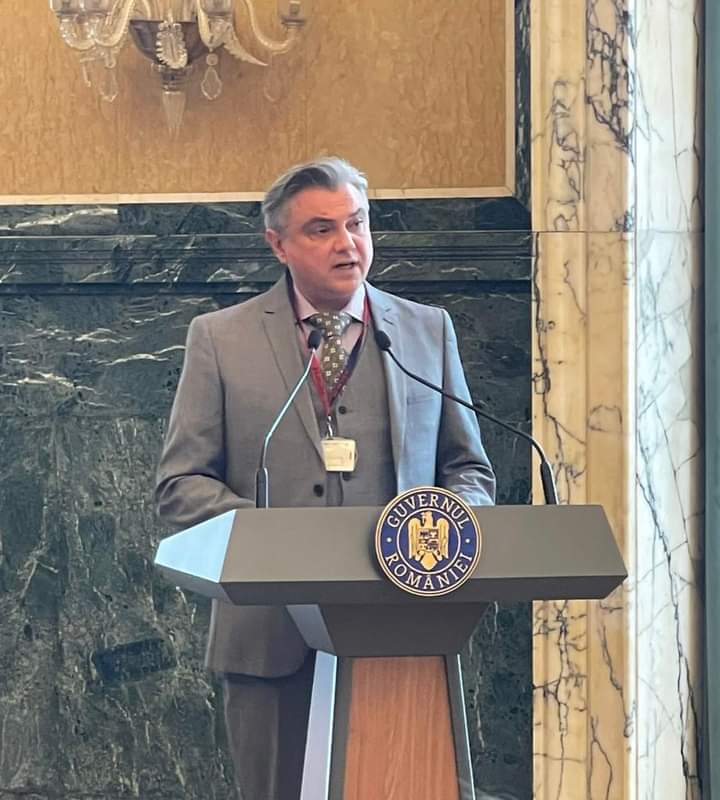
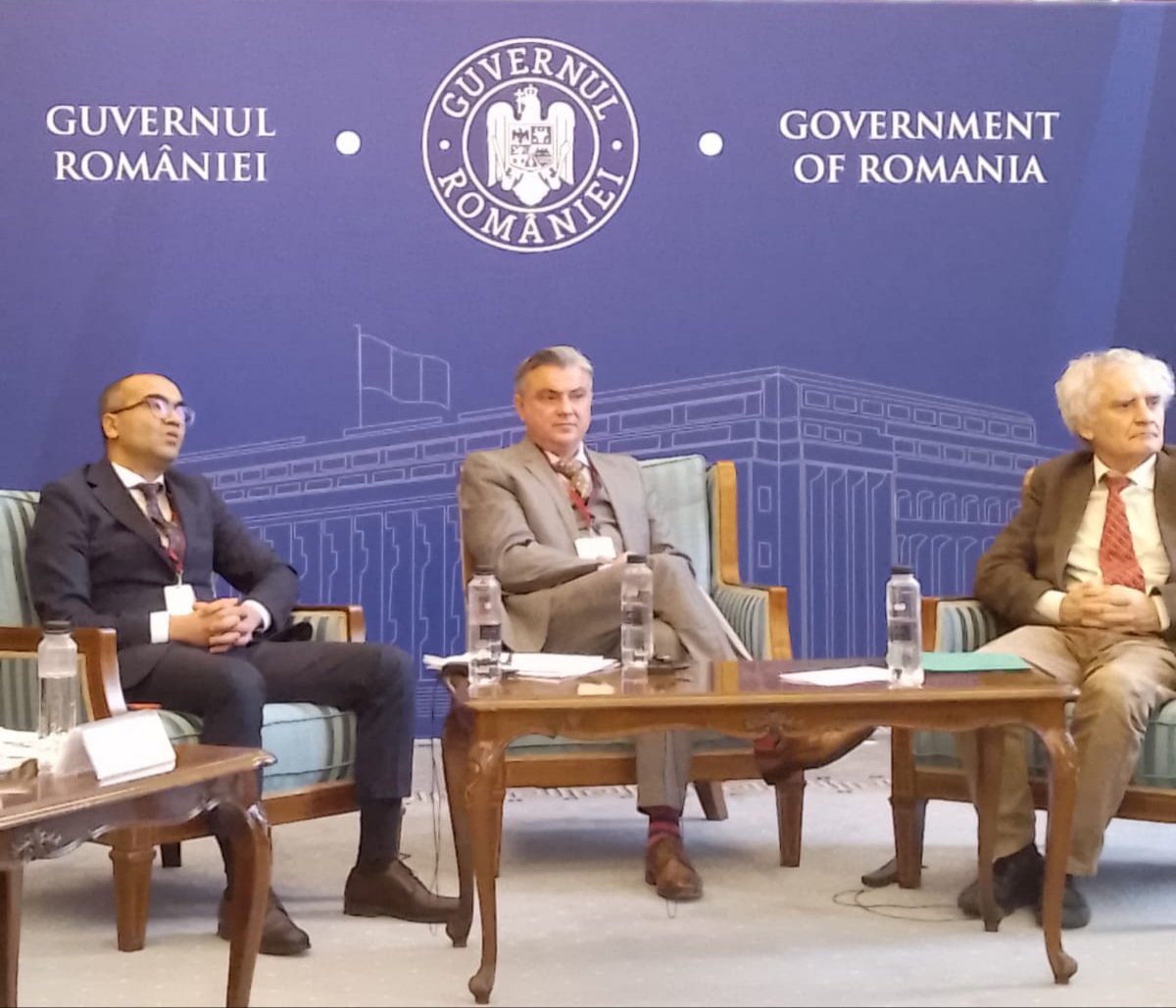
It was a privilege to attend the commemoration of the abolition of Roma slavery on Feb. 20th, 2023. Thank you @NicuFurtuna and National Agency for the Roma for the invitation.
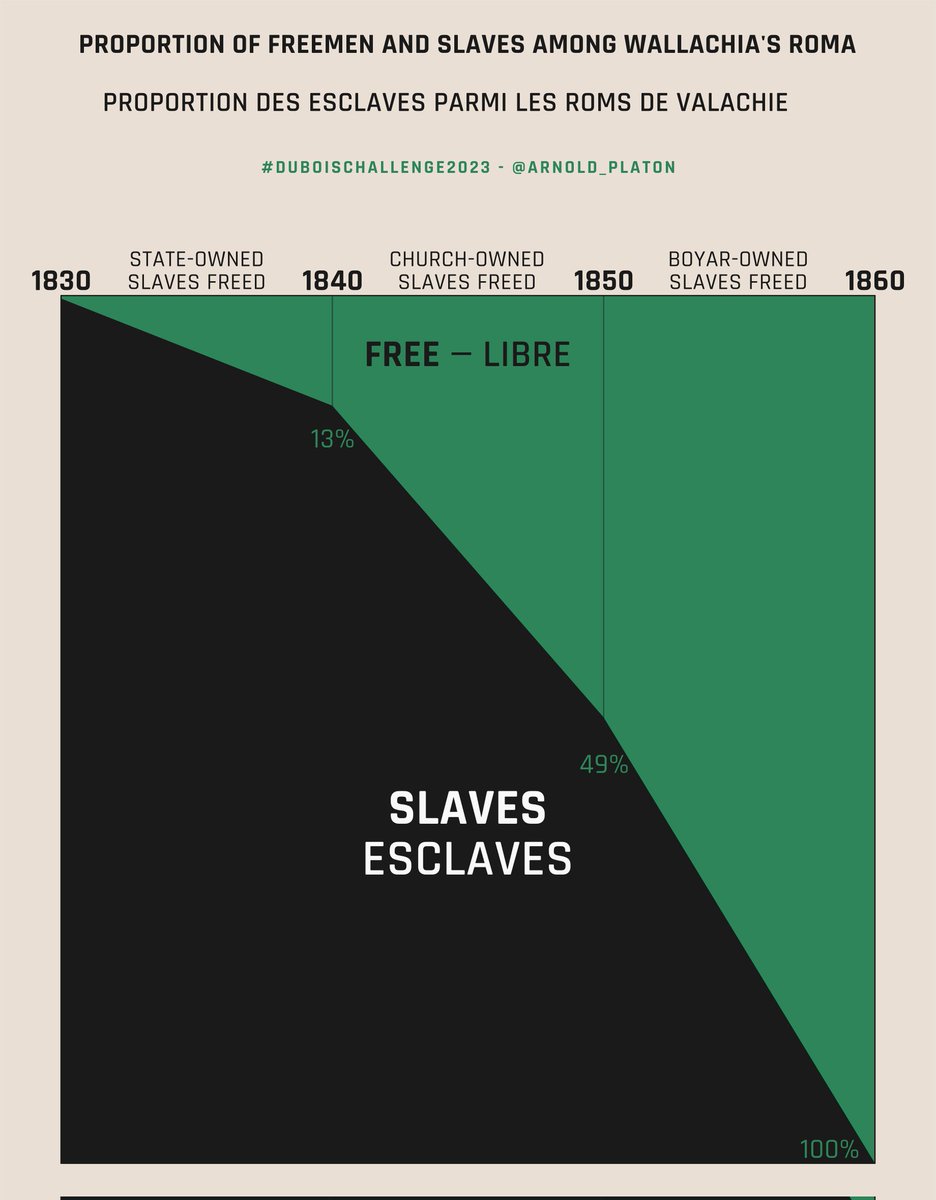
Another #DuBoisChallenge2023 entry on the subject of Roma slavery in S 🇷🇴.
While dates of liberation vary, and the process was a bit more messy, with individual Roma freedmen existing before the 1830's, the chart 📉 captures the general trend of the mid 19th c. decades.
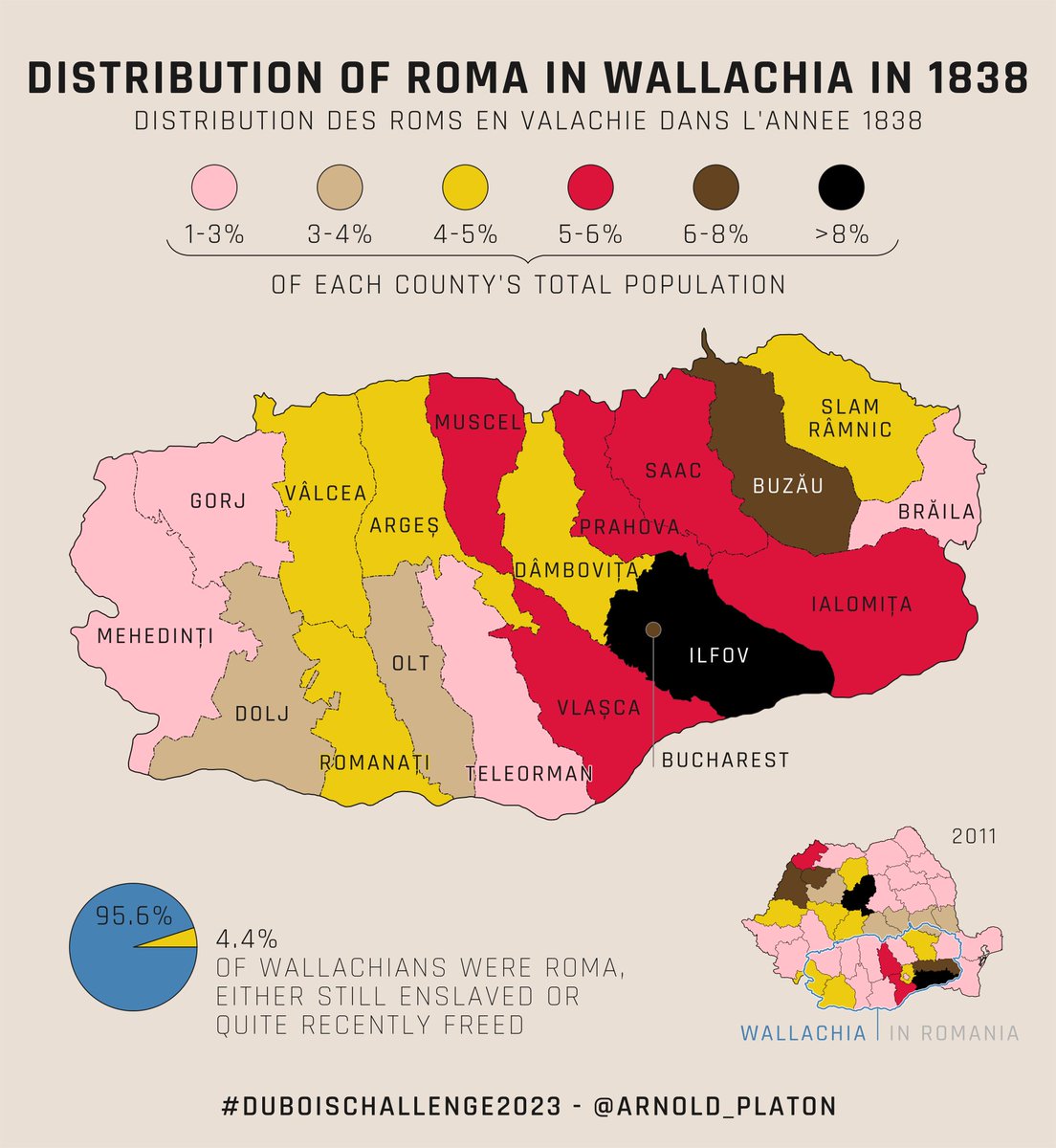
#DuboisChallenge2023 🗺️
My entry mapping the distribution of Roma (slaves or recent freedmen) in Wallachia in the year 1838 by county.
Romania 🇷🇴 marked "Roma Emancipation Day" yesterday, commemorating the end of slavery in Wallachia and Moldavia in 1857.
On 20 of February 1856 was adopted the last law for the Abolition of Roma Slavery. My last article speaks about the legacies of #RomaSlavery. https://t.co/CdZemg1jDd
One year ago we were launching the Obiceiul pământului podcast and it feels like ten years have passed since. This is a beautiful and important collection of essays curated by @MagdaMatache also available in English: https://t.co/3iZsdPCM3h
Dincolo de podcast, extrem de importantă este secțiunea de resurse de pe site-ul @decatorevista unde găsiți filme, documentare, cărți. Etern recunoscătoare pentru timpul tuturor - artiști, cercetători, ascultători și colegi https://t.co/9VKk2JugIy
Am avut bucuria de a petrece timp cu Ionela Pădure, super profesoară de limba romani și izvor de îmbrățișări și încurajări cum mi-aș dori să primească toți copiii din școlile noastre: https://t.co/PVbyn75q6v
Romanian historians, similar to others across East-Central Europe, have been slow to accept and integrate eugenics into their narratives of Romanian nation-building, seeing it only as an imitation of developments elsewhere, notably Nazi Germany. This view must now be abandoned.