The man who invented the Web could have become the first trillionaire instead of Elon Musk. He chose not to.
His name is Tim Berners-Lee.
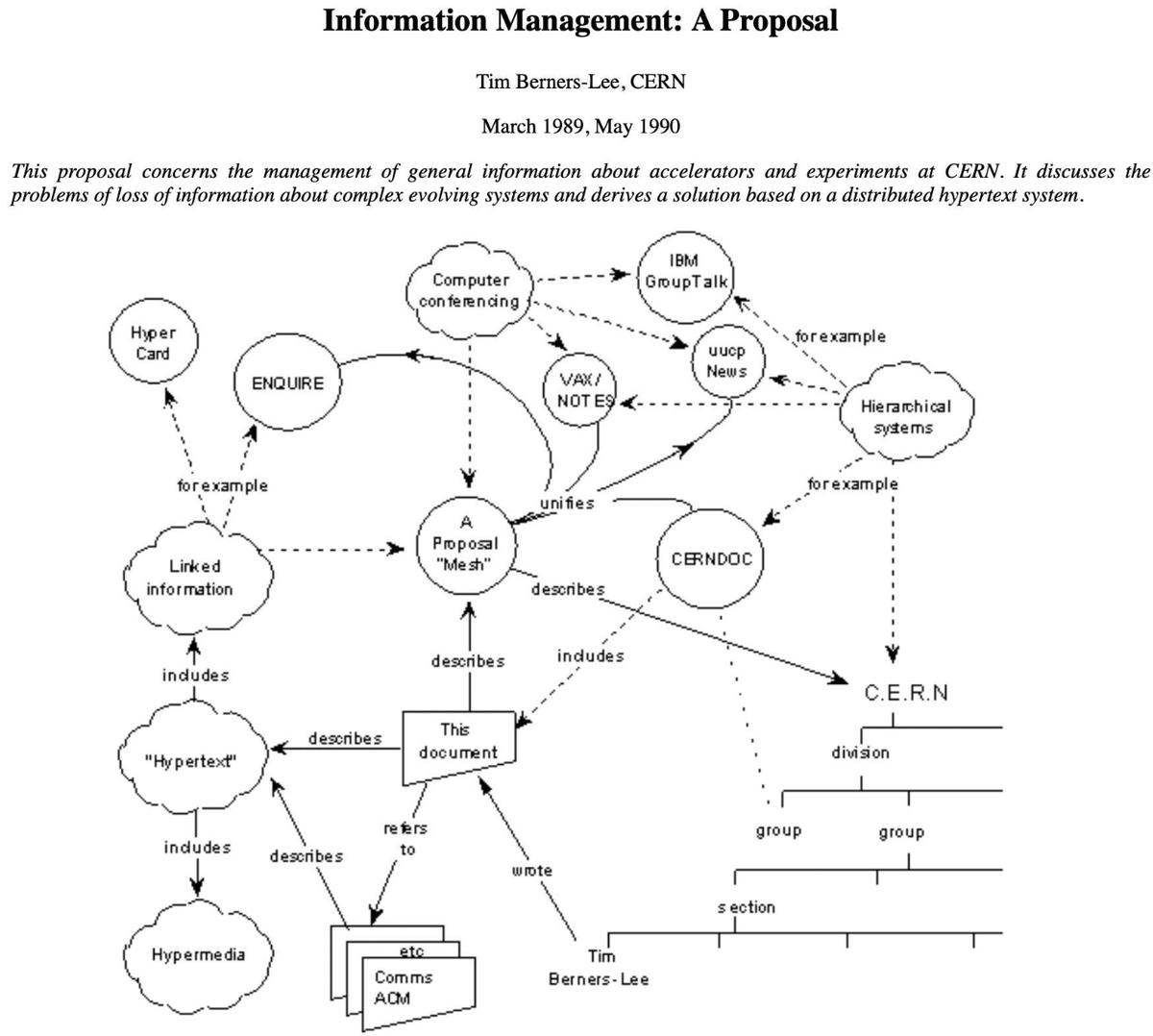
In 1989, while working at CERN, he invented HTTP, HTML and the URL system. The entire architecture the internet still runs on today.
He never tried to turn it into a proprietary business.
In 1993, CERN's directors signed a two-page memo handing the entire thing to the public for free.
At the exact same time, a rival protocol called Gopher tried charging licensing fees for something similar.
Nobody remembers Gopher's name today.
Berners-Lee has explained the decision plainly. "Had I patented the web, I could have been a billionaire. But I didn't, and I'm happy with that."
He built the foundation of an industry now worth trillions of dollars and never took a cut.
In 2021 he auctioned the original web source code as an NFT for $5.4 million.
He donated every dollar to charity.
The Mathematics of Large Language Models — A Readable Guide to LLMs, Transformers, Diffusion, Neural Networks, and Generative AI: https://t.co/3sDIaIroX8
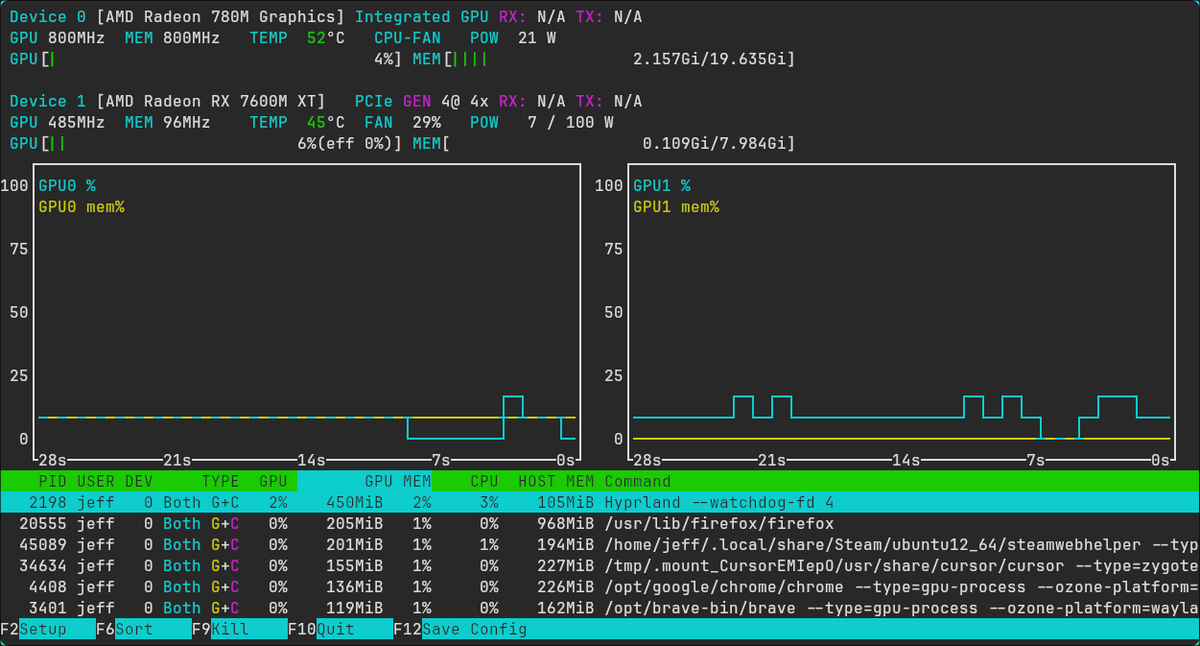
4 Linux distros that are better at gaming than SteamOS > https://t.co/jfx8xKCe2F - I use arch + handheld package on both AMD + Nvidia - 2 machines #linux#archlinux#arch#opensource <3
Open Modular Linux handheld designed for dreamers, tinkerers and builders > https://t.co/ngPO8Qzv4X & https://t.co/btu393qDUF #linux#gamepad#handheld#opensource <3
In early 1992, a single usenet thread sparked the defining software architecture debate of early open-source history.
The debate between Linus Torvalds and Andrew Tanenbaum pitted microkernel architecture—favoring modular, isolated design—against the monolithic structure chosen for the Linux kernel. That discussion helped sharpen the design principles and engineering philosophy behind modern operating systems.
Decades later, the monolithic architecture remains a cornerstone of high-performance computing worldwide.
https://t.co/5FULJLanZA
#Linux35
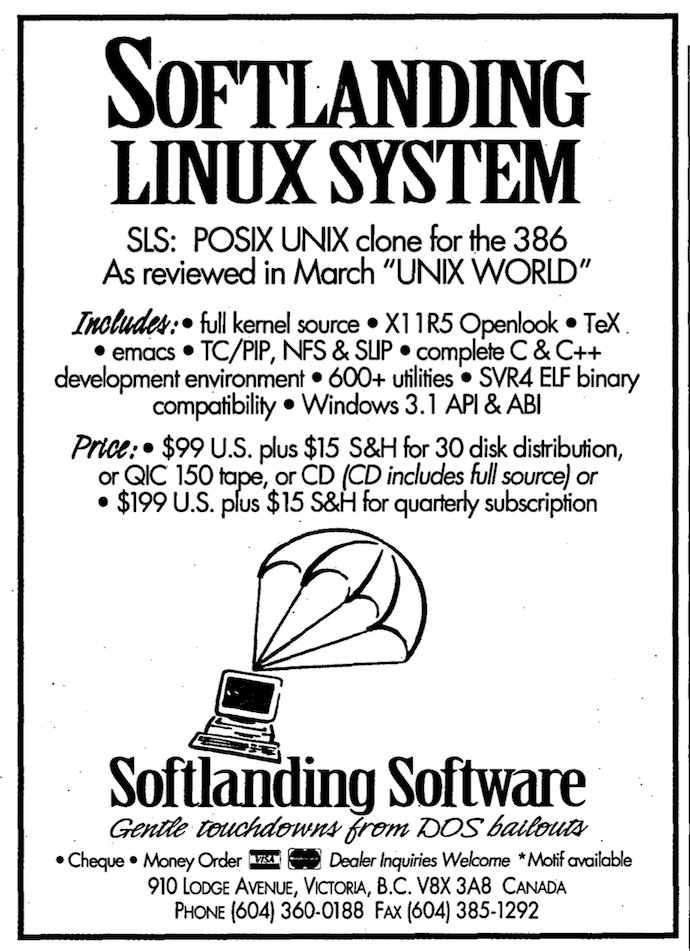
Before Ubuntu or Fedora, there was SLS (Softlanding Linux System), released in 1992: the first Linux distribution to bundle the kernel with enough software to be usable out of the box. Both Debian and Slackware trace their roots back to it.
https://t.co/0ThKHC7ETC
#Linux35
Passenger returning from DEF CON 34 spoofs Delta Wi-Fi network while in flight using pentest tool — pilots tell ground crew to alert corporate security after attendee from hacking conference brings the party to the sky > https://t.co/fUs5Ego3ae #security#pentest#privacy#hack