The application of machine learning algorithms is limitless! 🦾💻🤖
Check out this cool paper on using MLA to predict GVHD in patients undergoing liver transplantation! @Scott_Biggins@UW@AshleySpannMD
Acute graft-vs-host disease following liver #transplantation-Predicting this rare complication using machine learning
A practical model that can identify patients at high risk for GVHD & may warrant additional monitoring w/ peripheral🩸chimerism testing
https://t.co/g9johwgB1V
Cooper et al. with CBATL at UWMC developed a machine learning approach to predict recipients at high risk for developing GVHD on factors at the time of OLT. Liver Transpl. 2021 Sep 29.doi: 10.1002/lt.26318. GVHD calculator: https://t.co/G6dpDjJCvI @AnalyticsCbatl#machinelearning
@LTxJournal Less than 1% of donor livers between the age of 18-30 need to be split to transplant all pediatric candidates. All adult programs need to establish connections with a pediatric center for splitting and this would result in transplanting their small stature candidates.
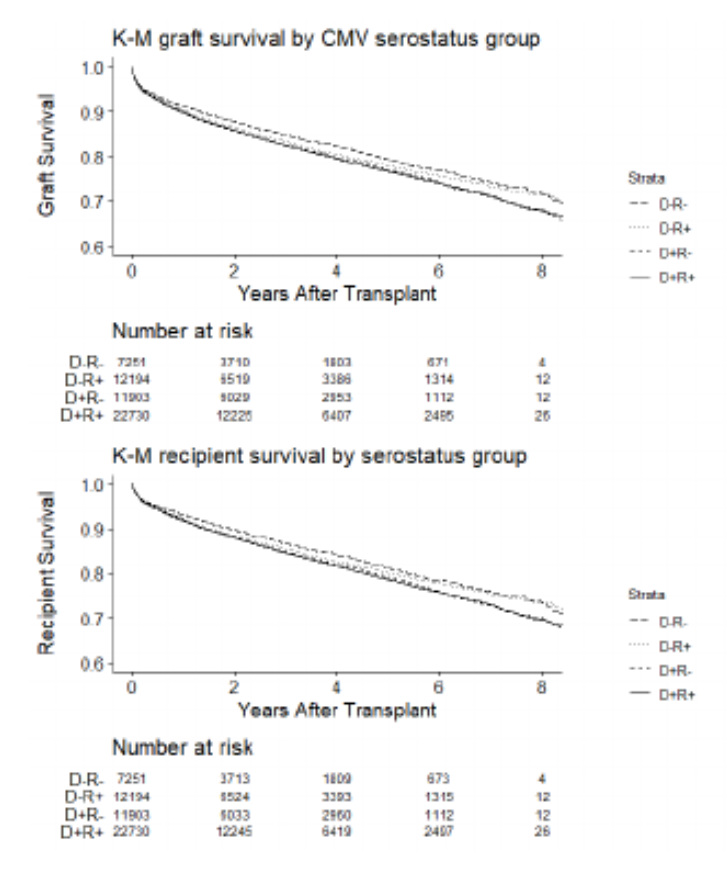
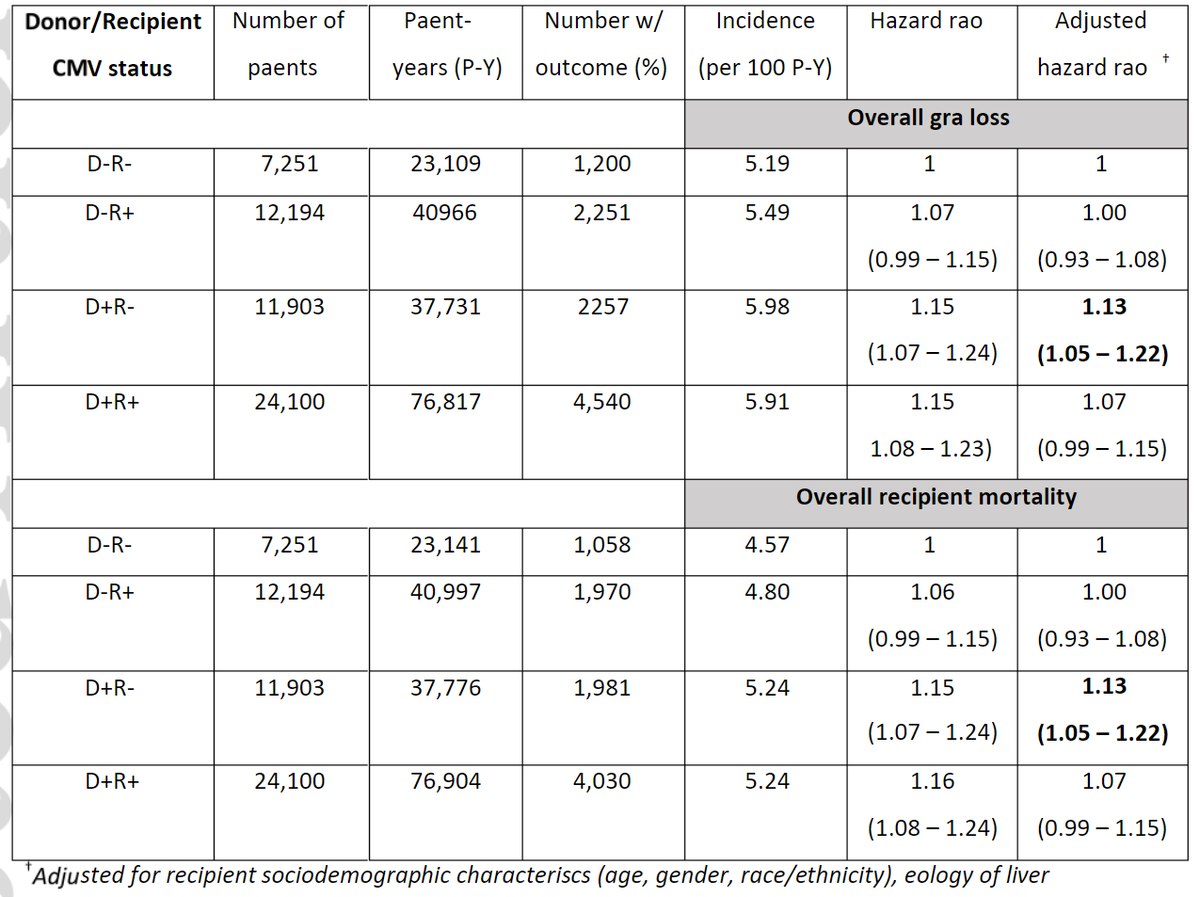
Association of donor and recipient cytomegalovirus serostatus on graft and patient survival in liver transplant recipients by @PhilipVutien, @HannahImlay, @Scottbiggins4 et al. https://t.co/DvwwJPzRCp
Little and CBATL observed pediatric DCD livers are underused but when transplanted have comparable survival to 18-40 year-old DCD donors. This survival is improved when transplanted into pediatric recipients. Pediatric DCD livers are a viable organ source for adults and children.
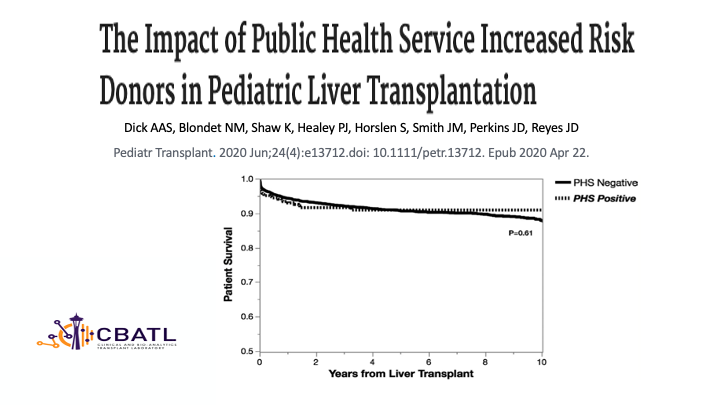
Excellent survival in pediatric recipients undergoing liver transplantation with organs labeled Public Health Service (PHS) high-risk organs was the conclusion of a study by Dick et al. This may lead to increased use of these organs and decreased waitlist mortality. #transplant
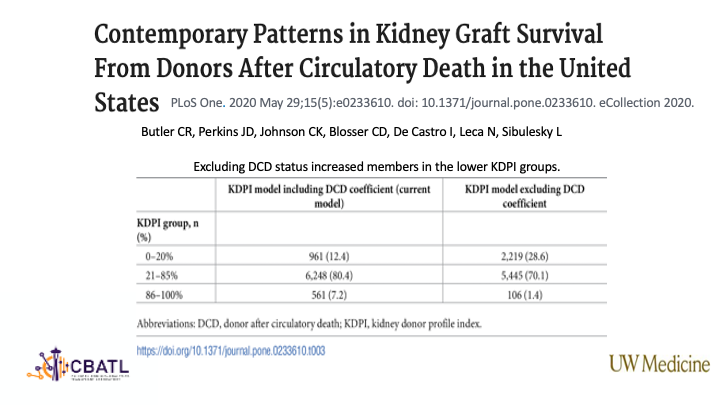
Butler et al. in a contemporary cohort of deceased donor kidney transplant recipients found no difference in graft loss from DCD compared to DBD grafts. These findings could increase the utilization of DCD kidneys helping to improve the shortage of donor kidneys. #kidney
Vanguard Article of the Week: In JAMA Surgery, Locke et al discuss and analyze critical factors contributing to sex-based disparities in liver allocation. https://t.co/dOzzkeMbkp #VanguardArticleoftheWeek#livertransplantation#ILTS
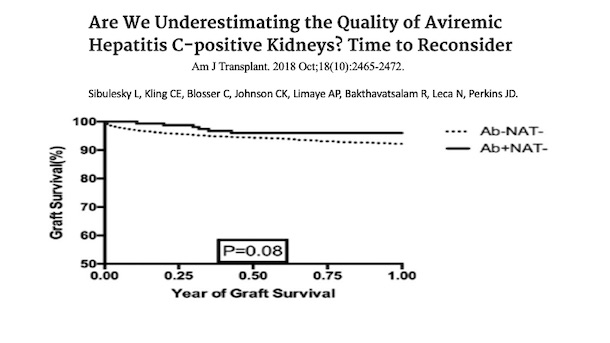
Kling and other members of CBATL in follow-up to previous research found there is no difference in 3-year patient and graft survival between kidneys from aviremic HCV donors (HCV Ab+ NAT –) and HCV negative donors (HCV Ab- Nat -). #HCV#kidney#Transplant
Kling and other CBATL members observed that the number of donors with hepatitis C virus is increasing. They also observed a concomitant increase in the transplantation of kidneys and livers from aviremic donors. #kidney#liver#transplant#HCV
Sibulesky and other CBATL members conducted research supporting the quality of aviremic hepatitis C positive (HCV NAT -) kidneys. Using these kidneys would result in more kidney transplants with the survival being the same as matched controls. #NAT- #Aviremic#kidney#transplant