@DrAlkhodairy يا دكتور العزيز، الفوائد مالحجامة اكثر من هاي علميا
فمنها طرد السموم الأيضية: تنشط الجهاز الليمفاوي للتخلص من حمض اللاكتيك والفضلات الخلوية.
فارجوا منك الحذف يا دكتور او توضيح الكلام
https://t.co/n8nOrxMANS
@sirwanashqir كلامه صح و غلط، فالدم ليس دم فاسد او من هاي الاشياء، لكن الحجامة مباحة و أوصيت بالنبي ﷺ و عندها فوائد ومنها طرد السموم الأيضية، تنشط الجهاز الليمفاوي للتخلص من حمض اللاكتيك والفضلات الخلوية (الفائدة التي لم يتكلم فيه الدكتور). لكن كلامه صح ليست بسنة على رغم من فوائدها
لو .. ⁉️
لو اتبع المسلمون سنة نبيهم
لو انتصح-سمع المسلمون كلام العلماء
لو أطاع المسلمون الأمراء بالمعروف
لو عرف المسلمون فضل العرب وسبقهم
فكيف سيكون -حينها- حالهم ؟!!
Shiekh Ibn taymiyah said:
"The salaf (righteous predecessors) used to call a man that is a singer feminine"
And today they call them artists and that they have a message to spread!
(Only) the laymen and fools are happy to meet such people
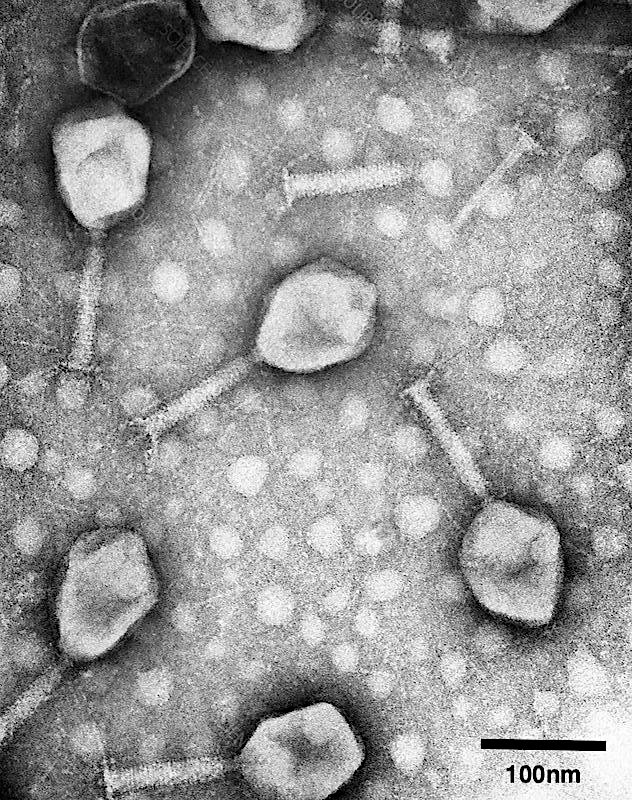
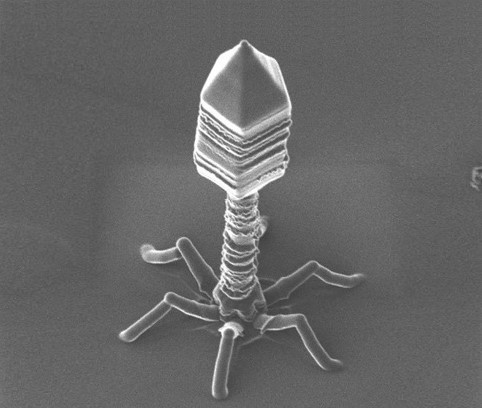
The crazy thing about viruses isn't that they are basically naturally occurring nanite tech, but that they are possibly older than life in some theories.
That means it is easier for the universe to spontaneously spawn nanite technology than living things.
This has significant consequences in the search for life out there.
There could be entire planets out there with zero living things but the planet might be full of viruses that reproduce using primitive biochemical bubbles in the sea that never quite reached life. Life might just plain loose most virus-cell arms races and we're just lucky.
The breast is not just feeding the baby. It is reading the baby.
When a baby feeds at the breast, the same suckling action that draws milk out also pulls a small amount of the baby's saliva back into the nipple and into the milk ducts. Scientists call this "retrograde duct flow".
This hypothesis was put forward by lactatiom biologists and they are gathering evidence through research - If the baby is sick, that backwashed saliva carries traces of the infecting pathogen into the mother's breast tissue. Her immune system detects it, identifies the threat, and begins manufacturing targeted antibodies. These then appear in the very next feed of milk delivered to the sick infant.
Human studies have steadily supported this. Riskin et al. (2012), published in Pediatric Research, demonstrated that when nursing infants were ill, their mothers' milk showed a dramatic surge in white blood cells, particularly macrophages, along with raised levels of TNF-α, a key inflammatory signal. These levels fell back to normal once the baby recovered. Mothers of healthy babies showed no such changes.
Hassiotou et al. (2013), in Clinical and Translational Immunology, confirmed that both maternal and infant infections trigger a rapid leukocyte response in breast milk. Then a landmark 2022 study in Nature provided the clearest mechanistic proof yet. It tracked a virus from an infected mouse pup's saliva, through the nipple, into the mother's milk ducts, and demonstrated a subsequent antibody surge in her milk.
Taken together, the evidence describes a mother and infant in quiet, continuous biological dialogue through the breast. Illness whispered through saliva. Answered in medicine. Still remains a hypothesis but the evidence is piling up.