Rumi, born Jalal al-Din Muhammad Rumi (1207–1273), was a Persian poet, mystic, Islamic scholar, and spiritual teacher whose words have echoed across centuries. Born in Balkh and later settling in Konya, he spent much of his life teaching religion before his transformative encounter with the wandering mystic Shams of Tabriz awakened a profound new dimension in his spiritual life. Through poetry, stories, and teachings, Rumi wrote deeply about divine love, longing, the soul, and the journey of returning to God. His greatest works, including the Masnavi and Divan-e Shams, made him one of the most influential mystical poets in Persian literature, and his message of love and spiritual awakening continues to reach people around the world.
We've been calling it mitochondrial dysfunction for decades. Turns out that term is scientifically meaningless, and it's been holding back progress in understanding how mitochondria actually work.
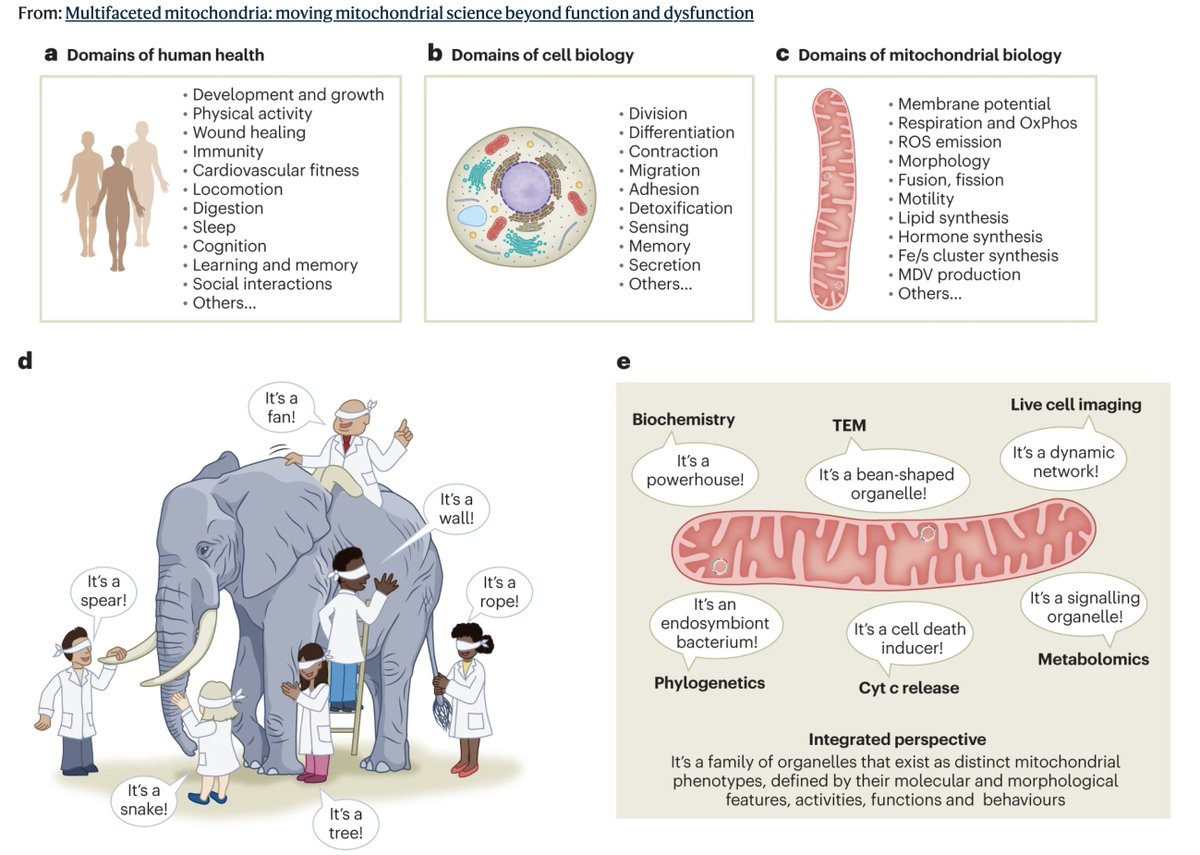
@MitoPsychoBio and colleagues published a perspective in Nature Metabolism arguing that the language mitochondrial scientists use fails to capture what mitochondria actually are: multifunctional organelles that dynamically recalibrate across dozens of independent activities depending on what cells need.
The problem starts with oversimplification. Mitochondria get reduced to the powerhouse of the cell in introductory biology. That framing suggests a single primary job: make ATP. Reality is more complex.
Mitochondria synthesize steroid hormones. They produce iron-sulfur clusters required for hundreds of proteins throughout the cell. They regulate innate immunity and antiviral responses. They control programmed cell death. They generate signaling molecules that reprogram nuclear gene expression. They can transfer between cells to rescue damaged tissue.
Key insight: These aren't backup functions that kick in when energy production fails. They're simultaneous, independent, cell-type-specific roles that mitochondria perform constantly.
Here's why the terminology matters:
When researchers measure decreased ATP production and call it mitochondrial dysfunction, they're collapsing dozens of distinct mitochondrial activities into a binary working/broken framework. That creates problems:
• A mitochondrion producing less ATP might be signaling rather than failing
• Different mitochondrial activities can change independently
• What looks dysfunctional in one context may be adaptive in another
• Cell-type differences get lost when using generic terms
The paper proposes a hierarchical terminology system with five levels:
1. Cell-dependent properties: Mitochondrial characteristics that vary by cell type. Neurons, muscle cells, and immune cells contain functionally distinct mitochondrial populations adapted to tissue-specific demands.
2. Molecular features: The structural and compositional elements. Membrane potential, protein composition, lipid content, mtDNA copy number, cristae architecture.
3. Activities: Specific biochemical processes. Oxygen consumption, ATP synthesis, reactive oxygen species production, calcium buffering, metabolite synthesis.
4. Functions: The biological purposes these activities serve. Energy provision, biosynthesis, signaling, quality control, cell death regulation.
5. Behaviors: Dynamic responses over time. Fusion, fission, movement, mitophagy, biogenesis, transfer between cells.
The framework distinguishes what mitochondria are made of, what they do biochemically, why they do it biologically, and how they change over time.
Example of how this improves precision:
Old framing: This drug causes mitochondrial dysfunction.
New framing: This drug decreases complex I activity, reducing ATP synthesis capacity while increasing superoxide production at complex III, without affecting calcium handling or steroid synthesis.
The second version identifies which specific mitochondrial activities change and which remain intact. That matters for predicting side effects, understanding mechanisms, and designing interventions.
The malleable nature of mitochondria creates additional complexity. Mitochondrial characteristics can shift within minutes to hours in response to nutrient availability, stress, or signaling molecules. These recalibrations are often reversible and physiologically appropriate.
Calling a physiological recalibration dysfunction conflates adaptation with pathology. A muscle cell's mitochondria after endurance training look different from before training. Neither state is dysfunctional. They're optimized for different demands.
The perspective argues this terminology shift will improve three outcomes:
Teaching: Students learn mitochondria are multifaceted organelles rather than single-purpose powerhouses, building a more accurate mental model from the start.
Research progress: Specific terminology forces specific measurements. Asking which mitochondrial activities change rather than whether mitochondria are dysfunctional leads to more mechanistic studies.
Interdisciplinary collaboration: Clearer language helps researchers from different fields understand exactly what aspects of mitochondrial biology are relevant to their questions.
The implications extend beyond semantics. How scientists conceptualize mitochondria shapes which questions get asked, which measurements get prioritized, and how findings get interpreted.
Moving from function/dysfunction binary to multidimensional assessment requires more complex experimental designs. But that complexity better matches the biological reality.
Mitochondria aren't failing when they recalibrate. They're responding. Understanding which specific activities change, in which cells, under which conditions, and with what biological purpose represents the path forward for mitochondrial science.
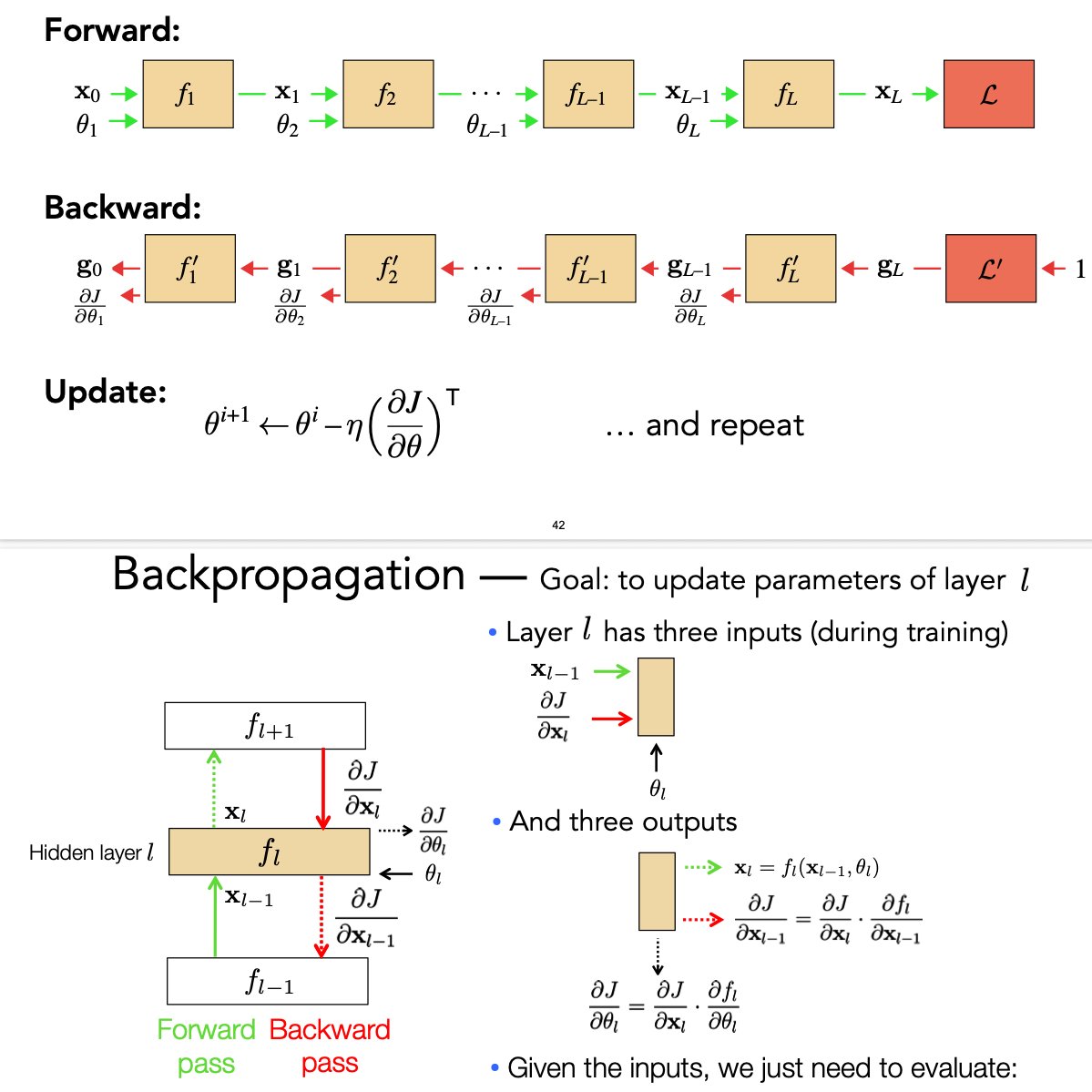
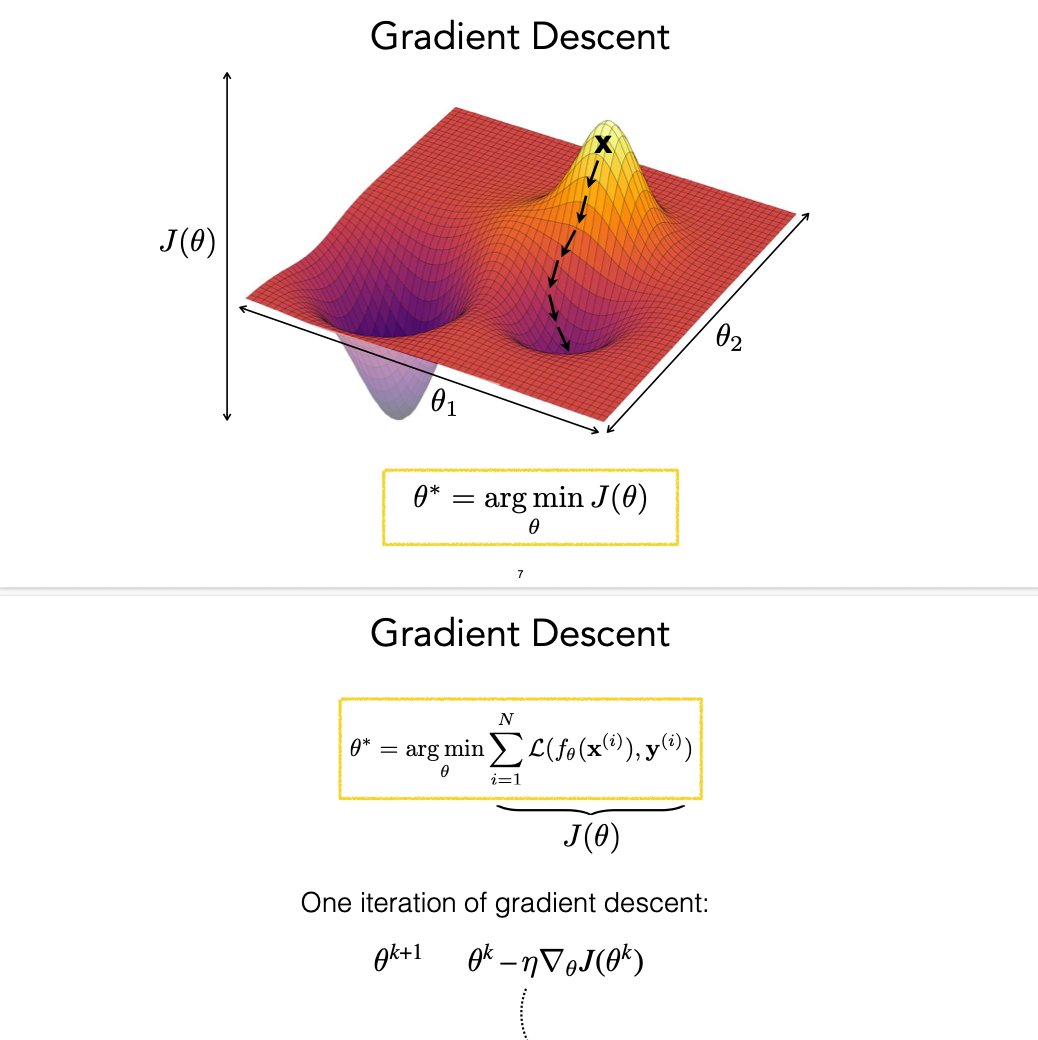
"How to Train a Neural Net" is a concise set of lecture notes from MIT's 2024 Deep Learning course that focuses on one of the most fundamental questions in neural networks: how a model learns its weights during training.
The notes introduce the training process from a mathematical perspective, covering the forward pass, loss functions, gradients, backpropagation, and gradient-based optimization.
I think it's an interesting resource if you want to move beyond the high-level intuition of neural networks and start understanding the math behind how training actually works.
https://t.co/E3c5gMM5PY
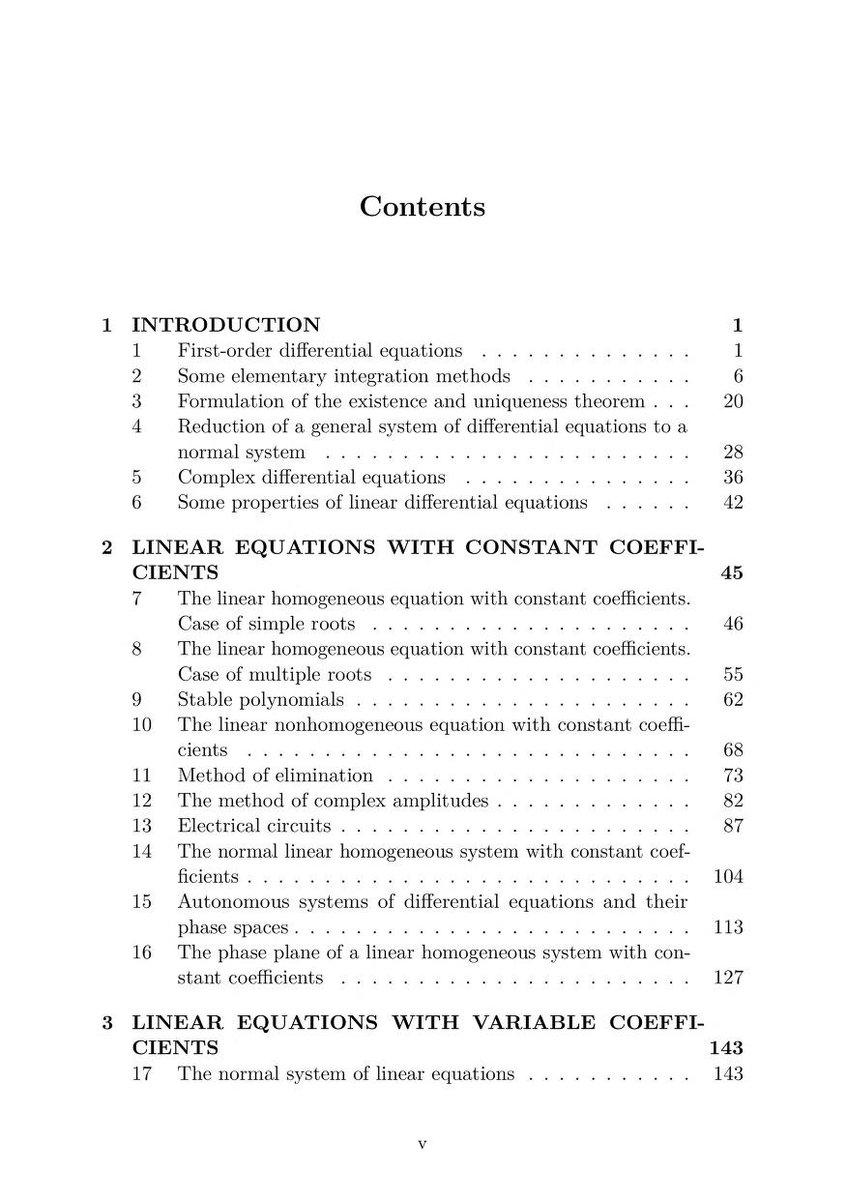
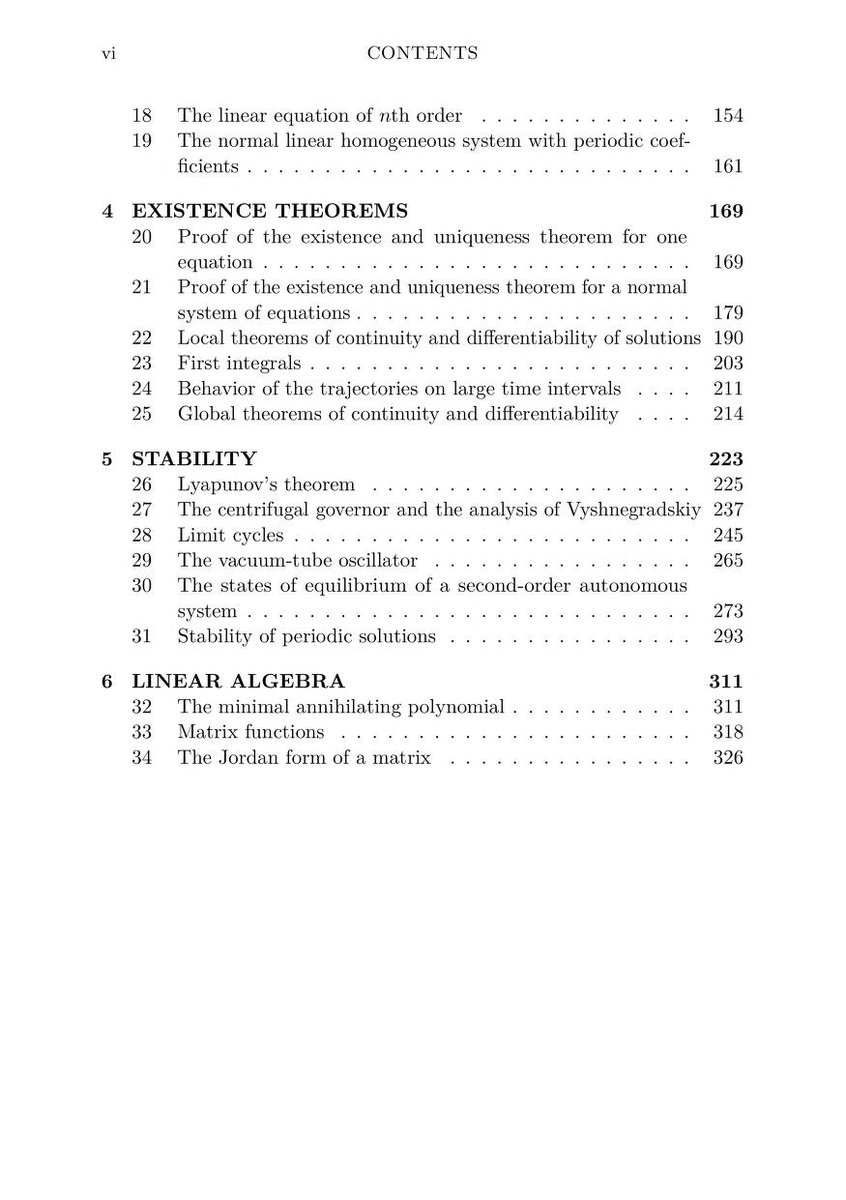
Ordinary Differential Equations by L. S. Pontryagin (LaTeX version)
a completely electronic copy of this classic in ODE
submitted by Althea Sindy with this message:
“I have given this book the love it deserves. :3”
https://t.co/2QJP8vYewu
#soviet#mathematics#books#latex
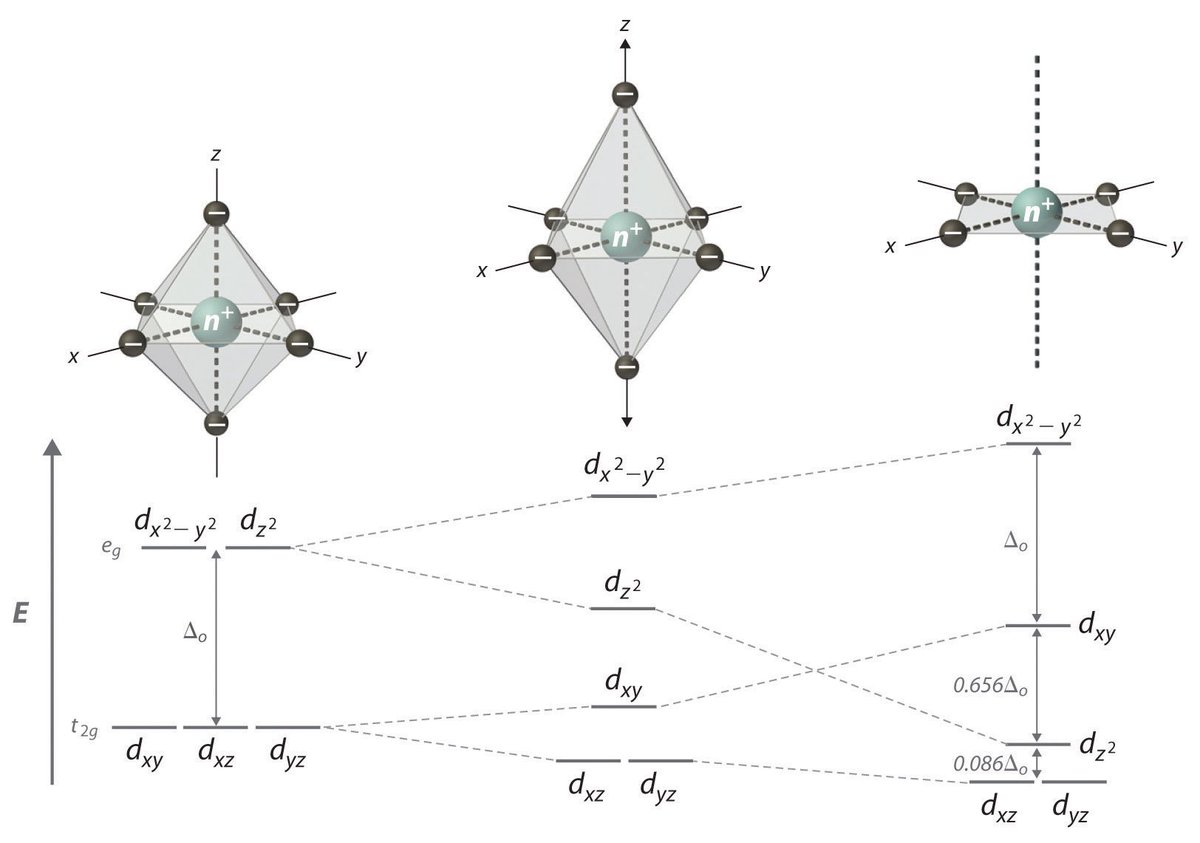
Hans Bethe’s debut into physics was the formulation of Crystal Field Theory,(well known among chemists). He investigated how the electronic states of transition metals are influenced by the surrounding ions in a crystal.I was fascinated by his use of representation theory in 1929
Time travel already exists, we just call it memory. We're all astronauts traveling backward through space-time, visiting the ghosts of universes that no longer exist.
School Chalk under an electron microscope.
It’s almost entirety made up of fossilized shells of ancient single-celled marine plankton called coccolithophores.