@hamadjjalthani When the leaders of Iran were targeted and assassinated, it gave Iran complete right to do the same to GCC leaders. Iran needs to do: eye for an eye.
@s_m_marandi Iran has been more than gracious. When the leaders of Iran were targeted and assassinated, it gave Iran complete right to do the same to GCC leaders. Iran needs to do: eye for an eye.
@rezamarzooghi@Nikaovski BTW, the Iranian jews still celebrate Purim while the have seat in congress for a minority that statistically shouldn’t have a seat!
خشایارشا و وزیر خارجه آمریکا
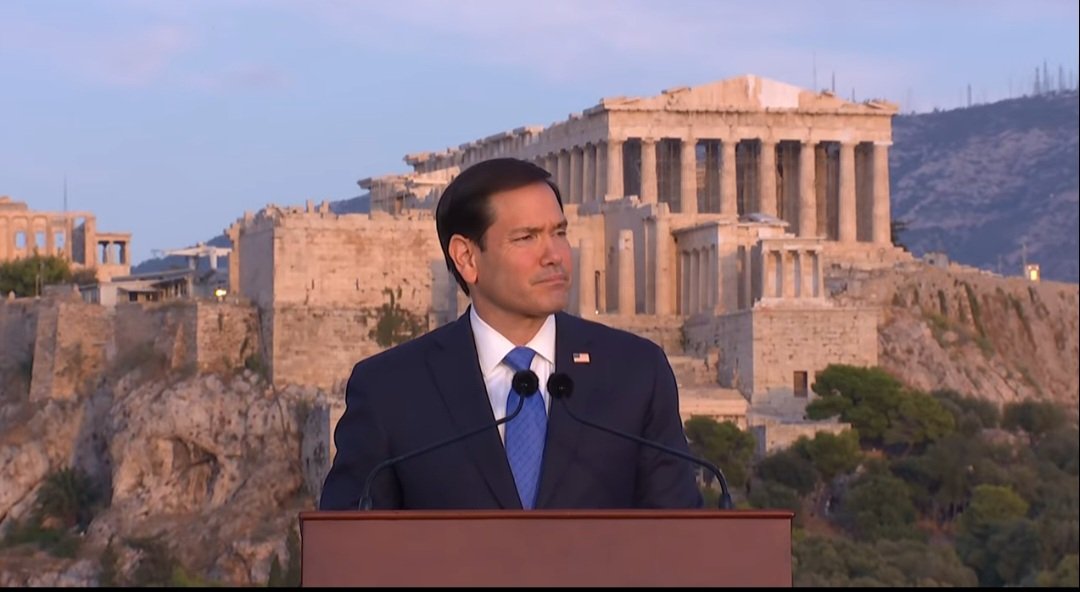
لطفا سخنرانی امروز مارکو روبیو در آتن را ببینید. بنظر میرسد حمله ۲۵۰۰ سال پیش هنوز فراموش نشده. یعنی موضوع فراتر از جمهوری اسلامی و ایران امروز است. قضاوت با شما:
"۴۸۰ سال پیش از میلاد، سپاهیان خشایارشا به آتن رسیدند و پرستشگاههای آن را به آتش کشیدند. تا آن زمان، بیشتر آتنیها با کشتی از شهر گریخته و به جزیرهای در نزدیکی پناه برده بودند. اما عدهای اندک حاضر نشدند خانه و شهر خود را ترک کنند. بنابراین، در دژ سنگی آکروپولیس سنگر گرفتند تا در مقاومتی شگفتانگیز، با آخرین ایستادگی خود بجنگند؛ سنگهای عظیم را از فراز صخرهها بر سر مهاجمان ایرانی فرو میریختند و بزرگترین امپراتوری عصر خود را روزها در پشت دروازههای آتن متوقف نگه داشتند.
سرانجام، بر آنان غلبه شد. ایرانیان معابد را غارت کردند، زیارتگاهها را به آتش کشیدند و آکروپولیس را با خاک یکسان کردند. اما هنگامی که آتنیها بازگشتند، بقایای درهمشکسته آکروپولیس قدیم را گرد آوردند و آنها را در همان تپهای که آکروپولیس بر فرازش قرار داشت، به خاک سپردند و چند دهه بعد، در دوران پریکلس، پارتنون را بر فراز آن برپا کردند...
و امروز، ما خود را بر سر یک دوراهی مییابیم؛ زیرا دهه آینده و تصمیمهایی که میگیریم، سرنوشت قرن آینده را رقم خواهد زد. مسیری که انتخاب میکنیم تعیین خواهد کرد که آیا غرب جایگاه خود را در رأس جهان حفظ خواهد کرد، یا خود را به آیندهای از فرسودگی، سرسپردگی و افول تسلیم خواهد کرد. یا همین حالا انتخاب میکنیم که دست به عمل بزنیم، یا در نهایت امکان انتخاب برای اقدام را بهکلی از دست خواهیم داد.
ایالات متحده در دوران ریاستجمهوری ترامپ انتخاب خود را کرده است. ما پیگیری بیپروای قدرت ملی را برگزیدهایم.
اکنون، یونانیان باستان، با وجود همه آرمانهای والایی که داشتند، سادهلوح نبودند. آنان میدانستند که ملتها منافع دارند. میدانستند که کشورداری مستلزم دوراندیشی و دیپلماسی است؛ اما در عین حال میدانستند که کشورداری مستلزم توانایی بهکارگیری زور نیز هست، آنگاه که دوراندیشی و دیپلماسی به نتیجه نمیرسند. آنان میدانستند که قدرت صرفاً به داشتن ابزار دفاع از خود نیاز ندارد؛ بلکه مستلزم این اعتبار نیز هست که دیگران بدانند شما آمادگی استفاده از آن ابزار را دارید..."
https://t.co/vgB9YdlpDr
At the Acropolis, Marco Rubio (mis)presents the history of the West - from ancient Greece to the contemporary United States - as a single, seamless continuum. This is the logic of anachronism: a distortion of historical time produced by the careless fusion of categories such as Greece, Rome, Christianity, Europe, America, and, ultimately, “America First.” It is as if America has finally discovered that 'intimidation' can be staged more effectively beneath the neon lights of a philosophy of history than in the bare idiom of the cowboy.
Rubio lifts the Greek concept of 'thumos' out of its historical and philosophical setting and recasts it as a celebration of power - of force exercised without law or justice - along with competition and national will. That reading misses a constitutive half of the Greek inheritance. Greece was not only a theater of power and glory. It was also the birthplace of the tragedy of hubris and aggression, from the myth of Troy and Homer’s Iliad; of the critique of imperial ambition in Thucydides’ History of the Peloponnesian War; of political philosophy in Plato’s Republic and Aristotle’s Politics; and of enduring meditations on the limits of power, moral responsibility, and human fate in Sophocles’ Antigone and Oedipus Rex.
This other half of the Greek legacy is deliberately omitted from Rubio’s narrative. History is thereby converted from a field of inquiry and critical reflection into an instrument of political legitimation. What emerges is not a philosophy of history, but a manufactured narrative designed to authorize U.S. militancy and to construct a convenient political myth: a distorted reconstruction of the past in which the politics of the present are made to appear inevitable and historically ordained. Once history is pressed into the service of legitimizing power—the unlawful and unjust use of force—its purpose is no longer to understand the past, but to glorify power itself.
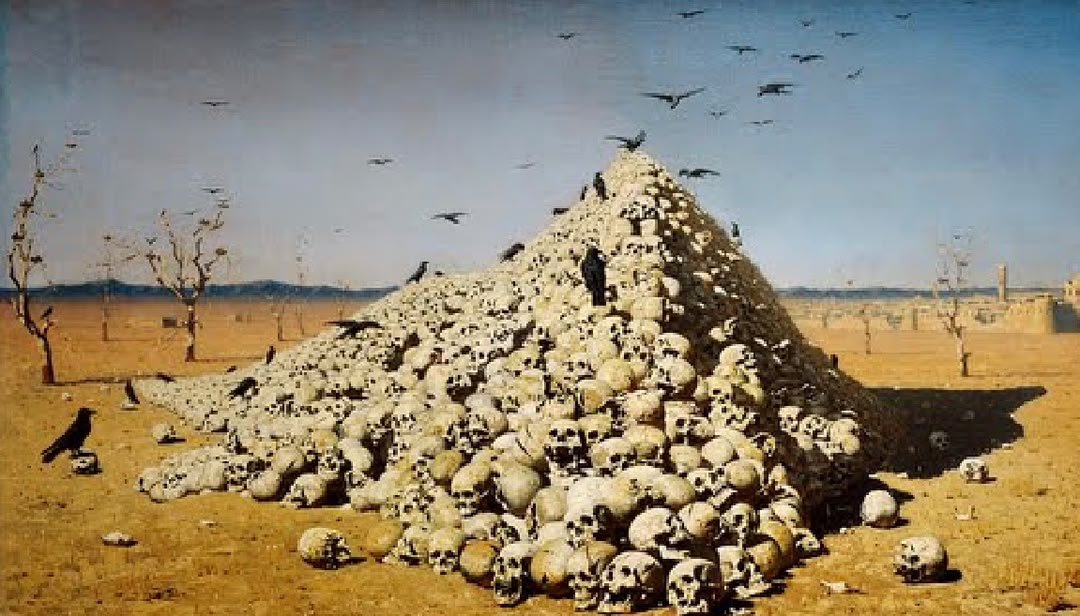
Vasily Vereshchagin’s The Apotheosis of War offers a stark counter-image. Its pyramid of skulls, left behind by conquerors, confronts the mythology of glory with the material residue of conquest. It recalls what remains when history is reduced to the exaltation of power.
At such a juncture, Western thinkers have a responsibility to defend history itself - and the philosophical complexity of Western civilization - against a distorted and apologetic reinterpretation by an aggressive power prepared to sacrifice a civilization’s human achievements in order to legitimize the unrestrained exercise of force.
The danger lies not merely in misreading the past, but in appropriating it to authorize that force, and to aggrandize it, in the present.
Give me the name of 1 baby that was beheaded on October 7th.
They said it was 40.
Biden said he saw them.
NAME 1.
Not 40.
Not 20.
Not 10.
Not 5.
Name 1.
Israel assumed nobody would ask.
And for a few weeks they didn't.
And when they did, the whole thing unraveled.
Hey @grok, concise, no spin.
Did Jewish slaveholders in Suriname own over 9,000 African slaves, including children, and 115 of the colony’s 400 plantations?
Start with yes or no.