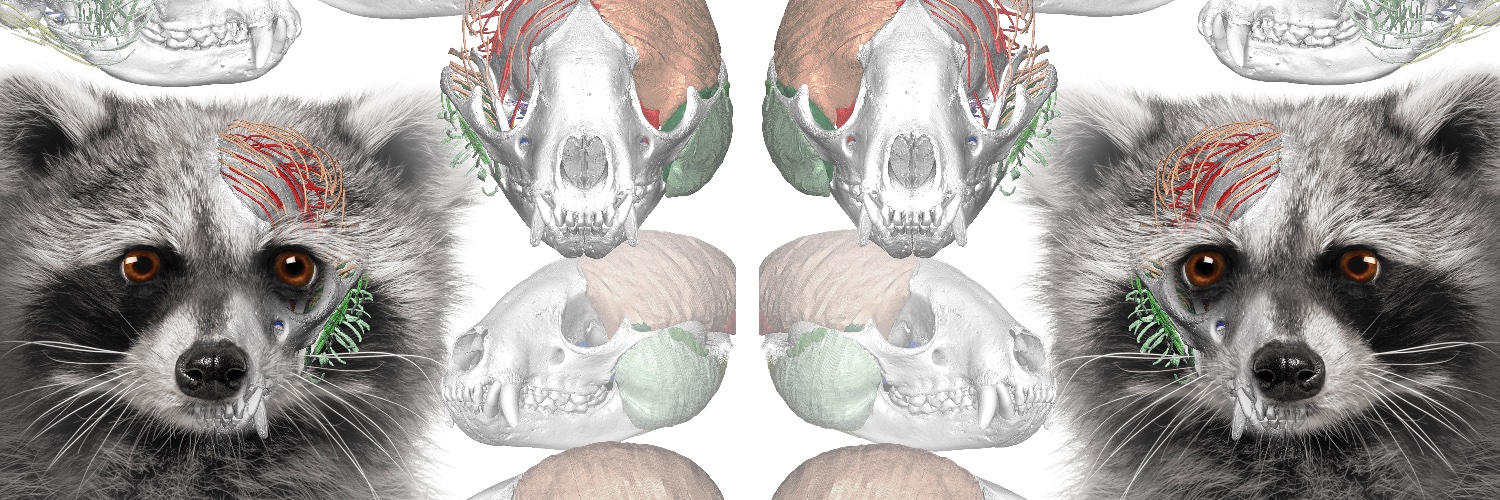
The Anatomical Record publishes new discoveries in morphological aspects of molecular, cellular, systems, and evolutionary biology. Official @AnatomyOrg journal
Naked mole-rats may be nearly blind, but they’re not exactly expressionless! New research reveals facial muscles adapted for life #underground, with powerful nose and mouth movements supporting touch and social interactions. Study by Thurber & Sarko: https://t.co/GmlJsNXw92
Happy #FossilFriday! New fossil footprints reveal tiny, tree-climbing, opossum-like marsupials roamed the continent millions of years ago. Antarctica wasn't just a land bridge—it had a paws-itively wild past! Study by Souza et al.: https://t.co/tMM1MSyjY1
Getting to the heart of the scarlet ibis! This study explores its cardiac anatomy, morphometry, and histology, uncovering valve structures, Purkinje fibers, and aortic cartilage. A truly heart-stopping contribution to avian anatomy! Study by Silva et al.: https://t.co/nWN56mr0BM
Happy #FossilFriday! A study reveals that large titanosaurs experienced bone stresses well below theoretical failure limits. Different lineages evolved distinct strategies to manage gravity. This study is not a titano-snore!
Study by Aureliano et al.: https://t.co/tAoscye1XP
New research on Tyrrhenolutra helbingi reveals that early #otters didn’t dive into aquatic life all at once. Their swimming adaptations evolved piece by piece, with forelimbs leading the way. Evolution really went with the flow! Study by Faggi et al: https://t.co/wek7pkDEdx
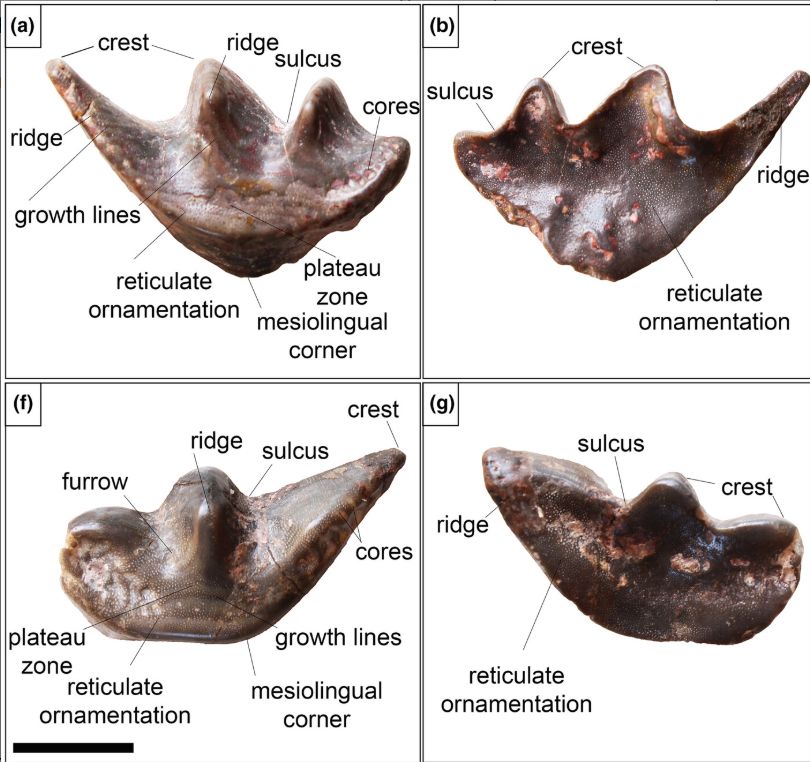
Happy #FossilFriday! New research on 95 Gnathorhiza dental plates reveals remarkable morphological variation, likely reflecting high phenotypic plasticity in an isolated population. A bite-sized piece of paleontological history! Study by Lacerda et al: https://t.co/fR3PZOJ95A
Happy #FossilFriday! Meet Rewasaurus minori, a newly described Triassic dinosaur relative from India! Its unusual teeth offer clues to a diet of soft-bodied prey and plants. Turns out, this fossil is a real jaw-dropper!
Study by Sen et al.: https://t.co/Ow7MBvOLxT
AAA Journal is excited to announce an webinar on Friday Nov. 6th at 12pm ET. “Sea Serpents of Belgium: New perspectives on mosasaur anatomy and evolution from a historic sample”, presented by Henry Sharpe, a PhD student at Harvard.
Register Now at https://t.co/8IgEDMkZnp
Frogs aren’t just hopping to it — their bones are built for the job! A new study reveals how limb bone proportions change as frogs grow, linking skeletal structure to locomotion and habitat.
Study by Soliz & Tulli: https://t.co/QMnCY2KCPo
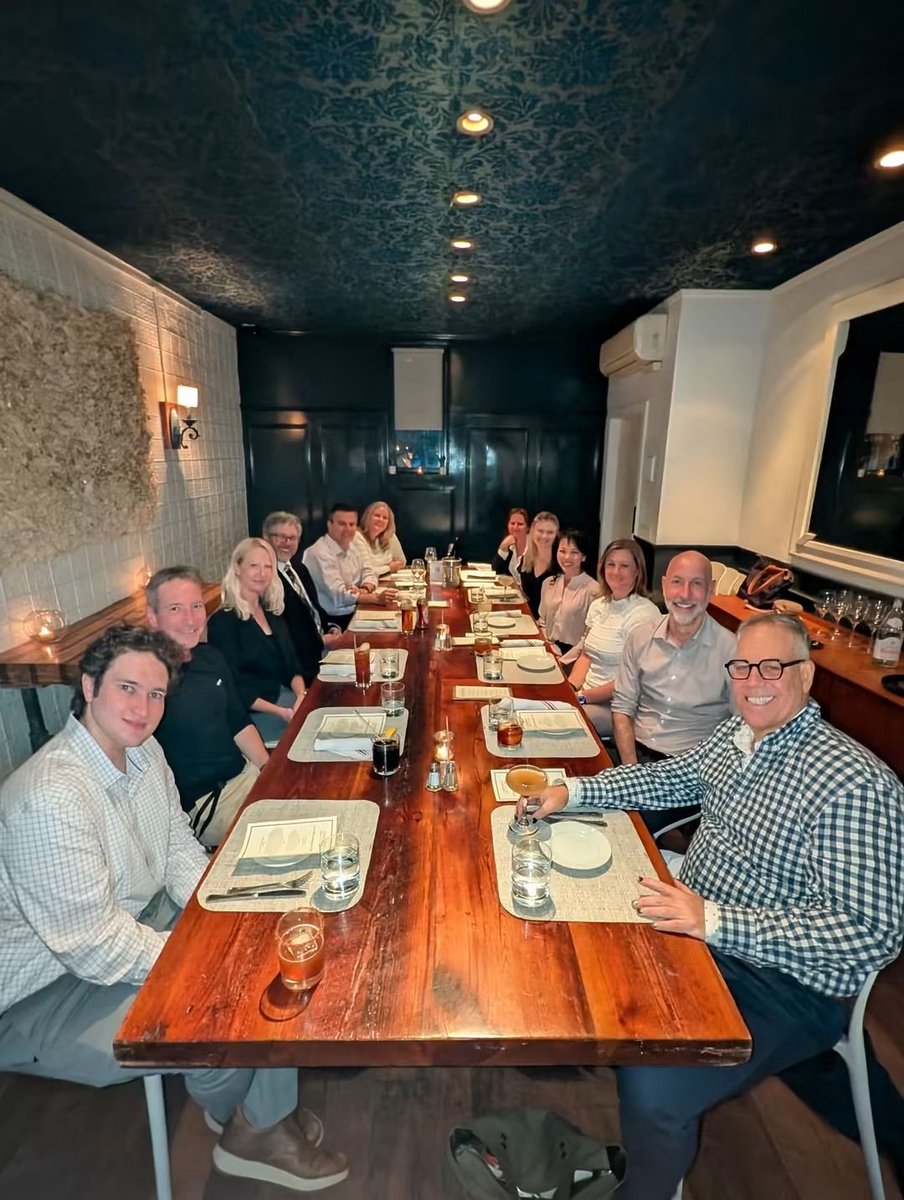
Had a fantastic trip to Wiley headquarters to represent @AnatRecord at the annual Wiley– American Association for Anatomy journal strategy meeting. It’s such a tremendous honor to be part of the AAA publishing “Team of Teams”, and I'm excited about the future of our journals
Never look a gift turtle in the mouth! A new study of Kinosternon scorpioides reveals a mucus-rich oral cavity, diverse tongue papillae, and microscopic adaptations that may reflect its semi-aquatic, omnivorous lifestyle.
Study by Bezerra et al.: https://t.co/teS2uK1fGa
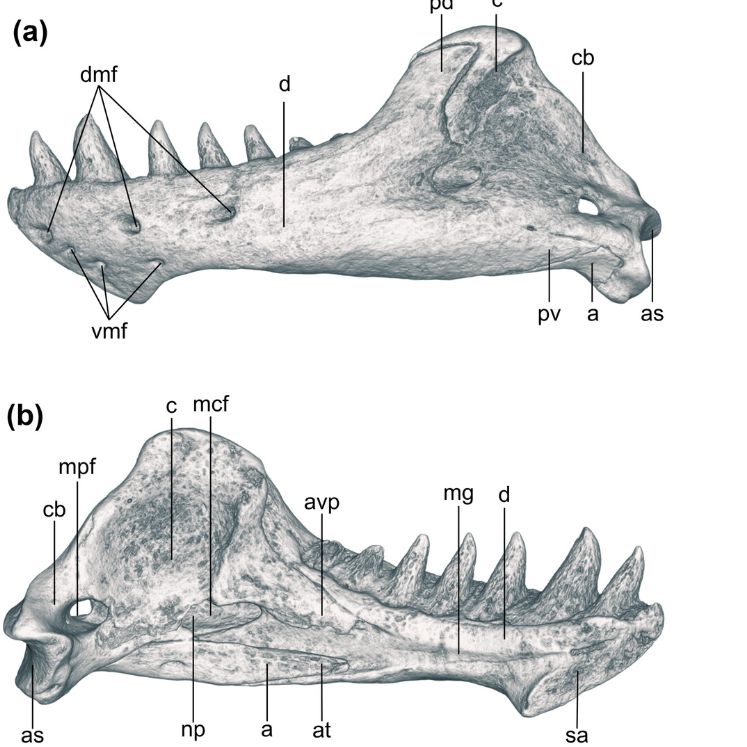
Happy #FossilFriday! A new study reveals the first dentary crest in Brasileodactylus araripensis, a Cretaceous pterosaur from Brazil. This highlights how growth and sex may have shaped pterosaur evolution and taxonomy.
Study by Nascimento et al.: https://t.co/sufrdlek4c
A new study shows gannets and other diving birds have evolved reinforced neck vertebrae to withstand the high-impact plunge of a headfirst dive. Turns out, they’re not just winging it when it comes to evolution!
Study by Vandenberg et al.: https://t.co/cwW1JgPDNu
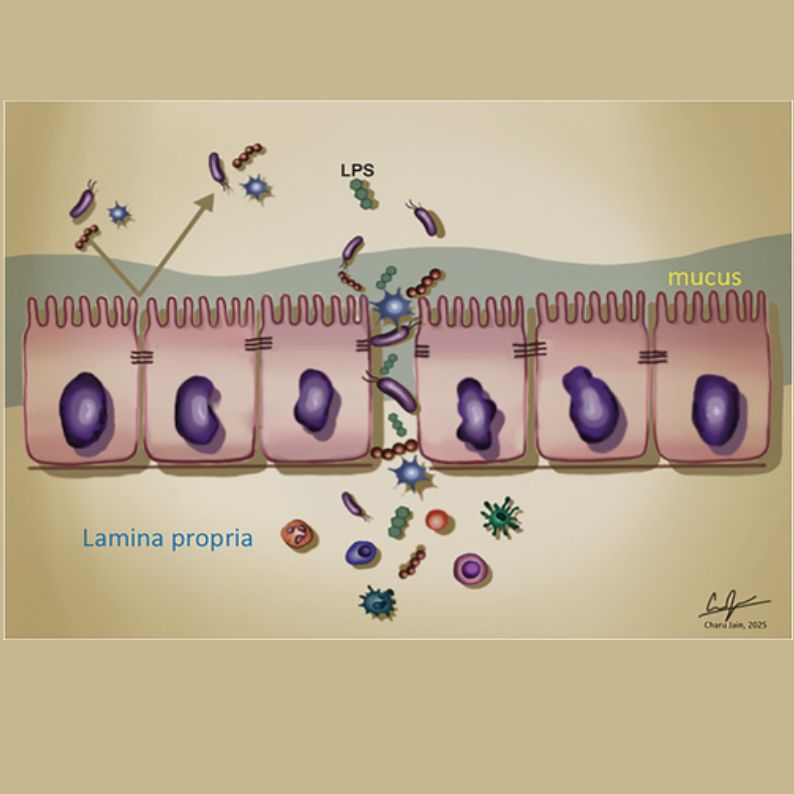
Alcohol use disorder can damage the gut’s epithelial barrier, promoting “leaky gut,” endotoxemia, and systemic inflammation. Research highlights zinc, glutamine, vitamin D, and probiotics as strategies to protect gut health.
Study by Mak & Shekhar: https://t.co/Ts7XknZ70G
Happy #FossilFriday! Riama-gine what skulls can tell us about evolution! Comparing 6 Riama species shows variation in skulls, teeth, and sexual dimorphism. This shows the use of cranial anatomy for phylogenetics and evolution.
Study by Vega-Rangel et al.: https://t.co/VR8CL0GpHd
Authors: Dolev Fabrikant, Apostolos Christopoulos, Ahmed Nasser, and Leonidas-Romanos Davranoglou
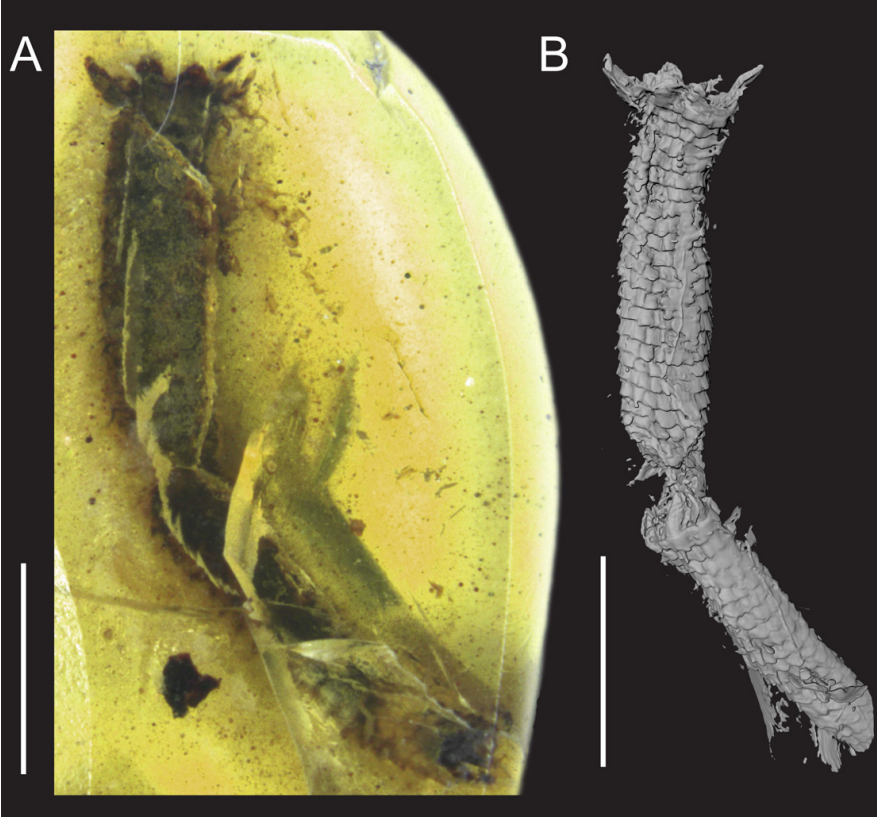
Image: Overview of amber piece and micro–computed tomography (micro-CT) renderings of the fossilized tail
Full #OpenAccess Paper: https://t.co/p2KQwz8iM0
Stop, Drop and Run! A 99 million year old detached lizard tail preserved in amber proves that lizards have been dropping their tails as a distraction from predators since the Cretaceous. Soft tissue preservation shows that the muscles are actually very similar to lizards today!
We are excited to share our latest issue, featuring a variety of incredible papers! Issue Link: https://t.co/JZBVR2J4r7
The cover for this issue features a paper describing cranial fossils of proteid salamander Mioproteus wezei by Syromyatnikova: https://t.co/mk6MsMUdL5
Happy #FossilFriday! Using high-res CT, researchers reveal the skull anatomy of Brazilian Pleistocene amphisbaenians, showing braincase structures and new features. Even they can’t worm (lizard) their way out of research! Study by Paiva et al.: https://t.co/0lS26CavLq
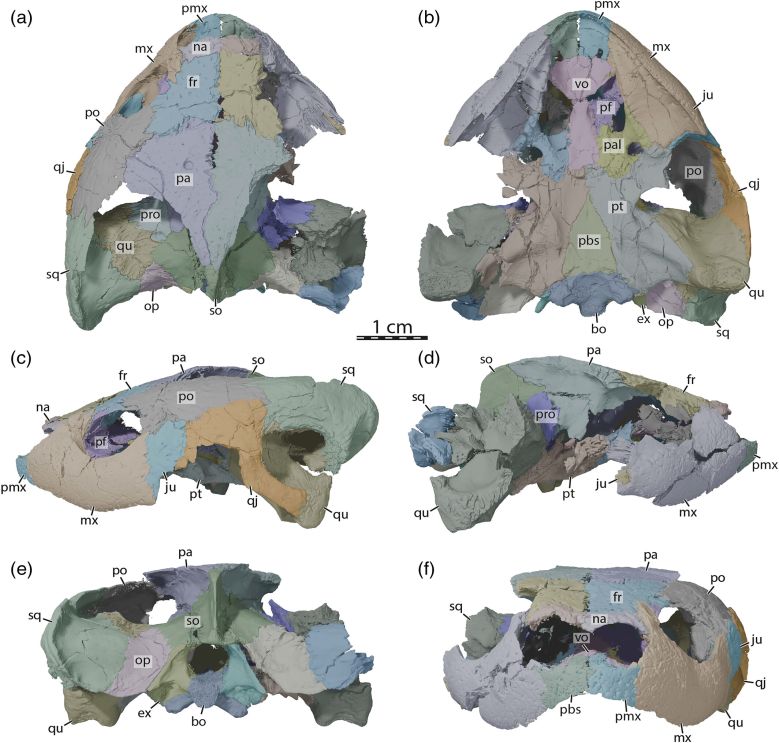
More turtle research please(-iobaena)! Research on the fossil turtle Plesiobaena antiqua reveals variation in its skull/jaws. Micro-CT shows developmental changes and shifts toward hard prey, offering clues to baenid evolution. Study by Bellotti et al.: https://t.co/jvkEYUtMCJ