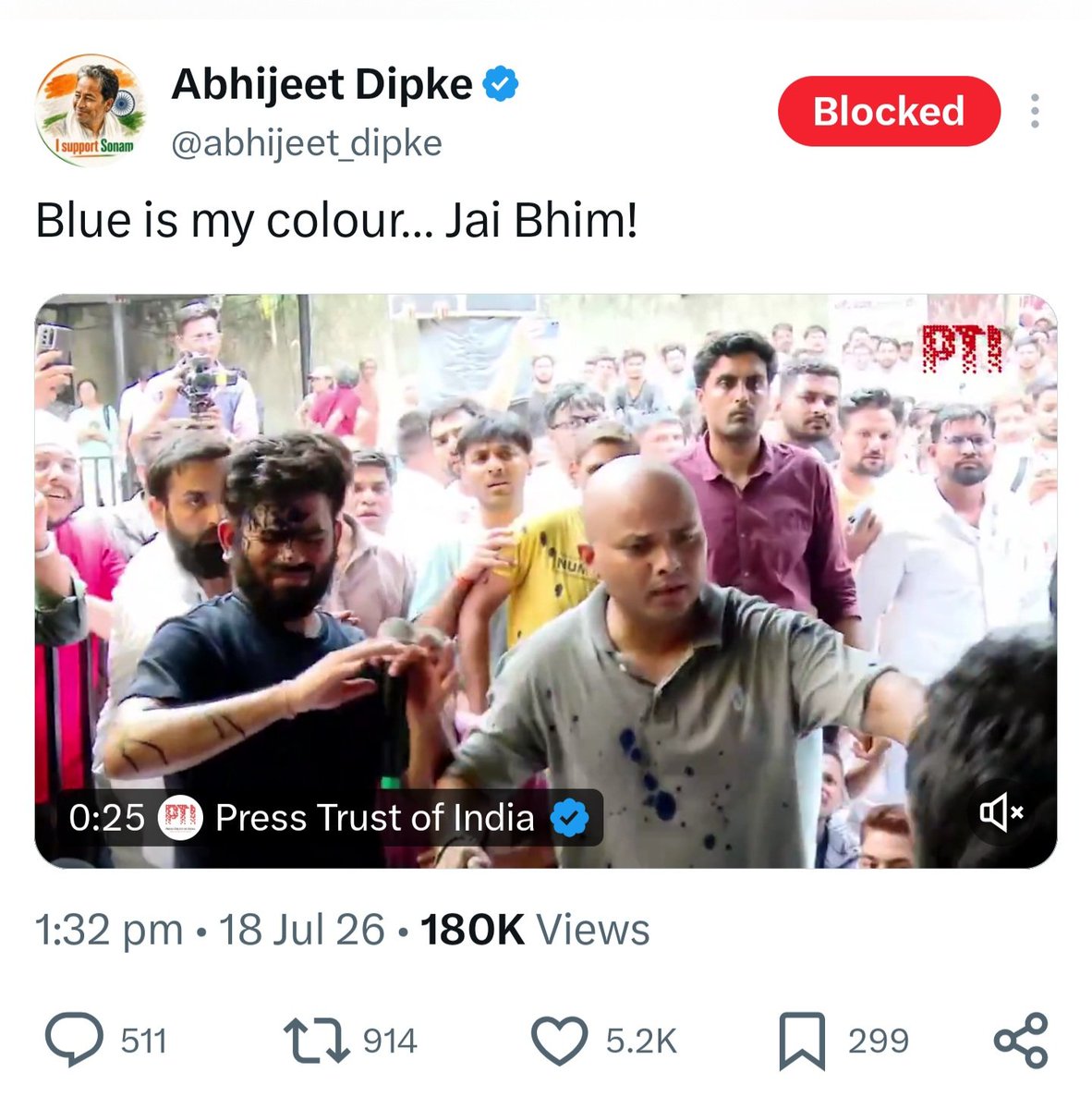
Upper caste youth supported JP, they got Lalu-Mulayam
Upper caste youth then supported Mr Clean VP Singh, they got Mandal Commission
Then they supported Anna andolan, they got AI video of Babasaheb blessing Kejriwal
Now upper caste youth supporting CJP will get private sector reservations
One thing is clear: upper caste youth have no "merit" in understanding politics 😂😭
Yes, Britain famously transferred wealth to India. When British arrived in India its share of the world economy was 4%. When they left in 1947, they had taken it to 23%, roughly equal to all of Europe combined.
On a serious note.
The Indian railways were financed entirely by bonds sold on the London Stock Exchange. British investors were guaranteed a return of 5% per annum by the colonial government. A guaranteed return, in an era when no other safe investment in Britain offered anything close. And who guaranteed those returns? Indian taxpayers. Indians paid for the construction. Indians paid the guaranteed profits to British shareholders. Indians paid for the equipment, which was manufactured exclusively in Britain and shipped to India at inflated prices. One mile of Indian railway cost twice what the same mile cost to build in Canada or Australia, because the guaranteed return meant there was no incentive to control costs. The more it cost, the more British investors and suppliers earned.
And what were these railways designed to do? Move raw materials from India’s interior to ports. Cotton from the Deccan to Bombay. Jute from Bengal to Calcutta. Coal from Bihar to wherever the Empire needed it. Tea from Assam to London’s drawing rooms. The routes connected mines and plantations to harbors. Not cities to cities. Not people to opportunities. Raw materials to ships. The Indian public’s transportation needs were, as Shashi Tharoor put it, entirely incidental.
Oh, and the railways also moved troops. Very efficiently. So that when Indians protested being looted, the British could deploy soldiers to shoot them. That was the other “infrastructure investment.”
But wait, there is more. Before the railways, India had the world’s finest textile industry. The British smashed the looms, broke the weavers’ thumbs (this is not metaphor, this is documented history), imposed tariffs on Indian cloth, and shipped raw cotton to Manchester to be manufactured into garments that were then sold back to Indians. India went from being the world’s largest textile exporter to an importer of British cloth within a generation.
The Bengal Famine of 1943 killed an estimated 3 million people. Churchill diverted food supplies from Bengal to already well-supplied British troops and European stockpiles. When informed of the famine, his response, on the record, was to ask why Gandhi had not died yet. This is the “infrastructure investor” Musk is defending.
India contributed 2.5 million soldiers to fight in two World Wars on Britain’s behalf.
So let us summarize the colonial “investment” in India. They took a 23% global economy and left it at 4%. They destroyed the world’s finest textile industry. They built railways with Indian money, for Indian resources, generating British profits. They engineered famines that killed millions. They drained an estimated $45 trillion in today’s value over 200 years.
That’s some unprofitable adventure.
जो अब मैं लिखने वाला हूँ, उससे कांग्रेस वाले भी बीच-बीच में खुश होंगे और भाजपा वाले भी। फिर कुछ पैराग्राफ बाद दोनों नाराज़ भी हो सकते हैं, क्योंकि उन्हें समझ नहीं आएगा कि मैं आखिर किस तरफ हूँ।
भारत में भ्रष्टाचार है, भाई-भतीजावाद है, अक्षमता भी है। लेकिन हर बार किसी व्यवस्था के लड़खड़ाने को केवल घोटाले का नाम दे देना भी वास्तविक समस्या से ध्यान हटाने का एक तरीका है।
सबसे पहले Coempt की बात। सोशल मीडिया पर उसे फर्जी कंपनी तक कहा गया। लेकिन उपलब्ध जानकारी के अनुसार कंपनी कोई रातों-रात बनाई गई इकाई नहीं है। वह वर्षों से काम कर रही है, उसके कर्मचारी हैं, उसका ट्रैक रिकॉर्ड है।
और जनाब सरकारी निविदाओं में किसी कंपनी को इसलिए बाहर नहीं किया जा सकता कि लोग उसे पसंद नहीं करते। यदि उसने पात्रता की शर्तें पूरी की हैं, तो कानूनी रूप से उसे भाग लेने का अधिकार है।
यही वजह है कि "इसे काम क्यों दिया गया?" और "इसे कानूनी रूप से काम दिया जा सकता था या नहीं?" ये दोनों अलग प्रश्न हैं।
फिर प्रोफेसर सदागोपन का नाम बार-बार उछाला जा रहा है। भाईसाहब आज हर देश में किसी कंपनी को यदि सरकारी व्यवस्था या सार्वजनिक संस्थानों के साथ काम करना है, तो वह ऐसे लोगों को अपने साथ जोड़ती है जो उस क्षेत्र को समझते हों, जिनके पास अनुभव हो, जिनकी विश्वसनीयता हो और जो संस्थागत प्रक्रियाओं को जानते हों।
यही कारण है कि दुनिया भर की कंपनियाँ पूर्व नौकरशाहों, पूर्व नियामकों, पूर्व सैन्य अधिकारियों और पूर्व सरकारी विशेषज्ञों को सलाहकार या निदेशक बनाती हैं। आज की बड़ी AI कंपनियों से लेकर बैंकिंग और रक्षा क्षेत्र तक में यह प्रथा दिखाई देती है।
अडानी, अंबानी के बोर्ड ऑफ डायरेक्टर में सेवा निवृत लोगों की भरमार है। और यह कांग्रेस के ज़माने में भी था।
अब कंपनी की क्षमता की बात। हो सकता है Coempt कोई टीसीएस या इन्फोसिस जैसी विशाल कंपनी न हो। हो सकता है वह एक सामान्य भारतीय सॉफ्टवेयर सेवा कंपनी के स्तर की रही हो। लेकिन यहाँ भी एक प्रश्न है। क्या भारत में किसी कंपनी के पास पहले से दो मिलियन उत्तर पुस्तिकाओं के इस पैमाने पर डिजिटल मूल्यांकन का अनुभव था? शायद नहीं।
इसलिए यह कहना कि "फलाँ बड़ी कंपनी को दे देते तो सब ठीक हो जाता" भी उतना सरल नहीं है। आपने और हमने आयकर पोर्टल से लेकर अनेक सरकारी तकनीकी परियोजनाओं में बड़ी इन्फोसिस और टीसीएस आदि को भी संघर्ष करते देखा है।
यहीं पर मुझे NIC, CERT-In और पूरे सरकारी तकनीकी ढाँचे की भूमिका अधिक महत्वपूर्ण लगती है। यदि परियोजना राष्ट्रीय स्तर की थी, तो जोखिम का मूल्यांकन किसने किया? क्षमता परीक्षण किसने किया और इन सब की निगरानी कौन कर रहा था? यदि पूरा दोष केवल एक निजी कंपनी पर डाल दिया जाए, तो सरकारी संस्थाओं की जिम्मेदारी गायब हो जाती है, जबकि इतनी बड़ी परियोजना में जिम्मेदारी साझा होती है।
मेरे हिसाब से इस पूरे विवाद का सबसे बड़ा कारण भ्रष्टाचार नहीं, बल्कि स्केल और स्पीड का खतरनाक मेल है।
दो मिलियन उत्तर पुस्तिकाओं को एक साथ डिजिटल प्रणाली में लाना केवल सॉफ्टवेयर का प्रश्न नहीं है। इसमें स्कैनर, सर्वर, नेटवर्क, प्रशिक्षित लोग, बैकअप व्यवस्था सब शामिल होते हैं।
यही कारण है कि पायलट परियोजनाएँ इतनी महत्वपूर्ण होती हैं।
यदि पहले एक राज्य में, फिर एक विषय में, फिर सीमित संख्या में उत्तर पुस्तिकाओं पर यह मॉडल चलाया जाता, तो कमियाँ सामने आ जातीं। मशीनों की संख्या, गति, गलतियां, डेटा प्रबंधन और निगरानी की कमजोरियाँ छोटे स्तर पर पकड़ी जा सकती थीं।
इस प्रकार गलती का दायरा सीमित रहता और सुधार का अवसर मिलता।
इसलिए मेरी राय में इस विवाद का सबक किसी एक कंपनी, किसी एक मंत्री या किसी एक अधिकारी से बड़ा है।
सरकार आजकल सोचती है कि सीधे राष्ट्रीय स्तर पर लागू करो, बाद में सुधार कर लेंगे। कई बार यह काम कर जाता है और कई बार नहीं करता। लेकिन जब नहीं करता, तब नुकसान भी राष्ट्रीय स्तर का होता है।
और इस बार नुकसान भारत के भविष्य का हुआ है।
Calm down kid you did a decent work by highlighting CBSE issues.....you don't know shit about manipur and north eastern insurgencies you don't even have idea about Indian railways there isn't iota of truth in this....
I had hacked CBSE's OSM (On-Screen Marking Portal) in February and had reported the vulnerabilities to CERT-In, but they were unable to patch most of them.
I've written a detailed blog post about it here: https://t.co/qyT23GkTEJ
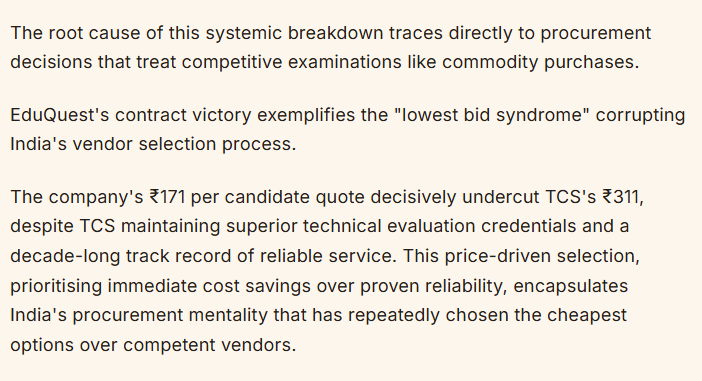
Rs 171 won over Rs 311
To conduct exams they replaced TCS with a cheaper vendor. L1 strikes again. It's the country's mindset of treating everything as Mitti-Baalu.
जिस जीभ से चाटा, अब उसी से पोंछ रहा है। मुसलमान जिसे चाहते थे, सवर्ण जाति का वही व्यक्ति? @BJP4India इस वैचारिक रंडी को कब तक ढोते रहोगे? ये किसी भी बिस्तर पर सो ले रहा है!
क्या यह भाजपा की लाइन है कि बंगाल के सवर्ण मुसलमानों का साथ ले कर सत्ता सुख भोगते रहे? ये है आप लोगों को डैमेज कंट्रोल?
फिर कहोगे कि भाषा खराब है! कोई अवसरवादी दल्ला तुम्हारी पार्टी में बैठ कर ब्राह्मणों को रोज जिहादी की गोद में बैठा अपोर्चुनिस्ट कह रहा है, और समस्या मेरी भाषा से है?
Koi in BJP valo ko smjhao SC/ST seats thi seperate electorate nhi tha , vote sabne diya hai .
Stop doubling down on caste politics
It was a civilisational victory don't bring caste in it
Ek tarfa hindu vote milne par inka ye haal hai
My TL is full of hatred for Dilip Mandal by rw influencers and supporters. I'm curious if they're coping or they actually believe the government's own media advisor is so out of his wits that he posts without blessings from the very top.
This person's biggest contribution to BJP's West Bengal win was keeping quiet during the entire election season.
Now that it is over, this guy is coming out with nonsense takes like this.
The Dalits and STs of West Bengal placed their trust in leaders such as Suvendu Adhikari, Samik Bhattacharya, Agnimitra Paul etc to improve their lives.
It had nothing to do with any caste.
Isn’t it ironic that pouring milk into rivers sparks nationwide debates about “blind faith,” while cases involving coercion, harassment for forced religious conversions, justified by promises of Jannat, are rarely discussed as serious religious wrongdoing?
टीसीएस की एचआर हेड एक मुल्ली थी, नासिक वाले केस में। शिकायत दबा देती थी। शिकायतकर्ता की पहचान आरोपी को बता देती थी।
जब इलसाम जीत जाता है तो ख्वातीन को बुर्के में बंद कर घर में क़ैद कर देता है। बिना परिवार के पुरुष के साथ के घर से भी नहीं निकल सकती है ख़्वातीन।
लेकिन जब जिहाद चल रहा हो तो उन्हें भी झोंका जाता है। पश्चिमी देशों में इलसाम पर टीवी डिबेट्स में अधिकतर मुल्लिया ही बैठायी जाती है।
“हमारे जैसा कमीनापन कहाँ से लाओगे।”
The Censor Board has taken out 24 seconds from Dhurandhar-2. These 24 seconds were visuals of someone (you know who) playing football with the beheaded head of someone (you know who).
The Censor Board in this country is a joke, clownery at its peak.
6 YEARS: FROM COVID TO IRAN
TIME FOR SOME PAINFUL TRUTHS 🚨
Six turbulent years from Covid to the Ladakh standoff to Ukraine war to Trump’s tariff offensive to the current Iran war have exposed a hard truth. India remains dangerously dependent on the world for things a serious power should control at home.
Energy first, since that’s on everyone’s mind right now. India imports about 85% of its crude oil and roughly 50% of its natural gas. We depend heavily on overseas supply chains for critical minerals like lithium, cobalt and nickel that will power the next generation of batteries and energy systems. Any disruption anywhere from the Strait of Hormuz to sanctions on major producers immediately ripples through LPG prices, electricity costs and inflation. The current LPG anxiety during the Iran war is just the latest reminder of how exposed we are.
Defence is worse. Despite decades of rhetoric about indigenisation, India still imports roughly 45 to 50% of its major weapons systems, making it one of the world’s largest arms importers, if not the largest. During the Ladakh standoff with China (which is still on) the country had to rush through emergency purchases of munitions, drones, artillery shells and winter gear because either we don’t make those items or domestic capacity could not surge quickly enough. A country facing two nuclear adversaries should never have to scramble for weapons in the middle of a military standoff.
Pharmaceuticals reveal another uncomfortable truth. India is known as the pharmacy of the world, yet around 70% of our active pharmaceutical ingredients come from outside, including China. During Covid this vulnerability became obvious as India scrambled for oxygen, PPE kits, ventilators and key medical inputs.
Technology dependence is the most alarming of all. More than 90% of advanced semiconductors are imported, most high end AI chips and servers are foreign made, and critical digital hardware depends almost entirely on global supply chains. In an era where AI will define both economic power and military capability, this is a profound strategic vulnerability.
Add fertiliser precursors, rare earths, electronics components, solar modules and specialised machine tools and the list becomes even longer. Each time the world experiences a shock (Ukraine, Iran, Azerbaijan, Covid) whether it is a pandemic, sanctions on Russia, a war in West Asia or rising great power tensions India is forced into code red emergency management mode.
The uncomfortable reality is that true strategic autonomy requires historically painful decisions. Building domestic capacity in energy, weapons, pharmaceuticals, semiconductors and AI will demand huge investment, long term industrial policy, and years of political risk. It may mean accepting higher costs and slower returns in the short term in order to build resilience for the long term.
But India’s election to election political cycle rewards short term thinking. No government wants to take decisions that may, beyond a point, take a decade to pay off. The decisions these crises compel from a country like India will mean a total dismantlement of our politics as we know it today. It will mean a generation of turning the country on its head.
Yet the alternative is worse. As things stand India remains structurally vulnerable. A country that has to scramble every time the world shakes cannot claim true strategic autonomy.
From COVID to Iran, the last six years have made that painfully clear.