Exclusive private tours with @heatherlarnold that follow in the footsteps of the Giants of Aruba highlighting the island’s mystery, history, & archaeology
The civilization of Giants who existed in Ancient Aruba at least 5,000 years ago shared the same symbolism with contemporaneous ancient civilizations found across the globe.
This is not by accident. This is important, and its significance should be studied by archaeologists and not dismissed. Something was going on thousands of years ago across thousands of miles.
But what?
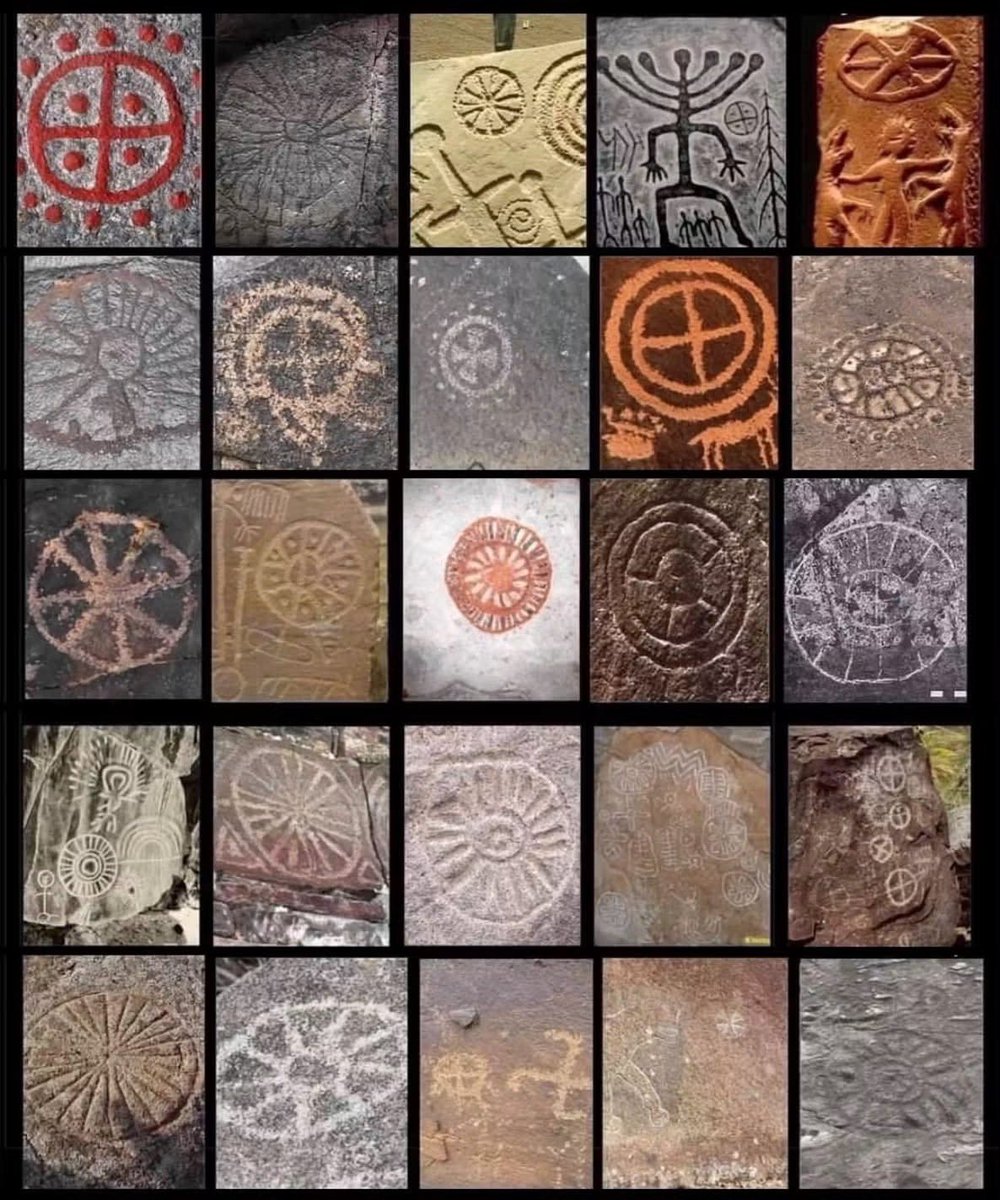
Below is a “solar wheel” pictograph found in Aruba made from white chalk, and a chart showing this same design across multiple places all over the world.
“Various ancient petroglyphs depicting the Sun Cross or Solar Wheel motif, found across different cultures* and geographical regions, dating from prehistoric periods to antiquity.
* Examples of these symbols appear across multiple archaeological contexts, including locations such as Siberia, Italy, Ethiopia, the Indus Valley, Tibet, and North America.” -Jenny Mendes
@AncientAruba
#Aruba
“Aruba: The Megaliths and the Monoliths”
More mysterious drill marks in Aruba.
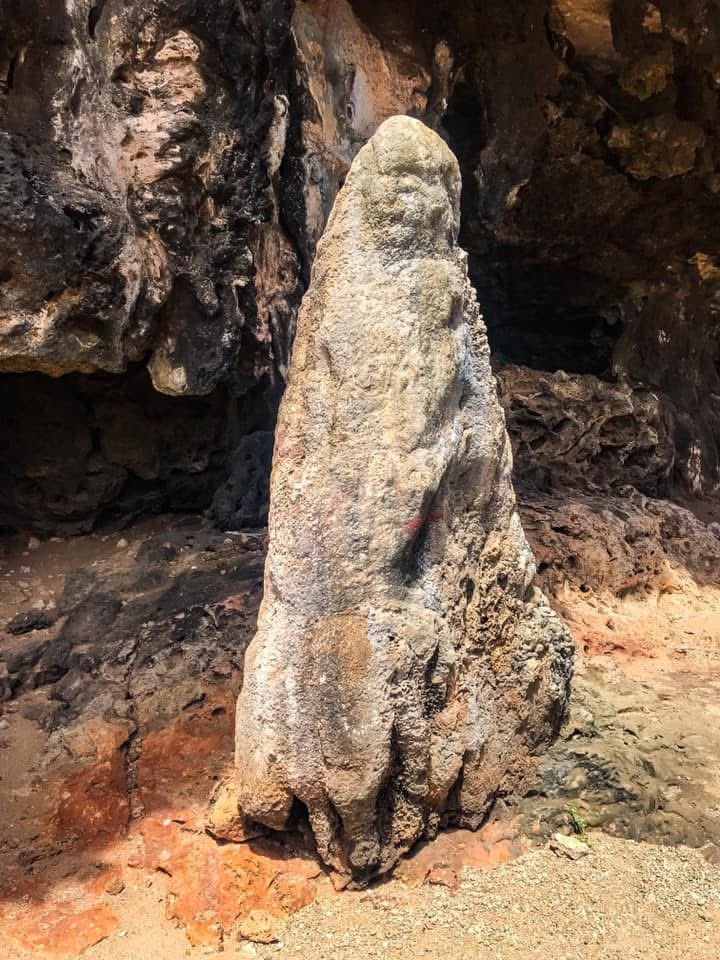
This stone is diorite.
This is a stop on our tour “Quest for the Giants” @AncientAruba#Aruba#Megaliths#Monoliths#Giants
Each day, I will be posting from a series of photos found in my presentation,
“Aruba: The Megaliths and the Monoliths.”
Here is the first one.
Can you spot
a chair
two faces
nubs?
This stone is tonalite.
#Aruba#Megaliths#Monoliths#Giants
Each day, I will be posting from a series of photos found in my presentation,
“Aruba: The Megaliths and the Monoliths.”
Here is the first one.
Can you spot
a chair
two faces
nubs?
This stone is tonalite.
#Aruba#Megaliths#Monoliths#Giants
What does this striking red tree in Aruba have to do with these ancient Aruban cup marks or “cupules”, the oldest form of rock art on the planet?
The two are directly linked through an ancient fertility practice of the Giants.
Curious?
Join me on my 4-hour private tour, “Quest for the Giants: Introduction to the Islands of the Giants.”
Summer Solstice in the Caribbean
In 2024, I discovered an amazing Summer Solstice light event in Aruba that occurs within a diorite rock shelter lined with ochre and black pictographs.
One pictograph stands out as it is an isolated ochre painting of a figure in motion.
As the summer solstice setting sunlight permeates a narrow crevice between the stones, a spectacular light event begins to occur illuminating the foot of the figure. As the sun begins to set, the light beams glide over the body step by step eventually bathing the entire drawing in light.
This is the first such light event I have recorded in Aruba where light and shadow are directed towards a painting on the stones.
What were the Ancients trying to tell us? Why was this celestial event recorded, and why in this manner?
#Aruba #SummerSolstice
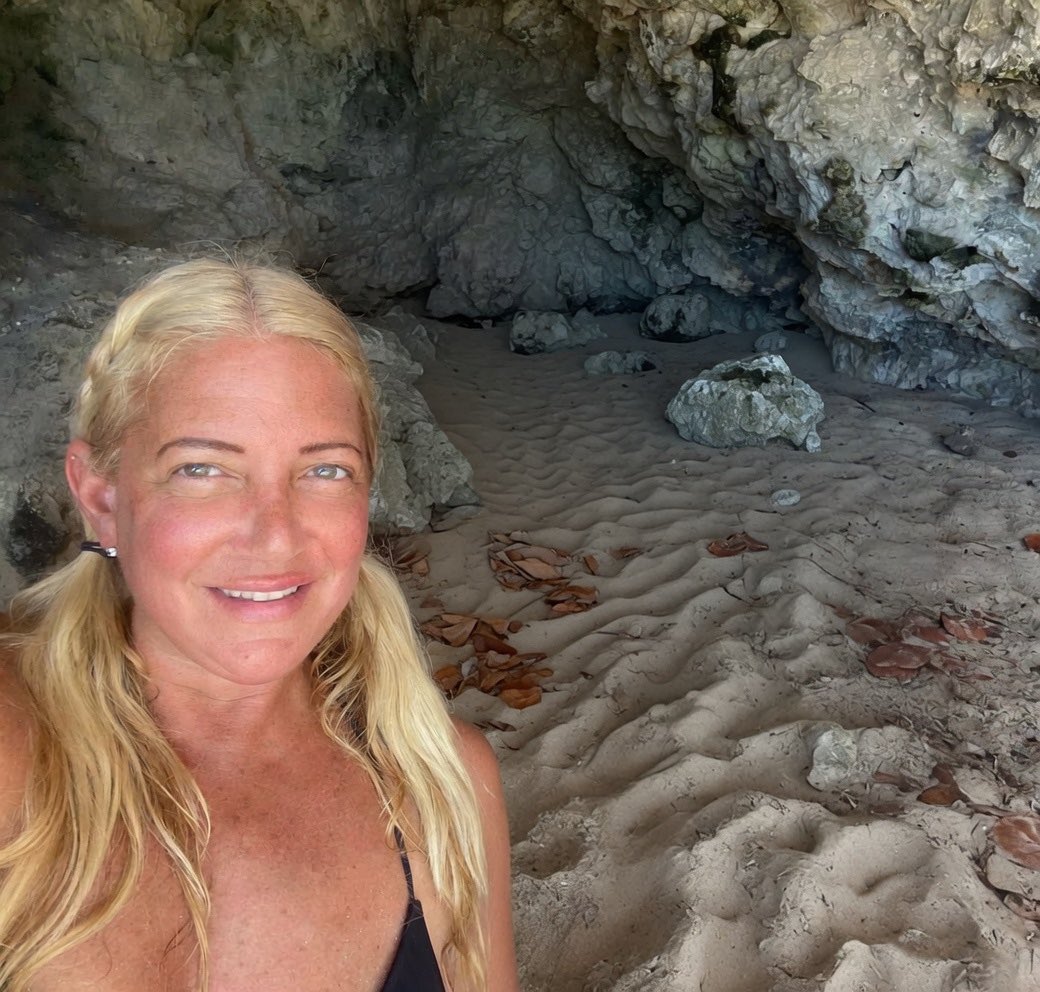
My first time ever inside Hato Cave on the Caribbean island of Curaçao September 2025.
This is the same location where the largest Giant skull was found.
The elongated skull cap alone was 290 mm or 1 foot long.
The Cave is 53,000 square feet and 800 feet long.
There are pictographs and petroglyphs along the base of the cave before you enter.
One is called, “Woman with a Headress.”
#Cave #Giants #Curacao
New business cards arrived today!
I will be back on the island June 15th.
Come join me to explore the ancient mysteries and archaeological sites of Ancient Aruba! 💀🌀
See you in paradise!
#Aruba#Archaeology
Last night, I had the pleasure of being interviewed by the great @wilmiranda85 on his new podcast. We discussed the Islands of the Giants, and touched on the megaliths here in Aruba.
During the show, I gave a shout-out to the indelible @EthicalSkeptic, as his ECDO Theory and its connection to global megaliths has shaped my opinion on the purpose of these precisely positioned stone “clocks.”
#TheIslandsOfTheGiants #Aruba #Megaliths
Sargassum Season in the Caribbean
Because the Caribbean experiences very little seasonal fluctuation in weather, different times of the year are often delineated more by recurring events rather than by changes in climate.
These event specific descriptions also serve as warnings and alerts to the local people, and are likely rooted to designations from ancient times.
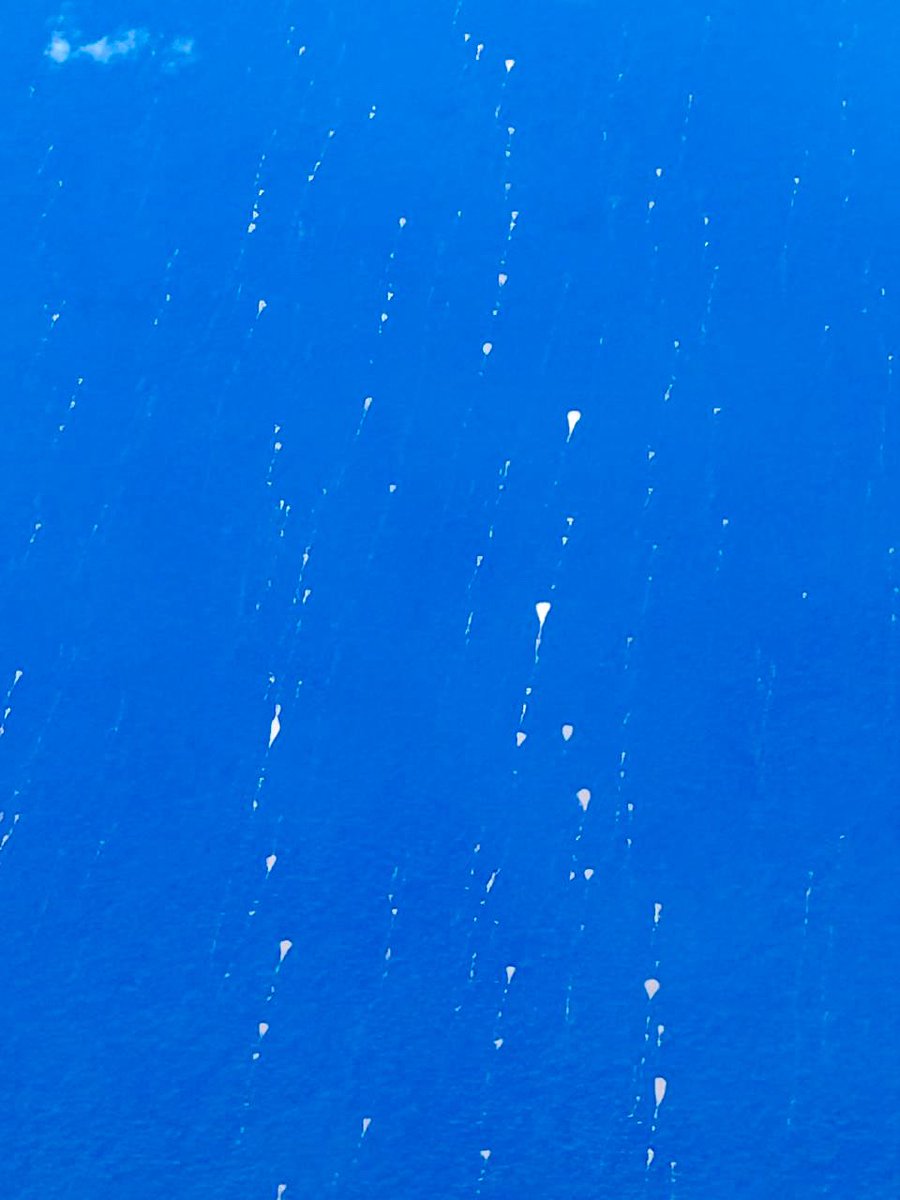
For example, this is Sargassum Season. Due to warm Caribbean Sea temperatures, sargassum blooms begin to form. Generally, the conditions for such occur months in advance.
Sargassum Season also correlates with two other concurrent events - Portuguese Man o’War Season, and Turtle Season. Both species interact with the sargassum in different ways — the former using the mats for camouflage, and the latter feeding on them.
This is also the season of “High Winds.” where wind gusts could reach near hurricane level strength. This blows the sargassum to our shores here in Aruba.
The locals have a belief that this is the ocean cleaning itself, and know each year at this time to expect sargassum on our shores.
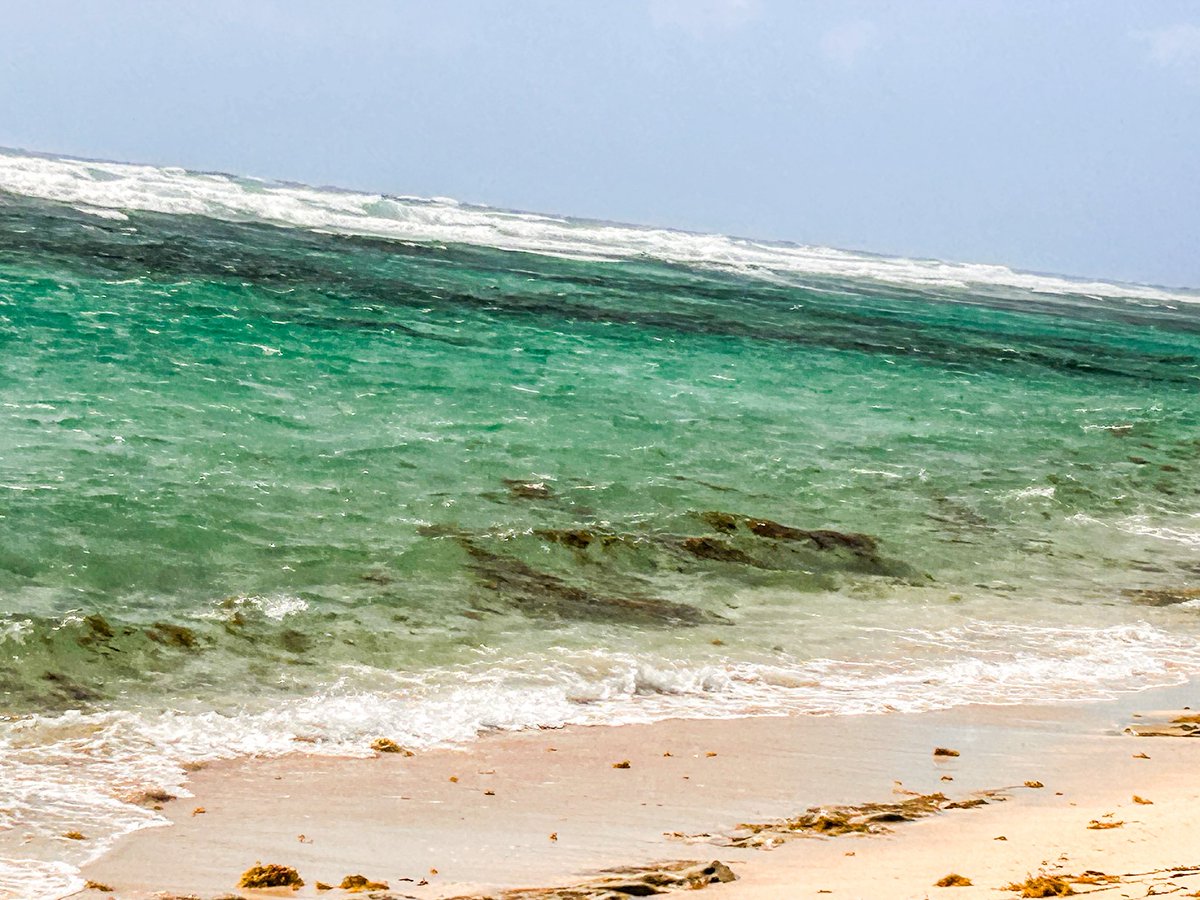
Below is a photo from today at the beach, and a photo I took over the Caribbean Sea from a recent flight where you can see ribbons of sargassum flowing towards the island.
#Aruba #Sargassum #Caribbean
Just outside the entrance of a very sacred cave site on the Caribbean island of Bonaire, is a monolith of limestone carved into a female form. She wears a shroud, and has a visible face and hair. Her feminine presence guards a long forgotten star map pictograph panel within the cave which depicts the skies as they looked over the island of Bonaire at least 5,000 years ago. She is still revered by the local population, with offerings sometimes being left at her feet. She is referred to as the “Divine Mother,” and is upwards of 12 feet tall.
Within the cave are many cupules, as well as more female faces carved into stalagmites and adorned with cup marks. Many sacred places in Aruba and Curaçao also have carved female figures and cupules, mostly located at pictograph sites.
It is my belief that this cave, and its ancient feminine details further show the Giants’ reverence of the female in the form of the Divine Feminine, and ultimately the existence of a matriarchal society.
#MothersDay #Bonaire #Giants
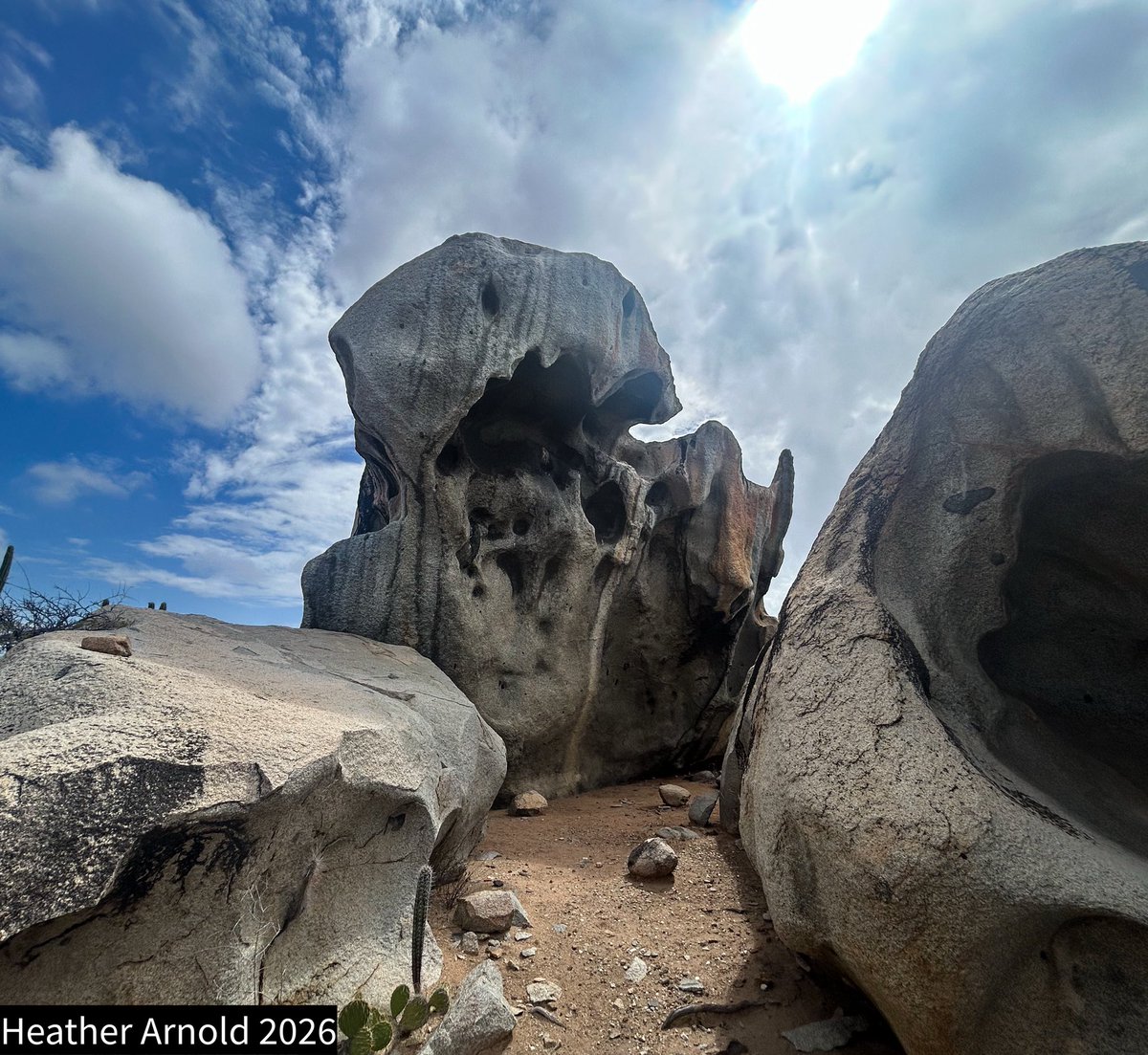
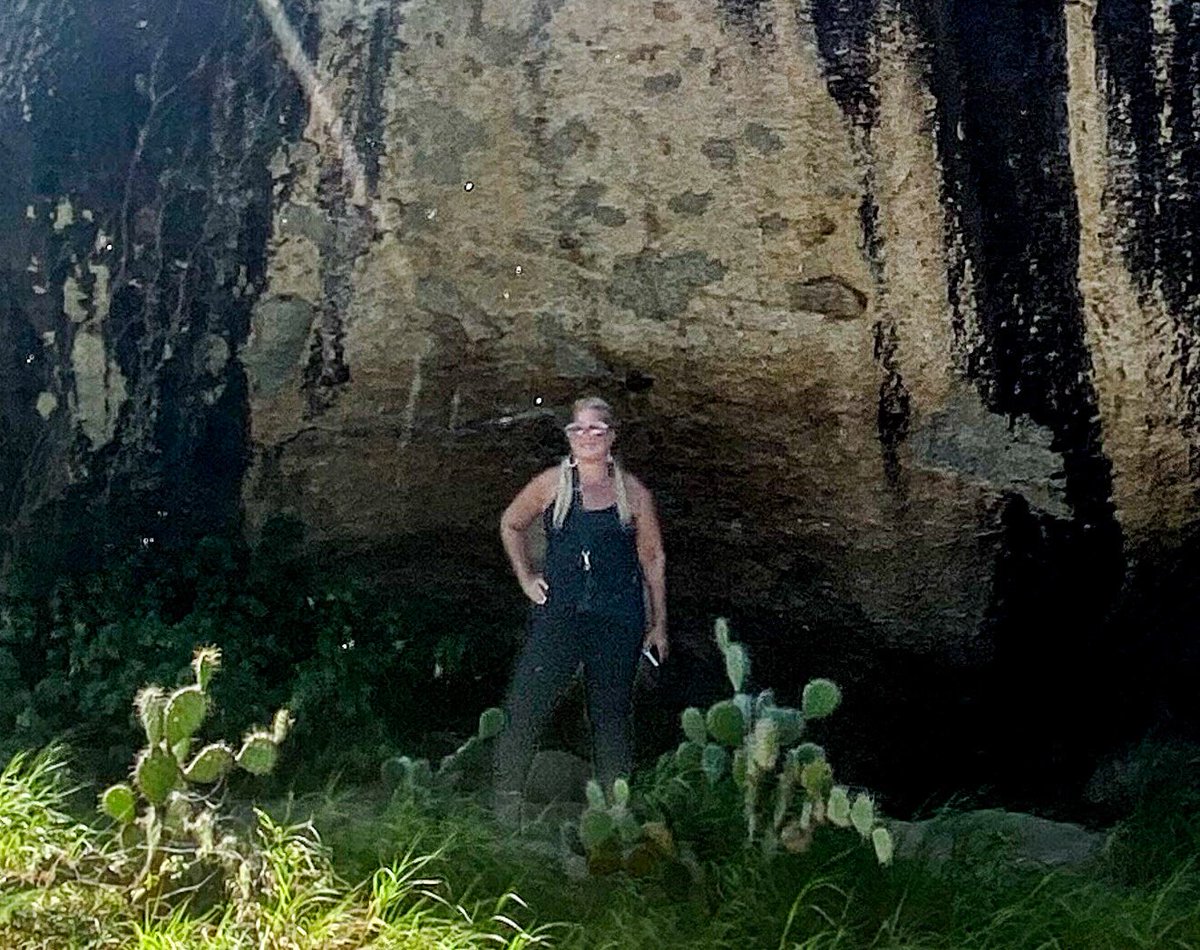
An early morning hike to an ancient and sacred site known as “The Monster” or “Elephant Rock.” There are some faded pictographs in the area, too.
I found two distinct types of artifacts along the way - an ancient piece of archaic pottery and Colonial-period Dutch Delftware ceramics.
#Aruba #Hike
I really question the official narrative.
This is in Aruba.
It’s called “The Gold Mine Ruins.”
Are these the architectural remains of a sophisticated group of archaic Aruba inhabitants known as The Giants from 5,000+ years ago?
We’re told this structure, located on the desolate North Coast facing the ocean, was built in 1870 by the British to smelt Aruba’s gold, which would then be shipped off to Europe.
To be clear, I fully believe that is what it was used for in 1870.
However, ask Grok about the masonry involved in building this structure:
Masonry Style and Construction Technique
“The ruins are frequently described as employing Cyclopean masonry — a style featuring massive, irregular, polygonal or roughly shaped blocks fitted together in a way that evokes ancient megalithic construction.”
What is Cyclopean Masonry?
Cyclopean masonry refers to a construction style using massive, irregularly shaped stones (often limestone or similar local rock) fitted together with little to no mortar or with minimal mortar at the joints. The name evokes the idea of giants (“Cyclopes”) building with enormous boulders, as seen in some ancient structures.”
The masonry is described as “Cyclopean, ancient megalithic construction.” It is composed of diorite and limestone blocks. The largest stones weigh upwards of 5 tons. There is no mortar between the lower, larger stones. Caliche can be seen between the higher, smaller stones on top, which appear more modern—likely from the 1870’s period.
The construction of the “Gold Mine Ruins” strongly reminds me of megalithic sites I’ve seen in Peru and Easter Island: massive, mortarless, precisely fitted ancient-style stonework at the bottom, with newer, smaller, and inferior stone construction added on top.
We’re told the stones were quarried from the surrounding landscape using only hand tools. It’s unclear whether that’s actually true as there’s almost no documentation on how the massive blocks were quarried, transported and hoisted into place. Very little is recorded about the actual construction of the site, aside from how the caliche was mixed.
Here’s an interesting detail I think you’ll find intriguing:
They claim the British built it to resemble a “fortress” to ward off pirates, which conveniently served as cover for its true purpose—gold smelting.
Ingenious…or opportunistic?
Are the British taking credit for ancient megalithic construction that they stumbled upon once they came to Aruba?
Furthermore, what must they have uncovered inside “the fortress,” buried beneath the sands of time?
I’m now searching for other constructions from around 1870 that involved Cyclopean masonry with 5+ ton diorite stones quarried and placed using only hand tools and no mortar.
As of yet, I’ve found none.
Aruba’s Goldmine Ruins are a stop on my tour - “Quest for the Giants: Introduction to The Islands of the Giants,” a 4-hour private tour adventure.
Ancient Aruba Adventures @AncientAruba
#Aruba #Megaliths #Giants
Traditionally, every Easter we hike to an ancient pictograph site recorded in the archaeological report as “The Rabbit Heads.”
White, brown, and red paintings adorn the walls of a lone, hollowed-out diorite boulder.
A striking red ochre concentric circle aligns perfectly with the setting sun on the Spring Equinox — very fitting for a site featuring rabbit heads!
The entire floor is strewn with ancient fossils of sea life and coral, which were carried in from approximately three miles away. But why?
This hike is part of my “Quest for the Giants: Introduction to the Islands of the Giants” 4-hour private tour.
@AncientAruba
#Aruba #Easter
Yesterday, US Southern Command alerted Aruba and Curaçao that ever since they have been in the Caribbean during their Venezuelan mission, they have detected a growing number of UAP’s over the islands.
I personally have witnessed many strange objects in the sky, day and night, for many years over Aruba. Often times, they are seen coming out of the water.
What we are supposed to do with this information is unclear.
#Aruba #Curaçao #UAP
https://t.co/T3ecYXchpb
Happy Spring Equinox!
Here are the results of research I conducted in 2023 on the megalith alignments to the vernal equinox sunrise here in Aruba.
#Aruba#Equinox