SP “Ancient Cities" - #digitallearning - #MOOC#archaeology - #OER - co-funded by the ERASMUS+ Programme of the European Union (2017-1-DE01-KA203-003537)
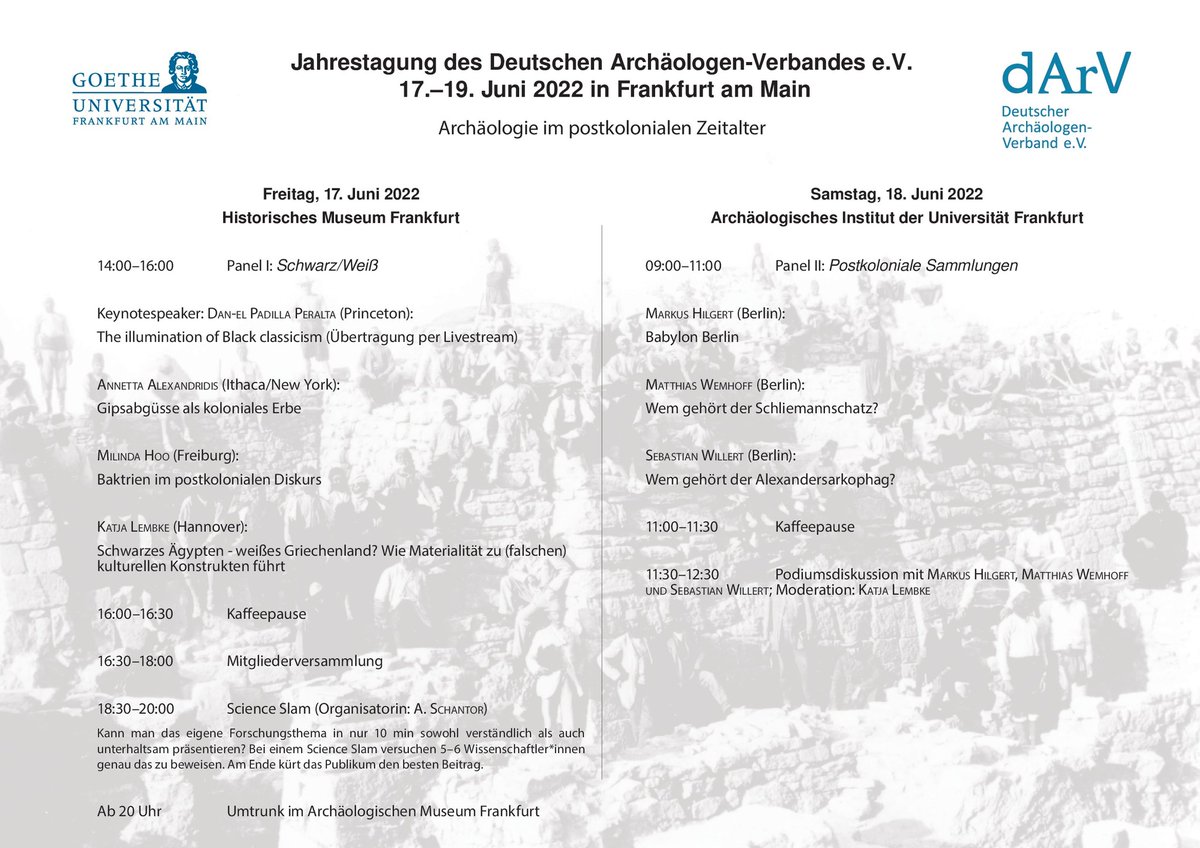
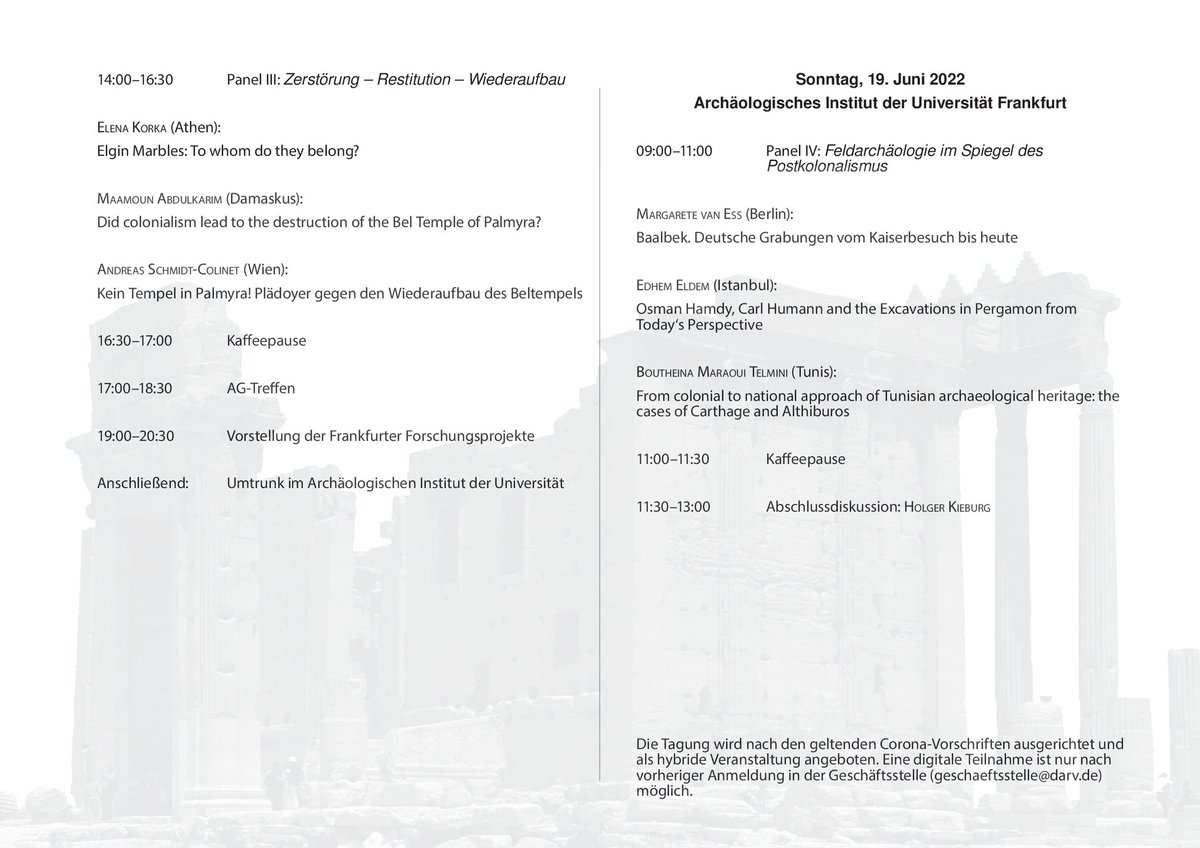
Das finale Programm der Jahrestagung 2022 ist bereit 🥳 wir freuen uns auf die spannende Vorträge und auf eure Teilnahme!
Das Anmeldeformular finden Sie hier: https://t.co/Rou7eY5UgS
📢🎓The massive open online course @dai_weltweit on #RemoteSensing for #Archaeology is now available in English & Arabic! Learn more about Optical & Microwave Remote Sensing, #opensource image repositories & methodologies to map, discover & monitor sites! https://t.co/GkKAEHcU0h
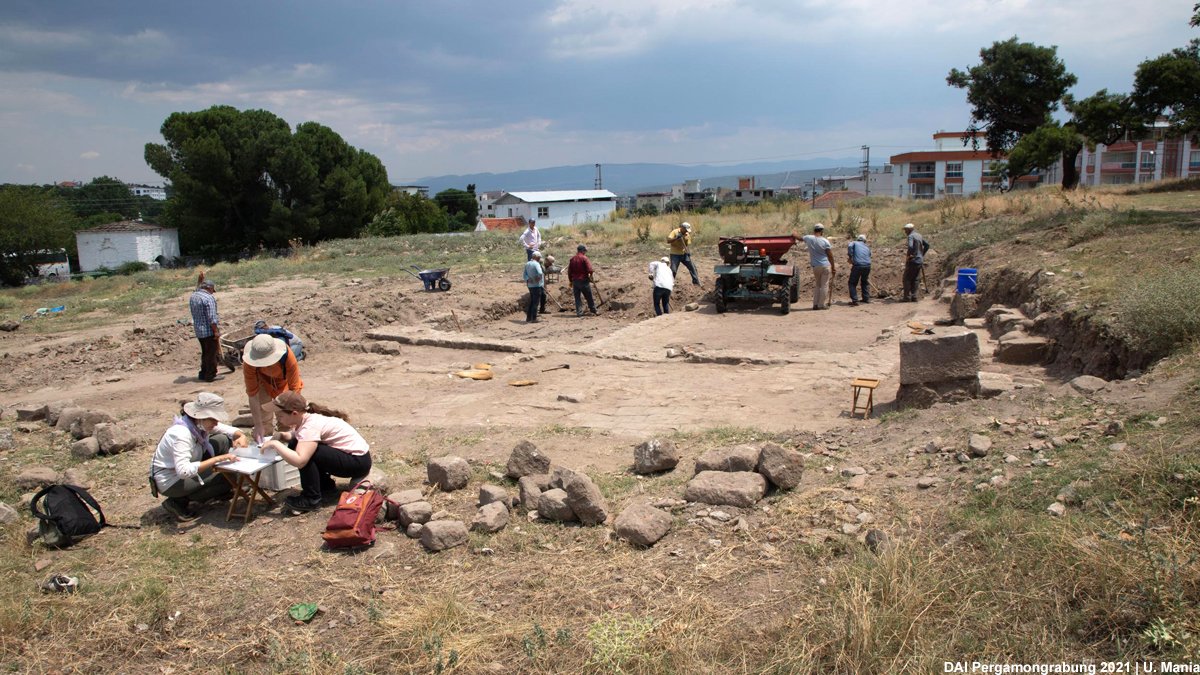
The pandemic still asks for precautions in archaeological #FieldResearch too.
But we're glad some projects could already resume work - and are now reporting back with exciting results. Like e.g. the colleagues from #Pergamon in this recent blog post:
https://t.co/QaciFKohX2
Enrol in the Online Course (MOOC) on "#3D#photogrammetry with #UAV" @dai_weltweit for #culturalheritage experts. Learn in your own time & free of charge in English or Arabic. The courses are designed with the help of Stunde Null & #KulturGutRetter. https://t.co/VGI7Y2U9ak
A new #PergamonDigitalMap has been published by the DAI #Pergamon Excavation in cooperation with Museum #Bergama, @HsKANews and @KITKarlsruhe.
The digital versions of the new archaeological #map are dynamic and will be continuously updated accordingly:
https://t.co/diIkvyfuN7
Enrol in the Massive Open Online Courses of i.DAI.tutorials for #CulturalHeritage experts & young professionals and learn about „Practical #DataModelling with #OpenSource Technologies“ in your own time & free of charge in English or Arabic. #archaeology
https://t.co/h9g62f7qK3
Every 2nd Tuesday the #Eurasia Department invites to a live #VideoDiscussion of latest excavation and research news from the Danube to the Pacific, and the Arctic Ocean to the Persian Gulf.
Find the programme and more details on upcoming events here: https://t.co/nLmbvSiXt7
"#Resilience - Dealing with #Crises" - The latest issue of our #ArchaeologyWorldwide magazine's english version is now available, offering a long-term perspective on a current topic: How do societies answer exceptional situations, e.g. such as epidemics?
https://t.co/dWGWi5jZyN
🕑#TCAdigitalErasmus Round 2 of Project Presentations on "Project Market: Digital Realities and Opportunities"!
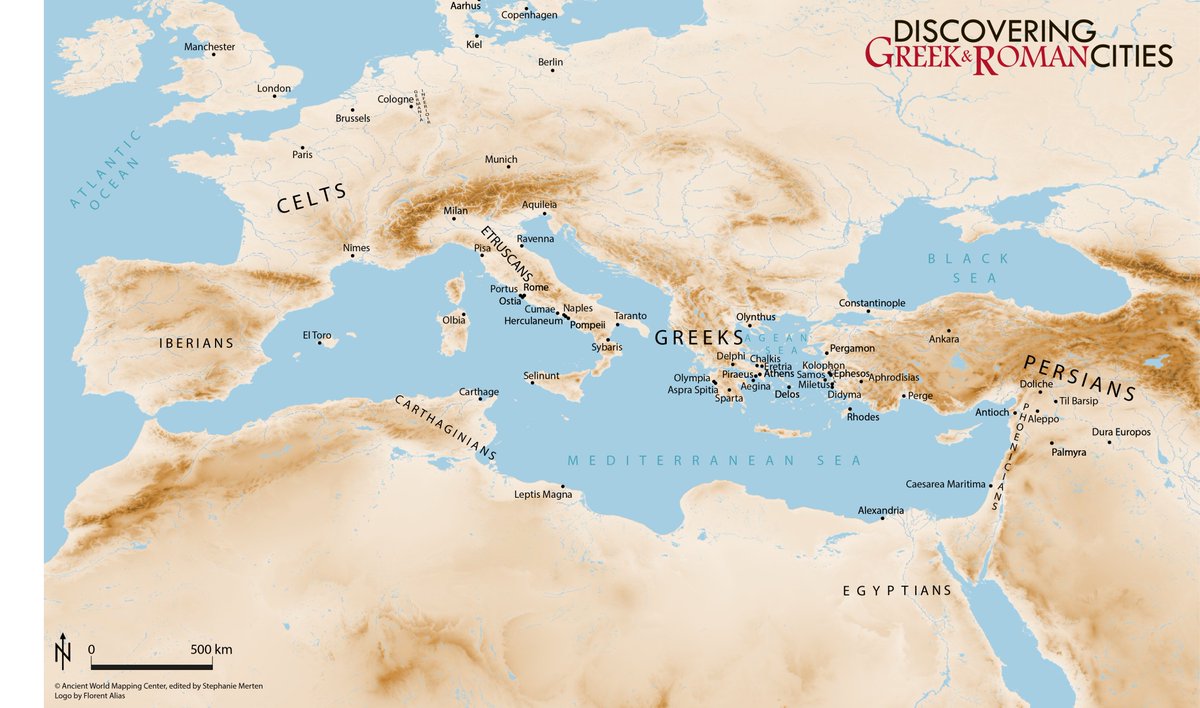
💻Stefan Feuser @kieluni now presenting the MOOC Discovering Greek & Roman Cities produced by @AncientCitiesEU#ErasmusPlus
👇To the MOOC videos
https://t.co/IR7qnQgJn9
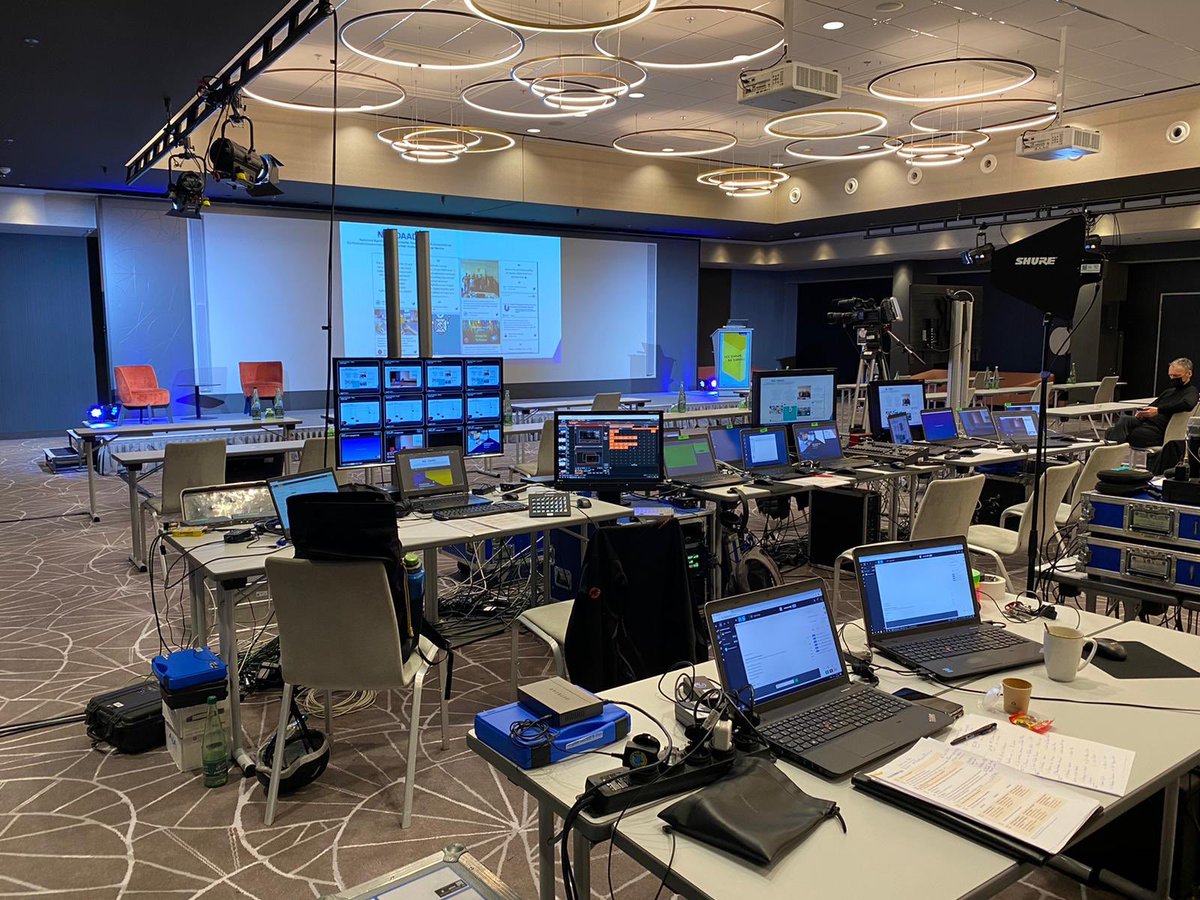
✅All set! We are waiting for you at #TCAdigitalErasmus to exchange knowledge, experience and hence open up new opportunities for and through digitisation! Enjoy the discussions and presentations.
See you soon 😊
😊Tomorrow is the day! We are looking forward to welcome you to the #TCAdigitalErasmus "Teaching and Learning in a Digital Age".
It brings together representatives of projects, interested parties and national agencies to make #Erasmus fit for the future.
https://t.co/uwkHxUVbsQ
Next Tuesdays, November 24th, Stefan Feuser @kieluni presents our MOOC Discovering Greek & Roman Cities at the Transnational Cooperation Activity on #ErasmusPlus Projects: Teaching and Learning in the Digital Age organised by @Erasmus_DAAD
Program at https://t.co/wMqrhNCLK2
“The provenance and chronological range of the cargoes show the importance of the island as a stepping stone in the maritime routes between Greece and Asia Minor.”
Professor @mzarmakoupi and Dr George Koutsouflakis on what Mediterranean shipwrecks tell us: https://t.co/WuBJ7djsNF
Want to learn more about the #everyday life of an #excavation project?
Have a look at the Doliche Diaries, a insightful and colourful presentation of the archaeological excavation at #Doliche in SE #Turkey.
https://t.co/wB1n1Q7pOj
#Archaeology#CulturalHeritage
Celebrating 500+ #subscribers on our #YouTube channel "Discovering Greek & Roman Cities".
Want to #learn more about #ancient Greek & Roman #cities ? Have a look at https://t.co/iKG1tzXvtA