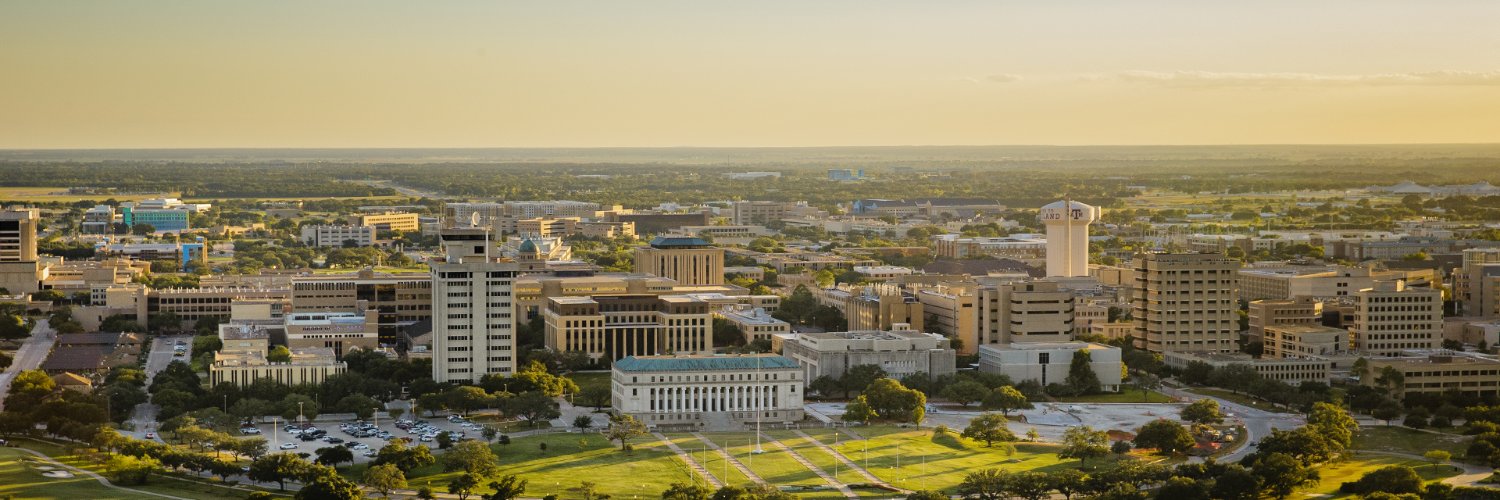
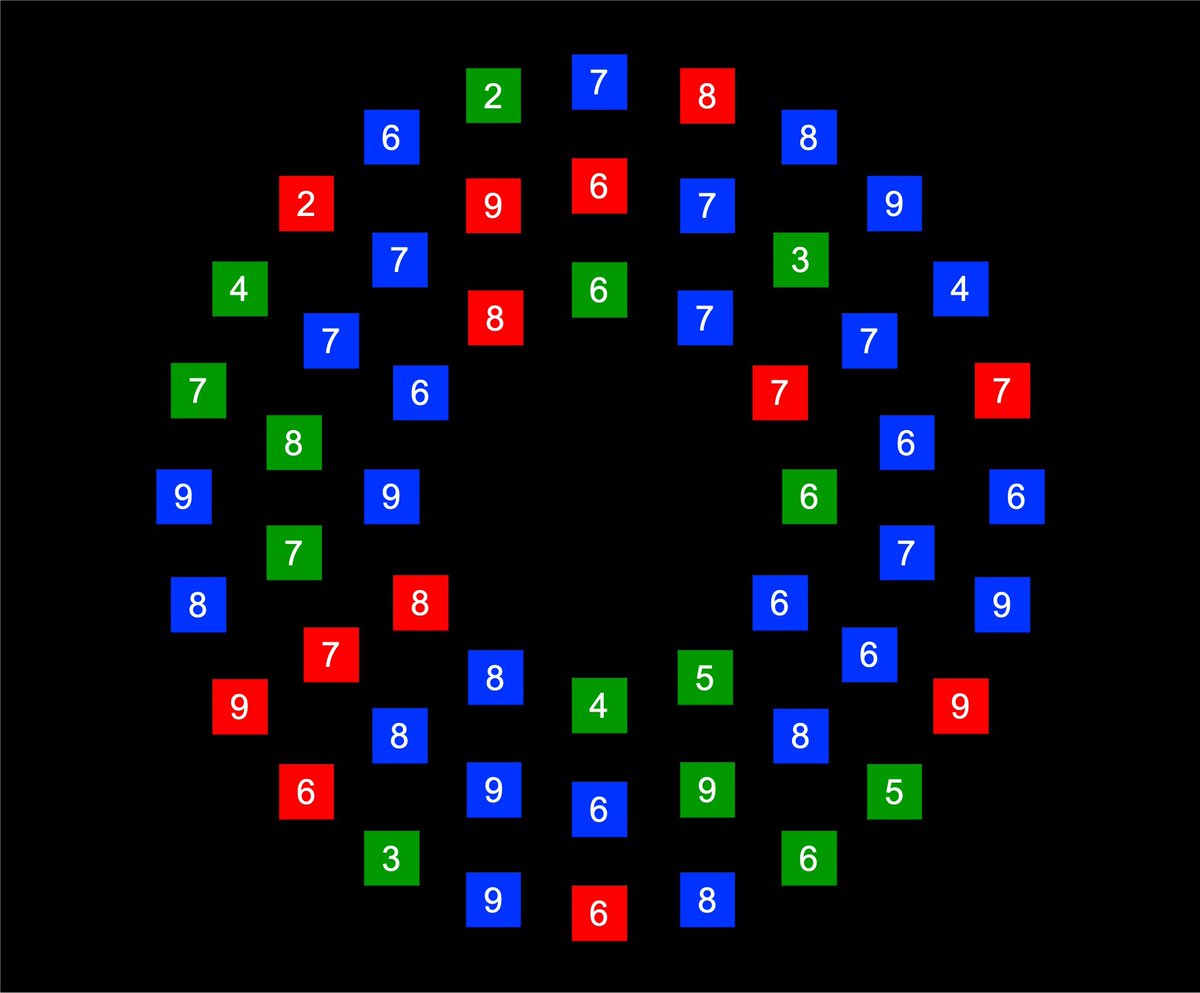
🧵Our experimental study is finally published in the Journal of Experimental Psychopathology! We show that attention is modulated by both reward- and punishment-related distractors, but it remains unclear how this relates to psychopathology!
https://t.co/bORpLn72XA
🧪🍺 Check out our new preprint: https://t.co/uWMsYyop1h We studied attentional biases towards reward stimuli and their implications in psychopathology, especially substance use-related problems. Here's a breakdown🧵:
Statistical learning can enable more optimal search strategies by biasing which features observers choose to search for. This expands our knowledge of how selection history influences the goal-directed control of attention @AndersonTamu
https://t.co/Qw93v7FHxF
Excited to announce a new article at PB&R! We developed a psychophysical metric of salience and then tested it's role in attentional capture. The results might surprise you...
Read more about it on my blog!
https://t.co/HDL7K39xxj
‼️New preprint based on experimental data we collected. Attention is modulated by both reward- and punishment-related distractors, but it remains unclear how this attentional capture relates to psychopathology.
https://t.co/vCLN6zY33R
🚨 Job alert! 🚨 I am looking for a postdoc to study attentional capture and distraction using eye tracking and EEG. This position is for 2 years minimum and will begin Fall 2023 at the University of Missouri.
More details and an application here:
https://t.co/NM8FFonzXS
This summer, I will be teaching an NSF-funded virtual workshop on "R Programming for Cognitive Psychology and Neuroscience" meant for undergraduates and beginning graduate students. More information—including a syllabus and application—can be found here:
https://t.co/umRVyiR4oL
Congrats to our faculty who are new fellows!
Heather Lench and affiliated member Jeff Liew: APA
Jessica Bernard (@BernardLCMNLab), Rebecca Schlegel (@schlegelrj), and Brian Anderson (@AndersonTamu): APS
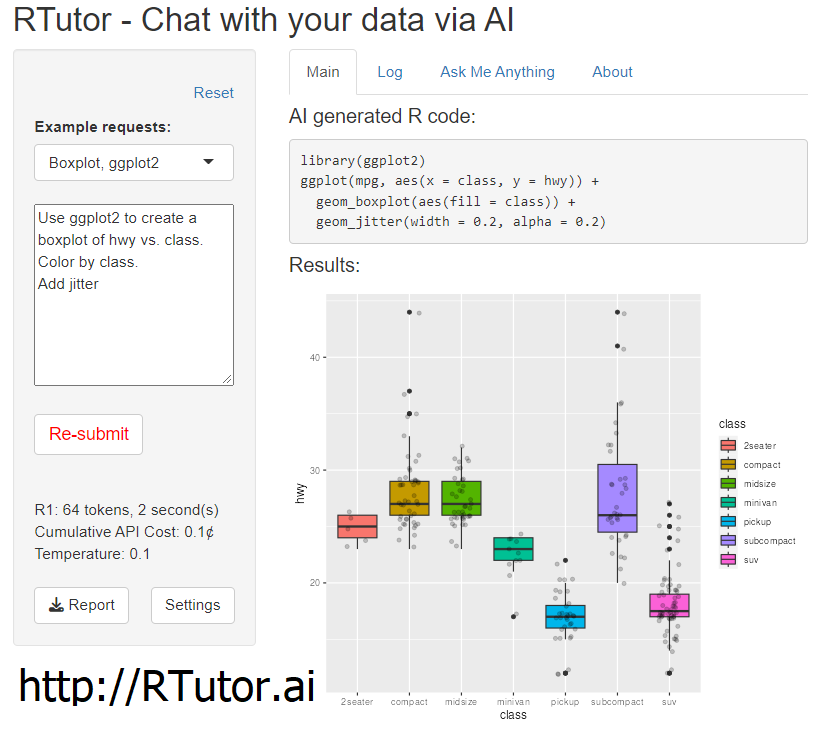
Happy holidays! Introducing https://t.co/Ub3wgs1KVz, an AI-powered app that lets you chat with your data in English! RTutor uses Davinci (#ChatGPT’s sibling) to turn requests into R code, which is executed & results are shown instantly, available as a HTML report in seconds. 1/8
[1/n] Final call: I am offering a free Zoom "Intro to R" data wrangling workshop on January 14th, 2023 after popular demand. I will teach basic base R and Tidyverse. All disciplines and beginner* R skill levels are welcome. @PhDVoice@AcademicChatter@OpenAcademics
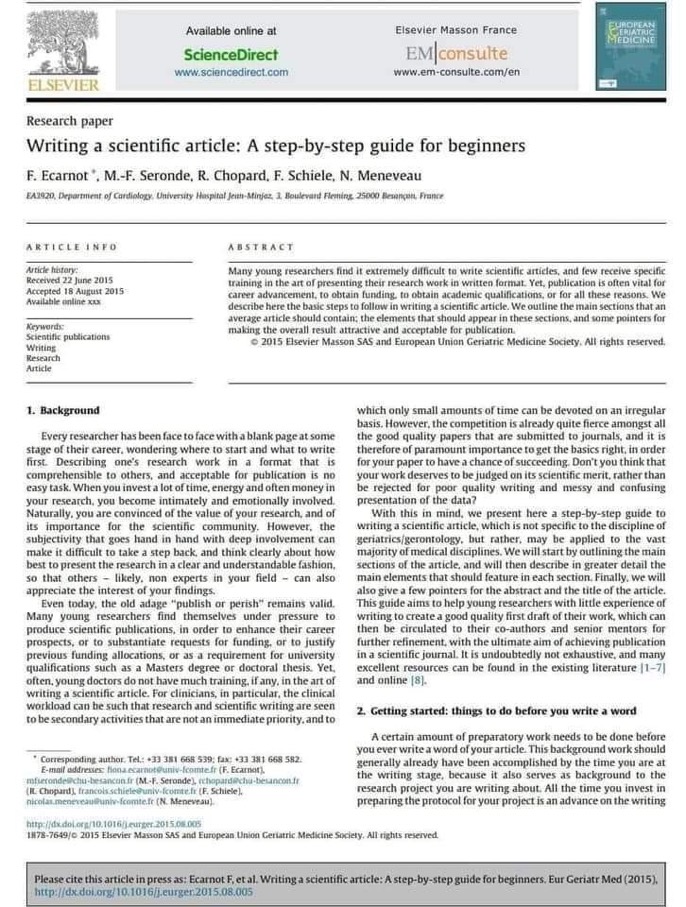
This paper i an absolute gem:
https://t.co/SZo9oOB5AY
Great science, great writing, and a wonderful conclusion about scientific writing.
I laughed out loud multiple times reading it.
Hats off!
👀 Seeking an alternative to Qualtrics 📋 ?
Pavlovia now has a new **Survey Creator**. You can even directly import Qualtrics QSF files!
Watch our Pavlovia Surveys launch webinar here to get started
https://t.co/0eGwzqqyf8
Some chart types are used all the time. Think:
Box plots
Pie charts
Heat maps
Paired bar charts
Correlation matrix
But just because a chart is used all the time doesn't mean it's good for your use case.
Let's explore some alternatives that may work better for you.
Congrats to the winners of the 2nd year poster session and to all the graduate students who presented their work to the Department.
1st Place: Dun Ya Hu
2nd Place: Gregory Vogt
3rd Place: Sonjung Youn
Special Mention: Jasmine Alli, Shannon MacDonald
Cool new study in AP&P showing that both trial-by-trial and blockwise feedback reduce oculomotor attentional capture. Nicely goes along with what we’ve found with in sustained attention https://t.co/4vL1zMDnou @AndersonTamu
Good news if you need to import Eyelink recordings for analysis in R: eyelinkReader package is on CRAN! Import events and samples directly from EDF files, parse them into specific events such as saccades, fixaitions, etc. Works on Mac, Linux, and Windows. https://t.co/0LoxHObCQ4