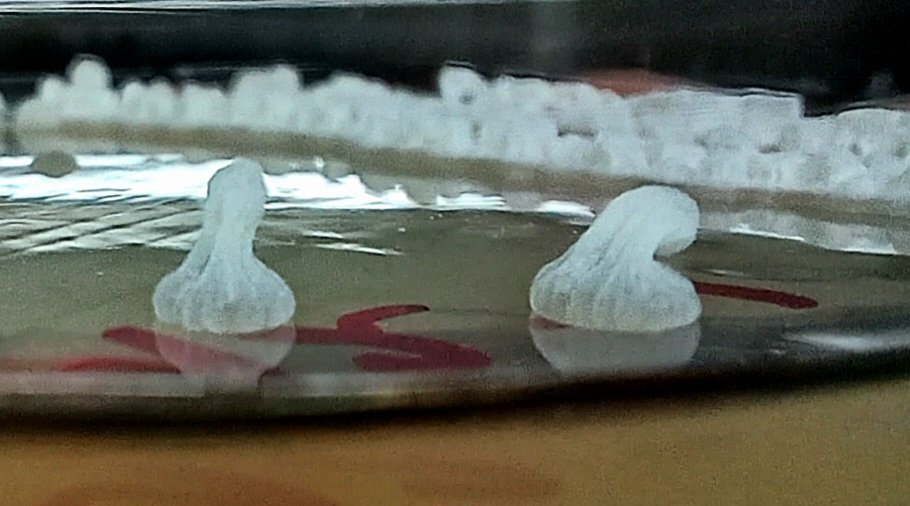
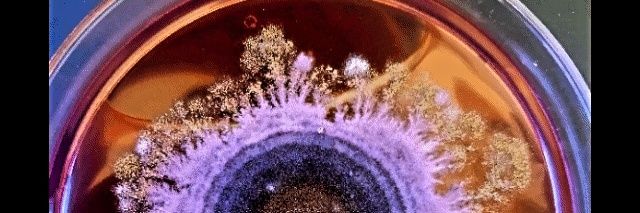
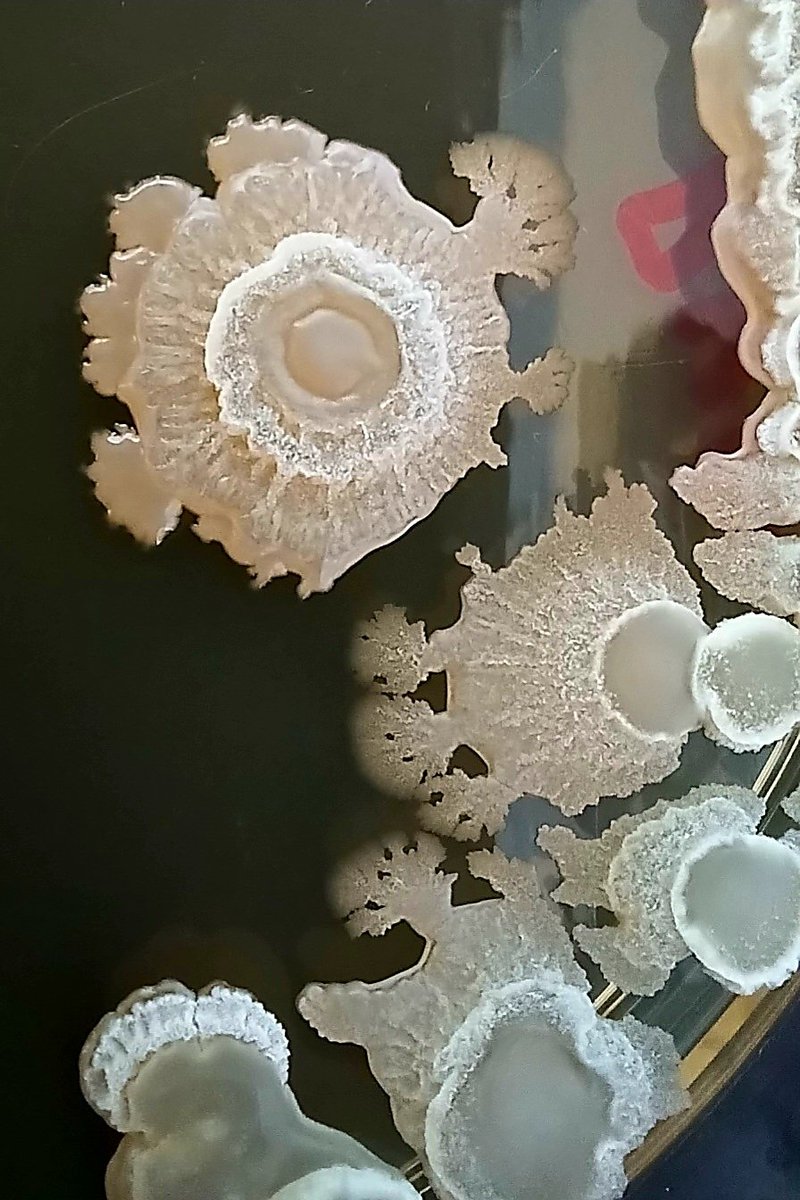
When bacteriophages don’t kill bacteria, they may still weaken them.
Our new study shows that pseudolysogeny in Cutibacterium acnes creates evolutionary trade-offs that reduce virulence and antibiotic resistance, supporting phage therapy for acne.
https://t.co/Sgfxgm3iLJ
Our results suggest that pseudolysogeny may function as a therapeutic evolutionary pressure, weakening bacterial pathogens even when lysis is incomplete.
This could help explain the robustness of phage therapy in microbiome-associated diseases.
🔗 https://t.co/Sgfxgm3iLJ
When bacteriophages don’t kill bacteria, they may still weaken them.
Our new study shows that pseudolysogeny in Cutibacterium acnes creates evolutionary trade-offs that reduce virulence and antibiotic resistance, supporting phage therapy for acne.
https://t.co/Sgfxgm3iLJ
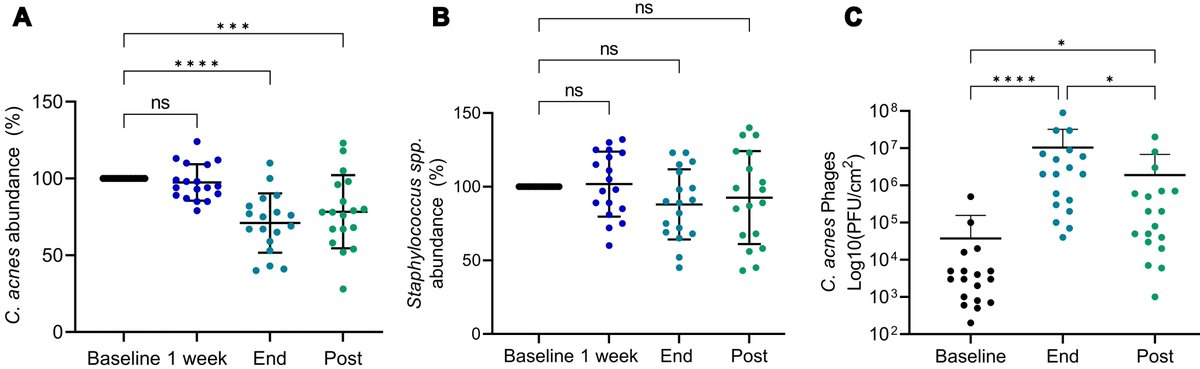
We also evaluated topical phage therapy in volunteers with moderate acne.
Treatment was associated with:
• reduced C. acnes abundance
• decreased inflammatory lesions
• increased phage abundance on the skin
supporting active phage replication in situ.
Our new review discusses the exquisite interactions of enterococci with diverse host tissues and how they shape the behavior of this pathobiont. Great to write this piece with @WeemaMadani@Yusibeska and immuno guru @JCubRuiz@WCM_OBGYN https://t.co/L2wfj700Wg
Environmental engineer Claudia Sheinbaum Pardo has made history by being elected Mexico’s first female president.
Will she stand up for science? https://t.co/5s6ZatOTxE
Gracias de corazón a todas y a todos por dedicar un corazoncito, un RT o unas hermosas palabras a este hilo.
Gracias por hacer posible que una historia como esta llegue a muchas más personas. 😍
#DíaMujeryNiñaenCiencia#11F
👇