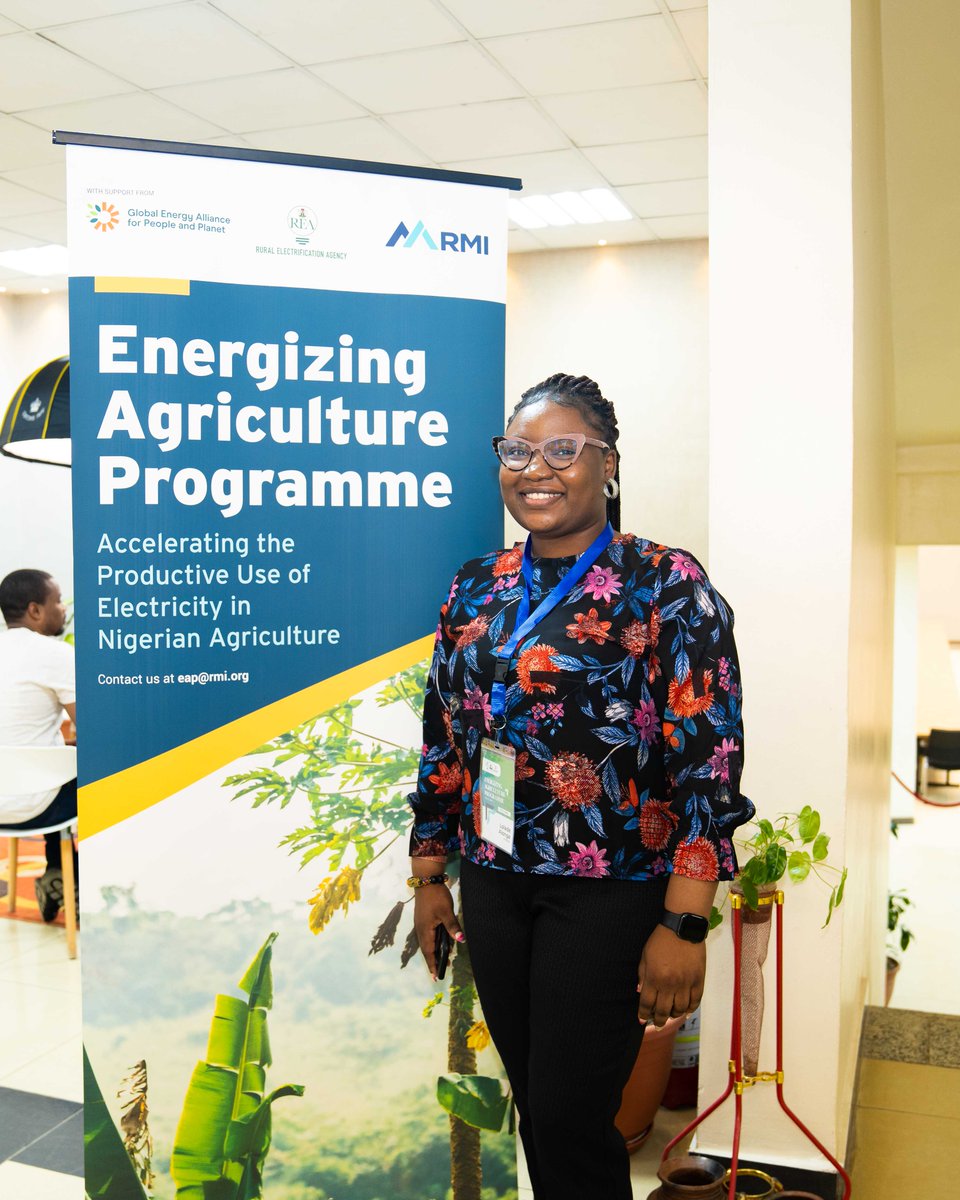
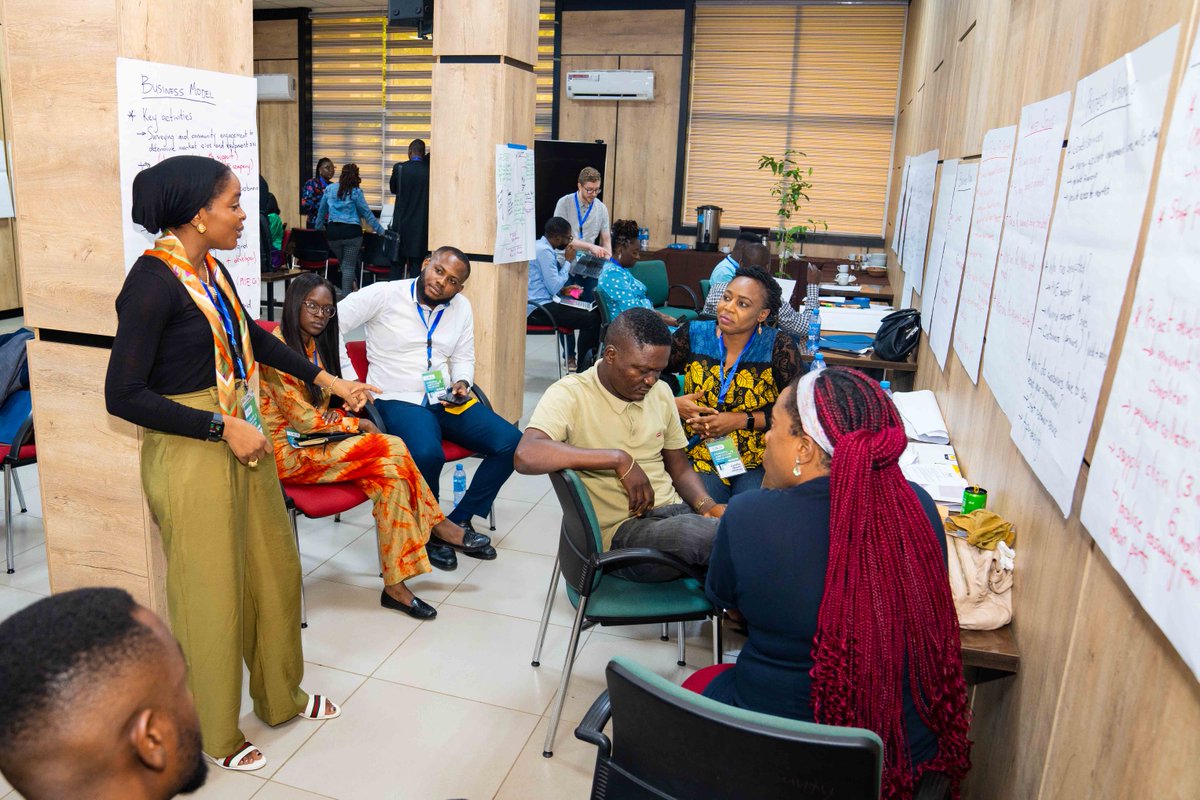
At last week’s bootcamp, 75+ Nigerian energy, agriculture & finance innovators supercharged their ambitions for harnessing #RenewableEnergy to boost agricultural productivity.
Partnerships & plans made 🤝 ✅
More ➡️ https://t.co/5aCdXhrs6I
#EnergizingAgricultureProgramme
Tagging a few folks in the R Twitterverse in case they can help amplify the opportunity. Thank you! @juliasilge, @JennyBryan, @R4DScommunity, @thomas_mock
⚡️💻@RMI_Africa is hiring a fully remote #RStats intern to help us improve energy access in Nigeria. Translate gigabytes of smart meter data from minigrid customers into automated, actionable reports for developers and partners. $20/hr. #internship#energy#SDG7
@Stphn_Lacey @CleanGridView Eager to listen, Stephen, and welcome to the RMI cinematic universe! The Energy Gang gave me a place to learn and belong in the sector when I joined the effort via our Africa Energy Program three years ago. Much appreciation for your work.
Are you passionate about scaling the impacts of clean, affordable, and #resilient energy resources in Global South? 🙌
We're seeking a dynamic program director in #Nigeria, learn more & apply here: https://t.co/7ChTpor0XH #SDG7#ClimateAction#Minigrids
@SamEBNHPR Indeed! This isn't exactly what you're looking for but, here's a study summarizing results from ~80 different dairy farm case studies showing reduction relative to fossil gas: https://t.co/8h0LIzc5vY
(doesn't compare with the compost strategy emissions, but there are #'s)
@SamEBNHPR BUT using land to grow crops just to chuck them in a biodigester to try and go "C negative" is madness. In short... YES to biogas from stuff that would otherwise rot and make methane, *maybe* to some ag plant residues, NO to growing stuff just for biogas
@SamEBNHPR A lot rests on what biomass is going in and what would otherwise happen to it. Some waste could skip biodigestion, be spread in a field, produce some soil C, & some uncaptured CH4 (as opposed to captured biogas that goes on to displace fossil). Worse, it could be landfilled
@SamEBNHPR Admittedly, a lot rests on the assumptions of the Carbon Counter (whoever they are). Relevant ?s: what biomass is going in, what fossil fuel is displaced by the gas, and how much of the effluent C stays put after it's applied as a soil amendment or otherwise stored?
@SamEBNHPR The methanogens in a churning digester are breaking down some (not all) of the fresh biomass into gas. If the liquid output of the digester goes into the soil or is otherwise sequestered, then you've got a carbon negative term in the balance. Fresh biomass->gas + C-rich effluent
How can electrifying agricultural processes help foster a better life for Ethiopians? 🌱
Our team partnered with the @IKEAFoundation to work with over 50 communities & analyze 21 processing activities.
Explore the findings. https://t.co/v96FPNwfDM
I passed my doctoral defense! Next, putting @thayerschool training to work full time with @RockyMtnInst in sub-Saharan Africa.
Here's a recording of the talk, "Bioenergy and Minigrids for Sustainable #HumanDevelopment", https://t.co/8942FO948t
How can we harness energy systems to slow global warming & support a more equitable global energy transition?
Tune in TOMORROW to hear @AndrewAllee, RMI Africa Research Fellow, speak to his research uncovering minigrids & bioenergy as solutions.
➡️ https://t.co/jdnGzOSXrr
Thanks to my mentors Lee Lynd and Vikrant Vaze at the @thayerschool for sticking with this years-long side project. It's fun to see it out in the world.
What makes one country's #FoodSecurity higher than another's? We find that households' ability to buy stuff matters a lot. A country's agricultural land and productivity matter much much less. #OpenAccess
https://t.co/Pmn6qrrn3G
If interventions focus solely on improving smallholder yields without a mechanism to translate increased productivity into increased income, then our models would expect that national food security wouldn't budge much in the long run.