The Climate Livestream is going on! There have been a lot of terrific talks so far.
My talk on "How science really works in three easy steps" is next, starting at 10:40 pm ET.
Watch here: https://t.co/wMzVQE05gG
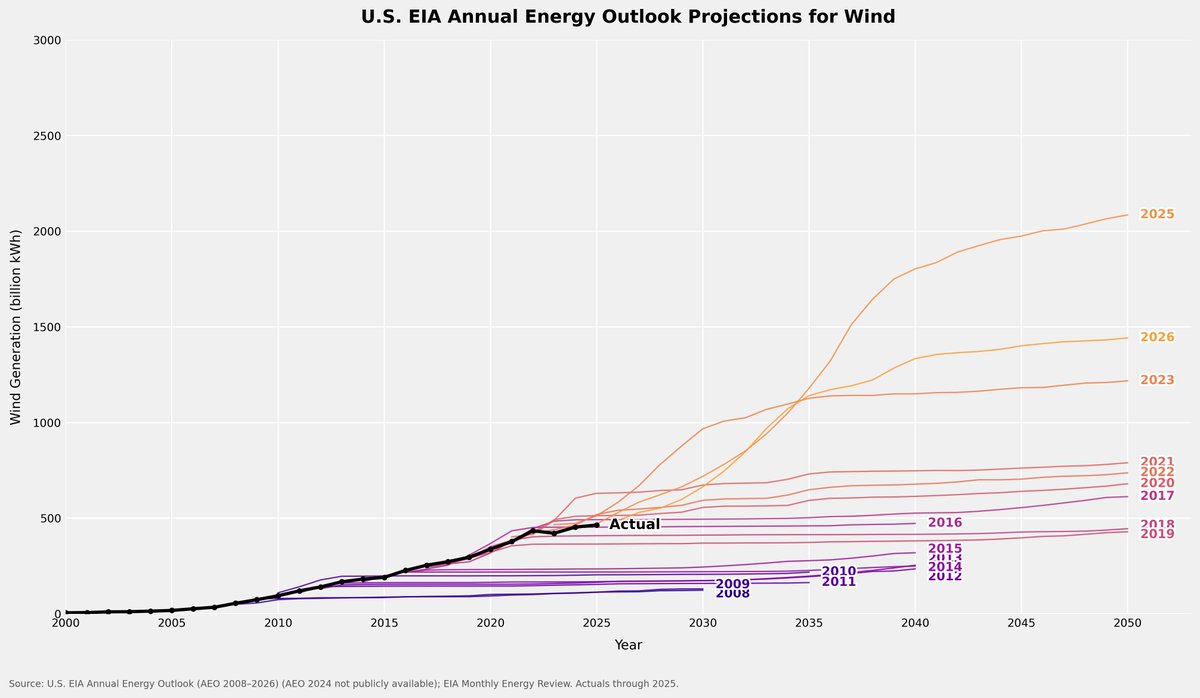
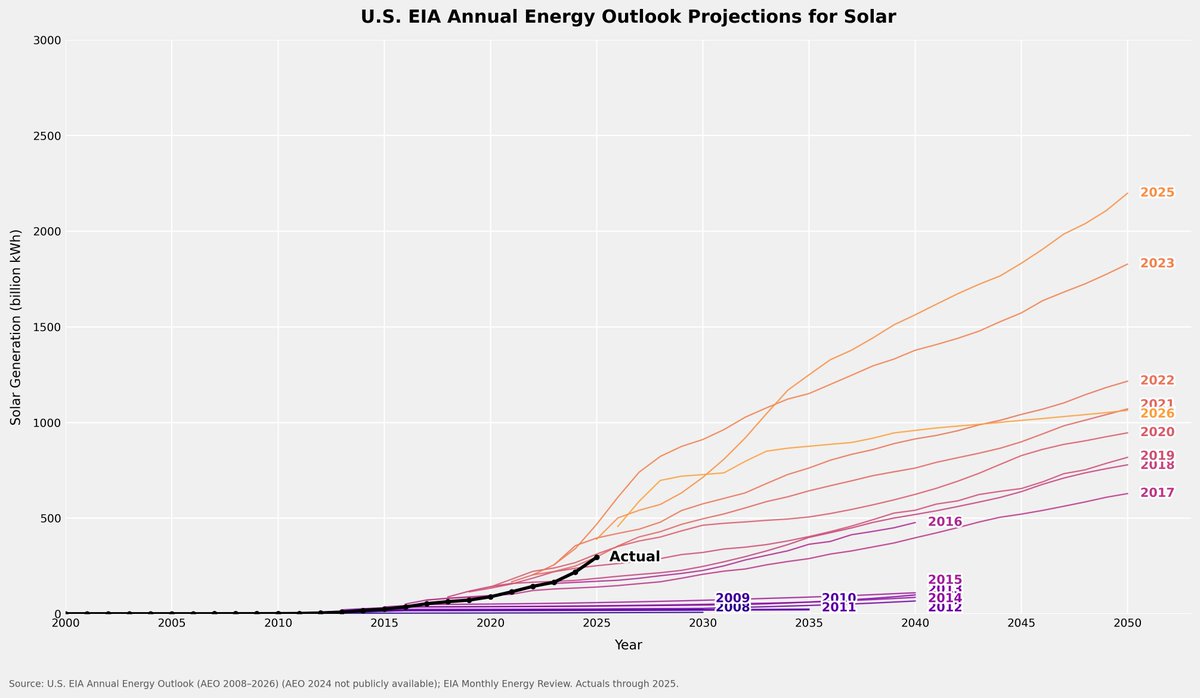
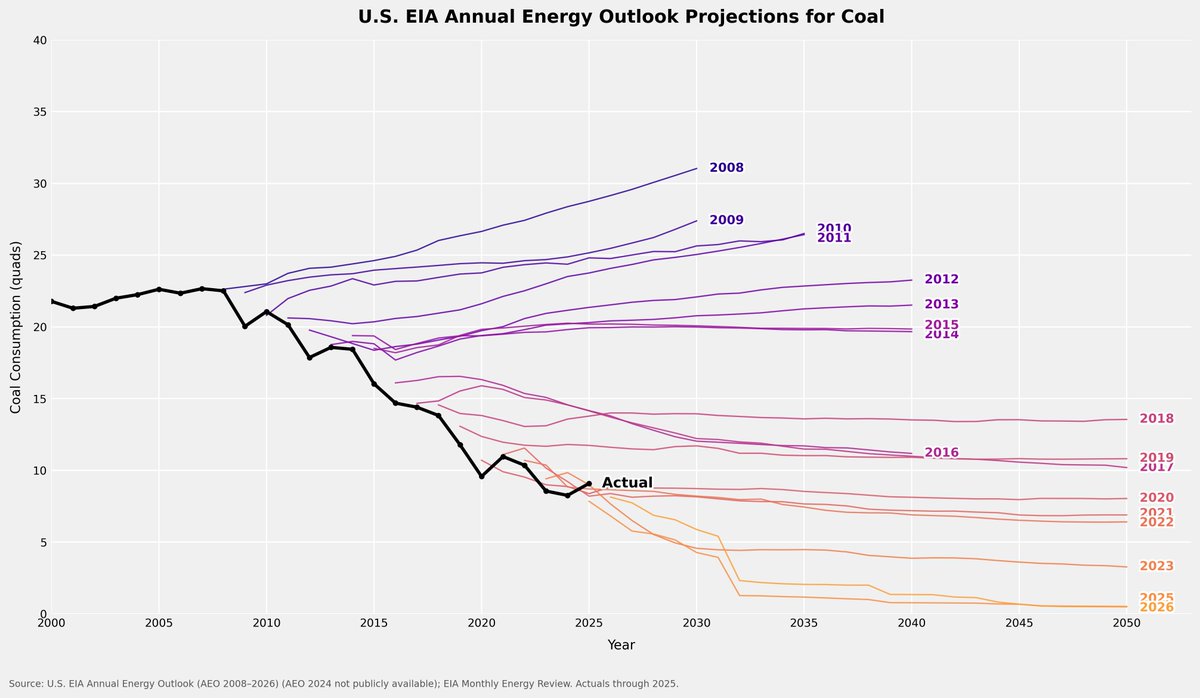
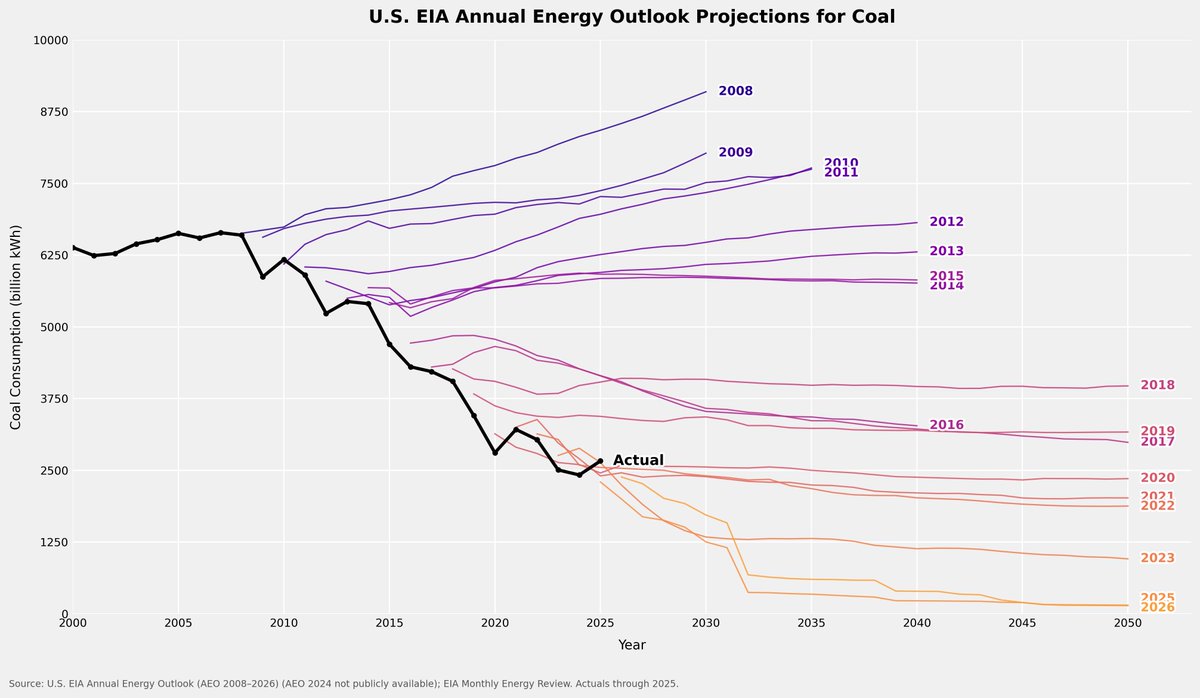
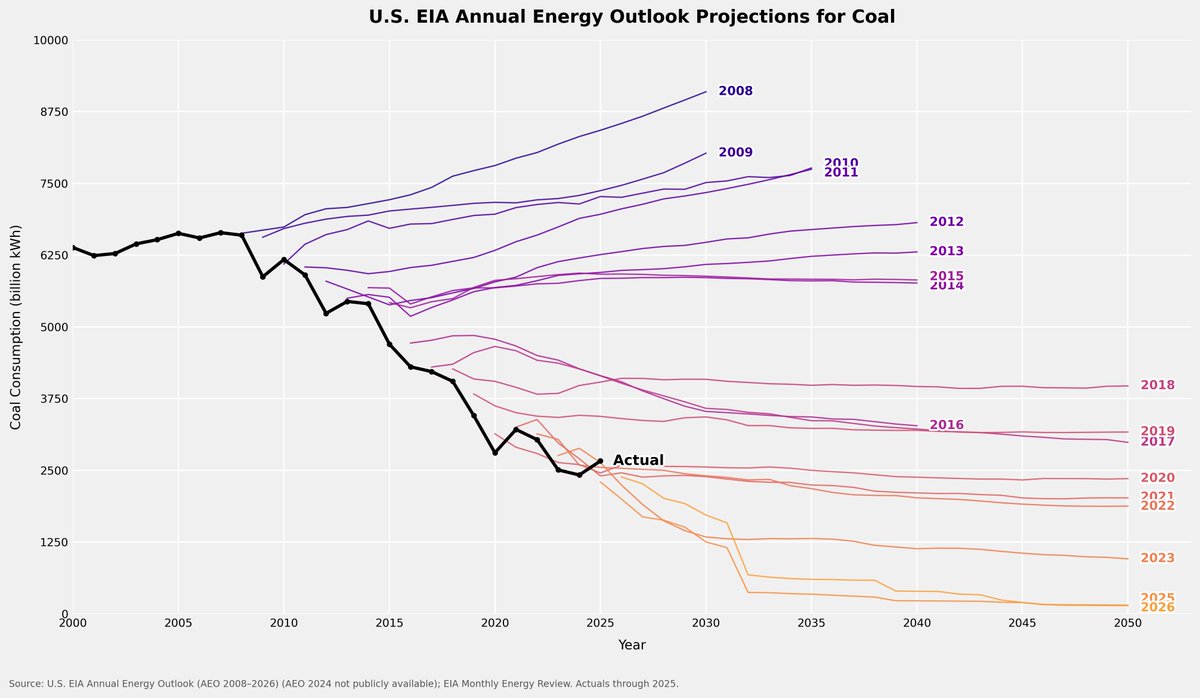
The U.S. has been consistently terrible at predicting its future energy mix,@AndrewDessler argues. So what makes us think we’ll be any better at estimating the cost of the energy transition?
Read more:
https://t.co/H3BCOq1FRO
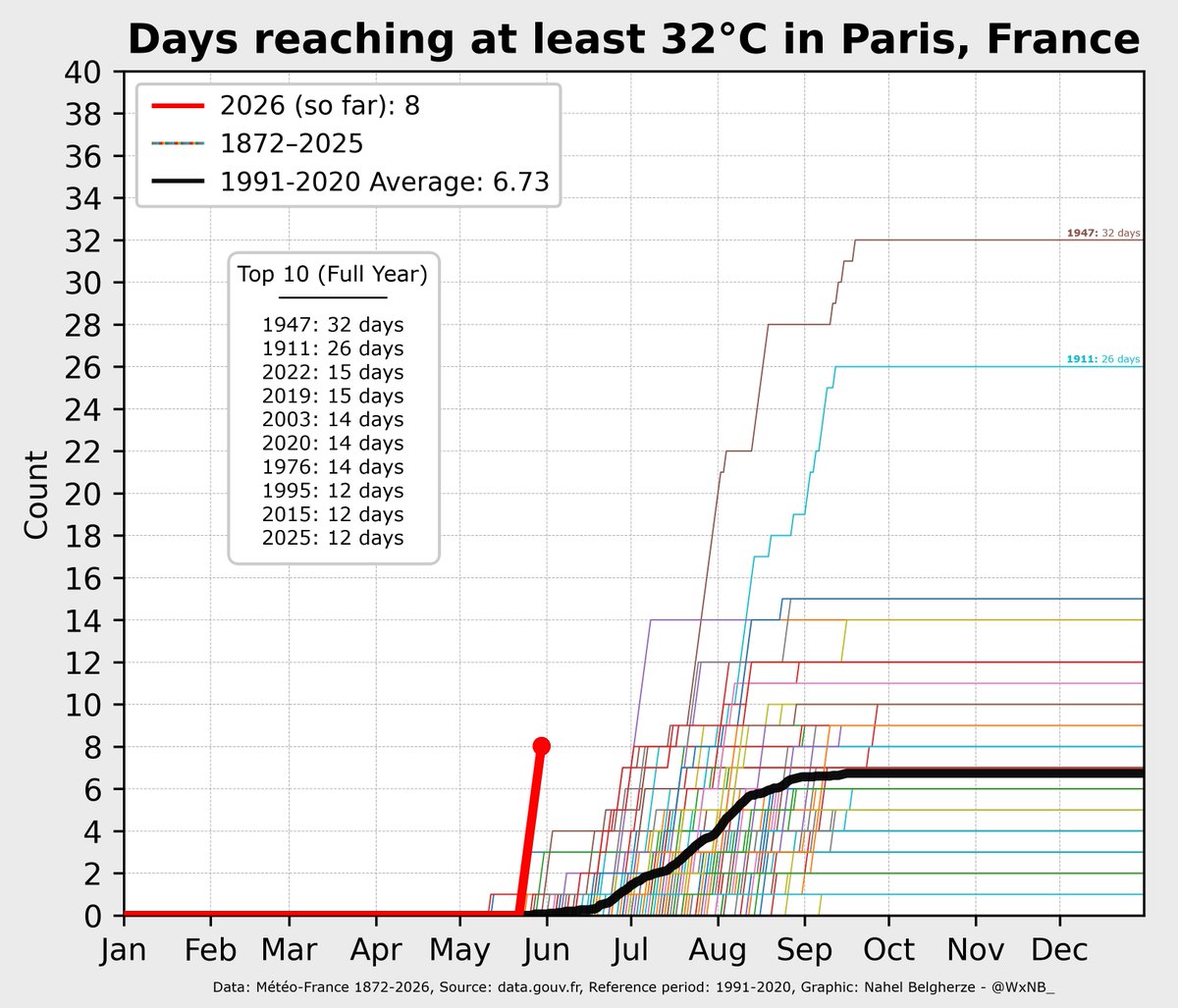
Hard to believe I’m even writing this.
Meteorological summer hasn’t even begun, yet Paris, France has already logged more days above 32°C (89.6°F) than its annual average.
I'm really looking forward to attending this meeting on climate attribution science and the law (June 10-11). I'm on a panel about "Defending Science in the Current Political Climate". In-person attendance is full, but you can register to attend it online.
https://t.co/RymvngDHlO
Predicting the future of energy is hard, and reality has a way of moving in directions we don't anticipate. @AndrewDessler has a new piece over at The Climate Brink on how energy systems have evolved in the US compared to expectations (link below)
On The Climate Brink, I write about how hard it is to predict the future of our energy system. The failure of past predictions should make us hesitant to put too much faith in future predictions.
Two things can be true:
• RCP8.5 was never a realistic "business as usual" scenario
• The world has made real progress bending the emissions curve downward
@Peters_Glen, Piers Forster, and I explain in a new article (link below).
1/11
These plots of actual changes in energy produced vs. what the experts predicted tell an important story. I've created updated plots, and you can get the code to reproduce them, or make other versions, here:
https://t.co/n0Mg0YRs4A