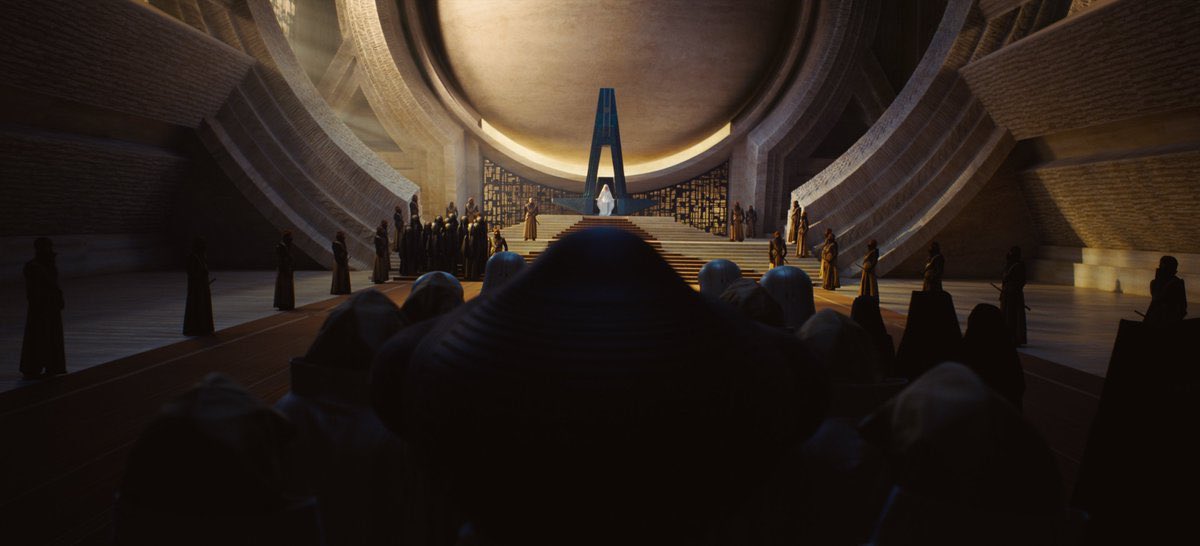
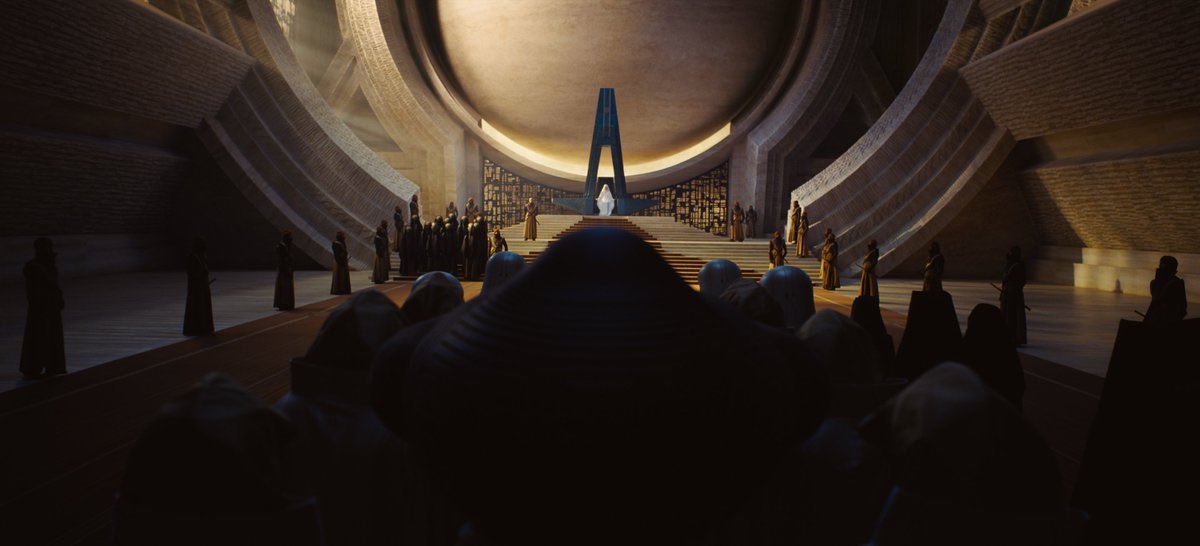
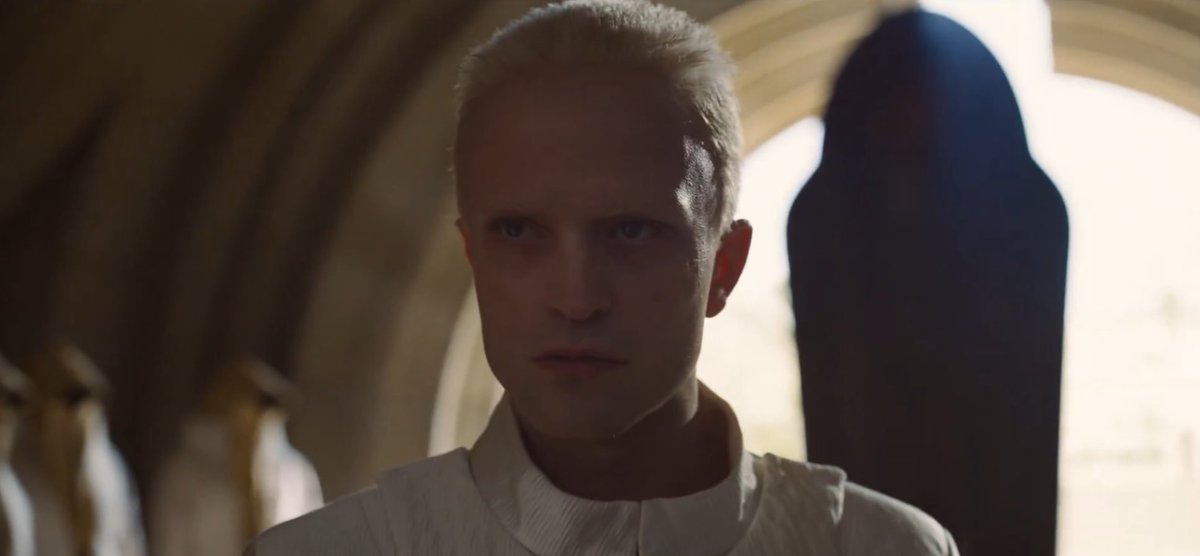
@aliaoftheblade No. This is not Arrakis. It’s the thunderstorm that the attack ships drop through in the following scene. If you look very closely at this frame you can see all the ships descending. They are dwarfed by the size of the cloud.
@TSoS_ “Two small men as alike as twins… almost chinless round faces, pug noses, tiny mouths, black button eyes, and short-cropped white hair…”
- Miles Teg in Heretics Of Dune observing two face dancers in their ‘default’ state
IMAX having this aspect ratio exclusive to only be in their special little cinemas is anti-art. Make the fact the screen in the IMAX cinema is huge as the selling point, not that you can only see the full authentic vision of the director in that specific cinema.
@SecretsOfDune There are palm trees in the background so it’s on Arrakis and the styling of the ‘sarcophagus’ is more Egyptian/Tlielaxu than the Christian bishop look of the Guild reps in Part 1. So the scene is Scytale presenting the Ghola.
"The idea was that we would push the envelope in terms of what was understandable and say that this was a film from another culture that had somehow landed in 1970"
Walter Murch ~ THX 1138's 55th anniversary
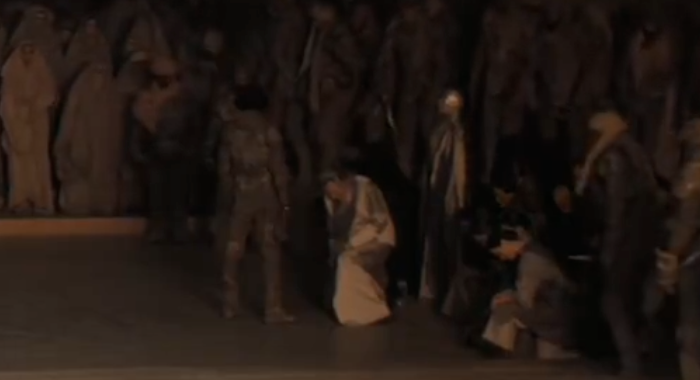
@Danimalish On a recent rewatch, I noticed that when he says “Lead them to paradise,” he’s actually looking down at the Emperor kneeling before him. The wide shot just before the close-up establishes this briefly.
Hot take: Designers never ‘controlled design’.
Design’s obsession with doing everything BUT being a designer made sure this has been the case for a while.
Cosplaying as business stakeholders to earn seat at table. Cosplaying as engineers to be make it more feasible. Cosplaying as PMs to drive a project forward just so that it does not die by a thousand cuts.
Everything at the expense of painting a bold vision of technology for humanity.
Maybe it’s a good thing that the new era finally forces it out in the open and moves “design” to a layer that is at the model and agentic architecture level.
@joulee Explainability patterns - trust mechanisms that operate continuously across an experience and make a system's reasoning visible, legible and human.