Oriundo de un risueño pueblecito situado en la altiplanicie mexicana llamado San Sebastián de las Aguas Dulces del Venado, San Luis Potosí—El oasis del desierto
SpaceX has officially signed the letter backing one of the strongest industry-wide declarations in support of open-weight AI
SpaceXAI has already made a massive contribution to open-source AI, becoming one of the few frontier AI companies willing to publicly stand behind openness at this scale
Now SpaceXAI is helping lead frontier AI toward a more open, competitive and accessible future....one built to benefit all of humanity
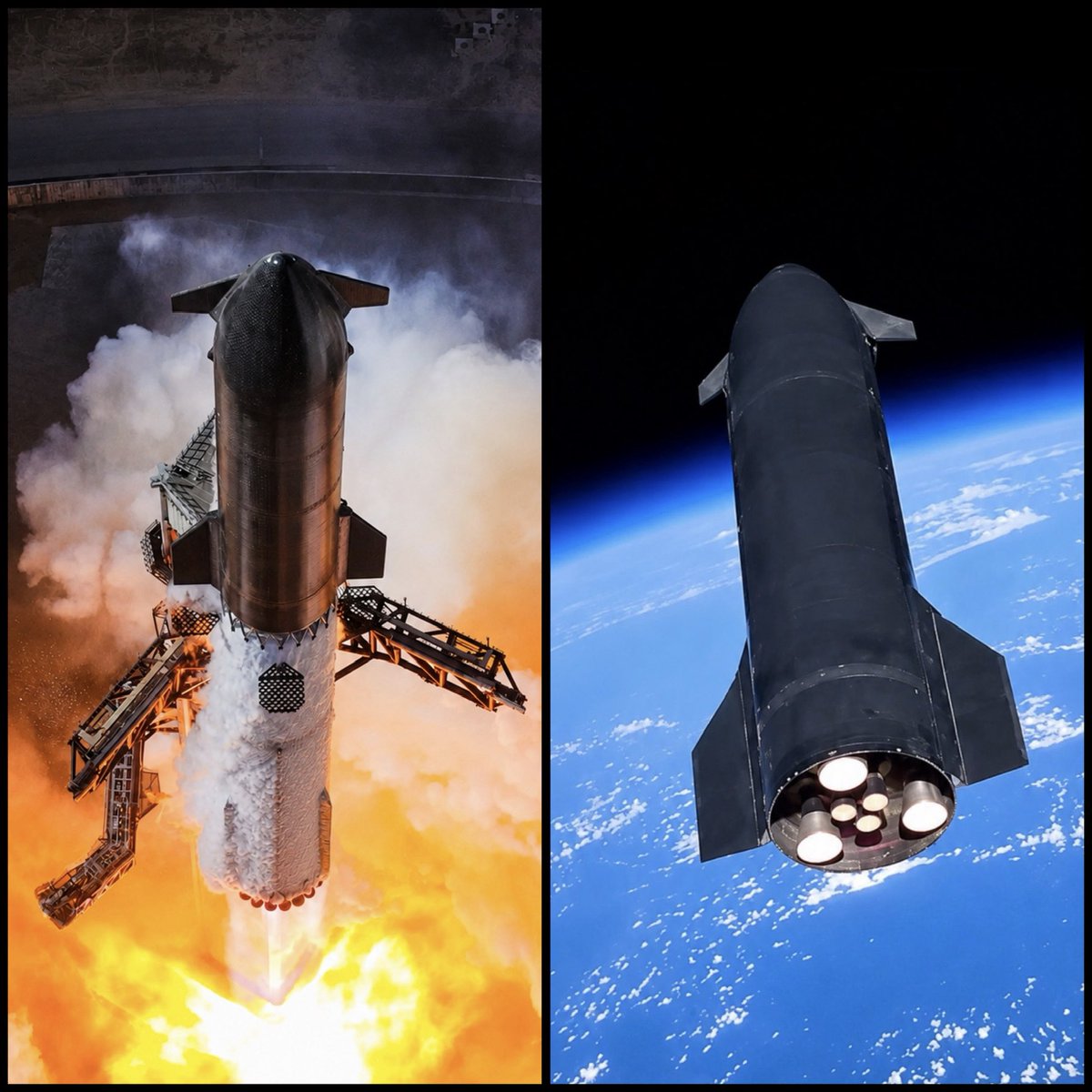
Watching Starship lift off from this close is absolutely insane
33 Raptor engines firing together, lifting a nearly 40-story rocket off the ground
The fire, sound and sheer force are almost impossible to comprehend
SpaceX is literally launching a skyscraper into space
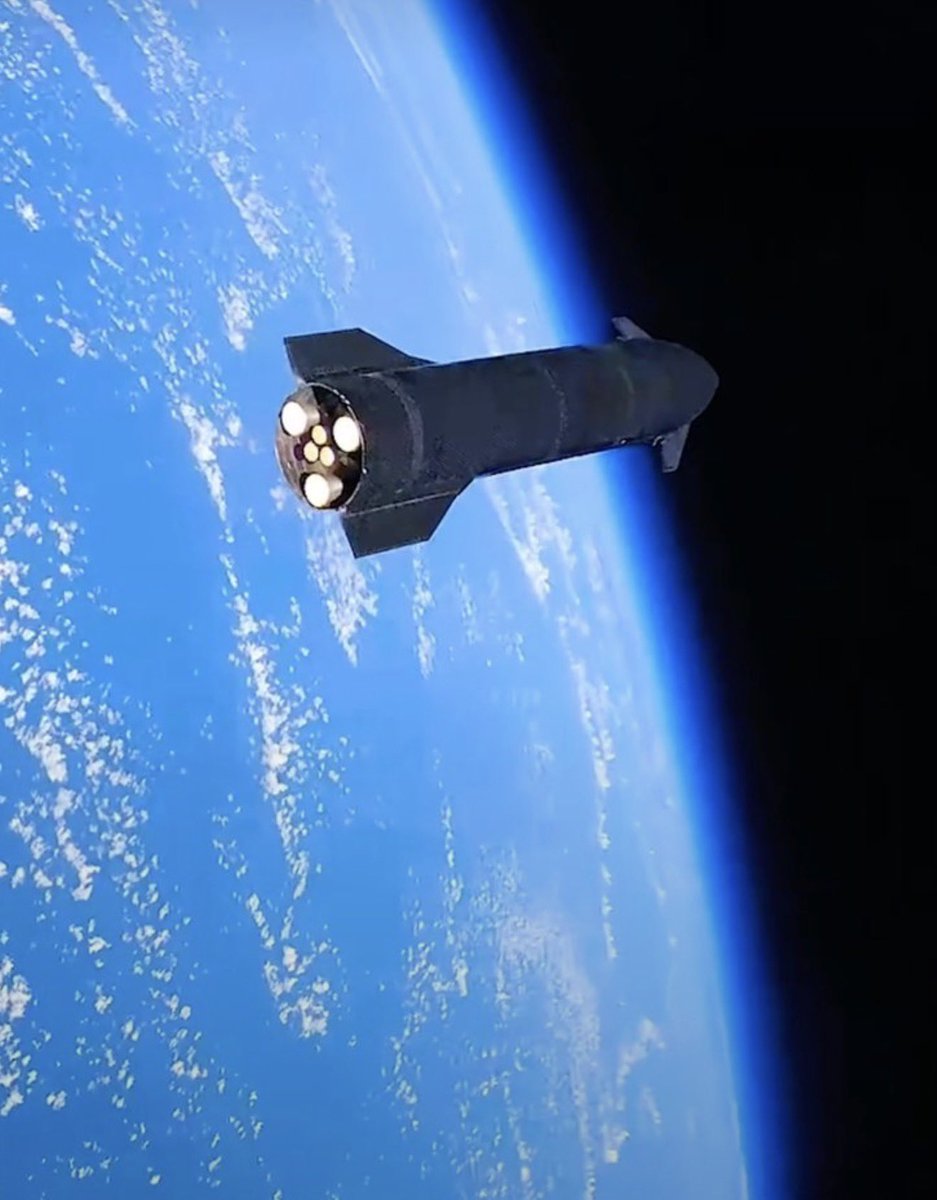
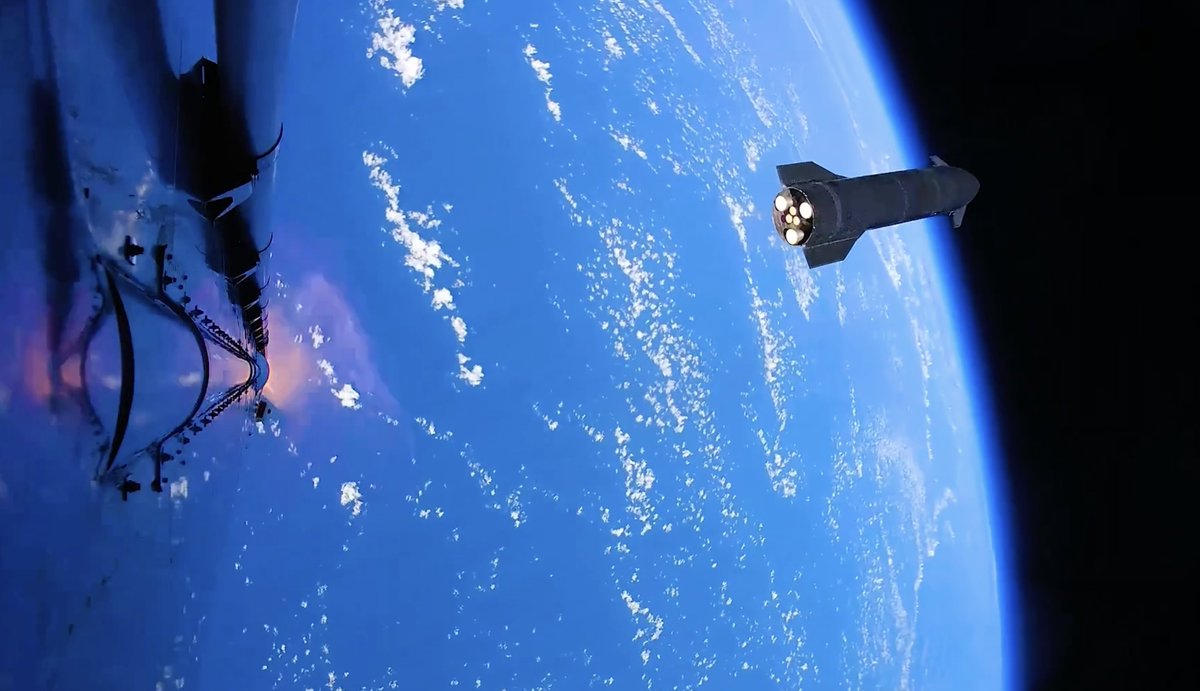
For the first time, SpaceX deployed 20 next-generation Starlink V3 satellites during Starship Flight 13
Starlink engineering leader Michael Nicolls confirmed that engineers successfully contacted all 20 satellites using both radio frequency and laser links while downloading key telemetry during their short suborbital flight
The test demonstrated
• Successful activation after deployment
• Radio frequency communications
• Laser communications
• Telemetry transmission from the new V3 hardware
Establishing communication with all 20 satellites during such a limited test window is a major step toward deploying the next generation of Starlink at scale
SpaceX is preparing to attempt its first-ever catch of the Starship upper stage on Flight 14. The catch will only happen if post-flight data review from previous missions comes back favorable. Catching Ship at the launch tower is a far bigger challenge than a splashdown, since the vehicle has to survive the full return profile and land precisely back at the pad.
A Ship catch also requires an orbital-class trajectory rather than a suborbital hop. That means Flight 14 would double as Starship’s first true orbital launch, combining two major milestones into a single mission.
SpaceX has already proven tower catches with the Super Heavy booster, and extending that capability to the upper stage would mark a major step toward full reusability. It shows how quickly the company is moving from testing survivability to testing precision recovery.
How it’s started vs how it’s going
July 25, 2019: Starhopper completes its first 20‑meter hop
July 24, 2026: A fully integrated Starship reaches space and returns with a controlled splashdown
Seven years of testing, failing, rebuilding, and relentlessly pushing engineering to the edge of physics.
Now Starship is paving the road to Mars