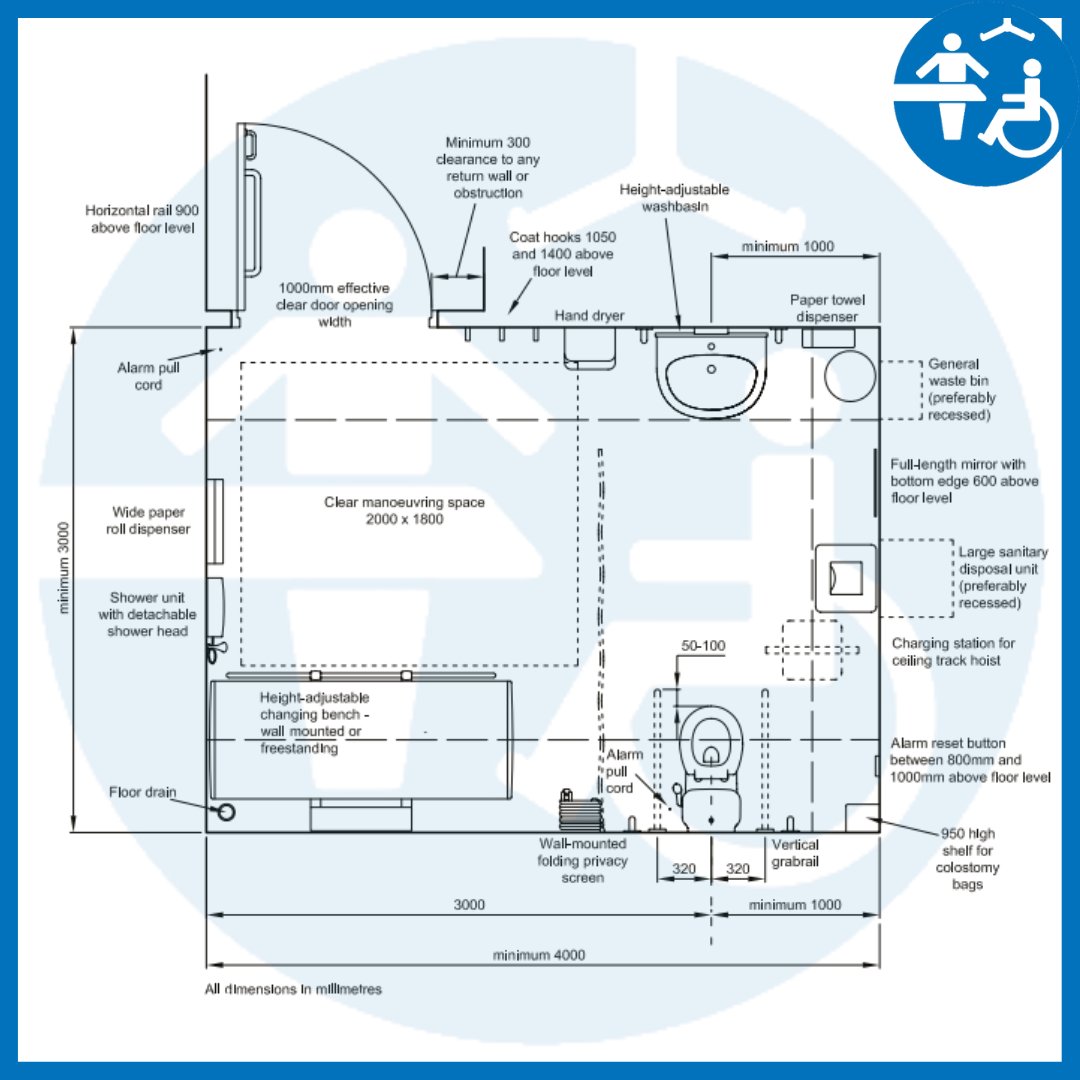
@Pressalit1954 we are often asked how to design an #accessible#bathroom - here are five pointers. There is much more to say of course and #designers should always try to ascertain specific user needs and keep within the building regulations!
A new #ChangingPLacesToilet registration - Bracklesham Barn in Bracklesham Bay is now live on the official map: https://t.co/PEylWAl4cB
This CPT has been installed thanks to funding from the @luhc programme
#AccessibilityMatters#Inclusion
Venues: If you're installing a #ChangingPlacesToilet, don't forget to send us your floorplans for a FREE check before work begins. That way you can proceed with peace of mind that your new CPT will be at registration standard!
#Accessibility#DisabilityAwareness#IncLOOsion
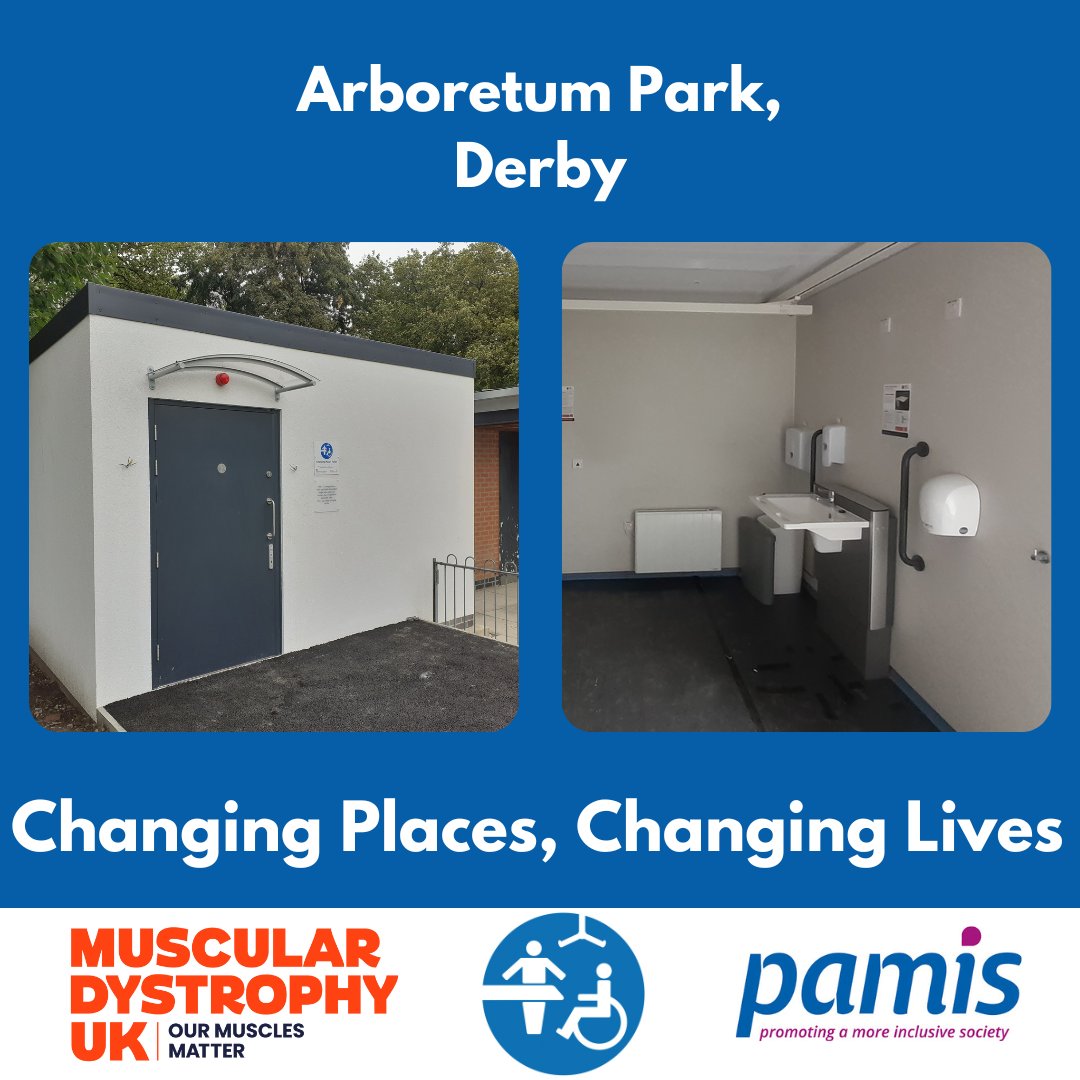
A lovely new registration to start the day - Arboretum Park, Derby is now live on the official map: https://t.co/IL219jWMmv
This #ChangingPlacesToilet has been installed thanks to funding from the @luhc programme
Great work, @derby_parks!
#AccessibilityMatters
It’s #WorldCPDay and Katouche has a message for you.
As someone with cerebral palsy (CP), Katouche is tired of being asked: “What happened to you?”
Not only is it based on assumptions about conditions being acquired, it can also be an unwelcome and invasive question.
A new registration on the map for North Norfolk - Vicarage Street now has a new #ChangingPlacesToilet!
This CPT has been installed thanks to funding from the @luhc programme
#AccessibilityMatters
The Closomat #Wash&Dry toilet is not mandatory in a #ChangingPlaces, but inclusion is recommended as it: eliminates the need for manual wiping, promotes dignity & independence, ensures a higher level of hygiene & is accessible to a broader range of people.
https://t.co/1kFXngBQql
When it comes to #ChangingPlaces toilets, a non-slip floor is vital for preventing accidents. Read more about the specification of a Changing Places toilet and what needs to be included for it to be truly #accessible and to be officially recognised.
https://t.co/PmmJOxrMGT
The specification of a #ChangingPlaces toilet was written by OTs from the University of Dundee in consultation with Closomat & other industry partners. It includes an array of fixtures that combine to make the space as inclusive & #accessible as possible.
https://t.co/OX9u1NVEJ5
Pressalit provides flexible, functional bathroom and kitchen solutions for all sorts of situations: homes, residential care, rehabilitation centres, schools, hotels and hospital environments. https://t.co/5H2nV2XuxJ
Another great new registration to end the day: Middleton Arena, Rochdale, is now live on the official map! https://t.co/EAXCexZMos
This is another #ChangingPlacesToilet installed thanks to funding from the @luhc programme
#AccessibilityMatters#Inclusion
Check out our new #OT resources in collaboration with @theotservice, including tips for Activity Analysis of #Toileting. Analyse & understand skills required & identify where activity can be adapted to improve occupational performance. #LetsMakeLifeEasier
https://t.co/R7aRcllWj4
We often check public ♿toilets with our Radar key when out & about. Cleaniness has always been noted around Wexford but ALL Co. Councils nationwide need to carry out a Red Cord Education Audit of their toilets. It hangs freely for a reason. Stop with the knots.
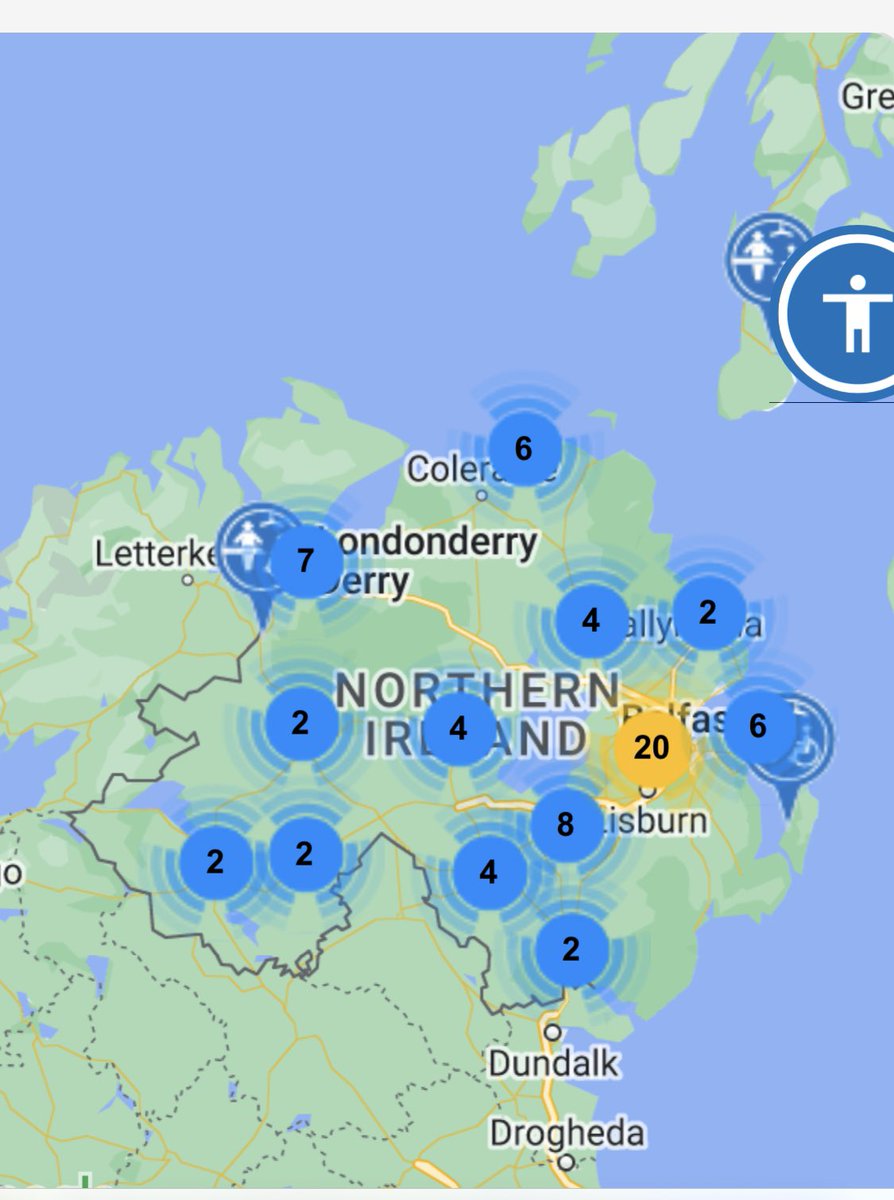
It’s shocking to see how far we are behind when it comes to providing @ChangingPlacesI facilities. Picture 1 shows 1 step down facility registered in Donegal & picture 2 shows multiple @ChangingPlaceUK facilities in nearly every NI town. Every council should be working on this!
A @ChangingPlaceUK shoutout to ashton bus station today. Meant we could spend longer in town shopping. Wish @StockportMBC would hurry theirs up so we dont have to keep leaving our town to enjoy a day out.
The first modern flushable toilet was invented in 1596 by Sir John Harrington. He installed one for his godmother, Queen Elizabeth I. His invention included a water tank and a flush valve. However, the flush toilet wouldn't become popular for another 250 years. Most toilets in Medieval Europe were either holes in the ground, communal outhouses, or chamber pots.
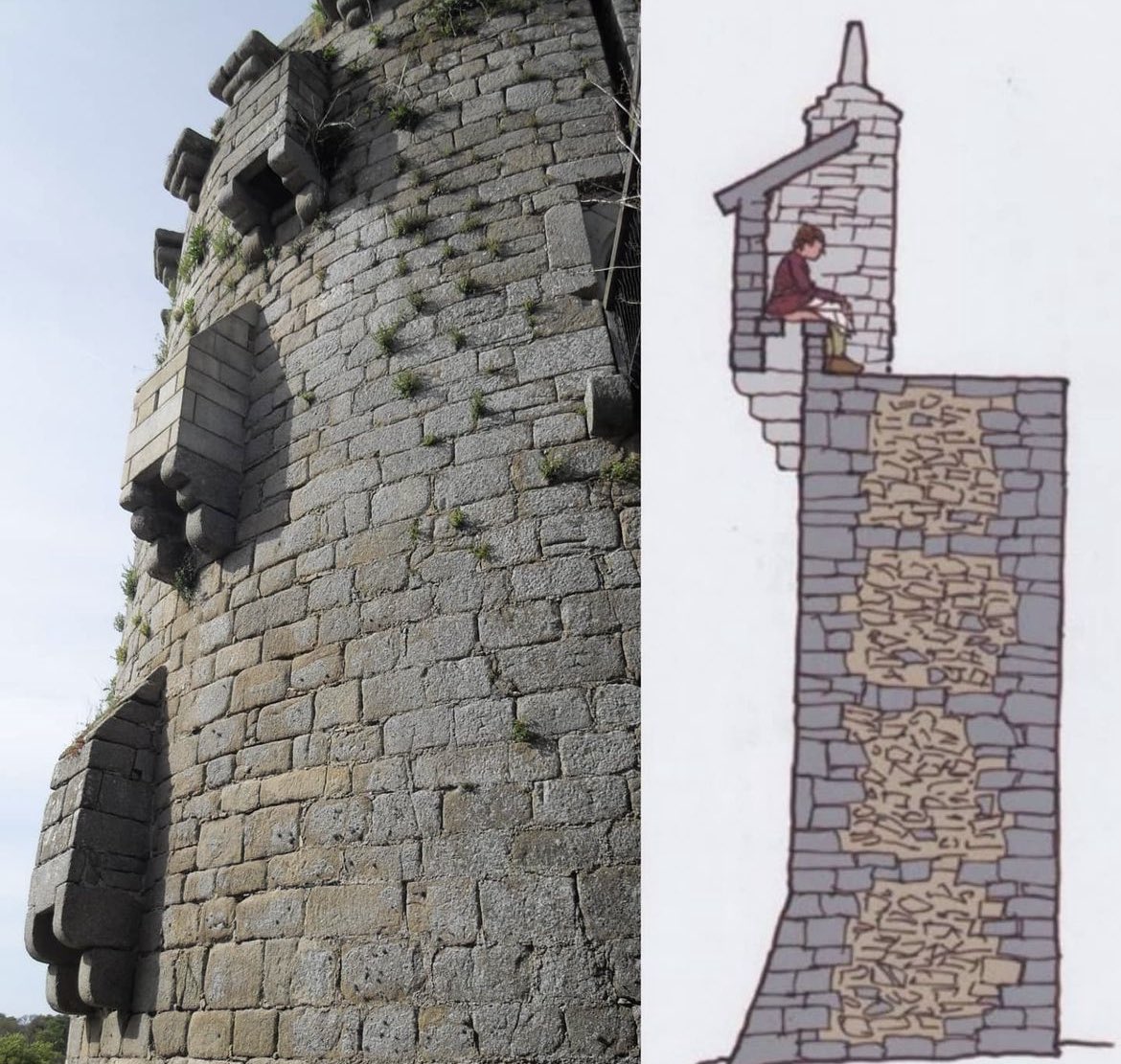
If you were fortunate and born into considerable wealth, you might have used a garderobe (derived from the French word for "wardrobe"). These were small rooms built adjacent to the walls of medieval castles. The toilet was connected to a vertical shaft that extended down to the ground.
Low-ranking soldiers or servants were responsible for taking buckets of water to "flush" waste down the vertical shaft. Garderobes, which literally translates to "guarding one's robes," originated from the practice of hanging clothes in the shaft to kill fleas using the ammonia in urine.
Occasionally, daring knights would attempt sneak attacks by entering the castle through the shaft connected to the garderobe. Throughout history, there have been several famous people who died on the toilet, including King Edmund II of England (30 November 1016), Jaromír Duke of Bohemia (4 November 1035), Godfrey IV Duke of Lower Lorraine (circa 26 or 27 February 1076), Wenceslaus III of Bohemia (4 August 1306), and Uesugi Kenshin (19 April 1578).