A @JPIOceans research project developing analysis techniques for quantifying #nanoplastics + #microplastics and their degradation in the marine environment.
Are you interested in tackling plastic pollution from lab to field?
Then join our partners at BME for our unique hands-on 'M4 Plastics' workshop this October, delivered in collaboration with Plastic Cup Society & supported by the @EUSDR
📲Register: https://t.co/do3VJYDKOd
Our newest #OpenAccess publication presents the results of the online #StakeholderEngagement methods used during our @jpioceans-funded project to bridge the science-policy interface for #MarinePollution research!
Access your copy in the post below! ⬇️⬇️⬇️
Our New Paper ⏰ shows how structured online conversations allow to engage stakeholders and turn complex topics around #marinepollution into shared understanding and practical next steps! @S_Ag___ & @orlapeach@MaREIcentre@UCC@jpioceans
https://t.co/dlnhBlHORi
🌊📊 Key results from @JPIOceans#microplastics projects
➡️ Causes and culprits
#DYK which activities and materials are major culprits in the rise of microplastics pollution?
🔗 Read the full insights in our brochure: https://t.co/hFJY0xHCuB
A summary of the key results from the Microplastics Joint Action projects funded by @jpioceans has just been published and includes results from the @Andromeda_EU project!! 📔
Read more below 🎉🥳🎊
A new paper has just been published on #microplasticpollution and #misinfornation by our colleagues at @MaREIcentre!
Read "Marine microplastic pollution & misinformation in the public sphere: a systematic review" through the tweet below 🎉🎊
Trees take up water and nutrients through their roots; but also nanoplastics! We investigated if water use strategies can play a role, and how anthropogenic pollution can place more stress on physiology. Read more in our recently published manuscript here: https://t.co/jneCq5OQHo
For those who did not received their hard copy of our recent technical report, 'Science Communication and Marine Plastic Pollution: Perspectives on the (mis) Communication of Microplastics', it is available to access at the following link!
https://t.co/v8WDWfjKMp
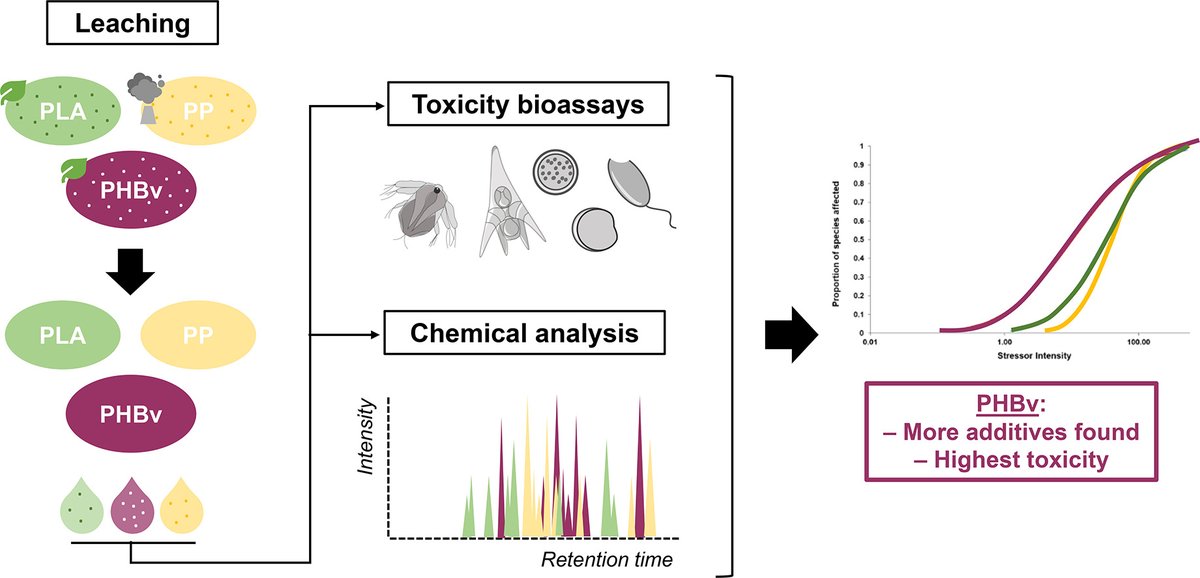
🥳🥳We are delighted to announce the availability of our newest @jpioceans RESPONSE publication 'Comparative assessment of the acute toxicity of commercial bio-based polymer leachates on marine plankton'! 🥳🥳
Click on the link below to learn more!
🔗https://t.co/V6EkEEghkh
For her PhD research, Nelle Meyers (#VLIZ, @ILVOvlaanderen, @GhEnToxLab) developed a new semi-automatic method for the detection and identification of marine microplastics - combining fluorescent Nile Red staining with machine-learning. The method proved reliable for most polymer types, also weathered plastic particles down to a size of 4µm. Congrats Nelle with the brilliant work! More on https://t.co/l5U4oHTyKu
@Andromeda_EU @NILU_now @MIOceanologie
#plasticpollution #microplastic fluorescencestaining
A reminder to our followers that our ANDROMEDA website is now no longer active! But fear not, we shall be migrating to the @jpioceans website in the coming months where you will be able to access a range of materials produced from the project 🎊🎉
Our newest #openaccess@Response_JPIO publication 📑 'Weathering increases the acute toxicity of plastic pellets leachates to sea-urchin larvae—a case study with environmental samples' is now available to read from the below link! 🎉🎊
🔗https://t.co/FaGVOEEn4h
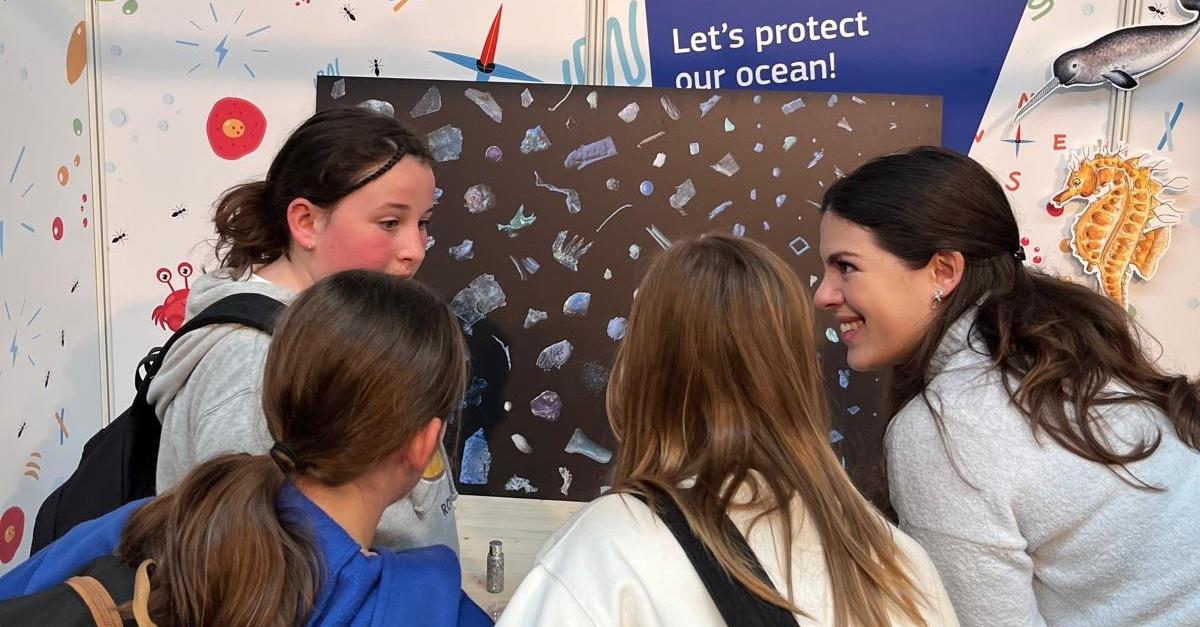
🤿Dive into the latest news item on the JPI Oceans website for a summary of the "Science is Wonderful" event - the annual science fair organised by the European Commission. There, JPI Oceans supported #EU4Ocean by showcasing the @andromeda_eu project.
🔗https://t.co/RqGJzIsNye