@pangenomepapers "Nearly half of the SVs display low to moderate linkage disequilibrium with surrounding single-nucleotide polymorphisms (SNPs) and most SVs cannot be tagged by SNP probes from the widely used ovine 50K SNP chip."
Yes! SNP chips are great for things like ancestry but for...
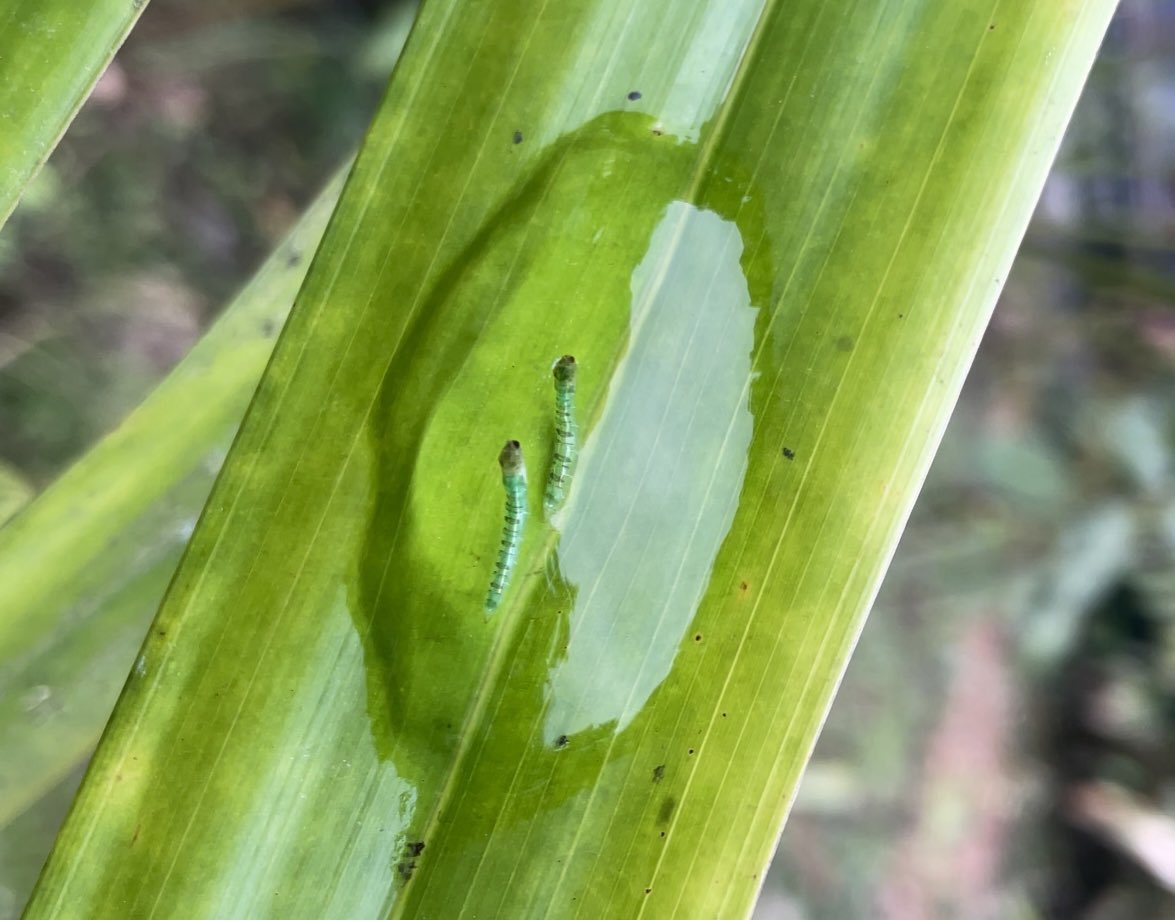
Hey Science Twitter - does anyone know what these are? I found these in a jelly-like goo. They come up to breathe out of the jelly. I think it’s a kind of fly? Super cool. Mashpi, Ecuador taken today. I have videos too.
📢 Come join my team at @CSIRO and help build tools for sampling DNA from the air!
We're looking for an enthusiastic technician with experience with DNA extractions, sequencing and qPCR. 🧬
Location: Canberra, AUS
Open to AUS/NZ citizens/PR
Apply: https://t.co/WVWnCizi3n
@ShashankPathour@Dr_Akito@JainLaboratory@DavidPlotkin@Starlitknight_@Lily8ng@C_Couch17 @LongNgu84547407 Thank you so much for the reply! I worked on a project for sex ID of lizards and evaluated a 1-step extraction for amplification with RPA. Not sure if it would work for your moths samples (lizard blood is very DNA rich!), but might work! The protocol is being included in a...
@CharJWright Totally going to classify the chromosomes in the H. armigera assemblies to their Merian elements! Will be so nice to have a more consistent/empirical numbering sets for Lepidotera rather than just largest to smallest...
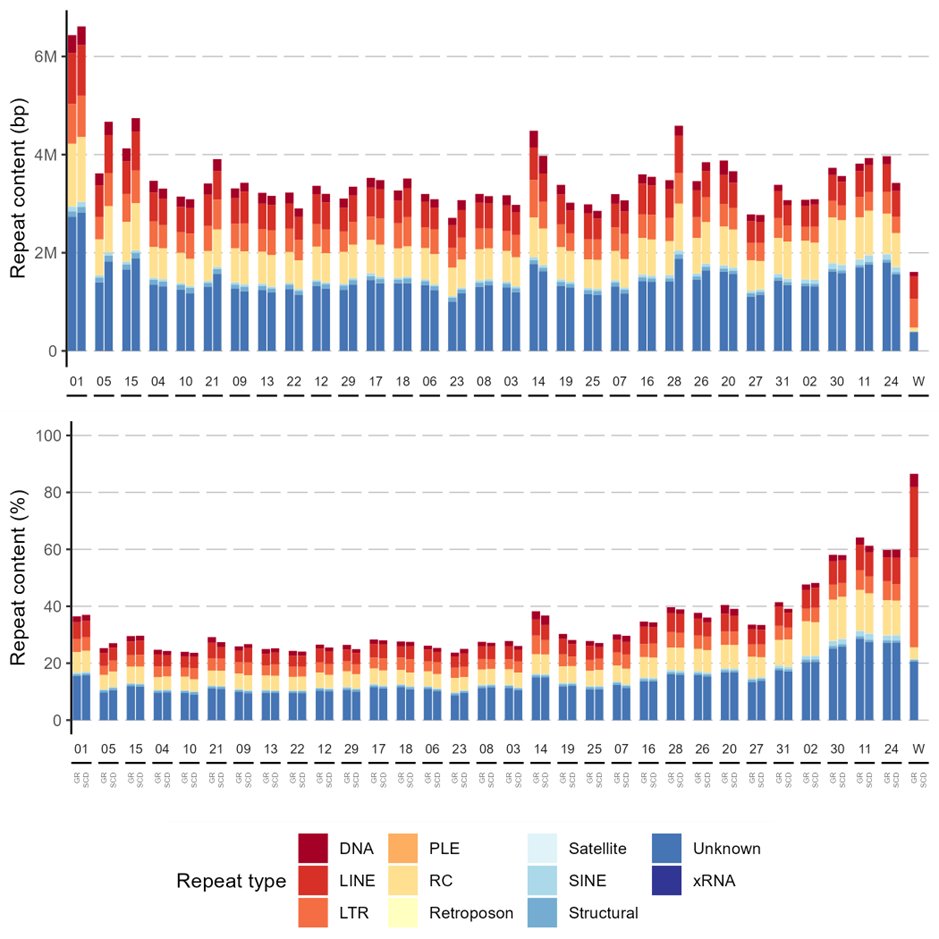
@CharJWright This is fascinating, such cool work! I found something a bit funny when looking at my H armigera (Noctuidae) chromosome assemblies. The repeat density is higher in smaller chromosomes, but the absolute amount of repeats is pretty stable among autosomes? Could I get your thoughts?