Ninaipongeza Timu ya Taifa ya Wanawake ya Mpira wa Miguu chini ya miaka 20 (Tanzanite Queens), kwa kufuzu kushiriki Kombe la Dunia mwaka 2026. Ushindi wenu ni historia na heshima kubwa kwa nchi yetu, ikiwa ni mara ya kwanza Tanzania kufuzu kushiriki mashindano hayo.
Ninaielekeza Wizara ya Habari, Utamaduni, Sanaa na Michezo pamoja na mamlaka zote zinazohusika kufanya maandalizi bora yatakayoiwezesha timu yetu kuiwakilisha vyema Tanzania na Afrika Mashariki katika mashindano hayo.
Ninatoa pongezi za dhati kwa Alphonce Simbu kwa kushika nafasi ya pili na kuweka rekodi ya Taifa katika Mashindano ya Kimataifa ya Mbio ya Boston (Boston Marathon), kwa mara ya pili mfululizo.
Umeendelea kuipeperusha vyema bendera ya Taifa letu, ukilitangaza jina la Tanzania kimataifa katika moja ya mashindano mashuhuri zaidi duniani, na umetuletea heshima kubwa katika ulimwengu wa michezo. Mafanikio yako ni chachu ya matumaini na hamasa kwa vijana wengi.
Watanzania wote tunajivunia.
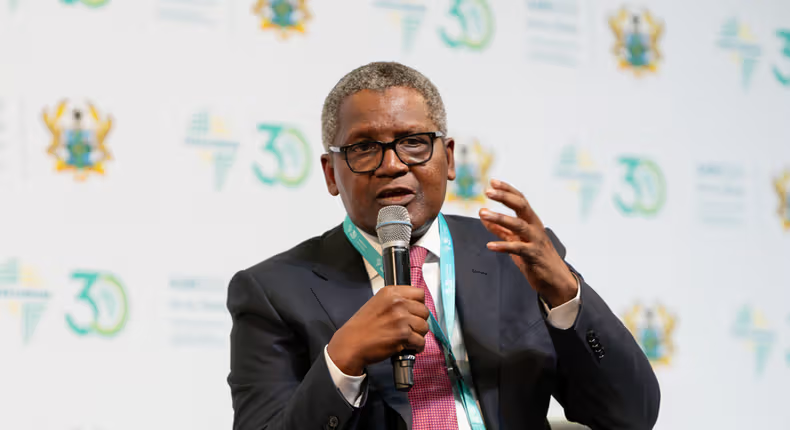
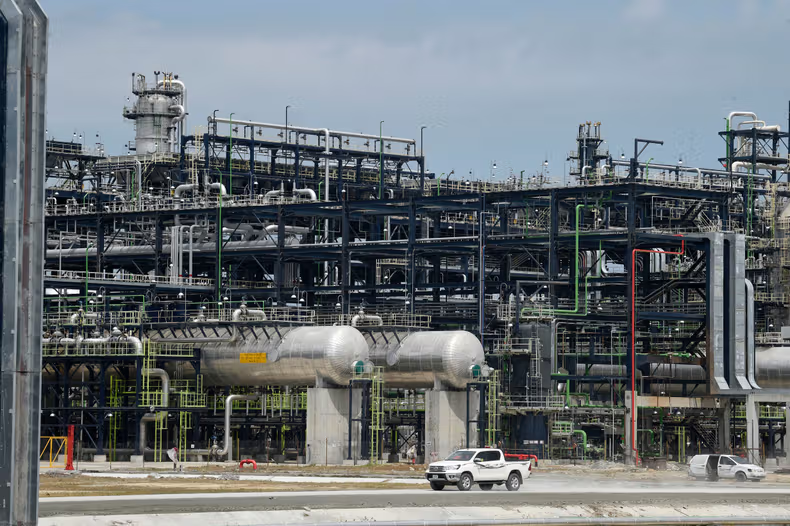
The Dangote Refinery intends to pursue a pan-African IPO, offering equity across several African capital markets to create a historic multiple-listing on the continent.
This multi-country public listing would mark a historic first for Africa and aims to boost stock exchanges across the continent.
Firms such as Stanbic IBTC Capital Ltd., Vetiva Advisory Services Ltd., and FirstCap Ltd. have been appointed to oversee the IPO process.
The $20 billion refinery, currently capable of refining 650,000 barrels per day, aims to increase its capacity to 1.4 million barrels per day in future expansion.
🚨 SOMETHING BIG JUST HAPPENED
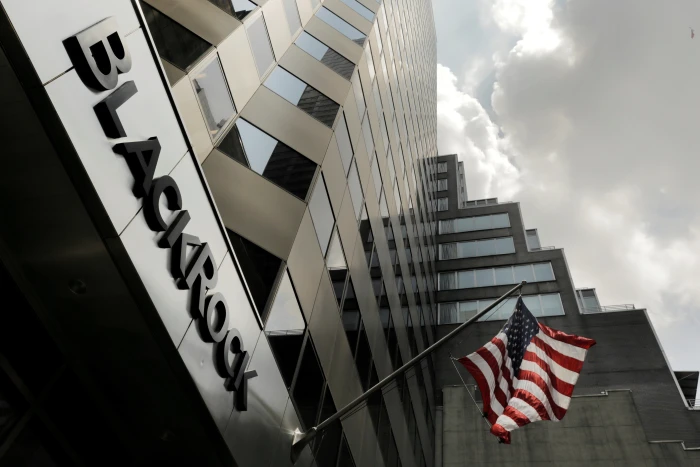
BlackRock, the world’s largest asset manager, just BLOCKED withdrawals.
Investors tried to pull $1.2 BILLION from its $26B private credit fund.
BlackRock said NO and capped withdrawals at 5%.
Nearly HALF the investors who wanted out were denied their money.
At the same time, Blackstone faced record withdrawals and had to inject $400M of its own cash.
When the BIGGEST funds on Earth start limiting withdrawals, it is a MAJOR WARNING sign for the entire $1.8 TRILLION private credit market.
Everyone talks about Iranian oil in barrels. Nobody talks about what is inside them. That difference is why Western refineries have been running shadow networks through Dubai for twenty years to get it despite the sanctions.
Crude oil is not a uniform commodity. It is a spectrum of hydrocarbons with different molecular weights, and the composition of a given crude determines how easily it converts into the products refineries actually want to sell: gasoline, diesel, jet fuel, heating oil. The measurement that captures this is API gravity. Higher API gravity means lighter crude with shorter carbon chains, which means lower energy cost to crack, lower processing cost to refine, and higher yield of the light distillates that carry premium pricing. Lower API gravity means heavier crude requiring more energy, more processing steps, more capital equipment, and producing a higher share of lower-value residuals.
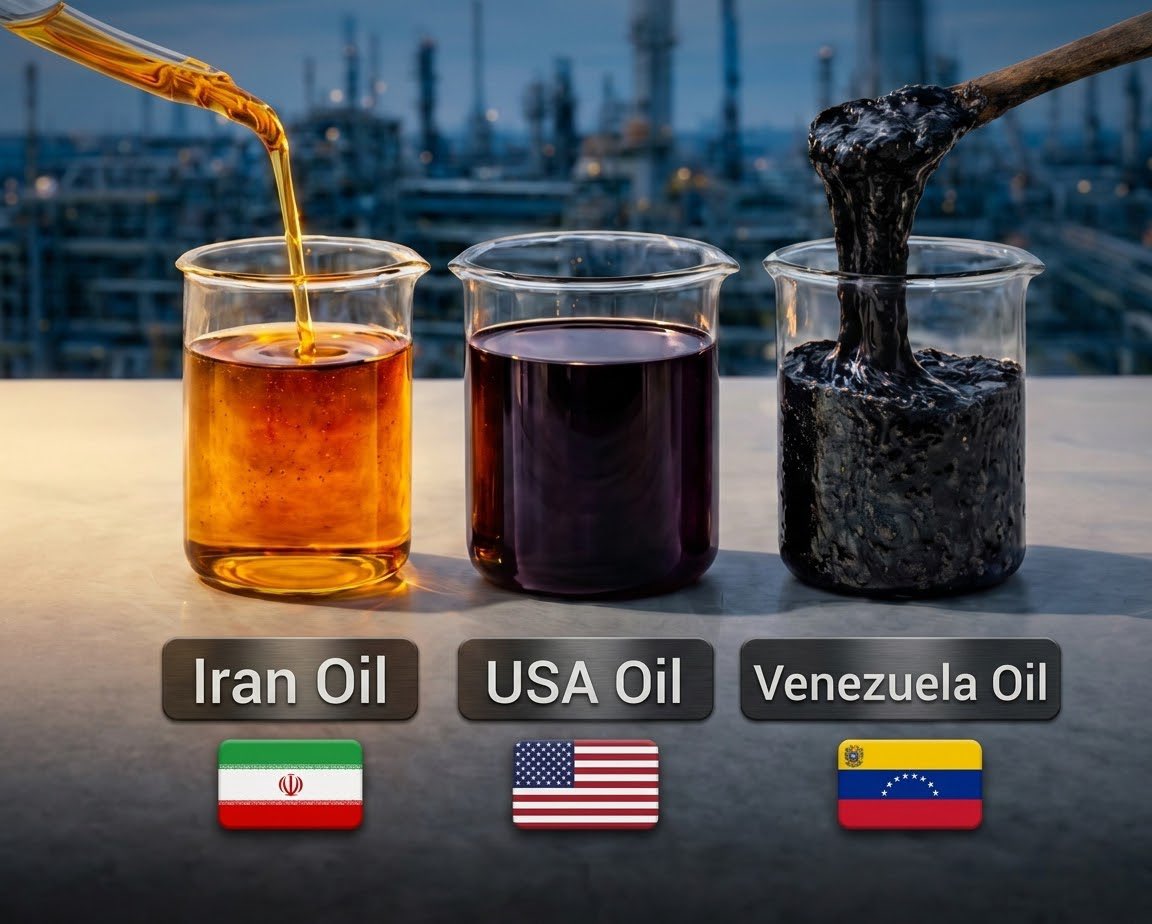
Iranian Light crude runs at 33 to 36 degrees API gravity with sulfur content between 1.36 and 1.5 percent. That is the refinery sweet spot. It is light enough to yield high fractions of gasoline and middle distillates without excessive processing costs, but heavy enough to produce the full range of products that complex refineries are designed to process. It is what petroleum engineers call an optimal blend crude.
Now compare the alternatives.
Venezuelan Merey heavy crude runs at approximately 16 degrees API gravity with sulfur between 3 and 5 percent. Refining it profitably requires a coking unit, a hydrocracker, and an extensive desulfurization train. The equipment exists. The economics work for refineries purpose-built around Venezuelan feedstock. It is not a substitute for Iranian crude. It is a different product requiring different industrial infrastructure.
US West Texas Intermediate runs at 39 to 40 degrees API with sulfur below 0.25 percent. In theory, the cleanest and easiest crude to process. In practice, it is so light that it does not yield the heavier middle distillates a complex refinery needs to run at full capacity. European and Asian refineries built around medium crudes cannot switch to WTI without blending it with heavier crudes to achieve the molecular weight distribution their process units require. WTI is not a drop-in replacement for Iranian medium.
Iranian oil fits where both US shale and Venezuelan heavy do not. It is the liquid that flows through the middle of the global refining system without requiring either the coking infrastructure for heavy crudes or the blending operations for ultra-light shale. That molecular fit is why it commands a persistent premium above comparable grades. It is why Indian refineries maintained Iranian crude purchases through every round of sanctions and negotiated the logistics to keep that flow moving. It is why the Dubai shadow banking and trading network that the UAE is now considering dismantling existed in the first place.
The Strait of Hormuz does not just carry oil. It carries the specific category of oil that the global refining system was built to process most efficiently. Closing it does not just reduce supply. It removes the grade of crude that the system runs best on and forces every refinery in the world to run less efficiently on whatever it can find as a substitute.
That is the premium embedded in the $82 oil price. Not just volume. Molecular weight.
https://t.co/ULBgEzZ3A8
To my surprise, some people still believe that a media house can locate and interview the boy without our knowledge.
We know everything, but you still don't want to accept that the guy is afraid to tell you that no one is after him and to tell you that he is not standing against Mzee again.
“The reason poverty exists in the wealthiest country on earth isn't because we can't feed the poor — it's because we can't satisfy the rich.”
James Talarico
True statement. Trump slashed programs and fired workers so that the wealthy got wealthier. #DemsUnited