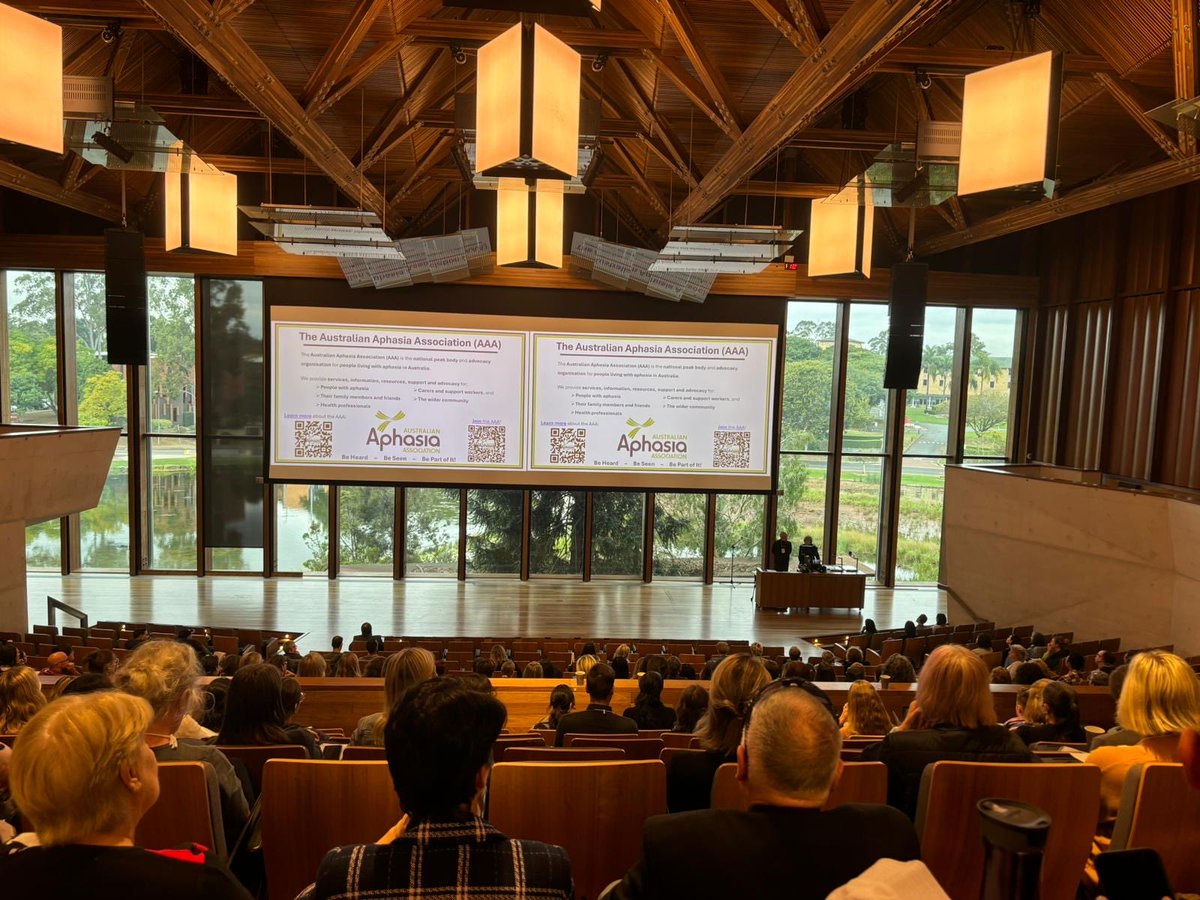
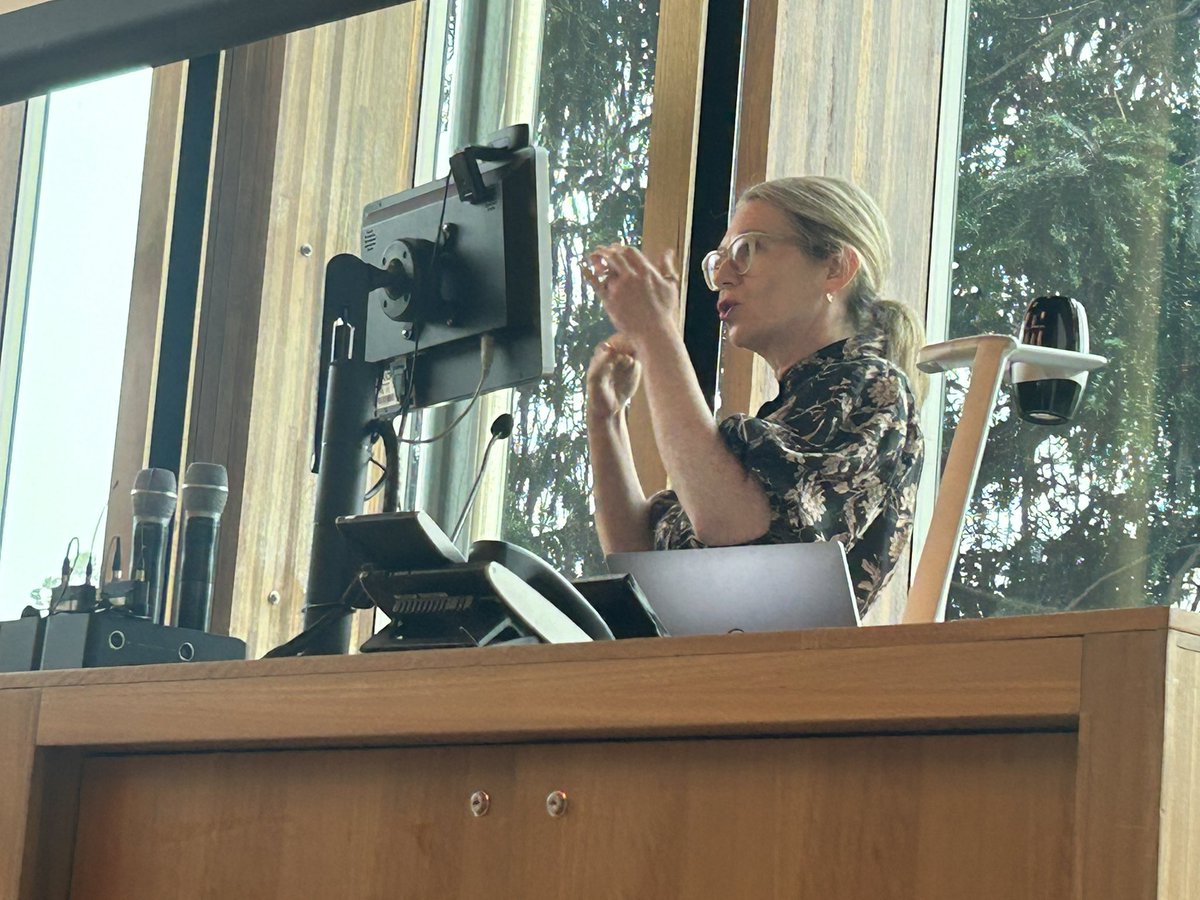
Incredibly privileged to work with an amazing team @SarahJWallace @LNL_Copland @VictoriaJPalmer - including our dedicated consumer advisors. Grateful for the opportunity to share about our research during the #QARC launch - thanks to @SpeechPathAus (generous funding support)
JOIN OUR RESEARCH - Improving design of stroke rehabilitation wards
Do you live with aphasia?
Had a stroke?
Live in Melbourne, Victoria?
You will be paid for your time to look at different rehabilitation stroke wards using a Virtual Reality headset.
https://t.co/iCSH02xh2F
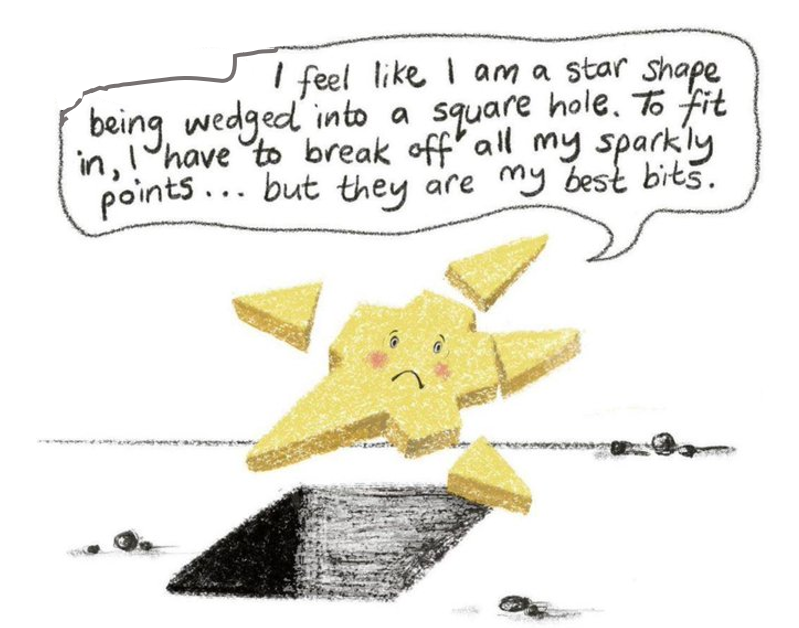
Building a sense of belonging is an act of leadership. It creates the conditions for people around us to feel supported & valued & to thrive. Even small moments of connection or reflection can have a big impact on people's sense of belonging.
@GeoffCohen, author of "Belonging: The Science of Creating Connection and Bridging Divides", suggests seven ways to build belonging for ourselves & others:
1) Reach out: small actions matter.
2) Don’t underestimate the benefits of connection: even little connections energise us.
3) Don’t be so quick to judge others: we tend to over-blame people (personality/ability/virtues) & under-blame situations & context.
4) Be welcoming at the beginning: we can improve retention by helping new people evoke their best self during the induction process, rather than trying to “break them in.”
5) Give wise criticism: give feedback in a way that helps people learn but isn’t threatening or undermining to their sense of belonging.
6) Share stories of adversity: stories of people who have gone before us help us to see our shared humanity.
7) Listen to other people’s perspectives: ask them questions about what’s standing in the way of their belonging & how we can help.
https://t.co/qK50OOZL8L. I've paired this with my favourite graphic about (not) belonging that came via @mme_hopkins
Our "Someone I Love Had a Stroke" Interactive Storybook for ages 3-7 shares stories to help children explore and understand the impact of stroke in a personalised way.
Our resources are free for UK families impacted by stroke: https://t.co/65kdwPoBBv
#StrokeRecovery
Requesting people living with aphasia, who have experienced an emergency, such as medical events or natural disasters to complete a survey please.
More information is available here - https://t.co/jRiznGrv5T
Exciting news!
Dr John Pierce from the Aphasia CRE has been awarded a $565,000 MRFF Grant for treatment MMat Tele project.
“We’re very excited about the potential of this research to have a real impact for people living with aphasia.”
More info here - https://t.co/vfbToDmP3F
Congratulations to PhD candidate Nelson Javier Hernandez who has received Saffran Student Scholar Award at the 18th Annual Eleanor M. Saffran Conference on Cognitive Neuroscience & Rehab of Communication Disorders in Philadelphia, USA.
More info https://t.co/da64rwn2Vk
✨️🏆✨️
Huge congratulations to Prof Miranda Rose who was awarded the Robin Tavistock Award 2024 at the International Aphasia Rehabilitation Conference (IARC) 2024 in Brisbane, Australia.
Read more - https://t.co/JIhkGAYXqN
We are incredibly fortunate to work with Geoffrey Binge, RBWH Cultural Capabilities Officer. Here he is presenting on priorities for post stroke aphasia service development - a project for which he provided advice on the inclusion of Aboriginal & Torres Strait Islander people.
Smashing 2nd keynote talk @IARC2024 from @MadelineCruice who emphasised that we need to know our numbers, do research on what is important & work together! Ppl with stroke related aphasia want to improve conversations - so do ppl with #PPA - we must collaborate @IntSLTPPPA @
Linguistic Underpinnings of Narrative in Aphasia: A proof-of-concept study of a novel discourse treatment for aphasia using personal narratives. Team @LucyDipper Jane Marshall @NicolaBotting Mary Boyle Deborah Hersh @pritchardmr . Funded by @TheStrokeAssoc https://t.co/1yUDN030Ks
#IARC2024 Welcome drinks. A great opportunity to catch up with international and interstate colleagues and a stellar way to end Day 1 of the conference!
Clear summary of Abi’s preliminary work
exploring the use of voice recognition as an adjuvant/surrogate aphasia therapy. Some things work, some things don’t. Undeniable potential.
Another privilege to co-present my PhD research about #AphasiaAwareness with one of my wonderful advisors with lived experience of aphasia, the fabulous Emma Beesley, at #IARC24. Thank you Emma!
IARC is officially in session with a spectacular Welcome to Country performance to kick off Day 1. Thank you to the Tribal Experiences group! https://t.co/xRexxZNi3v
Congratulations to the QLD Aphasia Research Centre (QARC) and Surgical, Treatment and Rehabilitation Service (STARS) on being awarded the 2024 QLD Health Excellence award for research and innovation through implementation of the CHAT program in STARS speech pathology service. 👏