The Robot Got It Right. But Did It Learn the Right Way?
Physical AI has a data problem, and it’s not simply about collecting more demonstrations.
Imagine a robot completing a task successfully, but using awkward movements, poor control, or an inefficient path.
The quality of what goes into training matters.
This is the part worth paying attention to with PrismaX.
The goal isn’t just to build a bigger collection of robot videos. It’s to identify demonstrations that teach the right behaviors.
Humans Steer, Robots Learn
The more I learn about robotics, the clearer one thing becomes: robots need more than the ability to move. They need real world experience, quality data, and a feedback loop that helps them improve.
That’s where @PrismaXai comes in.
Every interaction adds another piece to the loop.
This is what I find interesting about PrismaX.
It’s not just about making robots smarter. It’s about building a system where human guidance creates data, data helps train models, and better models improve future interactions
A Robot Can Complete a Task, But What Does It Actually Learn?
I’ve been thinking about this a lot when it comes to @PrismaXai.
A robot completing a task creates data, but that doesn’t automatically mean the experience is useful for learning.
Someone still needs to guide the robot through real world tasks, and someone needs to look at that experience and decide if it is actually worth learning from.
That’s where teleoperators and validators come in.
Teleoperators create the experience by remotely guiding robots through real tasks. Validators then examine those experiences, checking whether the data is reliable, useful, and good enough to support learning.
I like how these two roles complement each other. One helps create the experience, the other helps separate valuable learning signals from noise.
Because in robotics, more data isn’t always better. Better data is better. What gets demonstrated and how it gets evaluated can directly shape what robots learn.
That’s one of the interesting things about PrismaX: humans aren’t just collecting data, they’re part of the learning process itself.
So which role would you pick?
Teleoperator: guide the robot.
Validator: judge the experience.
How to Spot a Crypto Narrative Before Everyone Starts Talking About It
I used to think spotting a narrative meant waiting until everyone on CT started talking about the same project. But by then, the move is usually already getting crowded.
The more I learn, the more I realize the better approach is to watch the signals building before the hype. Is attention increasing? Is sentiment changing? Is the community becoming more active? Are volume and liquidity starting to confirm the story?
That’s what caught my attention about @nodiens . Instead of looking at price alone, its Market Intelligence Hub brings different pieces of market behavior together, making it easier to understand what might be developing underneath the chart.
For example, a project might not be trending yet, but if attention, sentiment and community activity are gradually shifting, that’s worth watching. It doesn’t guarantee a move, but it gives you a reason to investigate before the narrative becomes obvious.
For me, that’s the real value of market intelligence. Don’t wait for the crowd to tell you what the narrative is. Learn to recognize the signals while the story is still being written.
The Real Edge Is Knowing What Data Matters
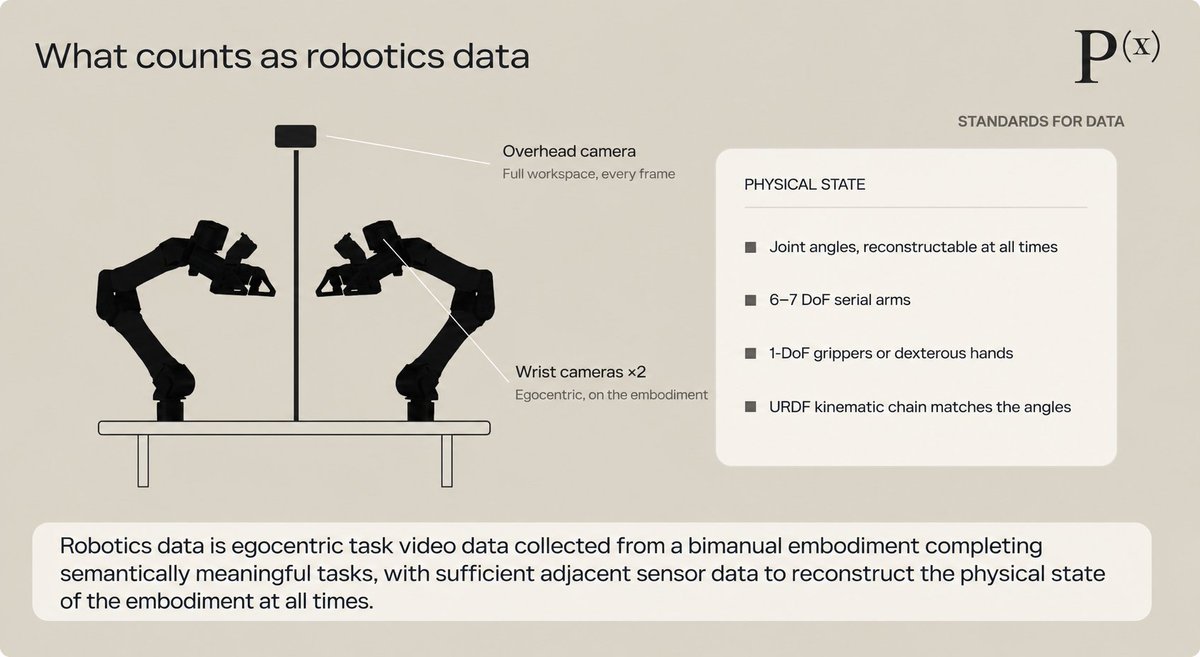
The more I learn about Physical AI, the more I realize that collecting more robot data isn’t automatically the answer. If the data is noisy, or poorly captured, you still have to spend time filtering it before it becomes useful.
So rather than training on a massive pile of footage and hoping the good examples are somewhere inside, the goal is to work with data that has already been selected for its potential value to model performance.