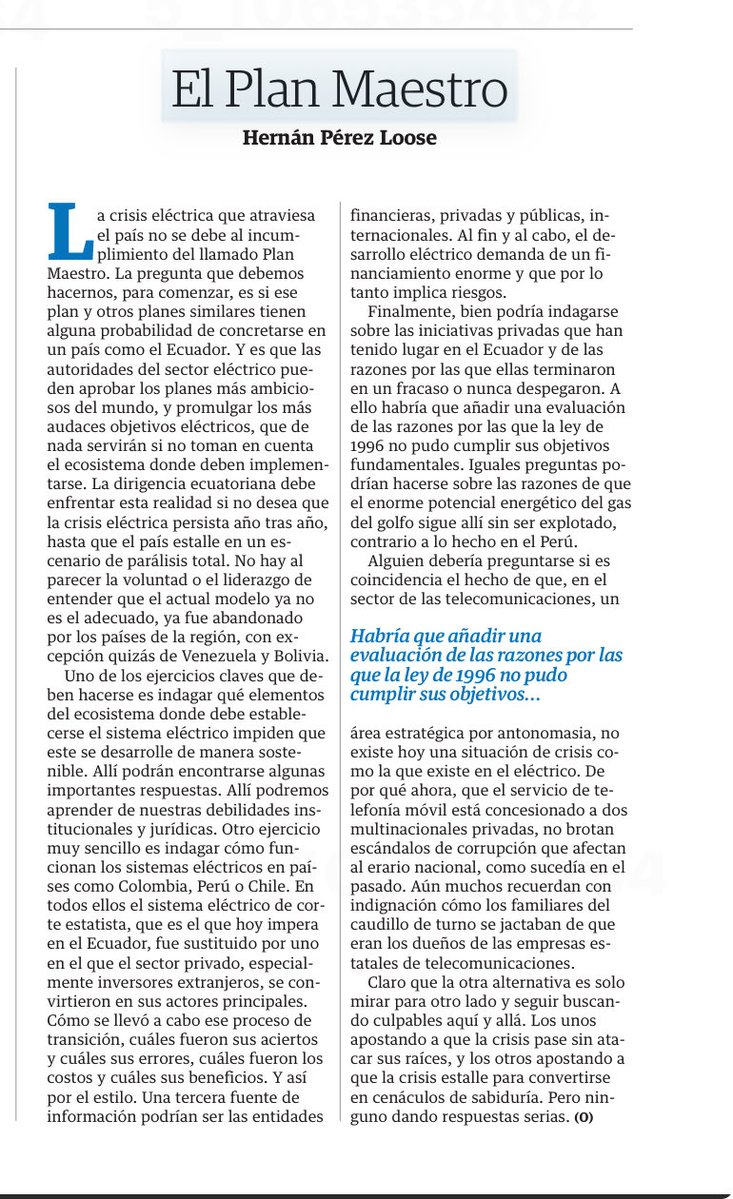
El gran problema de la incomunicación contemporánea viene de la cantidad de estrategas de la comunicación que juegan a saber más que nadie del futuro… y solo meten ruido en el sistema
Ronald Reagan was the first U.S. president to have been divorced. His first marriage, to actress Jane Wyman, ended when she left. His second marriage, to Nancy, lasted 52 years.
In 1971, while Reagan was Governor of California, his oldest son Michael was preparing to get married. Reagan could not attend the wedding, so he sent a letter. It was personal advice from a father who had seen how difficult marriage could be and had learned what it took to make one last.
He told Michael that marriage was about to become one of the most important relationships in his life, and that what it became would depend on what he was willing to put into it. He warned against the attitude that a man could do whatever he wanted as long as his wife didn’t find out. Once trust begins to disappear, something important disappears with it.
Reagan believed many people who said marriage didn’t work were the same people who had put the least effort into making it work. You generally get back what you put in. If you give only half of yourself, you shouldn’t expect everything in return.
He acknowledged there would be moments of temptation. But real strength, he said, wasn’t about proving how many women a man could attract. It was about choosing one woman and continuing to love her through an entire lifetime. Cheating was easy. Remaining loving, interesting, faithful, and committed required more character.
He told Michael that if he truly loved his wife, he would never deliberately embarrass her by flirting with another woman or giving her a reason to wonder where he had been. He reminded his son that he knew what it was like to grow up in an unhappy home, and that he now had a chance to create something different.
One of the simplest pleasures of marriage, Reagan wrote, was coming home after a long day and knowing that someone you love is waiting, simply happy to hear you walk through the door.
He ended with a short piece of advice: tell your wife “I love you” at least once a day. He added that it really does help.
Those words came from a man who understood that a marriage needs to be cared for. Love and loyalty had to be shown through everyday actions. Reagan made sure Nancy knew she mattered to him. At home, away from the presidency, he was a husband and a father who deeply loved his family.
On his return flight from France, Pope Leo XIV is asked about the steady decline of Catholic Church in Germany and the astonishing rise of both the extremist Left and Far Right in Germany.
On the former the Pope says: "The phrase you said the Church is dying in Germany, or the diminishing numbers. People have said that about France in the past and yet we saw what happened over the past four days. I believe that if we find the true missionary spirit and the right way to go about it, there are still many, many people in Germany who want to live and celebrate their Christian and Catholic faith."
On the latter: "we go back to the values of the Gospel, which are not about hatred and division, but they're about understanding and compassion and accompanying. I hope deeply, and hopefully the Church can also be a part of this—that we can find ways of reaching out to a majority of people of goodwill who will understand how important that their commitment, even in terms of participating in political processes, will enable them to make clear choices for the common good and not for extremist ideas that perhaps will do much more damage than we are even aware of right now."
El perdón imposible
«¿Cuántas veces
hay que perdonar?»
pregunto.
Me dices «70 veces 7».
Y yo respondo
«Eso es siempre, Señor».
¿Cómo hacerlo,
si cada acto de perdón
pesa más que el anterior?
Si cada vez que lo otorgo
me siento derrotado.
Si el corazón se desangra
por las deudas no cobradas.
Si el dolor manda en mí.
Si la mente vuelve,
una y otra vez
a la hora maldita
de las heridas
y las decepciones.
¿Cómo salir
del laberinto de los agravios?
¿Cómo pasar páginas
grabadas en la entraña?
Me cuentas que toda deuda
tiene dos caras.
Que toda herida
cuenta dos historias.
Que hay un perdón
que aligera la carga.
Empieza dices por cambiar la mirada.
Ve, más allá del sufrimiento
que te atrapa, la vida que sigue.
Comprende la flaqueza
de quien te hirió,
y no dejes que su sombra
te aleje de la Luz mayor,
del Amor primero,
de la Misericordia
que Dios sembró
en tu entraña hoy herida.
70 veces 7.
Sea.
Ahora mismo estoy en Grecia y los gatos están en todas partes. Aquí las personas no solo los quieren: los respetan, los alimentan, los esterilizan y los vacunan. Qué maravilla. Esto también es primer mundo: aprender a convivir con los animales con respeto y empatía.
Y mientras tanto, yo argumentando con medio mundo en Ecuador porque un gatito entró a un supermercado… Aquí los gatos están hasta sentados en las sillas junto a mí en el restaurante y nadie se escandaliza. Al contrario, los respetan como parte de la comunidad.
¡Cuánto nos falta todavía por aprender!
Las inteligencias artificiales no viven una experiencia, no poseen un cuerpo, no pasan por la alegría y el dolor, no maduran en las relaciones ni conocen desde dentro lo que significan el amor, el trabajo, la amistad y la responsabilidad. Tampoco tienen una conciencia moral: no juzgan el bien y el mal, no captan el sentido último de las situaciones ni asumen el peso de las consecuencias. Pueden imitar, pueden simular pero no conocen lo que producen, porque no residen en el horizonte afectivo, relacional y espiritual en el que el ser humano se hace sabio. #MagnificaHumanitas