BLACK FRIDAY SALE! Get 50% off on all current AWE Shop products (seminar recordings and Welfare 1-to-1 consultations). Use code BLACKFRIDAY50 November 24-27th at check out.
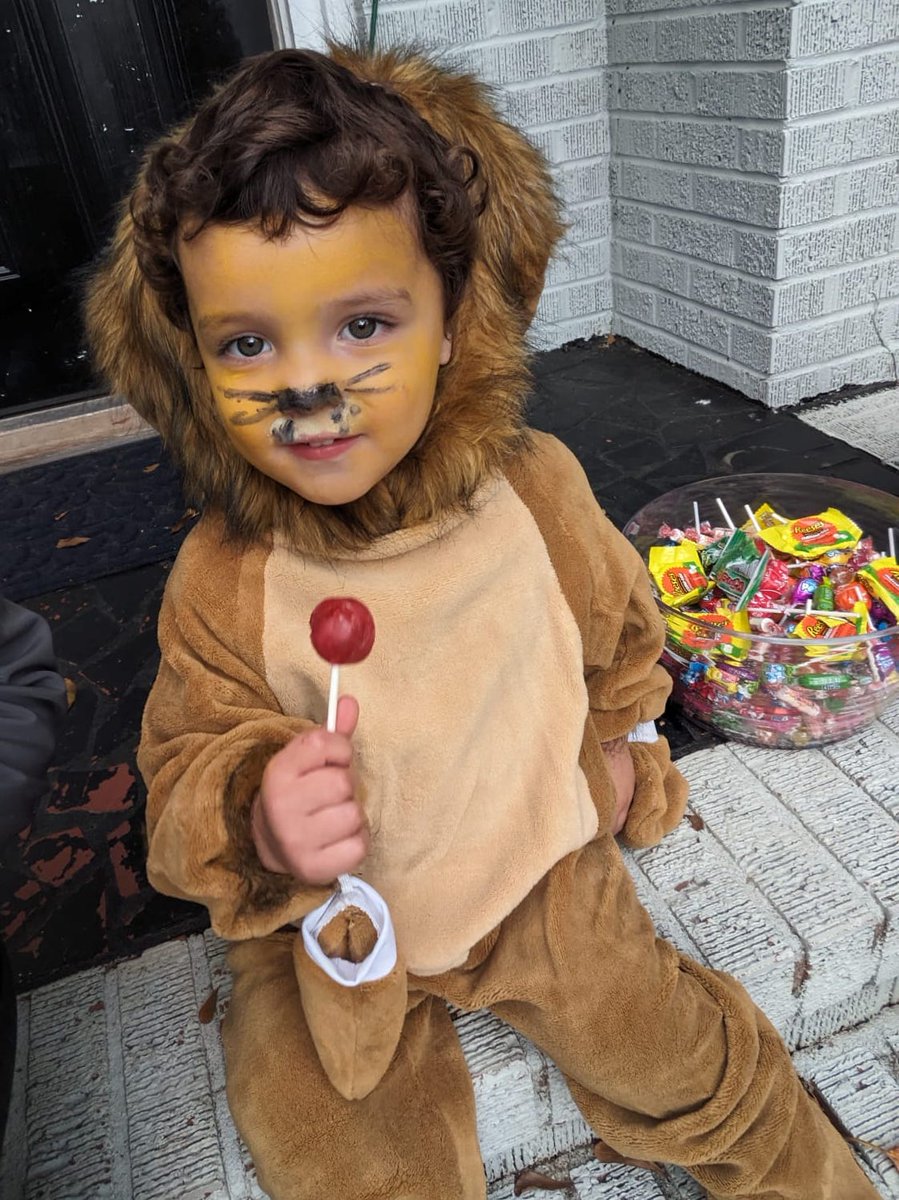
Congratulations to Patty Torres and her little lion, Evander, for winning the AWE animal-themed costume contest! A huge thank you to everyone who participated, we can't wait to see what you come up with next year! 🏆🦁
You can purchase access to this seminar and previous seminar recordings by visiting the Shop page of our website (https://t.co/eCMoKkn2xu). Those who purchase access to the Live Seminar will now have access to the recording as well! #Seminar#choiceandcontrol#animalwelfare
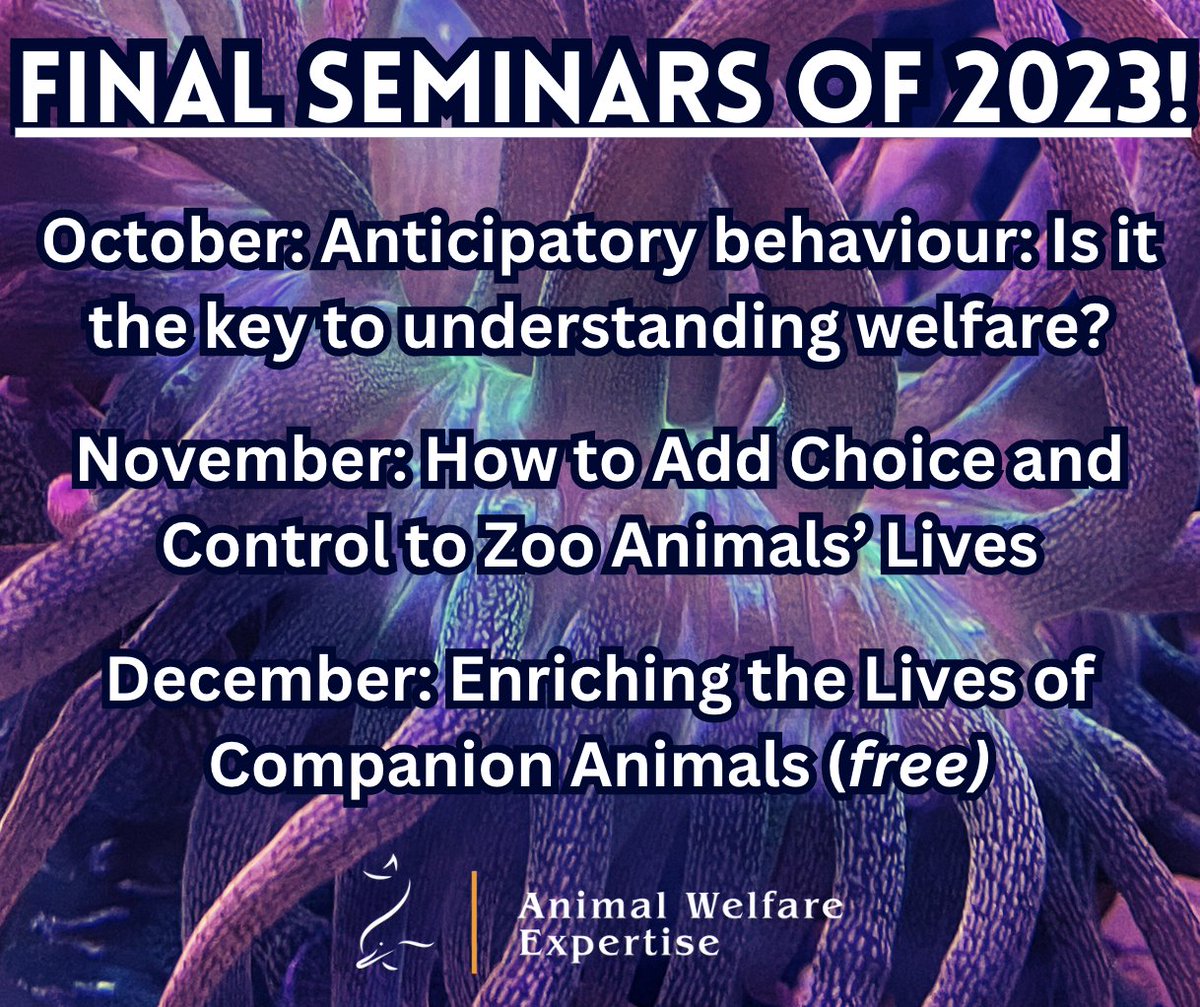
Our next live seminar topic will be "Choice and Control in Animal Welfare!" Join us on 14 Nov 2023 at 19:00 UTC to learn more about the aspects of choice and control in animal management and welfare, and explore ways for providing opportunities for such to animals in human care.
Please join us on the 19th of October at 19:00 UTC for a virtual seminar where our Founder and Director, Dr. Isabella Clegg, will discuss anticipatory behaviour in the context of animal welfare.
You can purchase access to this live seminar here: https://t.co/eCMoKkn2xu.
#Seminar
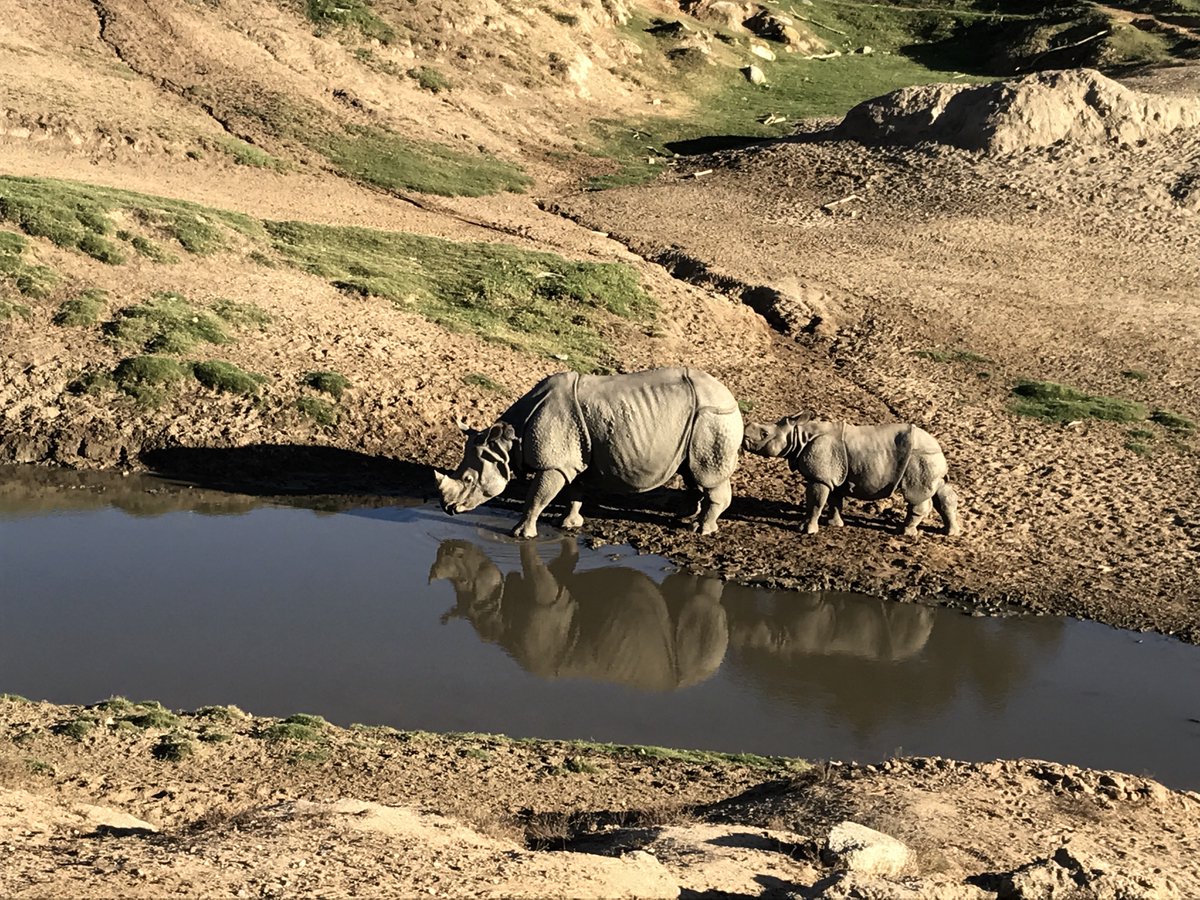
Happy World Rhino Day! We've recently developed a rhino ethogram for welfare assessments & during our lit review, we found limited info on abnormal repetitive behaviours (ARBs) in rhinos. Have any of you observed or heard of specific ARBs in rhino species?🦏
#WorldRhinoDay
Reference: Palmer, A., Greenhough, B., Hobson-West, P., & Davies, G. (2023). What Do Scientists Mean When They Talk About Research Animals “Volunteering”?. society & animals, 1(aop), 1-22.
Is an animal “volunteering” to participate truly voluntary? When discussing an animal’s willingness to participate, the term “volunteer” is often used to describe an animal’s lack of resistance or need for restraint for a procedure or behaviour to be completed.
We think that this topic is a very interesting starter for discussion, one we plan to feature in a future Tea with AWE session! Any initial thoughts or comments on how the words we use as animal professionals might convey different messages?
Huge thanks to everyone who responded to our polls and surveys about future seminar topics! We have planned out the topics for the remainder of the year, with exact dates and times to be announced soon, so stay tuned.
#seminar#animalwelfare#enrichment#zoo
Reference: Finneran, J. J., Schlundt, C. E., & Mulsow, J. (2023). Temporary threshold shift in bottlenose dolphins exposed to steady-state, 1/6-octave noise centered at 0.5 to 80 kHz. The Journal of the Acoustical Society of America, 154(2), 1324-1338.
In our opinion, the best thing about studying and working on animal behaviour is that you're never done learning. Did you know that dolphins may sometimes slap the water to scramble loud sounds coming their way?
While dolphins likely perform tail slaps for a multitude of reasons, this new information may represent a leap forward in better understanding their response to sound.
Reference: Brando, S., Vitale, A., & Bacon, M. (2023). Promoting Good Nonhuman Primate Welfare outside Regular Working Hours. Animals, 13( 8 ), 1423.
If you were able to catch our free seminar yesterday on the Nuts and Bolts of Enrichment, you might recall that a question was posed regarding providing enrichment on a 24/7 scale rather than only during staff working hours.
They address aspects of consideration for specific Welfare Principles and the use of technology to assess primate activity and welfare “after-hours." We are excited to see how this concept will be applied to other species as the animal welfare field progresses.