Liu, M., Benitez-Paez, F., Padget, O. et al. Machine-learned dimethyl sulphide (DMS) for the North Atlantic (2002–2024) to support movement studies. Sci Rep (2026). https://t.co/gEJFlQ581R
Liu, M., Benitez-Paez, F., Padget, O. et al. Machine-learned dimethyl sulphide (DMS) for the North Atlantic (2002–2024) to support movement studies. Sci Rep (2026). https://t.co/gEJFlQ581R
How do seabirds navigate thousands of km across open ocean and still head straight home? We don’t fully know. We built the first daily 4 km maps of a key “smell” cue (DMS) + an open tool (AniDMS) to link it to bird tracks. Now we can finally test olfactory navigation. Link below.
Excited to share that our new results on magnetic and star compass and magnetic navigation in migratory Red Underwing moths is pre-printed here https://t.co/83IulNHnmb
Our cover on the recent fall armyworm paper (Ma et al) in eLife showing evidence of their magnetic compass dependent on visual landmarks: Insect Migration: A sense of direction.https://t.co/fQ4FOR1Evu
First evidence that free-ranging animals (bats on a small island) do have and use Head Direction Cells in their brain to navigate in real world, not just lab. https://t.co/l5O6holngP
🕊️ How do birds know when to migrate? Our new Biology Open paper shows that spring migration timing in great reed warblers has a genetic component—linked to fat metabolism genes suggesting that birds that fuel up faster may be ready to leave Africa sooner. Doi 10.1242/bio.062039
An international course for postgraduate students
This November (2025) the international PhD course on the Ecology of Animal Migration will run again in Lund Uni. More here https://t.co/hAup4aDvBQ
Our recent exciting results about Red Admirals - Not All Butterflies Are Monarchs: Compass Systems in the Red Admiral (Vanessa atalanta), a European Diurnal Migrant https://t.co/M1xO3kEj38
CORRECTION: The offering is primarily for "home" tuition fee paying students (meaning UK / Irish nationals or people in the UK with Indefinite Leave to remain) - 5 out of 8 PhD projects in this call but only one place for international applicants (highly competitive!)
PhD Offering in movement ecology in the UK! Pls spread the word to folks who might be interested. More details in posts and here https://t.co/FdIq0ewGrx
The supervisory team: Dr. Dmitry Kishkinev (ecology) and Pawas Bisht (public communication), both Keele University, UK. Further detail in the root post link. Apply via "Visit institution website" on the link page
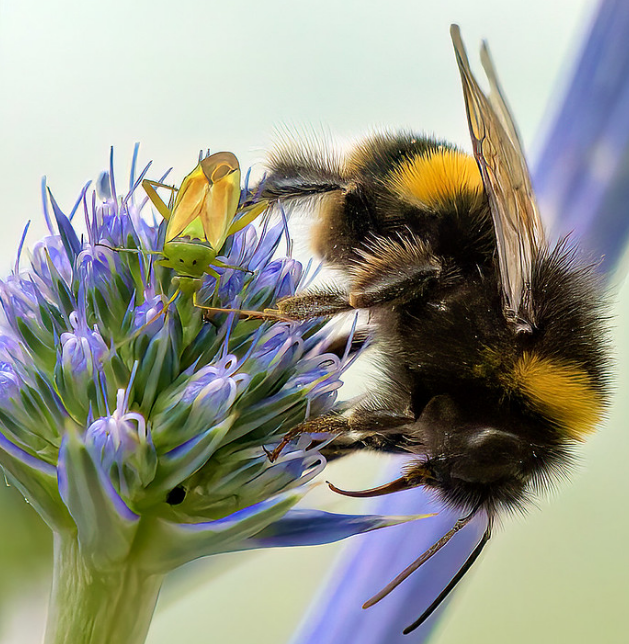
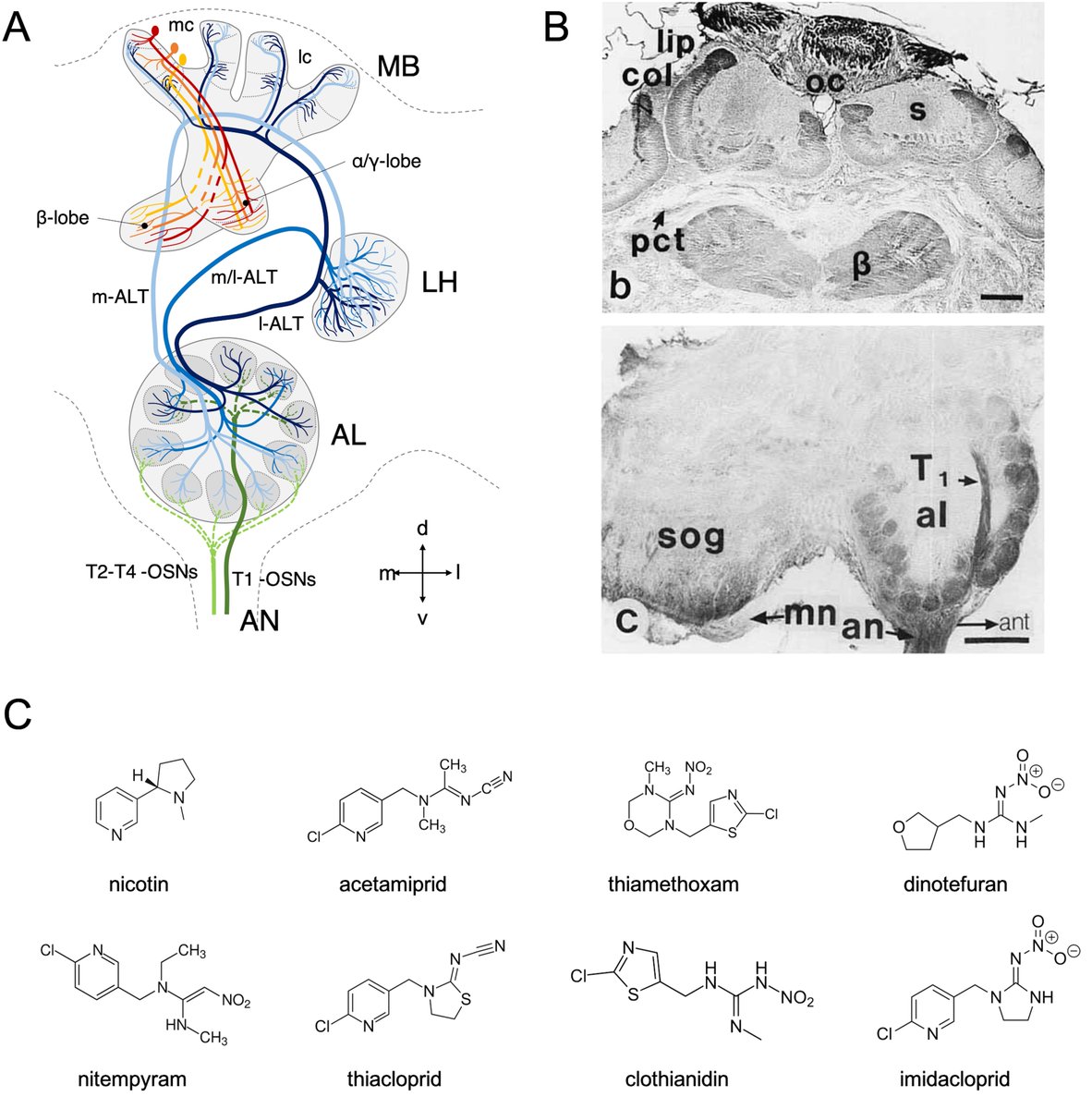
What do pesticides to the honey bee brains? What is the truth about the safety of sub lethal doses? See our new work with MarcoPaoli in @EJNeuroscience on how neonicotinoids affect multiple areas of the bee brain. Necessary for debates on pesticides.
https://t.co/3A4twCMtzm