I learned that Scicomm writing can appeal to a more popular audience and can be used to educate a popular audience about certain research studies #WhatIlearnedinWR60
I learned how to make a wix site which can be used as an e-portfolio and many other things as well! The link to building a website on wix:https://t.co/vAP6zQVwcn
#WhatIlearnedinWR60
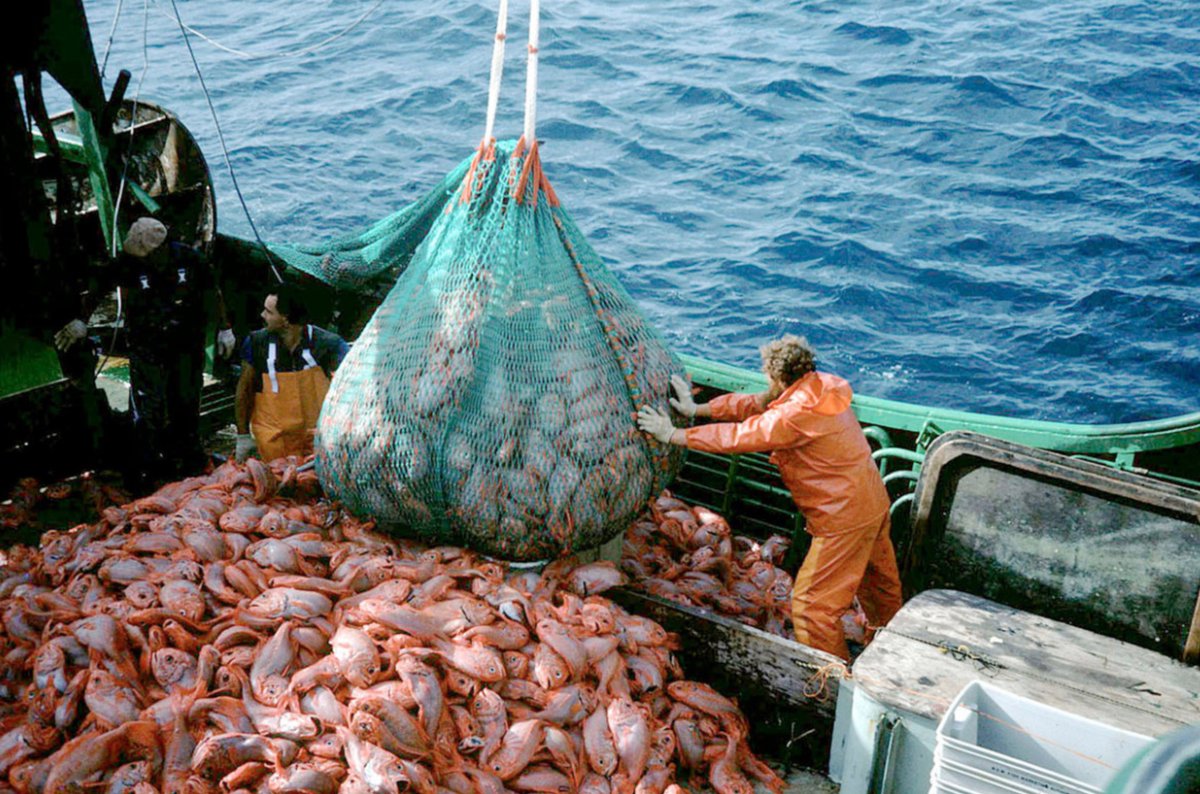
The quote by Dr. Lauren Waller from SANCCOB: “African penguins feed mainly on small pelagic fish, primarily sardine and anchovy, both of which are targeted by the commercial small pelagic fishery in South Africa.”showed me a problem African penguins face #WhatIlearnedinWR60
@UCIdogs I never knew that there is bilateral activation in a dog’s temporal cortex! That’s amazing that you were able to learn that in this class! #WhatIlearnedinWR60
Directly due to the fishing companies diminishing the food supply, African penguin’s populations are declining. The companies are prioritizing their own interests without considering the impact on the African penguins.#39canimals#AfricanPenguin#saveseabirds
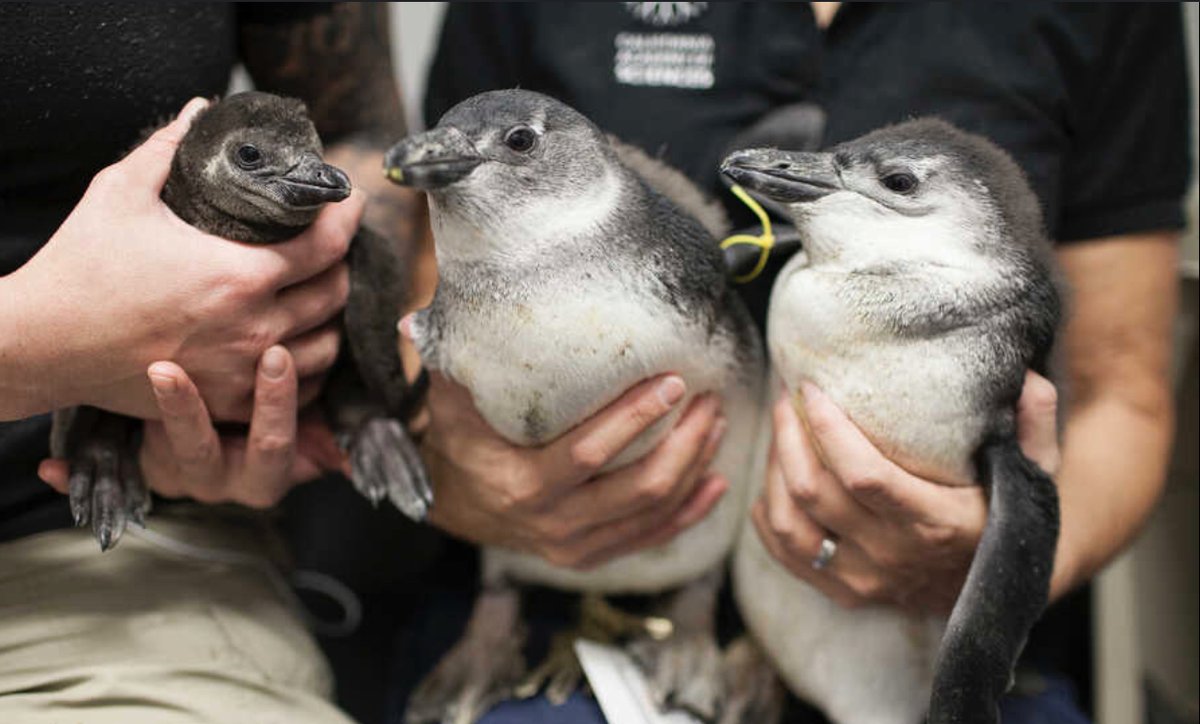
Researchers from the University of Cape Town have worked on hand-rearing chicks. Given the limited supply of food due to overfishing, hand-rearing chicks can be very beneficial in halting African penguin population decline. #39canimals
https://t.co/SWVzq3YivR
The Minester of Foresty, Fisheries and the Environment has established a Governance Forum in November 2021 that seeks to close areas around African penguin colonies to fisheries to prevent overfishing! #39canimals#saveseabirds
https://t.co/WD6PyolHZq
This study discusses a project that South America implemented by researchers and government agencies to close and manage fisheries. They found that the closing of the fisheries led to an increase in foraging ranges. #AfricanPenguin#39canimals
https://t.co/WD6PyomfOY
Within the Save the Penguin Campaign, they suggest that the fish in close proximity of penguin colonies should be protected by marine protected areas to not give fisheries access. #39canimals
https://t.co/OhUPn0GqRo