Johann Sebastian Bach’s Aber am ersten Tage der süßen Brot from the Matthäus-Passion BWV 244 (1736-46): a very brief secco recitative in G major for tenor (Evangelist) and continuo, lasting barely a few measures. Based on Matthew 26:17, it serves a simple but essential dramatic function: the Evangelist announces the arrival of the first day of Unleavened Bread, leading directly into the disciples’ question about where to prepare the Passover meal. After the soprano aria Blute nur, du liebes Herz!, Bach suddenly strips the texture down to voice and continuo. No elaborate word painting, no orchestral color: just the Gospel narrative moving forward with remarkable economy. Yet this tiny passage is an essential link in the drama, leading into the disciples’ anxious question: “Herr, bin ich’s?”
https://t.co/ewc21FZIlz
#Bach #BWV244 #ClassicalMusic #JSBach
“No matter what the universe has in store, it cannot take away from the fact that you were born. You’ll have some joy and some pain, and all the other experiences that make up what it’s like to be a tiny part of a grand cosmos. No matter what happens next, you were here. And even when any record of our individual lives is lost to the ages, that won’t detract from the fact that we were. We lived. We were part of the enormity. All the great and terrible parts of being alive, the shocking sublime beauty and heartbreak, the monotony, the interior thoughts, the shared pain and pleasure. It really happened. All of it. On this little world that orbits a yellow star out in the great vastness. And that alone is cause for celebration.”
― Sasha Sagan, For Small Creatures Such as We: Rituals for Finding Meaning in Our Unlikely World
2/2
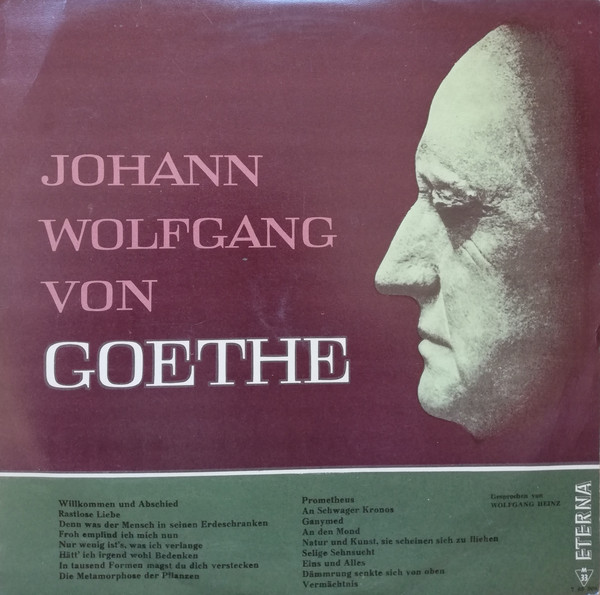
Ganymed, Goethe
(escrito hacia 1774; publicado en 1789)
- El poema completo en versión bilingüe alemán/castellano
https://t.co/z9caLfkA2K
- En su traducción al catalán
https://t.co/sX5eCaBGCh
- Sobre el poema Ganímedes (en castellano)
https://t.co/JL7YnJ9JNI
"Hay que dormirse arriba en la luz [...] (Allí) el corazón se abandona, se entrega. Se recoge. Se aduerme al fin ya sin pena". #Clarosdelbosque#MaríaZambrano
‘Cantar el infinito’ seleccionado entre las tres recomendaciones de la librería especializada en música ElArgonauta Librería de Música, junto a grandes títulos del panorama internacional. Muy honrada y agradecida! 💐🥂
«Volviste a casa, pues se derritió aquel tiempo.»
Una de las grandes obras de Rilke en una magnífica edición (el epílogo de Palacios es excelente y clave para entender la obra).
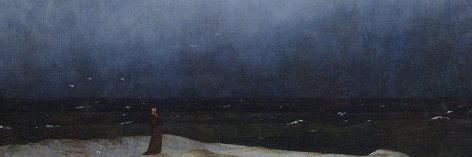
@Alex_philosoph Si te interesa el tema, aquí presenté una introducción al Romanticismo, no solo aludiendo al pensamiento, sino también a la música y a la poesía. https://t.co/Wy5PxVChyQ
Sebald tiene una habilidad extraordinaria para comenzar narrando una mañana en la orilla de un río inglés y colarte, sin que te des cuenta, un ensayo breve sobre la Revolución Taiping en el siglo XIX. Su forma de ocultar las costuras en «Los anillos de Saturno» es fascinante.







![AnlothK's tweet photo. "Hay que dormirse arriba en la luz [...] (Allí) el corazón se abandona, se entrega. Se recoge. Se aduerme al fin ya sin pena". #Clarosdelbosque #MaríaZambrano https://t.co/gZX5EgSevX](https://pbs.twimg.com/media/HPCUzITXUAAsjcK.png)


